
On April 1, 2026, the Artemis II mission, a monumental undertaking by NASA in collaboration with the Canadian Space Agency (CSA), successfully launched on a nearly 10-day expedition that carried four astronauts on a groundbreaking voyage around the Moon. This mission marked the first crewed flight of NASA’s state-of-the-art Orion spacecraft, signifying a pivotal moment in humanity’s return to deep space. The crew, comprising NASA astronauts Reid Wiseman, Victor Glover, and Christina Koch, alongside CSA astronaut Jeremy Hansen, safely splashed down in the Pacific Ocean off the coast of San Diego on April 10, concluding a mission that pushed the boundaries of human spaceflight and offered unprecedented views of the lunar surface.
At its apogee, the Artemis II crew traveled an astonishing 252,756 miles from Earth, setting a new record for the greatest distance ever achieved by humans in space. This feat not only demonstrated the capabilities of the Orion spacecraft and the Space Launch System (SLS) rocket but also provided a unique vantage point for observing the Moon, far surpassing the close proximity achieved during the Apollo era. The mission’s success under the broader Artemis program underscores NASA’s ambitious agenda to conduct increasingly complex lunar missions. These endeavors are designed to advance scientific discovery, unlock economic potential through lunar resource utilization, and crucially, to serve as a vital stepping stone for future human missions to Mars.
The culmination of years of meticulous planning, rigorous training, and technological development, Artemis II’s journey was a testament to international cooperation and human ingenuity. The mission’s trajectory and objectives were carefully curated to test the systems essential for long-duration deep space travel, ensuring the safety and efficacy of the Orion spacecraft and its life support systems. As the world watched, the astronauts became the vanguard of a new era of lunar exploration, reigniting public fascination with space and inspiring a new generation of scientists, engineers, and explorers.
Preparations for the Lunar Frontier
The journey to the Moon began long before the roar of the SLS rocket ignited the Florida skies. The Artemis II crew underwent an extensive and multifaceted training regimen designed to equip them for the unique challenges of deep space exploration. A significant component of this preparation involved a geological training expedition to Iceland.
Iceland Geology Training: Simulating Lunar Landscapes
In the rugged, volcanic terrain of Iceland, the Artemis II astronauts honed critical field geology and navigation skills. This demanding environment served as a realistic analogue for the lunar surface, allowing the crew to practice essential techniques under challenging conditions. Working collaboratively, they simulated the scientific investigations they would conduct on the Moon, collecting rock samples using specialized tools such as hammers, scoops, and chisels. The insights gained from this training were invaluable, providing direct feedback to instructors that will be used to refine future Artemis training sites and protocols. This hands-on experience is crucial for maximizing the scientific return of lunar missions.
The Orion Crew Survival System: A Lifeline in Space
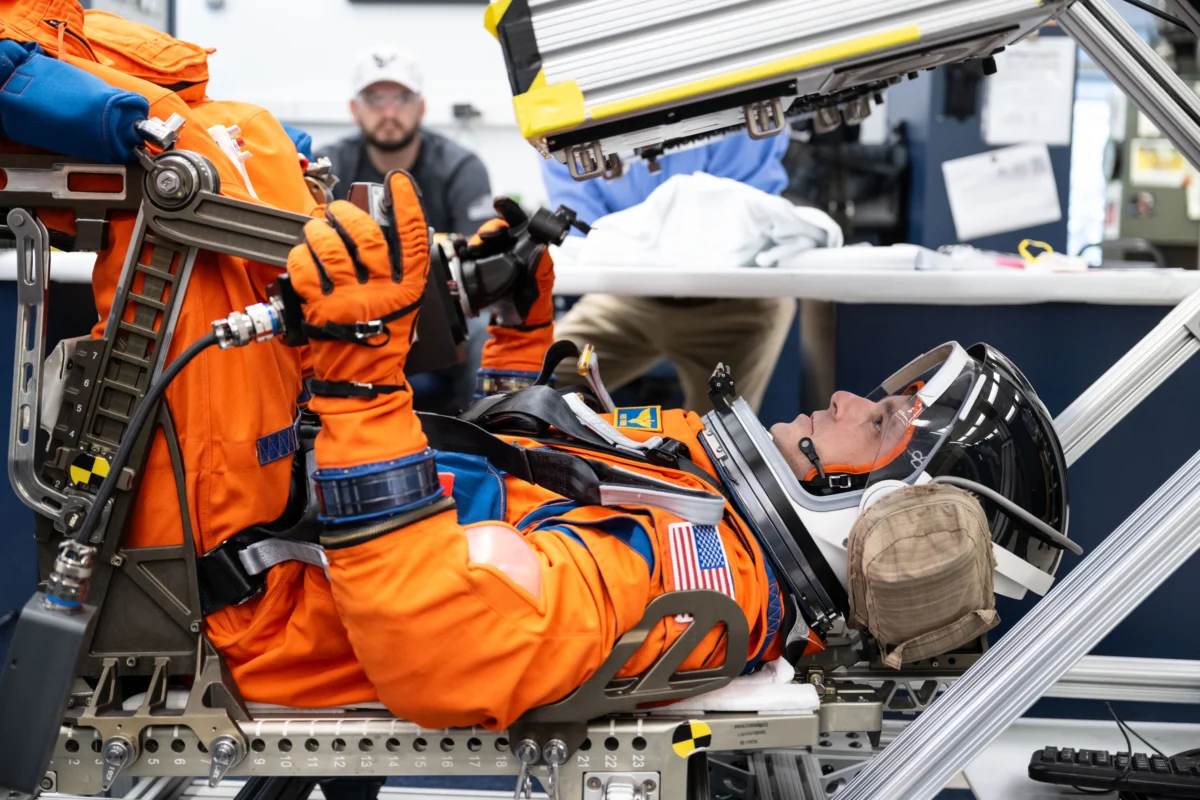
A critical element of astronaut safety for deep space missions is the Orion Crew Survival System (OCSS). During Artemis II, the crew trained extensively in the use of these distinctive, bright orange spacesuits, designed to be worn inside the Orion spacecraft during the high-stakes phases of launch and re-entry. Each OCSS suit is custom-fitted to the individual astronaut, incorporating sophisticated integrated systems for air, water, food, and waste management. In the event of an emergency, these suits are engineered to sustain life for up to six days, providing a vital safety net in the unforgiving vacuum of space. The astronauts meticulously practiced suit operations in simulated weightlessness and pressurized environments, meticulously verifying their performance and ensuring readiness for the rigors of deep space travel.
A Voyage of Discovery and Connection
The 10-day mission was not merely a technical exercise; it was also a profound human experience, filled with moments of reflection, scientific observation, and historic connection. The astronauts, each with years of dedication and training behind them, carried the hopes and curiosity of billions as they ventured further from Earth than any humans before.
"Moon Talks": Personal Reflections from the Void
During their journey, the Artemis II crew engaged in deeply personal reflections, sharing their thoughts and feelings about the Moon and its significance. These "Moon Talks" offered a unique glimpse into the emotional and professional weight of their experience, shaped by years of training, sacrifice, and the sheer awe of venturing into the cosmos. These intimate moments provided a human dimension to the technological marvel of the mission, connecting the crew’s journey to the broader human desire for exploration and understanding.
Launch of NASA’s Artemis II: A Spectacle of Power
The mission commenced with the awe-inspiring launch of the SLS rocket, a colossal machine designed to propel humanity back to the Moon. The power and precision of this launch were captured through innovative camera systems developed by NASA, known as the Flight Imaging Launch Monitoring Real-time System (FILMRS). These cameras, strategically affixed to the SLS rocket, are engineered to withstand some of the most extreme environments encountered during ascent, providing critical real-time data and breathtaking imagery of the launch sequence. The spectacular launch views offered the world a front-row seat to this historic endeavor.
Daily Highlights and Unprecedented Views
The nearly 10-day mission was meticulously planned, with each day offering unique challenges and scientific opportunities. The crew meticulously documented their journey, providing invaluable data and inspiring content for public engagement.
Flight Day Chronology: A Journey Through Space
- Flight Day 1: The mission commenced with the successful launch and translunar injection, setting the Orion spacecraft on its course towards the Moon.
- Flight Day 2: The crew began their journey, familiarizing themselves with the spacecraft and its systems in the deep space environment.
- Flight Day 3: Initial scientific observations and system checks were conducted as the spacecraft continued its transit.
- Flight Day 4: The crew approached the Moon, with anticipation building for their closest orbital passes.
- Flight Day 5: Artemis II achieved its farthest point from Earth, setting a new human distance record and providing unparalleled views of the lunar surface.
- Flight Day 6: The crew conducted detailed observations of the Moon, gathering critical scientific data.
- Flight Day 7: Preparations began for the journey back to Earth, with a final survey of the lunar region.
- Flight Day 8: The spacecraft initiated its burn for the trans-Earth injection, beginning its return trajectory.
- Flight Day 9: The crew continued their journey home, reflecting on the mission’s achievements.
- Flight Day 10: The Orion spacecraft successfully re-entered Earth’s atmosphere, followed by a splashdown in the Pacific Ocean.
Moments Around the Moon: Breaking Records and Inspiring Awe
The Artemis II mission achieved a significant milestone by reaching a record distance of 252,756 miles from Earth. This surpassed the previous record set by the Apollo 13 mission in 1970. Covering a total of 694,481 miles during its journey, the crew had the unique opportunity to observe the Moon from closer proximity than any humans before them on a crewed mission. This proximity allowed for detailed visual observation and potential for future scientific investigations at an unprecedented level. The experience of seeing the Moon so vividly and intimately resonated deeply with the astronauts.
"Moon Joy": The Emotional Impact of Lunar Proximity
One of the most profound outcomes of the Artemis II mission was the emergence of "Moon joy." This term encapsulates the overwhelming emotional weight experienced by the astronauts upon witnessing the Moon up close, coupled with the profound significance of humanity’s return to deep space. This emotional resonance highlights the deep-seated human connection to celestial bodies and the enduring power of exploration to inspire awe and wonder.
The Return to Earth and Beyond
The successful completion of the lunar flyby was only one part of the mission. The safe return of the crew and the spacecraft was equally critical, showcasing advanced recovery procedures and further testing of Orion’s capabilities.
How to Recover a Spacecraft: A Coordinated Effort
Following their splashdown in the Pacific Ocean, a highly coordinated recovery operation was initiated by NASA and U.S. Navy teams. Recovery personnel swiftly secured the Orion capsule, opened the hatch, and assisted the astronauts out of the spacecraft. The crew was then transported by helicopter to a Navy recovery ship, while the Orion capsule was brought aboard for eventual transport back to shore. This complex logistical operation demonstrated the robust capabilities developed to ensure the safe retrieval of astronauts and their spacecraft from deep space.
Go/No-Go: The Ingenuity of Space Toilets
Even seemingly mundane aspects of spaceflight require significant innovation. The Universal Waste Management System, or "space toilet," is a critical onboard system that faced operational challenges during the mission. The crew worked through these issues to maintain performance in microgravity, highlighting the constant engineering and problem-solving required for long-duration spaceflight. The successful management of waste is paramount for crew health and mission success.
Space-to-Space Call: A Historic First
A groundbreaking moment occurred during the Artemis II mission when the crew established a direct communication link with astronauts aboard the International Space Station (ISS). This historic first marked the initial ship-to-ship communication of its kind, connecting the Artemis II crew with Expedition 74 astronauts Chris Williams, Jack Hathaway, Jessica Meir, and ESA astronaut Sophie Adenot. This capability is crucial for future deep space missions, enabling real-time communication and coordination between spacecraft operating at vast distances.
Broader Implications and the Future of Artemis
The Artemis II mission was more than just a journey around the Moon; it was a crucial validation of NASA’s long-term vision for human space exploration. The data and experiences gathered are vital for the success of future missions, paving the way for sustained human presence on the Moon and eventual journeys to Mars.
Crew Comes Home: Witnessing the Return
The official NASA broadcast captured the dramatic splashdown of the Artemis II crew in the Pacific Ocean, allowing millions worldwide to witness the culmination of this historic mission. The subsequent return of the astronauts to Ellington Airport in Houston was met with widespread acclaim, celebrating their safe return and the success of their pioneering voyage.
Artemis II Crew News Conference: Reflections and Future Plans
Following their return, the Artemis II astronauts held a news conference, sharing their profound reflections on their journey, the challenges of deep space flight, and their insights into the future of the Artemis program. They discussed the technical hurdles overcome, the scientific discoveries made, and the emotional impact of their time in space. This conference provided valuable public insight into the mission’s significance and the path forward.
The Artemis II mission represents a significant leap forward in human exploration. It successfully demonstrated deep space crew operations, rigorously tested the Orion systems with astronauts aboard, and laid a critical foundation for future lunar missions. The program is not just about reaching the Moon; it is about establishing a sustainable presence and developing the technologies and expertise necessary for humanity’s expansion into the solar system.
Preparing for the Lunar South Pole and Beyond
NASA is actively preparing for future Artemis missions that will target the Moon’s South Pole, a region of intense scientific interest due to the potential presence of water ice. This necessitates continued work on next-generation spacesuits, advanced lunar tools, and sophisticated rovers. Experts, including seasoned Apollo and Artemis astronauts, are collaborating to address the formidable challenges of lunar exploration, such as extreme lighting conditions, pervasive lunar dust, and drastic temperature fluctuations. These preparations are integral to building a sustainable human presence on the Moon and ultimately, to achieving the ambitious goal of human missions to Mars. The lessons learned and the technologies developed through the Artemis program will be instrumental in overcoming these complex obstacles and securing humanity’s future among the stars.