
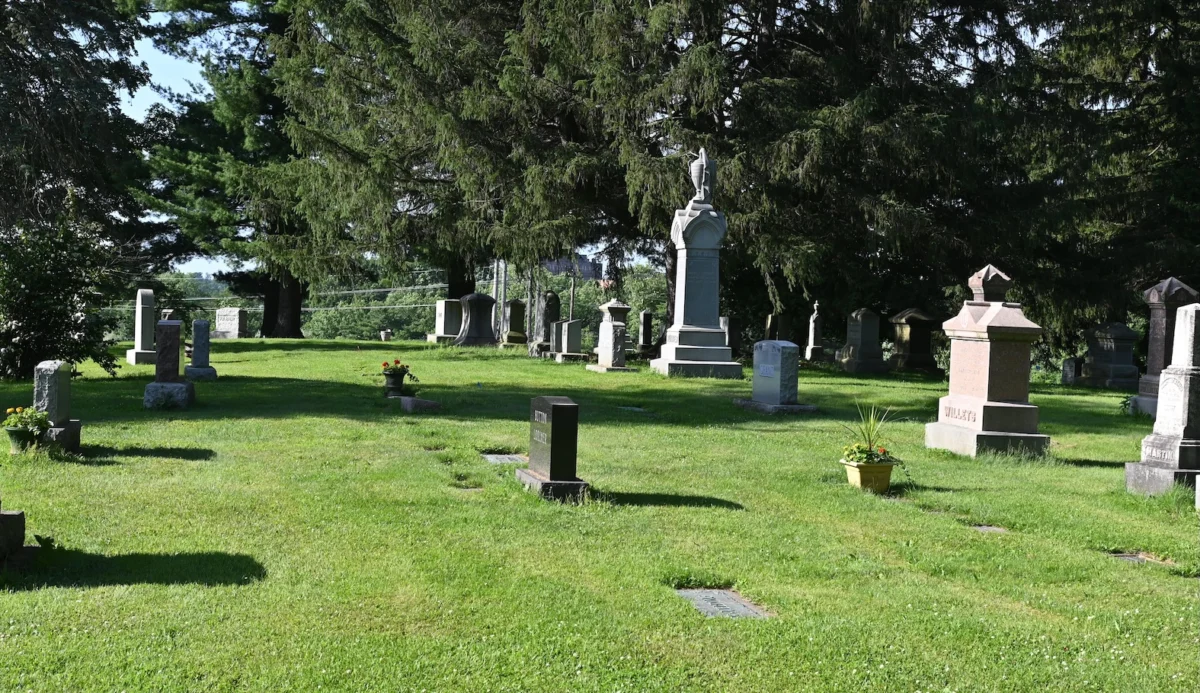
A surprising new frontier for ecological preservation is emerging from the quietude of cemeteries, challenging long-held assumptions about urban development and its impact on wildlife. Far from being sterile landscapes, these final resting places are increasingly recognized by scientists as crucial habitats, offering refuge and sustenance for a diverse array of species, from the smallest pollinators to larger mammals. Recent research spearheaded by Cornell University highlights this phenomenon, focusing on the unexpected abundance of native bees, particularly the solitary miner bee (Andrena regularis), within the manicured grounds of East Lawn Cemetery in Ithaca, New York. This discovery is not an isolated incident but part of a growing body of evidence suggesting that cemeteries, often overlooked, play a vital role in supporting biodiversity in increasingly urbanized environments.
The Regular Miner Bee: A Solitary Sentinel of the Soil
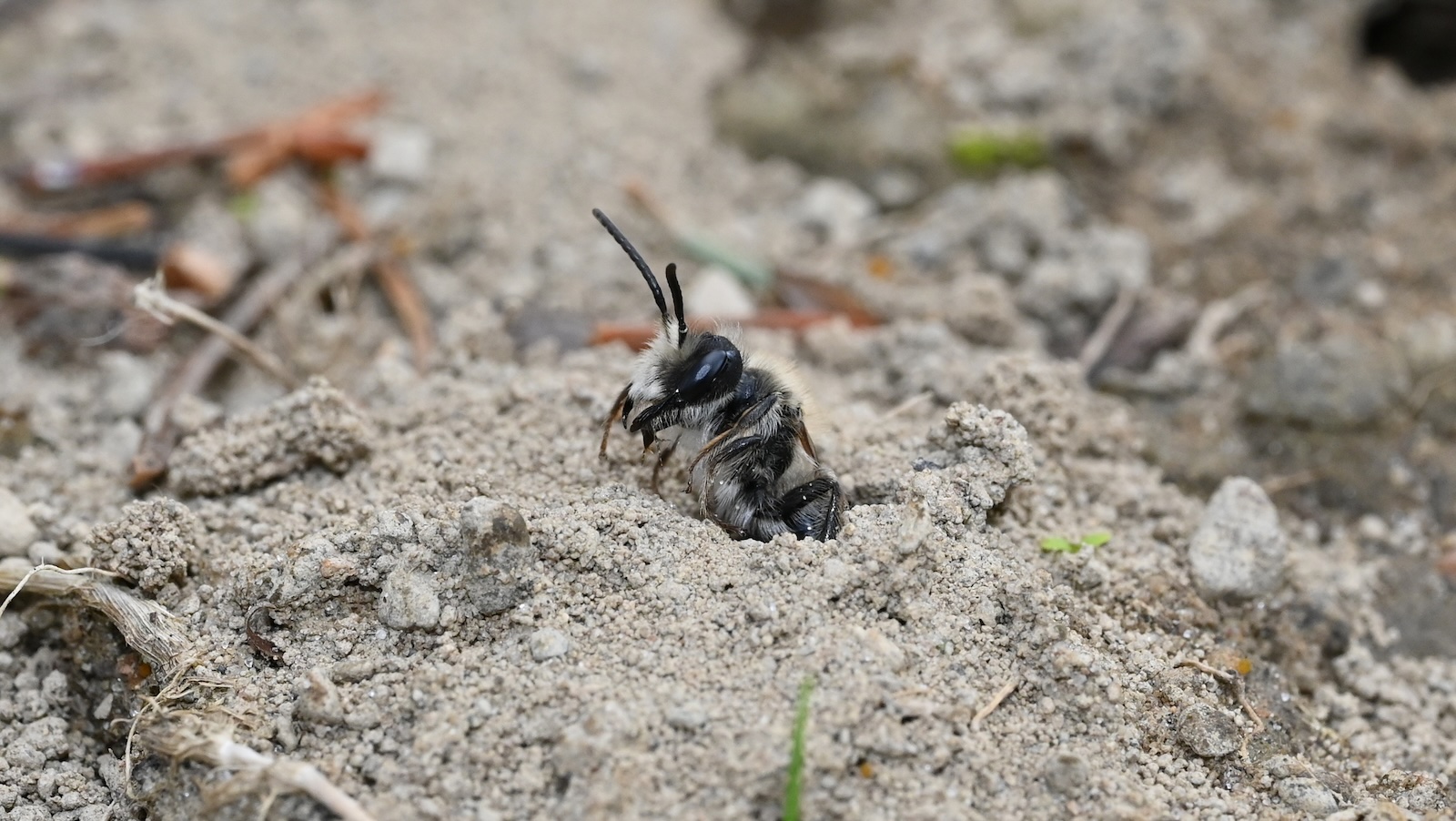
The regular miner bee, a black and tan, fuzzy insect often adorned with patches of yellow pollen, presents a fascinating case study in the resilience of nature. While the public imagination often conjures images of honey bees in bustling colonies, the reality for most bee species is far more solitary. Approximately 90 percent of bee species, including Andrena regularis, are solitary nesters. Instead of constructing elaborate hives, these bees excavate individual tunnels in the ground, a behavior that gives them their common name. This distinct nesting strategy makes them uniquely suited to habitats that offer stable, accessible soil.
Cornell University’s Groundbreaking Discovery at East Lawn Cemetery
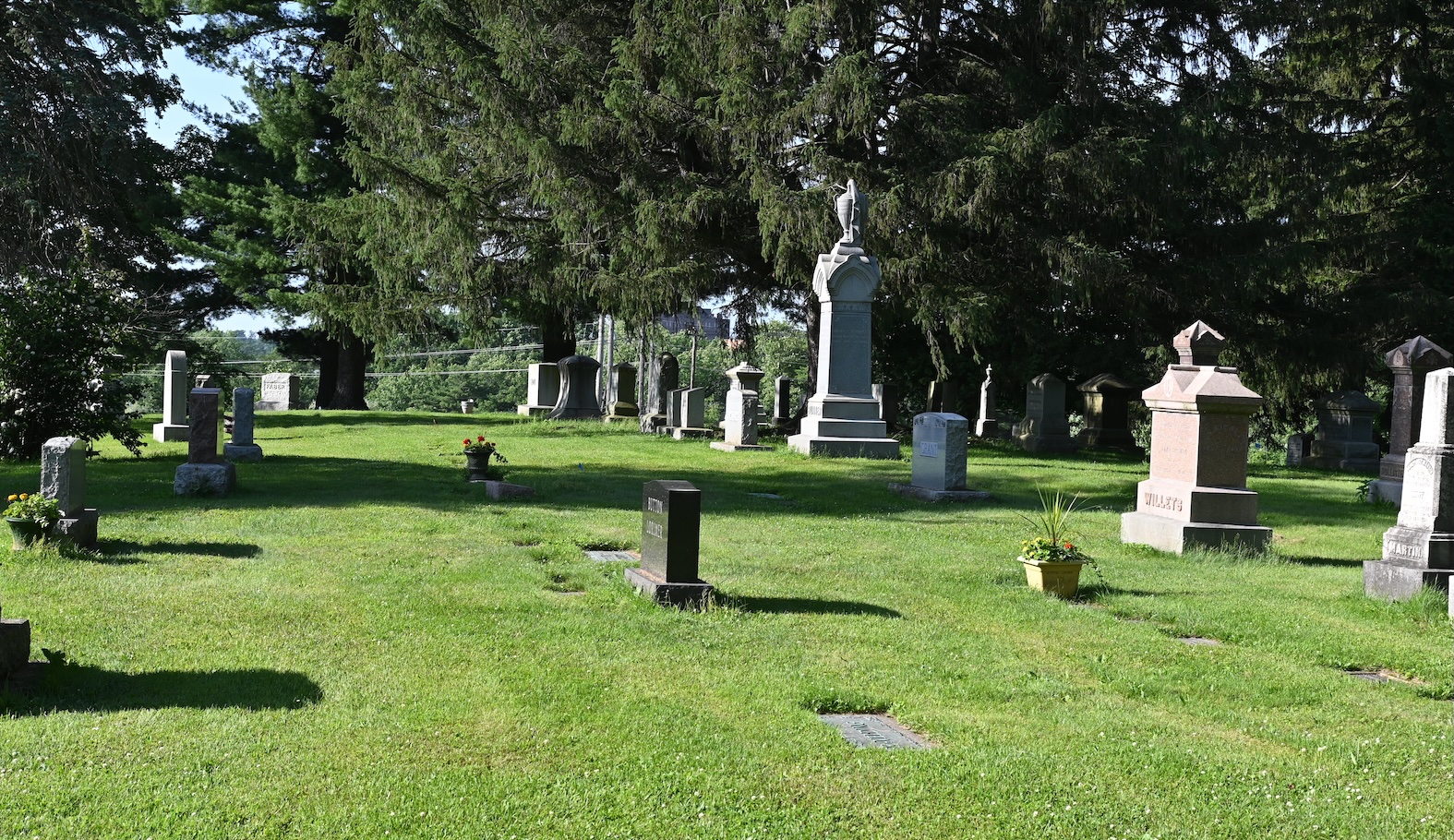
Scientists at Cornell University, a world-renowned institution for agricultural and environmental research, have uncovered a remarkable ecological treasure trove within the seemingly conventional landscape of East Lawn Cemetery. Their research indicates that this cemetery is not merely a passive host to the regular miner bee but supports one of the largest and oldest known communities of ground-nesting bees globally. The meticulously maintained lawns and ubiquitous tombstones, which might appear to an untrained eye as an ecologically barren environment, are in fact a thriving ecosystem for these vital insects.
The Cornell study, published in the journal Ecological Entomology, detailed extensive surveys conducted over several seasons. Researchers employed innovative sampling techniques, including specialized insect traps and meticulous ground surveys, to estimate population densities. Their findings revealed an astonishing density of ground-nesting bees, with some square meter plots yielding thousands of individuals during peak emergence periods. The overall estimate for the East Lawn Cemetery population ranged between an astonishing 3 million and 8 million bees, encompassing not only Andrena regularis but also a variety of other native bee species.
Cemeteries as Unexpected Biodiversity Hotspots
The implications of this research extend far beyond the fascinating life cycle of the miner bee. It adds significant weight to a burgeoning understanding of cemeteries as critical ecological refuges. This trend is not confined to insects. Studies have documented the presence of mammals such as foxes and coyotes, various bird species including owls and migrating geese, and even rare plant species finding sanctuary within cemetery grounds.
A Timeline of Recognition:
- Early 21st Century: Initial observations by ecologists and wildlife biologists began to note the unexpected presence of wildlife in urban cemeteries, often anecdotally.
- 2010s: A growing number of academic studies started to systematically investigate and document the ecological value of these spaces, focusing on specific species groups like insects and birds.
- Late 2010s – Present: The research has intensified, with institutions like Cornell University undertaking large-scale, comprehensive studies that quantify the significance of cemeteries for biodiversity and highlight their role in urban conservation efforts. The Cornell study on East Lawn Cemetery represents a recent and significant contribution to this ongoing scientific narrative.
The Allure of the Cemetery for Ground-Nesting Bees
The very characteristics that make a cemetery a suitable place for human interment also render it an ideal habitat for ground-nesting bees. Jordan Kueneman, a community ecologist at Cornell University and a co-author of the study, explained that bees are drawn to locations that offer specific environmental benefits. "Places that don’t flood, and places that are easy to dig and don’t collapse when you dig them," Kueneman stated in an interview, adding, "So we think the bees in this area are drawn towards some of those same characteristics."
The undisturbed, often well-drained soil found in cemeteries provides the perfect substrate for bees to excavate their nesting tunnels. These tunnels must be stable enough to withstand the elements and the weight of the developing larvae, yet loose enough to be excavated by the bees. The relatively consistent temperature of the soil, protected from extreme fluctuations by vegetation and the earth itself, further contributes to the suitability of these sites for nesting and brood development.
The Surprising Benefits of Lawn Maintenance
Contrary to what one might expect, the regular mowing of cemetery lawns, a practice that might seem detrimental to wildlife, can actually benefit ground-nesting bees. Kueneman noted that the bees often prefer exposed ground. "They do like to often have the ground exposed," he said. "That helps the ground warm up quicker, allows them to become more active more quickly in the day. It allows them to get in and out of their nests easily." This exposure to sunlight helps regulate the ground temperature, facilitating the bees’ metabolic processes and allowing for more efficient foraging and nesting activities. While extreme or prolonged periods of dryness could be detrimental, the regular watering of cemetery grounds often mitigates this risk.
Supporting Data and Analysis
- Pollinator Decline: Global pollinator populations, including bees, are facing unprecedented threats from habitat loss, pesticide use, climate change, and disease. The United Nations estimates that nearly 40% of invertebrate pollinator species—particularly bees and butterflies—face extinction.
- Economic Impact: Bees are indispensable for global agriculture, pollinating an estimated one-third of the food crops humans consume. The economic value of pollination services is estimated to be in the hundreds of billions of dollars annually.
- Urbanization Trends: Urban areas are expanding globally, leading to a reduction in natural habitats. This makes the preservation of biodiversity within urban landscapes increasingly critical.
- Cemetery Land Use: Cemeteries represent significant, often undeveloped, tracts of land within urban and suburban areas. Their preservation from commercial or residential development makes them natural candidates for ecological conservation.
The Miner Bee’s Life Cycle and Its Cuckoo Invaders
The regular miner bee population at East Lawn Cemetery is not only abundant but also appears to be thriving, as evidenced by its reproductive success and the presence of its natural predators. Researchers were able to assess the health of the population by observing the sex ratio of emerging bees. Male regular miner bees are smaller than females, requiring fewer resources for their development. A healthy proportion of females suggests a robust population capable of allocating sufficient resources to produce viable offspring.
The presence of Nomada imbricata, a species of cuckoo bee, further indicates a healthy miner bee population. Cuckoo bees are parasitic, laying their eggs in the nests of other bee species. The Nomada imbricata invades the miner bee’s burrows, exploiting the host’s meticulously prepared nest and food stores. "The parasitic bee develops and often has these large mandibles that they use to devour everything in their path, including the host bee," Kueneman explained. "They’ll sometimes decapitate them." The existence of a substantial population of these parasitic bees at the cemetery is a testament to the abundant prey population, demonstrating a balanced, albeit dramatic, ecological dynamic.
Beyond Bees: Cemeteries as Multifaceted Ecosystems
The ecological significance of cemeteries extends beyond their role as pollinator havens. Seth Magle, senior director of the Urban Wildlife Institute at the Lincoln Park Zoo in Chicago, who was not involved in the Cornell research, highlighted the comprehensive ecological benefits of these spaces. "It has a lot of the things you want," Magle stated. "It’s got trees, it’s got grass, it’s potentially got prey species for you, and resources. And then it largely lacks a couple of things you don’t like about parks, which are probably people and dogs."
The relative lack of human and canine activity, combined with the presence of trees, vegetation, and potential food sources, creates a more peaceful environment for wildlife. Furthermore, cemeteries are typically devoid of high-speed traffic, a significant hazard for urban wildlife. In the United States alone, an estimated hundreds of millions of birds and large animals, along with untold numbers of insects, are killed by vehicles annually. The absence of such roads within cemetery grounds offers a critical layer of protection.
Enhancing Cemetery Habitats for Greater Biodiversity
While cemeteries already provide substantial ecological benefits, there are opportunities for groundskeepers and conservationists to further enhance these spaces for wildlife. Reducing or eliminating the use of rodenticides, for example, is crucial for protecting birds of prey. These predators can ingest poisoned rodents, leading to their own demise.
Introducing native plant species is another vital step. Native plants provide essential food sources and shelter for native pollinators and other wildlife, supporting the intricate web of life. These pollinators, in turn, contribute to the health of urban green spaces. By fertilizing greenery and promoting plant reproduction, they help mitigate urban heat island effects, making cities more livable and resilient in the face of rising global temperatures and increasingly erratic weather patterns.
"In order to have flowers, in order to have a beautiful ecosystem, or any biodiversity, we have to have pollinators that are fueling the reproduction of those plants," emphasized Christopher Grinter, collection manager of entomology at the California Academy of Sciences, who was not involved in the research. He added, "It’s exciting to see that things like this are being discovered, where you find biodiversity in unexpected places. It’s kind of this key, or this ‘aha’ moment, where it’s like: ‘Wait, not only is this happening without us noticing, we should now encourage and foster this biodiversity.’”
A New Paradigm for Urban Conservation
Historically, cities have often been viewed as antagonists to nature, sites of habitat destruction and biodiversity loss. However, a more nuanced perspective is emerging, one that recognizes the potential for fostering natural ecosystems within urban landscapes. Cemeteries, ironically, are at the forefront of this evolving understanding.
"What would it look like to create a world where we continue to urbanize," Magle mused, "but we do it in a way that leaves the space for some of these species?" This question encapsulates the ongoing challenge and opportunity: to integrate human development with ecological preservation, creating cities that are not only functional for people but also vibrant and supportive for the myriad of other species that share our planet. The quiet dignity of cemeteries, it appears, offers a powerful blueprint for this future.