
For nearly half a century, the scientific consensus on addressing global warming has been unequivocal: a decisive shift away from burning fossil fuels like coal, oil, and natural gas. Despite concerted global political efforts to promote cleaner alternatives, these traditional energy sources have stubbornly maintained their dominance, accounting for approximately 80 percent of the world’s energy consumption. However, the recent conflict initiated by the United States and Israel in Iran two months ago may serve as the critical catalyst to dislodge fossil fuels from their entrenched position atop the global energy hierarchy. The blockage of the Strait of Hormuz, a vital maritime chokepoint through which roughly 20 percent of the world’s oil and natural gas supplies transit, has been in effect since early March, with no immediate resolution in sight. This unprecedented situation has precipitated the most significant energy crisis in modern history, with 25 countries now reporting critical shortages of road fuel, jet fuel, and heating oil.
This current disruption, while severe, unfolds in a vastly different energy landscape than the oil shocks of the 1970s. Back then, viable and scalable alternatives to fossil fuels were largely nascent. Today, however, renewable energy sources have reached a tipping point, increasingly outcompeting fossil fuels due to dramatic cost reductions in recent years. "We now have a viable alternative," stated Selwin C. Hart, a special adviser to the United Nations Secretary-General, during a landmark international conference on transitioning away from fossil fuels held in Colombia this week. "Renewables have changed the equation."
Yet, even as this fundamental calculus shifts, the ultimate configuration of the world’s evolving energy system remains uncertain. The prolonged question mark hanging over the reliability of a substantial portion of global oil and natural gas supplies does not automatically guarantee that renewables will fully bridge the gap. Coal, the most carbon-intensive fossil fuel, is experiencing a resurgence in appeal as nations scramble to replace natural gas for electricity generation, and the inherent intermittency of solar and wind power continues to pose challenges in meeting the constant demand for baseload energy. "It’s hard to say which direction things will go," commented Daan Walter, a lead researcher at the energy think tank Ember, to Grist.
Two months into the conflict, however, it is becoming increasingly evident which energy sources are poised to gain and which are set to falter as the world adapts to the geopolitical realities of the crisis. As prices escalate and supplies dwindle, nations worldwide are recalibrating their energy strategies. While some have reverted to dirtier fuels to mitigate the immediate impact of the Strait of Hormuz closure, others have announced significant investments in clean energy, charting a course away from the energy sources that have powered their development for over a century.
Losers: Oil and Natural Gas Face Unprecedented Strain
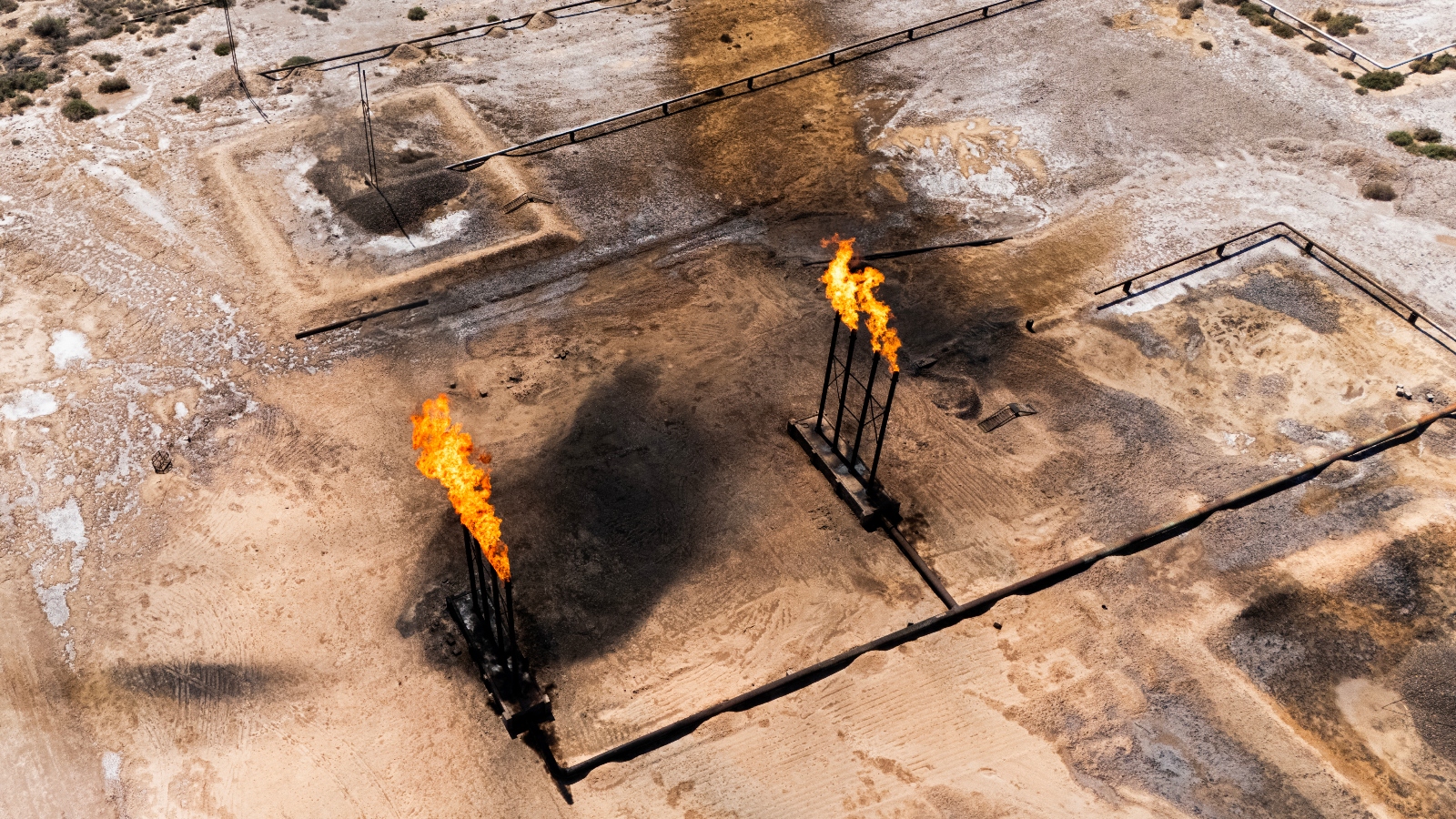
The Strait of Hormuz stands as a critical bottleneck for global energy markets, facilitating the passage of over 20 percent of the world’s oil supply, including exports from major producers such as Iran, Iraq, Kuwait, and Saudi Arabia. Equally significant is Qatar’s role as a leading global exporter of liquefied natural gas (LNG), responsible for approximately one-fifth of the world’s supply, which is transported in superchilled tanks via maritime routes. The recent escalations in the conflict, including Iran’s drone attacks that have reportedly damaged Qatar’s key gas infrastructure, have effectively paralyzed shipments of both oil and LNG through this vital waterway.
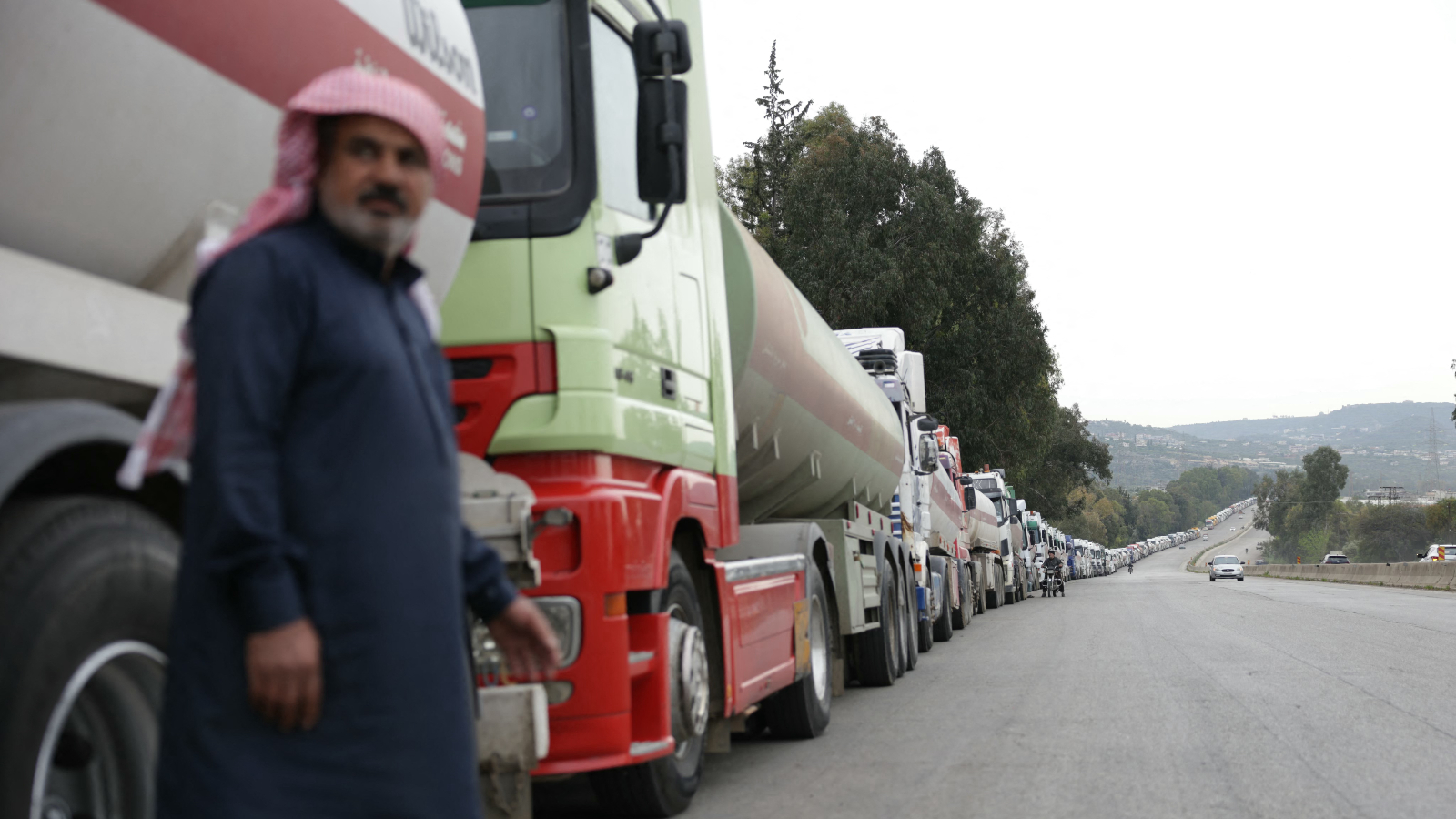
Asia, a primary recipient of oil from the region, finds itself at the epicenter of this disruption, but the impact reverberates globally, reaching as far as the United States. The initial month of the conflict triggered a frantic effort to secure alternative supplies. Major importers like China and Japan resorted to stockpiling refined oil products that they would typically export and began drawing down their strategic fuel reserves. Wealthier nations such as Australia and California faced increased costs to secure seaborne oil from less directly affected sources.
For many nations, particularly those lacking the financial wherewithal of major economies, the primary recourse has been to reduce oil consumption. In Asia, the loss of LNG exacerbates the crisis profoundly. Several key Asian economies, including Japan, South Korea, and Singapore, rely heavily on LNG to power their industrial sectors and electricity grids. The long-term contractual nature of LNG shipments means that there are limited spare cargoes available to quickly fill the void left by Qatar’s disrupted exports. Consequently, to maintain essential services, these countries have been compelled to re-engage with coal-fired power generation, a significantly more polluting energy source.
The United States, as the world’s other major LNG exporter, has seen a potential, albeit constrained, benefit from Qatar’s disruption. LNG exporters with available capacity could command premium prices from desperate importing nations. However, the capacity for the U.S. to significantly increase its LNG exports is limited by the substantial lead times required for constructing new liquefaction facilities, which can take years. Existing plants are already operating at peak capacity. Anne-Sophie Corbeau, a researcher at Columbia University’s Center on Global Energy Policy and formerly head of gas analysis at BP, noted that the ongoing volatility has cast a shadow over the fuel’s previously strong appeal. "If you are an LNG importer and you are looking at the global market, you’re thinking, ‘do I want to be exposed in that way?’" she commented.
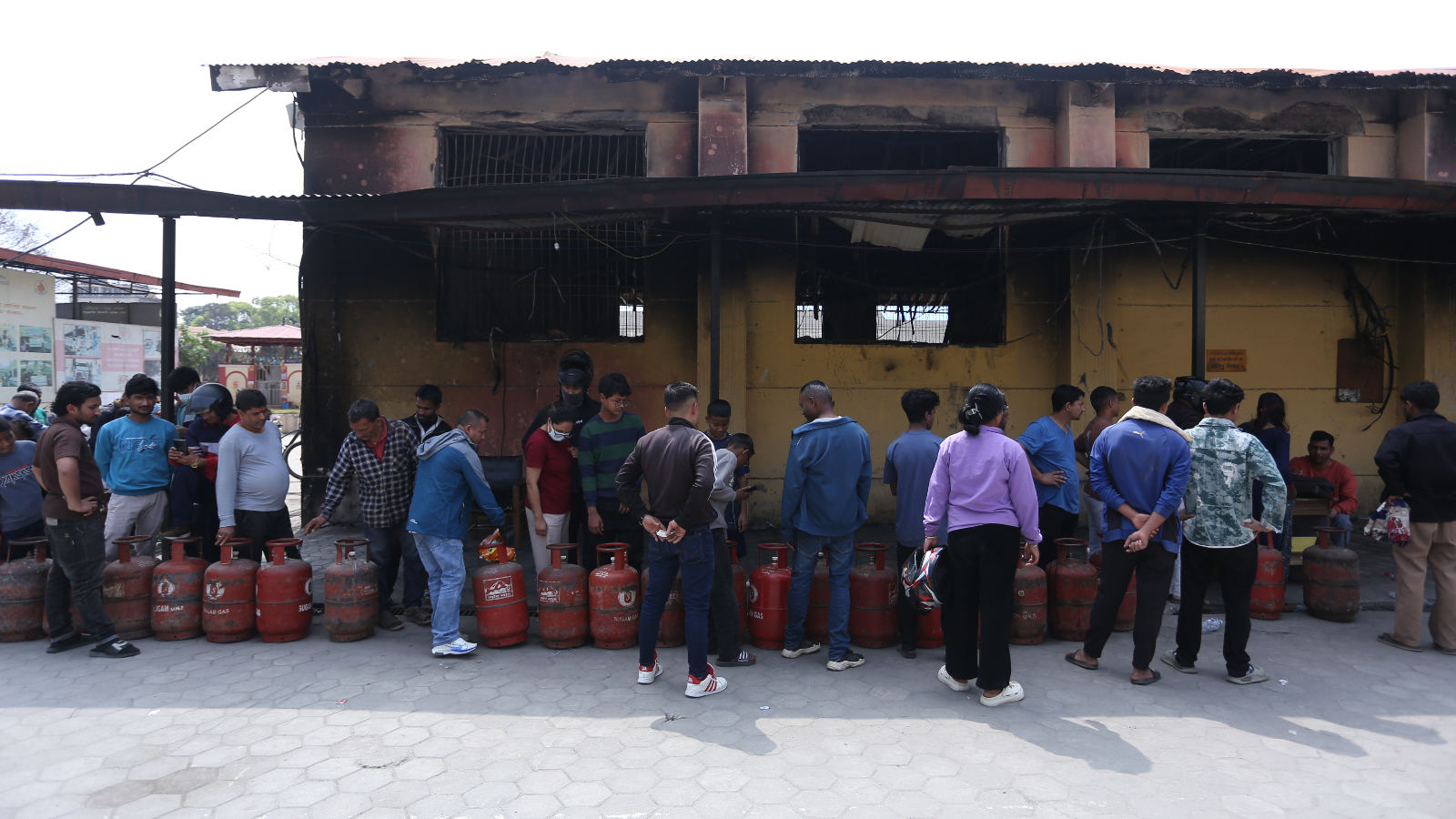
In response to the escalating crisis, governments across Asia have implemented a range of measures to curb oil and natural gas consumption. These include lower speed limits, mandated remote work policies, adjusted thermostat settings to reduce air conditioning use despite hot weather, and encouraging employees to opt for stairs over elevators. Furthermore, governments have introduced measures such as fuel tax waivers and price increase bans to prevent widespread affordability crises. While these interventions have helped to contain social unrest and economic collapse for the immediate term, further warning signs are emerging. Airlines in Europe, Africa, and New Zealand have been forced to cancel hundreds of flights due to soaring jet fuel prices, and smaller carriers in the U.S. are facing potential bankruptcy as fuel costs climb.
In the longer term, the oil crisis is likely to accelerate the pre-existing trend towards electric vehicles (EVs) and hybrid vehicles, which have already begun to outsell gasoline-powered cars in many European and Asian markets. In the first month of the conflict, EV sales saw a significant surge, increasing by over 50 percent in major European economies like France and Germany, and by an impressive nearly 200 percent in Brazil. While internal combustion engine vehicles still constitute the vast majority of the global fleet, a rapid transition to EVs, potentially bolstered by government mandates such as Indonesia’s recent policies, could lead to a plateau or even a decline in oil demand in the coming years.
Winners: Coal’s Resurgence, Solar’s Ascendancy, and Nuclear’s Reconsideration
Coal: A Dirty Bridge to Nowhere?
Coal, the most environmentally damaging fossil fuel, releases significantly more carbon dioxide per unit of energy generated than oil or natural gas. While major economies like China and India continue to rely heavily on coal, many other nations have been transitioning towards LNG and renewables over the past decade to reduce their emissions. Crucially, most of these nations had not fully decommissioned their legacy coal-fired power plants; they had simply retired them from active service. The current energy crisis has enabled many Asian countries to reactivate this dormant coal capacity to compensate for lost LNG imports. South Korea, for instance, has lifted previous emissions restrictions that capped coal plant operation at 80 percent of capacity, allowing them to generate power at their maximum potential. On the other side of the globe, European nations like Italy are extending the operational lifespans of their coal plants, in some cases by over a decade.
"The real question is how governments balance short-term energy security with long-term climate commitments," observed Dinita Setyawati, a Jakarta-based analyst for Ember specializing in decarbonization in Asian economies.
While most energy experts anticipate a continued long-term decline in coal’s share of primary energy consumption, Corbeau suggests that the current crisis could prolong its lifespan in Asia, potentially disrupting the role of natural gas as a transitional fuel between coal and renewables. "They could definitely keep coal, add more renewables, and do less LNG in the end," she stated. "It may be that a lot of countries say that coal is a lot less subject to geopolitics, therefore we are going to use more coal."
Solar Power: A Bright Spot in a Dimming Market
No renewable energy source appears better positioned to capitalize on the current global energy crunch than solar power. Even before the conflict, solar farms represented the vast majority of newly commissioned power plants. China’s exports of solar panels, batteries, and electric vehicles reached record highs in March, according to recent export data. China is by far the world’s leading exporter of renewable energy technology.
The regions most acutely affected by the war in Iran are also experiencing the "sharpest increases in demand" for these renewable energy products, according to Ember. Chinese battery exports surged by 44 percent, with the European Union, Australia, and India being the leading purchasers. The flow of solar components to India saw a significant increase of 6.6 gigawatts between February and March, representing a nearly 150 percent rise. Solar exports to Africa also climbed by 176 percent over the same period, with Nigeria, Kenya, and Ethiopia leading the surge with over a gigawatt of growth each. In total, 50 countries set new records for Chinese solar imports in March.
Following a slight contraction in the European solar market last year, demand for rooftop solar installations across the continent is now booming as electricity bills escalate, according to a report from Reuters. Major energy equipment wholesalers have reported sales spikes exceeding 30 percent, with one company experiencing a tripling of net sales in March. The European Commission, which recently released a communication advocating for increased electrification, renewables, and energy efficiency measures to counter the ongoing energy shortage, is expected to present proposals to energy ministers next month on strategies to reduce short-term fossil fuel exposure.
In Vietnam, a company that had planned to construct a 4.8-gigawatt LNG plant, which would have been the country’s largest, has canceled those plans and now intends to build a facility integrating wind power, battery storage, and solar energy. South Korea has unveiled an accelerated plan to deploy 100 gigawatts of renewable energy by 2030, including approximately $270 million in low-interest loans for community solar projects. For context, 100 gigawatts is sufficient electricity to power Ho Chi Minh City ten times over.
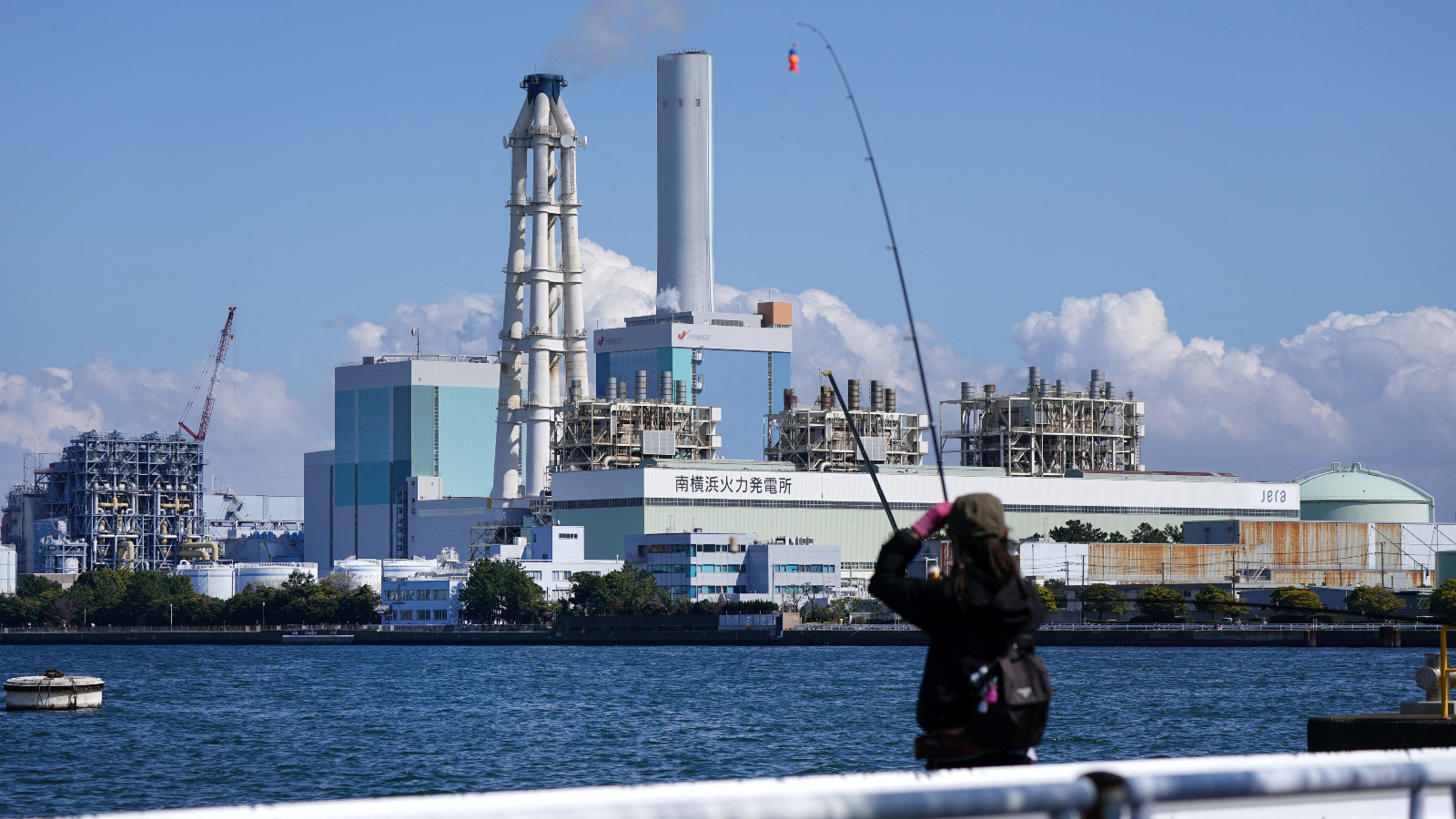
While solar power is emerging as a clear beneficiary of the Middle East’s energy bottleneck, the outlook for wind power is more complex. The German wind turbine manufacturer Nordex experienced its shares reaching a 24-year high in the first quarter of 2026, reflecting the sustained demand for clean energy in Europe. However, the blockades in the Strait of Hormuz could impede the delivery of crucial wind turbine components, such as foundations and substations, many of which are manufactured in the Persian Gulf. This logistical challenge could temper the growth of wind power, even as European nations and the United Kingdom express a desire to expand their wind energy capacity.
Nuclear Power: A Controversial Comeback?
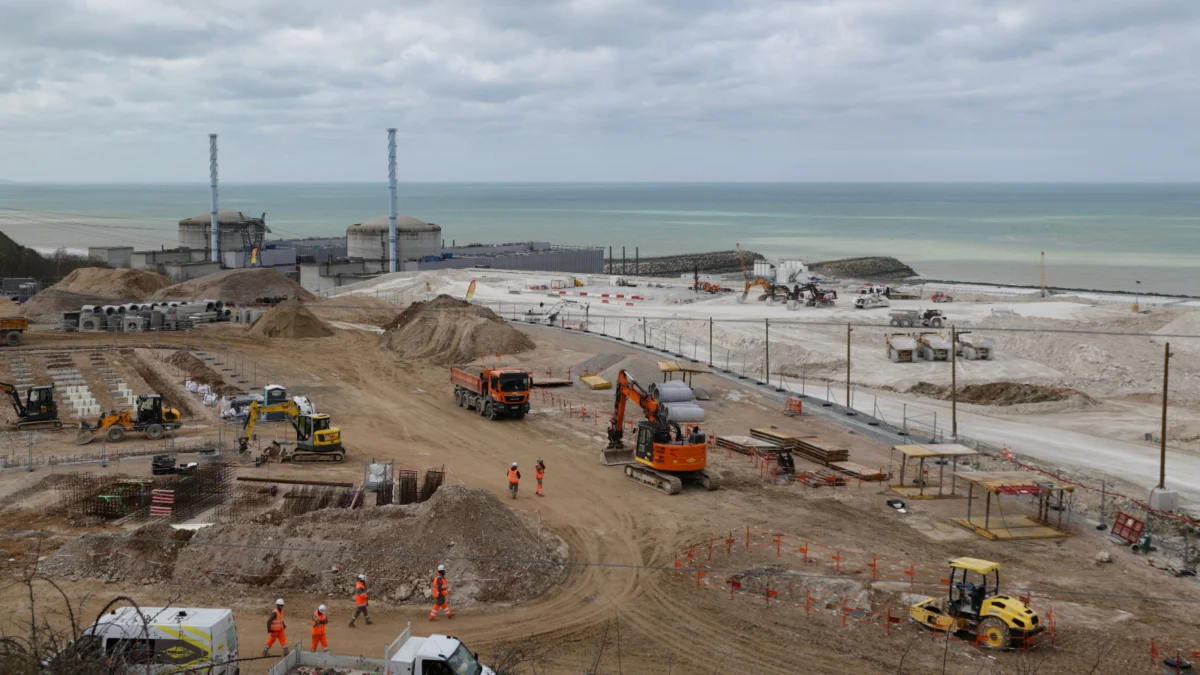
Potentially the most significant, albeit controversial, winner in this energy realignment could be nuclear power. For decades, the expansion of nuclear energy has been constrained by high costs, lengthy development timelines, and public apprehension stemming from incidents like the 2011 Fukushima disaster. In Europe, pressure from anti-nuclear environmental groups led many countries to phase out their nuclear power fleets, resulting in nuclear power’s share of global electricity generation reaching a four-decade low in 2022.
While anti-nuclear sentiment had begun to soften prior to the recent conflict, the war in Iran is accelerating this trend. Nations that have historically shunned nuclear power are now re-evaluating its role in providing reliable, carbon-free baseload electricity. Early indicators of a nuclear resurgence are most pronounced in Asia, a region heavily reliant on Middle Eastern oil and gas. In Taiwan, which sources a third of its LNG from Qatar, the state utility formally submitted a restart plan for its Maanshan nuclear plant shortly after the conflict began.
South Korea, already drawing approximately 30 percent of its electricity from nuclear sources, has signed a cooperative agreement with Vietnam to jointly develop new nuclear capacity, building on discussions initiated last year. Japan, after restarting the Kashiwazaki-Kariwa nuclear plant, the world’s largest, in January, has also entered into a $40 billion agreement to construct advanced small modular reactors in the American South. Concurrently, Japan signed a five-year memorandum of cooperation with Indonesia aimed at advancing nuclear power and critical mineral development.

Across Europe, there is a growing momentum to delay nuclear phase-outs and explore capacity expansion. European Commission President Ursula von der Leyen remarked in March that it was a "strategic mistake for Europe to turn its back on a reliable, affordable source of low-emissions power," announcing a $232 million fund to stimulate private investment in new nuclear technologies. The Commission has cautioned member states, including Spain and Belgium, against prematurely decommissioning nuclear power plants. In Africa, countries such as Kenya, Rwanda, and South Africa have reaffirmed their commitment to nuclear energy, with nearly half of the continent’s nations possessing long-term nuclear development plans prior to the current crisis. Belgium’s government has initiated negotiations to assume control of a fleet of nuclear reactors that the utility Engie had planned to shut down, with Prime Minister Bart De Wever stating, "All decommissioning activities are being halted with immediate effect."