
Justin Smarsh, a resident of Cherry Tree, Pennsylvania, once found solace and recreation on the rivers and in the woods surrounding his home, a landscape shaped by the Appalachian Plateau northeast of Pittsburgh. He spent countless hours outdoors, passing on his love for nature to his two sons through hunting. Today, however, Smarsh’s life is defined by a debilitating struggle for breath. He describes feeling "suffocated just walking," plagued by a persistent dry cough and gasping for air even with simple tasks like tying his shoes. His active outdoor life has been replaced by the grim reality of progressive massive fibrosis, the most severe form of coal workers’ pneumoconiosis, commonly known as black lung disease.
Smarsh, now 42, followed in the footsteps of his father and grandfather, taking a job in a local coal mine shortly after graduating high school. "It was the best-paying job around," he stated, adding, "It still is." This financial incentive, however, came at a devastating cost. There is no cure for his condition. While he manages the progression with a regimen of medications, doctors have informed him that his prognosis is grim, with a life expectancy unlikely to extend beyond 50. Advanced stages of the disease can lead to heart failure, and even a common cold can become life-threatening, causing lungs to fill with fluid.
Deanna Istik, CEO of Lungs at Work, a black lung clinic in Washington County, Pennsylvania, observes a disturbing trend: "Most people think coal mining is a thing of the past. Meanwhile, we see more people being diagnosed with black lung disease than we ever have before." This sentiment is echoed by medical professionals and advocates who are witnessing a dramatic increase in cases, particularly among younger miners, a stark departure from historical patterns.
The Evolving Threat: From Coal Dust to Crystalline Silica
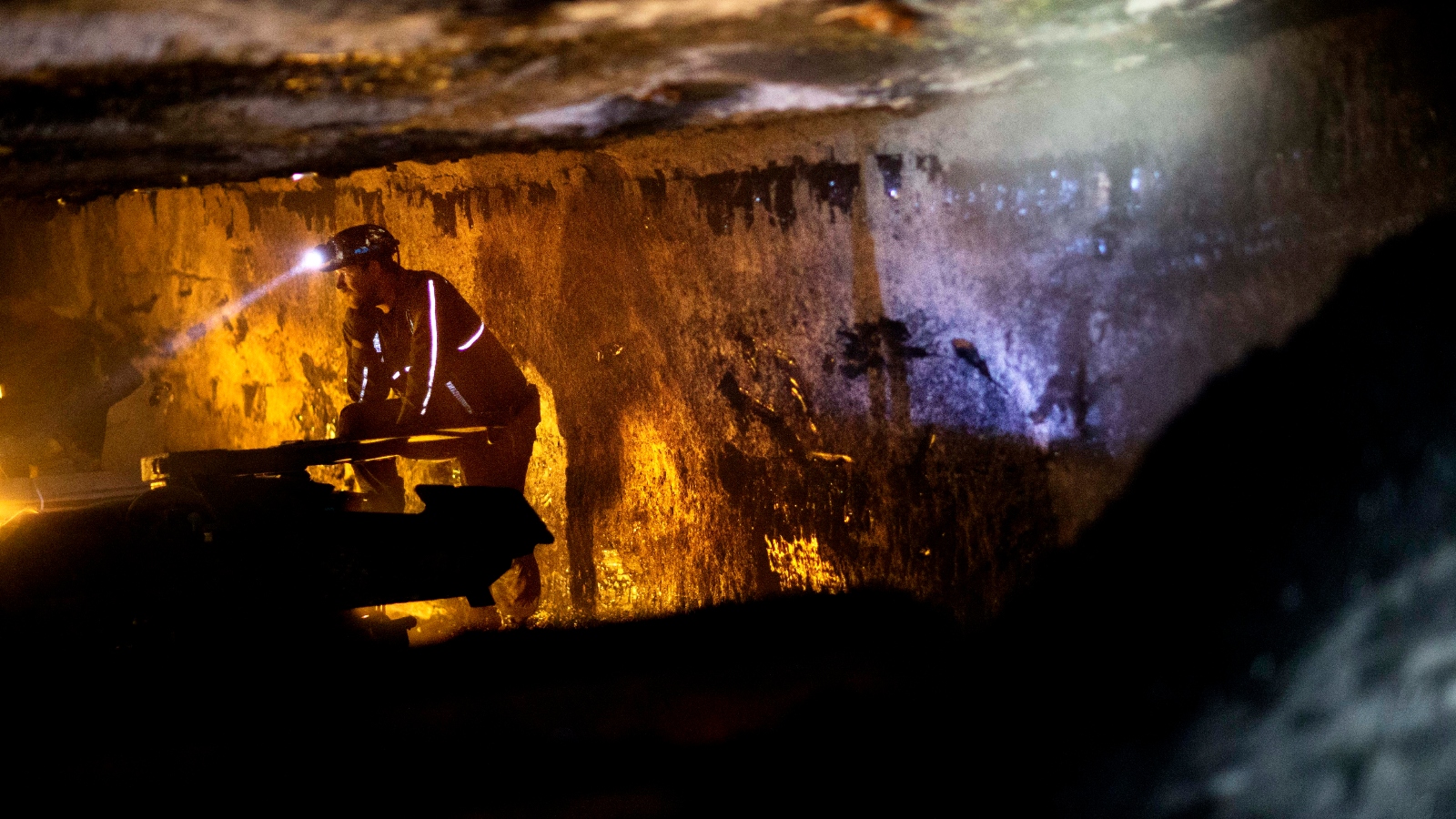
Coal mining has always been an inherently dangerous profession, but the current generation of miners faces a distinct and more insidious threat. While coal dust has long been the primary culprit, leading to the formation of nodules and scar tissue in the lungs, the composition of the inhaled particles has changed. As the easily accessible, high-quality coal seams in Appalachia have dwindled, miners are now increasingly forced to extract coal from thinner seams that are often intertwined with rock formations rich in quartz. The process of excavating this rock, particularly with modern high-powered machinery, pulverizes it into crystalline silica, which is then released into the mine air.
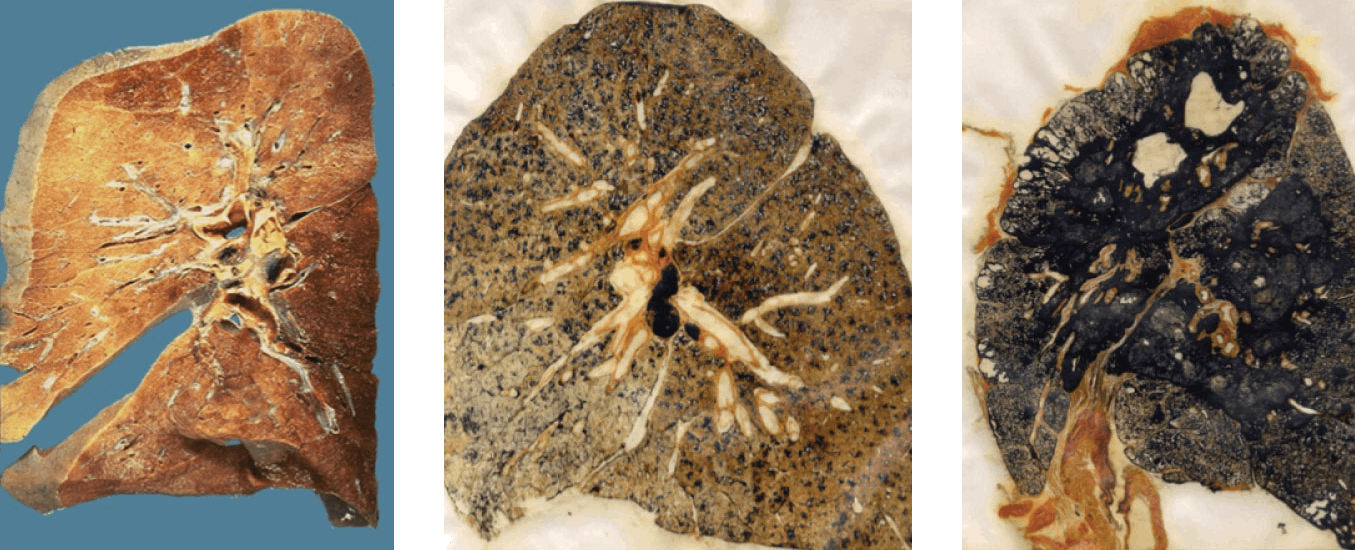
Crystalline silica, when inhaled, acts like microscopic shards of glass. These ultra-fine particles embed themselves in the lung tissue, triggering a severe inflammatory response and extensive scarring. This process is a direct pathway to progressive massive fibrosis. Researchers from the National Institute for Occupational Safety and Health (NIOSH) estimate that approximately one in ten working miners who have spent at least 25 years in the mines now suffer from this advanced form of black lung. The alarming rise in these diagnoses has led to a surge in lung transplants and a concerning increase in mortality rates. Between 2013 and 2017, hundreds of progressive massive fibrosis cases were identified at just three clinics in Virginia, prompting NIOSH to declare a resurgence of the black lung epidemic. Data indicates that while black lung-associated deaths had declined between 1999 and 2018, they began to rise again between 2020 and 2023.
This escalating health crisis occurs at a time when political discourse in the United States has seen a renewed focus on coal production. The Trump administration, in particular, has advocated for expanding the coal industry. In the fall of a recent year, the U.S. Department of Energy announced a significant investment of $625 million in coal projects. Furthermore, President Trump signed an executive order designating coal as essential to national security, a move intended to channel billions of dollars in federal funding towards the industry. However, this push for increased coal production has been accompanied by delays in implementing new regulations aimed at protecting miners from the deadly effects of silica exposure.
A Historical Perspective: From Eradication to Resurgence
The fight against black lung disease has a long and arduous history. The illness was officially recognized as a workplace-related illness in the United States only in the late 1960s, following a catastrophic mine disaster in West Virginia that claimed the lives of 78 miners. This tragedy, along with subsequent strikes and widespread protests by miners and their unions, spurred the passage of the landmark 1969 Coal Mine Health and Safety Act. This legislation established federal safety inspections for mines, imposed fines for violations, and created a benefits program to compensate miners afflicted with black lung.
The impact of these measures was profound. Rates of black lung disease began to decline almost immediately. By the close of the 20th century, robust enforcement of safety standards and the strong presence of unions in mines across Pennsylvania and Appalachia had brought the disease to the brink of eradication.
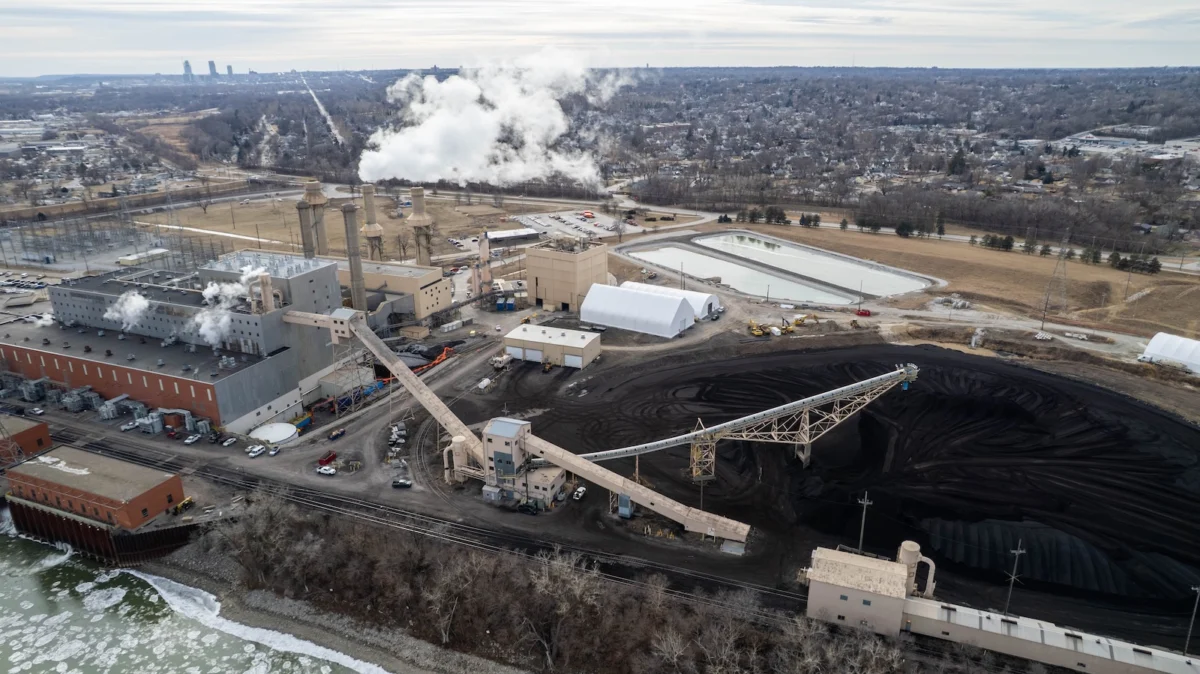
However, the landscape of coal production has shifted dramatically in recent decades. U.S. coal production peaked in 2008 at over 1,170 million tons, according to the U.S. Energy Information Administration. By 2023, this figure had fallen by more than 50 percent to 578 million tons. Despite this national decline, the coal industry remains a significant economic force in certain regions. In Pennsylvania, for example, a 2024 report by the Pennsylvania Coal Alliance highlighted that coal mining still supports over 5,000 jobs and contributes approximately $2.2 billion to the state’s economy. Nationwide, nearly 40,000 individuals remain employed in coal mining.
Underdiagnosis and the Fear of Retribution
Despite the ongoing diagnoses, many experts and advocates believe that black lung disease remains significantly underdiagnosed. A pervasive fear of losing their jobs prevents many miners from undergoing the necessary testing. "I think there’s always going to be that fear of retribution," stated Istik. The debilitating symptoms, however, eventually force miners to seek medical attention. Justin Smarsh, a patient at Lungs at Work, only sought help for his breathing difficulties after his wife, Alicia, insisted he had no other choice.
Clinics like Lungs at Work are increasingly treating younger patients, like Smarsh, who are developing severe illness in their 30s and 40s. In previous generations, it often took decades of exposure to coal dust for miners to develop serious disease, if they contracted it at all. Smarsh himself noted the contrast: "My dad and my pap were both miners, and they didn’t get it. So, I thought, ‘Who says I’m going to?’" This generational difference underscores the heightened danger posed by the increased silica content in contemporary mining operations, where disabling illness can manifest in a much shorter timeframe.
Regulatory Battles and the Fight for Safer Air
Smarsh’s primary role in the mine was as a roof bolter, a position that involved drilling into rock to install supports and prevent cave-ins. This work exposed him directly to significant amounts of silica dust. After eight years underground, his lung condition became so severe that he could no longer work and struggled to walk across his yard without an inhaler.
The dangers of silica dust have been understood by experts for decades. As early as the 1970s, NIOSH proposed regulations to limit silica exposure to 50 micrograms per cubic meter of air, averaged over a 10-hour workday. In 2016, the Occupational Safety and Health Administration (OSHA) adopted this 50-microgram standard for other industries, such as construction and manufacturing. However, the Mine Safety and Health Administration (MSHA), responsible for enforcing safety standards in mines, responded to industry pressure by initially setting the limit for mining at 100 micrograms over an eight-hour workday in 2017.
Following a protracted negotiation process involving mining industry lobbyists, legal groups, and scientific experts, MSHA announced in early 2024 a new rule to reduce the permissible silica exposure limit in mines to 50 micrograms, with enforcement slated to begin in April 2025. This new rule would mandate that mine operators implement "engineering controls," such as advanced ventilation systems, as the primary method for meeting the standard. "Administrative controls," including clothing decontamination and designated dust-free zones, could supplement these measures.
The National Mining Association and other industry groups immediately mounted a legal challenge, arguing that if ventilation systems alone could not bring silica levels below the 50-microgram threshold, operators should be permitted to require miners to wear respirators to achieve compliance. However, Istik emphasized the limitations of respirators: "Respirators are really the last line of defense, because they aren’t foolproof. Silica is such a small particle; it still comes through."
Smarsh himself wore a respirator intermittently during his time underground, but he admitted there were occasions when it impeded his vision or breathing, leading him to remove it. "Anytime you’re underground, you see dust," he recalled. "But it’s not the dust you see that gets you. It’s the little stuff you don’t see."
Erin Bates, communications director for the United Mine Workers of America, stated that the responsibility for ensuring a safe work environment lies with the company, not the individual miner. "It should not be the coal miner’s responsibility not to get black lung," she asserted.
Budget Cuts and Regulatory Delays
The Trump administration’s tenure saw a reduction in MSHA’s budget and staffing. This agency had already been operating under considerable strain. Data from the Appalachian Citizens’ Law Center revealed that MSHA’s coal mine enforcement staff had been cut by half over the preceding decade. The American Federation of Government Employees reported that a significant portion of the agency’s full-time workforce accepted buyouts, and job offers for newly hired mine inspectors were rescinded. These developments raised concerns among black lung experts and advocates about the diminished agency’s capacity to effectively implement the new silica exposure rule.
Just days before the scheduled April 2025 enforcement date for the new silica rule, the measure faced two significant setbacks. The 8th U.S. Circuit Court of Appeals granted an emergency stay of the rule in response to a petition filed by the National Stone, Sand & Gravel Association. Concurrently, MSHA announced its own decision to delay implementation, citing the need to provide operators with additional time to achieve compliance.
The litigation surrounding the rule has remained in a state of flux. In November of the following year, MSHA filed a motion to pause legal proceedings as it initiated a "reconsideration" of certain aspects of the rule. More recently, the agency announced that the delay would be extended "indefinitely" pending judicial review. MSHA did not respond to requests for comment.
Bates expressed the union’s profound disappointment, stating, "The agency was literally created for the health and safety of coal miners, but they don’t want to take that into consideration." Rebecca Shelton, policy director for the Appalachian Citizens’ Law Center, which has championed a new silica rule since the late 2000s, voiced her organization’s concern that the rule might face challenges, especially given the political climate. She attributed the delays to intense lobbying efforts and MSHA’s need to study the rule’s impact across various mining sectors.
"If the Trump administration actually cared about protecting coal miners from black lung, we’d have a strong silica rule in place right now," Shelton stated in a release from her center following MSHA’s indefinite delay announcement. "Instead, they are hiding behind a ridiculous legal process to delay action while miners get sick and die."
A Legacy of Risk and Diminished Trust
Justin Smarsh’s 19-year-old son has expressed an interest in working in the coal mines. "Me and my wife tell him all the time, you see what I’m going through? All the good coal that was around here is gone. Now there’s nothing but rock and silica," Smarsh shared, illustrating the stark reality of the current mining environment. Beyond the physical dangers, Smarsh has lost faith in the coal companies’ commitment to miner safety. "All they’re worried about is ‘you better have that black gold,’" he lamented. "They say they care about miners, but you go underground, you’re taking the risk, for you to get nothing but sick, and to fill their pockets full." This sentiment captures the profound disconnect between the industry’s economic imperatives and the devastating human cost borne by its workforce.