
The sudden eruption of hostilities, initiated by a joint military operation between the United States and Israel targeting Iran, has sent seismic shockwaves through the global energy markets. This conflict has critically disrupted the supply chain, affecting an estimated 20 percent of the world’s oil and liquefied natural gas (LNG) reserves. While the immediate geopolitical ramifications are stark, the long-term implications for the global fight against climate change remain a subject of intense scrutiny. However, two recently released reports offer a crucial pre-conflict baseline, illuminating the trajectory of global energy consumption and the diminishing, yet still significant, role of fossil fuels. These analyses, published by the International Energy Agency (IEA) and the think tank Ember, paint a picture of a world poised for a significant energy shift, one where electricity, increasingly sourced from renewables, was already beginning to supplant traditional hydrocarbon dependence.
Entering the "Age of Electricity"
The core finding of both the IEA and Ember reports is that the global economy is transitioning into what they term an "age of electricity." This signifies a fundamental reorientation where key economic activities traditionally reliant on the direct combustion of oil and gas are increasingly being electrified. From personal transportation, with the burgeoning adoption of electric vehicles (EVs), to the heating and cooling of buildings, and even complex industrial processes such as steelmaking, the reliance on electrical power is growing. Critically for the climate agenda, a substantial and accelerating portion of this expanding electricity demand is being met by renewable energy sources, including solar, wind, and hydropower.
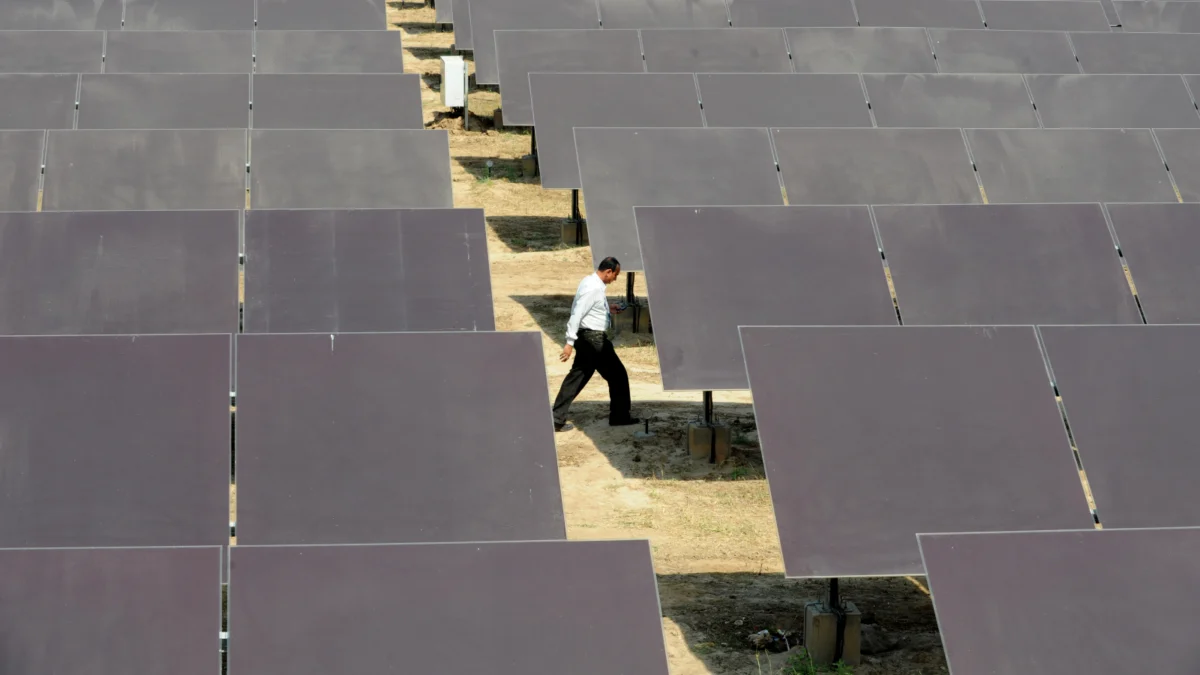
This trend was particularly pronounced in 2025, which the reports highlight as a landmark year for renewable energy deployment. Solar power emerged as the dominant source for meeting humanity’s escalating electricity needs. More remarkably, new power generation capacity from all carbon-free sources – encompassing wind, nuclear, and hydropower – collectively surpassed the overall increase in global electricity demand. This crucial development indicates that renewables are not merely keeping pace with growing energy needs but are actively beginning to displace fossil fuel-based generation. If this momentum is sustained, it suggests that the long-discussed "energy transition," aimed at mitigating the existential threat of climate change, is moving from theoretical discussions to tangible reality.
"This was a year when the economy boomed, electricity demand grew very healthily – and still all that demand growth was met with renewables," stated Daan Walter, a lead researcher at Ember, underscoring the significance of this development. This observation implies a decoupling of economic growth from escalating fossil fuel consumption for electricity generation, a pivotal achievement in the fight against climate change.
A Milestone Year for Renewables
In 2025, a historic shift occurred as renewable energy sources collectively edged out coal as the primary contributor to global electricity generation for the first time in over a century. This significant advancement was propelled by the rapid expansion of renewable infrastructure in China and India, the world’s two most populous nations. These countries, which together account for approximately 42 percent of global fossil fuel-based power generation, both experienced a decline in electricity generated from fossil fuels in 2025, a phenomenon not seen this century. Both nations have been aggressively investing in and deploying solar, wind, and battery storage technologies. The economic viability of these technologies has been further bolstered by a dramatic decrease in battery costs, which fell by 45 percent in 2025, a steeper decline than the 20 percent drop observed in 2024. This rapid cost reduction makes energy storage more accessible and further enhances the competitiveness of renewable energy.
Further evidence of 2025 marking a turning point in the energy transition, as detailed in the Ember report, is that the plateauing of fossil fuel use was not correlated with an economic recession. The report indicates that global economic growth in 2025 was within normal parameters. This suggests that the growth of renewable energy is driving a structural shift away from fossil fuels for electricity generation, independent of cyclical economic downturns. This is a critical distinction, as previous reductions in fossil fuel reliance were often linked to periods of economic contraction, making their sustainability questionable.
Persistent Fossil Fuel Reliance Beyond Electricity
Despite the encouraging progress in electricity generation, the broader energy economy remains significantly reliant on fossil fuels. The IEA’s report cautions that when considering all energy consumption – not solely electricity generation – renewables are not yet displacing fossil fuels at a pace sufficient to force a sustained global decline in the use of greenhouse gas-emitting energy sources. This is primarily because a substantial portion of global energy demand, including that powering aviation, maritime shipping, and many forms of road transport, is not yet electrified and continues to depend on oil and gas.
A Complex Picture for Global Emissions
Consequently, global carbon dioxide (CO2) emissions reached a record high in 2025, increasing by 0.4 percent compared to 2024 levels. However, the rate of this increase is showing signs of deceleration as the deployment of renewables accelerates. Historically, emissions reductions were largely driven by developed nations such as the United States and member states of the European Union. In a notable reversal of this trend, 2025 saw emissions from advanced economies grow at a faster rate than those from developing countries, a development not witnessed since the 1990s, according to the IEA.
This trend reversal in developed nations was largely attributable to a surge in coal demand in the United States, which rose by 10 percent last year. This resurgence in coal consumption was a direct consequence of rising natural gas prices, which incentivized power producers to revert to coal, a fuel source that had been largely displaced by the proliferation of cheaper, fracked natural gas in recent years. Furthermore, increased electricity consumption in the U.S. was driven by a severe winter across much of the eastern half of the country, coupled with the growing demand from energy-intensive industrial applications, such as the data centers required to support the rapid expansion of artificial intelligence (AI) technologies. The insatiable energy demands of AI infrastructure represent a new and significant challenge in the transition to cleaner energy sources.
Developing Nations Lead the Charge in Electromobility
Conversely, positive trends in developing countries offered a counterpoint to the rising emissions in advanced economies. Indonesia, for instance, has witnessed a remarkable surge in electric vehicle adoption. EVs now constitute over 15 percent of new car sales in Indonesia, a figure that surpasses the market share in the United States and represents a dramatic increase from virtually zero in the early 2020s. A significant portion of Indonesian consumers are "leapfrogging" traditional gasoline-powered vehicles, opting directly for EVs as their first personal transportation purchase. This phenomenon highlights a dynamic where developing economies are not merely following the energy transition but are often leading in specific technological adoption.
"The energy transition was conceived as something that is led by the developed world, and the developing world kind of hobbles after at a slower pace," commented Walter. "We’re now seeing ‘leapfrogging’ across the world where actually developing economies are going faster in many ways than developed economies." This observation suggests a potential paradigm shift in global energy dynamics, with emerging markets playing a more pivotal role in shaping the future of energy consumption.
The Unforeseen Geopolitical Impact on Energy Markets
The recent military escalation involving Iran, a major oil-producing nation, has introduced a significant and unpredictable variable into the global energy landscape. The disruption of 20 percent of global oil and LNG supplies has inevitably led to a sharp increase in energy prices. This price shock has the potential to both accelerate and impede the energy transition. On one hand, higher fossil fuel prices could make renewable energy sources more economically competitive, thereby incentivizing further investment and adoption. On the other hand, the immediate economic strain caused by elevated energy costs could lead to reduced consumer spending on new, albeit potentially more expensive, green technologies, and could pressure governments to prioritize energy security over climate goals in the short term.
The geopolitical ramifications of this conflict could also influence global energy investment patterns. Countries may seek to diversify their energy sources and supply chains, potentially leading to increased investment in domestic renewable energy projects and energy independence initiatives. However, the immediate need to stabilize energy markets could also result in increased reliance on existing fossil fuel infrastructure in the short to medium term, particularly if alternative supplies are difficult to secure.
The timing of this conflict is particularly sensitive, occurring as the world was beginning to see tangible evidence of a shift away from fossil fuels in electricity generation. The disruption to oil and gas markets could create significant economic headwinds for nations heavily reliant on fossil fuel exports, while simultaneously benefiting those that are net importers and can leverage renewable alternatives. The long-term impact will depend on the duration and intensity of the conflict, as well as the policy responses adopted by governments worldwide.
Future Outlook and Challenges
The reports from the IEA and Ember provide a crucial snapshot of the global energy landscape on the cusp of a new geopolitical crisis. While the progress in renewable energy deployment, particularly in electricity generation, offers grounds for optimism, the persistent reliance on fossil fuels in other sectors and the recent uptick in emissions from developed nations highlight the substantial challenges that remain. The conflict in Iran adds a layer of complexity, with the potential to either accelerate or hinder the global energy transition depending on how nations respond to the immediate energy security concerns and the long-term economic and environmental implications. The coming months and years will be critical in determining whether the world can navigate these turbulent times and maintain its trajectory towards a more sustainable energy future. The "age of electricity" may be dawning, but its full realization will require sustained commitment and strategic adaptation in the face of unprecedented global challenges.