
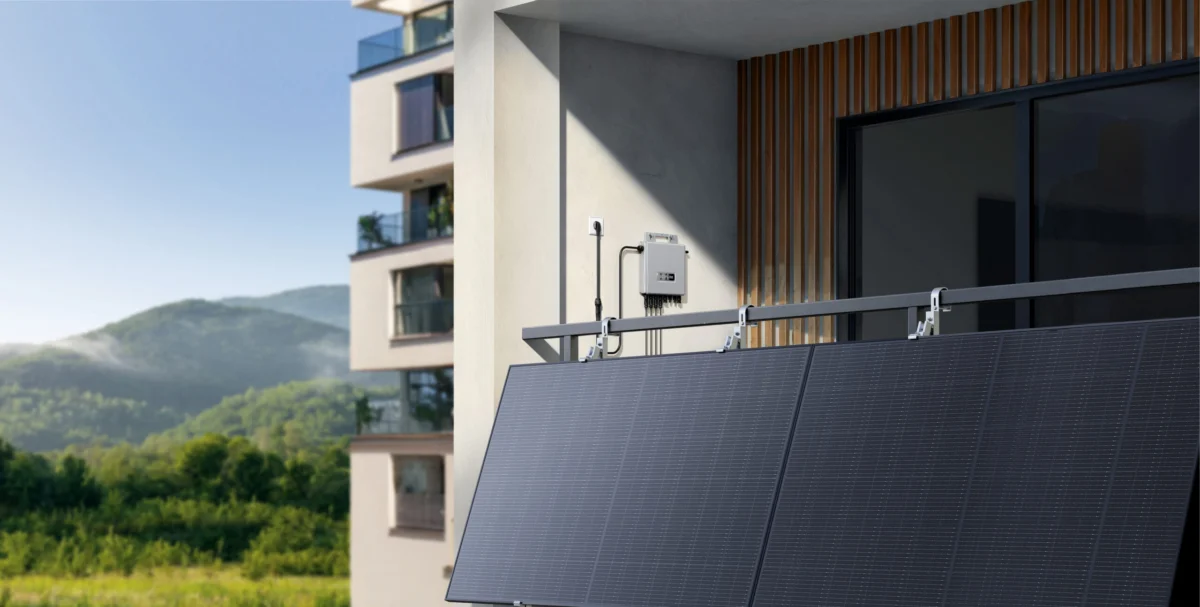
Utah state Representative Raymond Ward, inspired by a New York Times article detailing a burgeoning trend in Europe, has become a pivotal figure in a quiet revolution in home energy generation. His initiative, culminating in a groundbreaking Utah law, is paving the way for affordable and accessible solar power for a wider range of Americans through plug-in solar panels, often dubbed "balcony solar." This innovative technology allows individuals to generate their own electricity by simply plugging solar panels into a standard household outlet, offering a cost-effective alternative to expensive rooftop installations and potentially lowering utility bills. The widespread adoption of this technology in Europe, particularly in Germany, has served as a compelling model, and Utah’s legislative action has ignited interest across the United States.
The Genesis of a Legislative Idea
Representative Ward’s inspiration struck while reading about the significant impact of plug-in solar panels in Germany. The New York Times reported that in a matter of months, these balcony-mounted systems contributed an additional 10 percent to Germany’s solar grid capacity. This surge in decentralized energy generation occurred at a critical juncture, coinciding with disruptions in energy supplies stemming from Russia’s conflict with Ukraine, highlighting the potential for distributed solar to bolster energy resilience. Ward recognized the immense potential of this concept for American households, particularly for those seeking to harness solar energy without the substantial financial commitment of a traditional roof installation.
"It’s great for anyone who wants a little solar power but does not want to pay $30,000 for a roof install," Ward, a Republican, stated, underscoring the economic appeal of the technology.
Utah’s Pioneering Legislation: HB 340
The legislative embodiment of Ward’s vision came in the form of House Bill 340 (HB 340), which was passed by the Utah legislature last year with unanimous, bipartisan support. This landmark legislation made Utah the first state in the nation to explicitly permit residents to plug solar energy systems directly into their residential electrical outlets. The bill’s passage was a significant step forward, removing regulatory hurdles that had previously confined solar energy adoption to more complex and costly installations.
A Ripple Effect Across the Nation
The success of HB 340 in Utah has acted as a catalyst, inspiring similar legislative efforts in numerous other states. According to data compiled by Bright Saver, a lobbying group dedicated to promoting plug-in solar, at least 30 other states, along with the District of Columbia, have since introduced or considered legislation mirroring Utah’s pioneering approach.
Cora Stryker, a co-founder of Bright Saver, a California-based nonprofit, expressed her gratitude for Utah’s leadership. "Thank you, Utah," Stryker remarked. "It’s a common-sense, no-brainer thing that should keep sweeping the country."
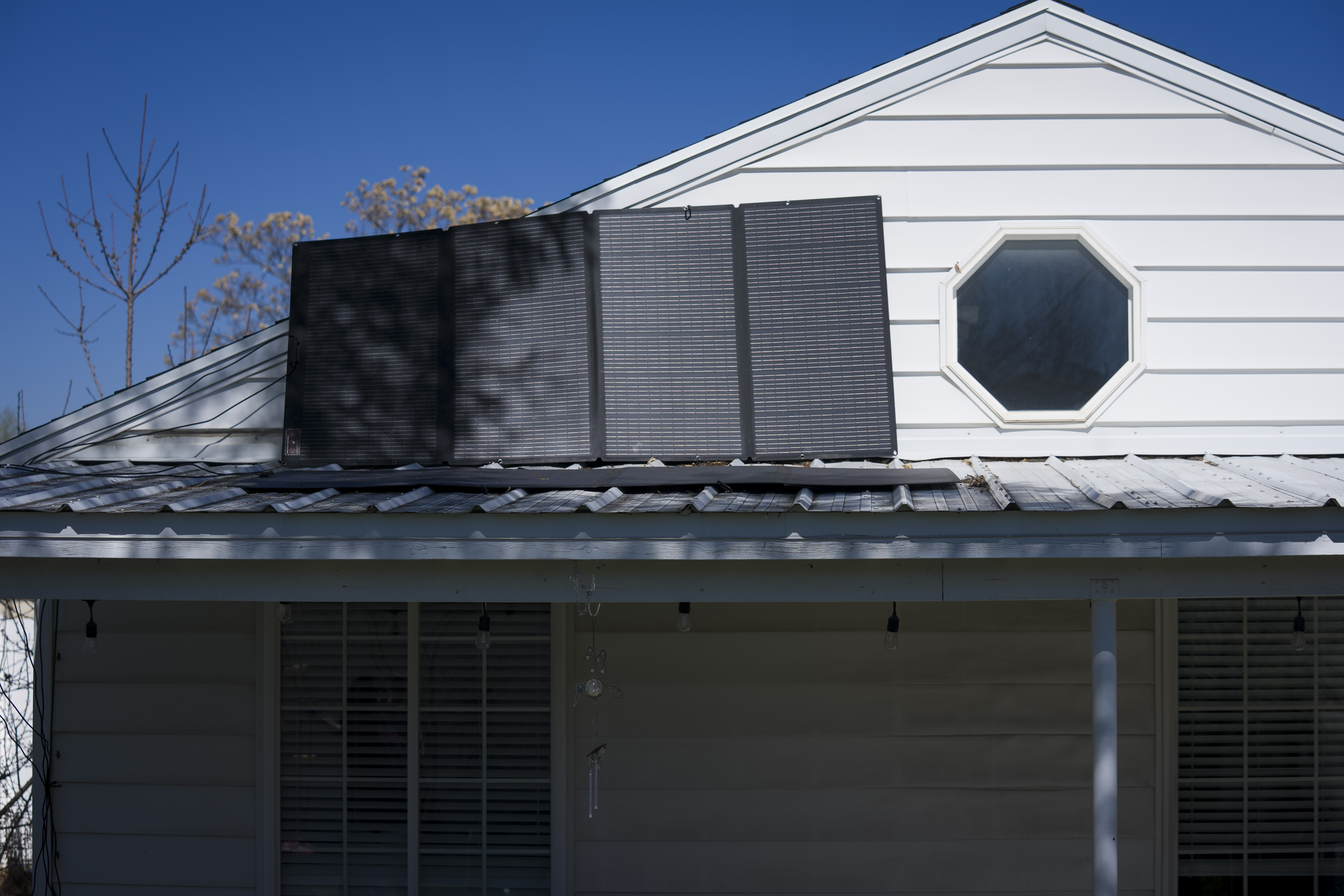
The momentum is palpable. Earlier this month, the governor of Maine signed a similar bill into law. In Virginia, a plug-in solar bill awaits the governor’s signature. Colorado and Maryland have seen legislation approved by both chambers of their respective statehouses. Furthermore, bills in Hawaii, New Hampshire, New Jersey, Oklahoma, and Vermont have successfully passed through at least one legislative chamber, indicating a broad and growing acceptance of this accessible solar technology.
Addressing Regulatory and Safety Concerns
Despite the burgeoning legislative support, U.S. consumers have not yet seen plug-in solar panels readily available in mainstream retail outlets alongside other common household appliances. This delay stems from the fact that while the concept is straightforward, its implementation requires careful consideration of existing electrical infrastructure and safety protocols. Residential electrical systems are fundamentally designed for one-way power flow – from the grid to the home. Plug-in solar panels, however, introduce a two-way flow, generating power and feeding it back into the home’s wiring and, potentially, the grid.
Representative Ward explained this paradigm shift: "Residential households are only designed to pull power off the grid, through wires to outlets, and into plugged-in devices. Balcony solar does the opposite by creating power and pushing it backward into the outlet and ‘upstream’ through a home’s wires." This fundamental change in power dynamics has historically led to apprehension from utility companies.
"Utilities tend, in general, not to want anybody else to make power," Ward noted. Beyond operational concerns, utility providers have raised significant safety issues. A primary concern is the potential danger to utility workers who might be performing repairs on electrical lines. If a line is believed to be de-energized, but a plug-in solar system is still actively feeding electricity into it, workers could face a severe risk of electrocution.
Ward, however, maintains that these challenges are surmountable. "The electricity is the same over [in Europe] as it is over here," he asserted. "All the same rules of physics work and have proved to be safe." The primary difference, he pointed out, is not in the electricity itself but in the physical connectors and voltage standards, which differ between North America and Europe, precluding a simple import of European systems.
Collaboration and Certification: The Path Forward
To ensure the safe and effective integration of plug-in solar into Utah’s energy landscape, Representative Ward engaged in collaborative discussions with Rocky Mountain Power, the state’s largest electricity provider. This partnership was instrumental in shaping the language of HB 340, aiming to foster a homegrown plug-in solar movement that addresses the concerns of all stakeholders.
A spokesperson for Rocky Mountain Power acknowledged that the utility took no official position on Ward’s bill. However, the spokesperson reiterated the company’s ongoing concerns: "We remain concerned that some products entering the market may not meet the requirements of the bill, potentially creating electrical hazards for utility workers."
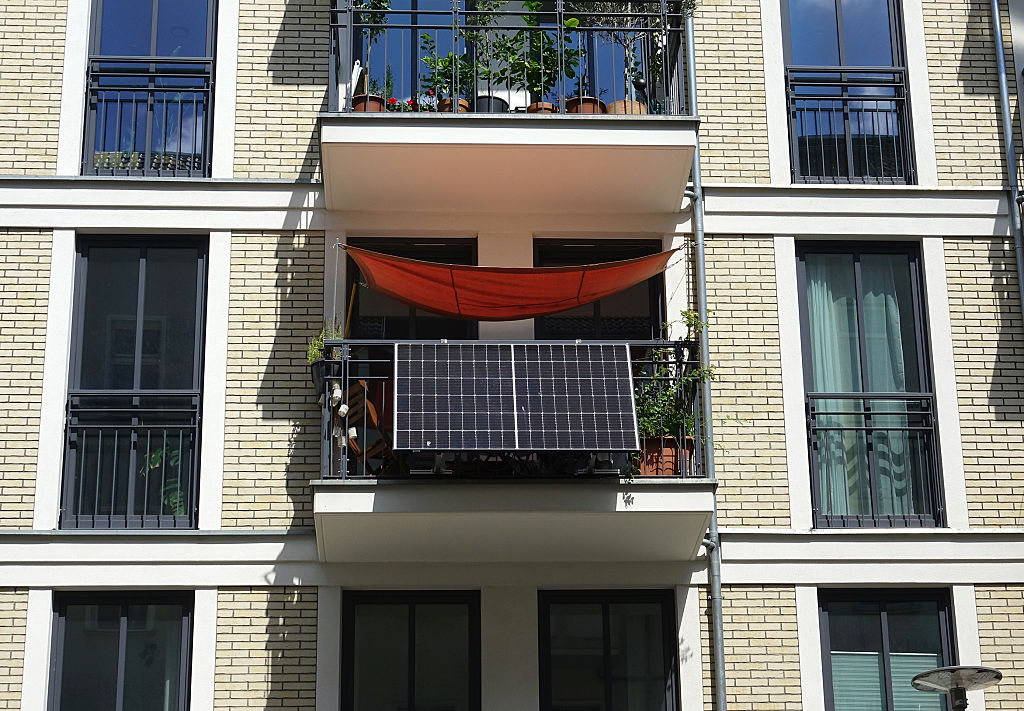
To mitigate these risks, Utah’s legislation includes several key provisions. It removes liability for utilities regarding the power generated by these systems and stipulates that owners of plug-in panels cannot seek payment for any electricity they feed back into the grid. Crucially, the bill mandates the development of safety certification standards for plug-in panels by Underwriters Laboratories (UL), a globally recognized organization for product safety testing.
Underwriters Laboratories Steps In
The inclusion of UL Systems in Utah’s legislation marked a novel step for the organization, which routinely develops safety standards for a vast array of consumer products, building materials, and other goods. Kenneth Boyce, vice president of engineering for UL, expressed his initial surprise at his company’s designation in the bill but emphasized their commitment to the task. "But we take it very seriously," Boyce stated.
UL researchers have been diligently working to establish comprehensive safety requirements. This process involves identifying potential hazards associated with the panel systems themselves and their interaction with typical home wiring. The goal is to ensure that these systems do not cause malfunctions, such as circuit breaker overloads or the failure of Ground Fault Circuit Interrupter (GFCI) outlets, which are critical safety devices in kitchens, bathrooms, and outdoor areas.
"We’re … making sure we keep [consumers] safe while they get the benefits of participating in the energy transition," Boyce explained. "We can do both."
As of the reporting of this article, no plug-in systems have yet received UL certification. However, Boyce anticipates this will change in the near future. "We expect that will change soon," he said, noting that multiple manufacturers have expressed interest and are in communication with UL. He projects that the UL mark of approval could appear on U.S.-bound plug-in solar panels within "months, maybe even weeks."
DIY Systems and Emerging Market Players
While official certification is pending, some resourceful individuals have already begun experimenting with their own plug-in solar setups. Notably, popular YouTuber JerryRigEverything has demonstrated how to assemble functional plug-in systems using individually UL-certified components, such as panels, cords, and inverters. However, Boyce cautioned that while individual components may meet safety standards, the combined system as a whole has not yet undergone comprehensive testing and approval.
For consumers eager to adopt this technology sooner, EcoFlow, a global company, has emerged as a prominent online retailer of plug-in panels in the U.S. According to Ryan Oliver, an EcoFlow spokesperson, the company is actively engaged in discussions with UL regarding product certification. EcoFlow has a successful track record of selling portable solar systems in Europe, where they have gained considerable popularity over the past four years.
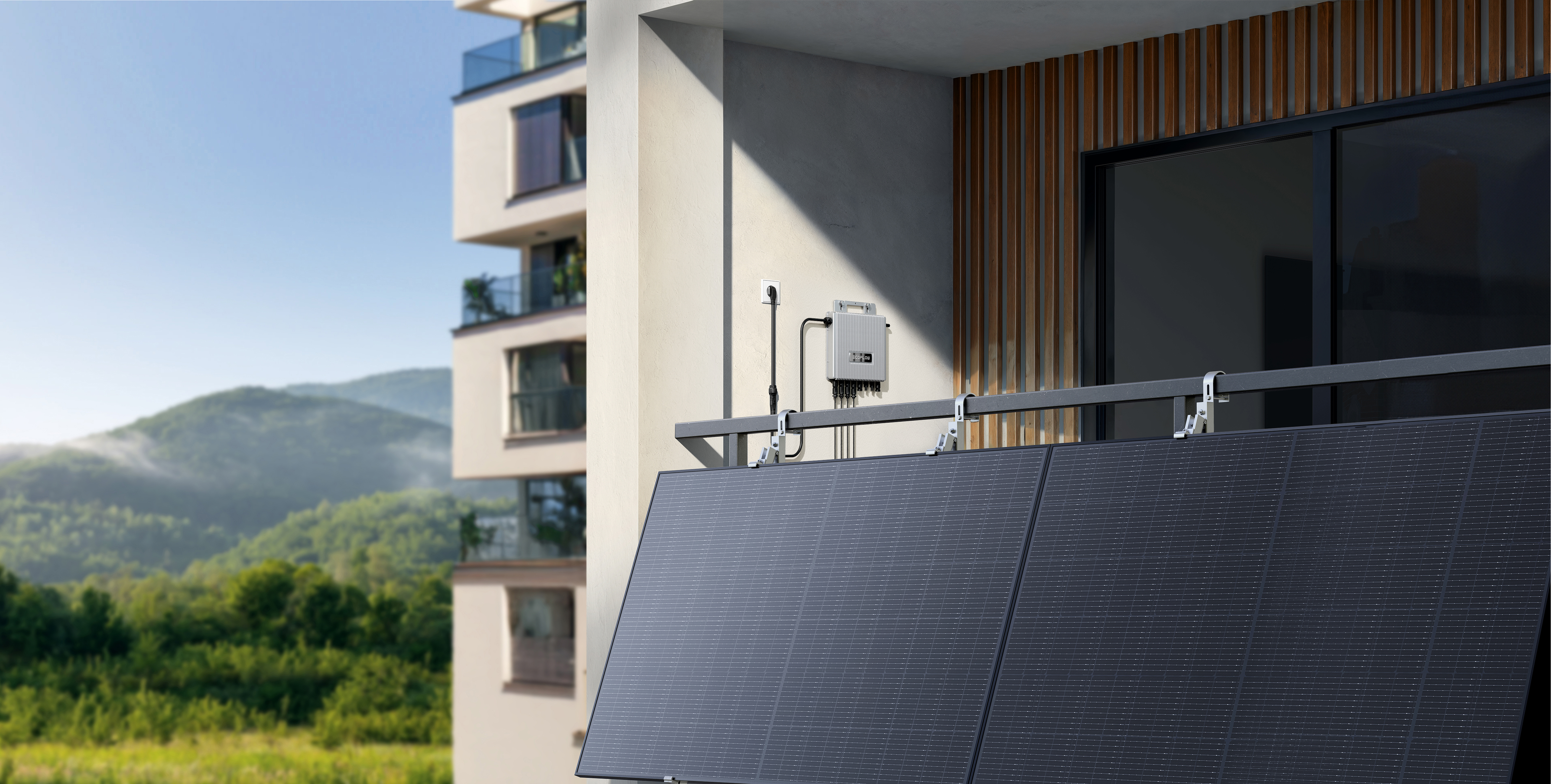
The cost of these systems is becoming increasingly accessible. On EcoFlow’s website, an inverter, which manages the power flow and includes a safety shutdown feature, is priced at approximately $300. A comprehensive system with a battery for energy storage costs around $1,200, and compatible solar panels range from $250 to $1,000, depending on their size and power output.
Broader Implications and the Future of Energy Access
The rise of plug-in solar panels aligns with broader societal values and current energy trends. Josh Craft, director of government relations and public affairs for Utah Clean Energy, sees this development as consistent with a desire for energy independence. "It’s consistent with Utah’s values of wanting to supply your own energy, and letting people make their own decisions around meeting their needs," Craft stated.
Craft is personally experimenting with a plug-in system donated by EcoFlow. "It works. It’s fun," he shared, describing his setup of foldable panels on his patio roof. He estimates his system, which includes a battery, reduces his power bill by about 10 percent, although he has not yet tested its performance under heavy loads like running an air conditioner.
The growing interest in plug-in solar comes at a critical time for the renewable energy sector. Amidst potential shifts in federal subsidies for wind and solar projects, and with projections of rising energy costs driven by increasing demand from data centers and artificial intelligence initiatives, accessible clean energy solutions are becoming more vital.
Utah’s legislation currently caps the power output of plug-in systems at 1,200 watts, a figure that is not intended to fully offset the electricity consumption of a typical household but can contribute meaningfully to reducing bills. JerryRigEverything reported on his YouTube channel that his setup saves approximately one dollar per day.
The impact of Utah’s pioneering legislation is already extending beyond its borders. Representative Ward has recently engaged in discussions with lawmakers in Hawaii, Washington, Minnesota, and Colorado concerning the implementation of plug-in solar policies in their respective states. With Maine’s recent adoption of similar legislation and several other states on the cusp of doing so, Utah’s forward-thinking experiment is proving to be a powerful model for democratizing solar energy access across the nation.
"Heck yeah," Ward exclaimed, reflecting on the widespread adoption and the promising future of this accessible clean energy solution.