The second day of the United Nations Permanent Forum on Indigenous Issues (UNPFII) served as a crucial platform for experts and Indigenous leaders to underscore a fundamental truth: the health and well-being of Indigenous Peoples are intrinsically bound to the health of their ancestral lands and waters. Amidst escalating environmental crises, including climate change, biodiversity loss, and the pervasive impacts of extractive industries, participants articulated how these ecological degradations directly exacerbate existing health inequalities and pose existential threats to Indigenous communities worldwide. The forum’s deliberate focus on Indigenous health comes at a critical juncture, amplified by groundbreaking research that critiques the fragmented approach of United Nations agencies, arguing it has systematically failed Indigenous Peoples by treating health, environment, and land rights as separate mandates.
A Paradigm Shift: Health as an Extension of the Environment
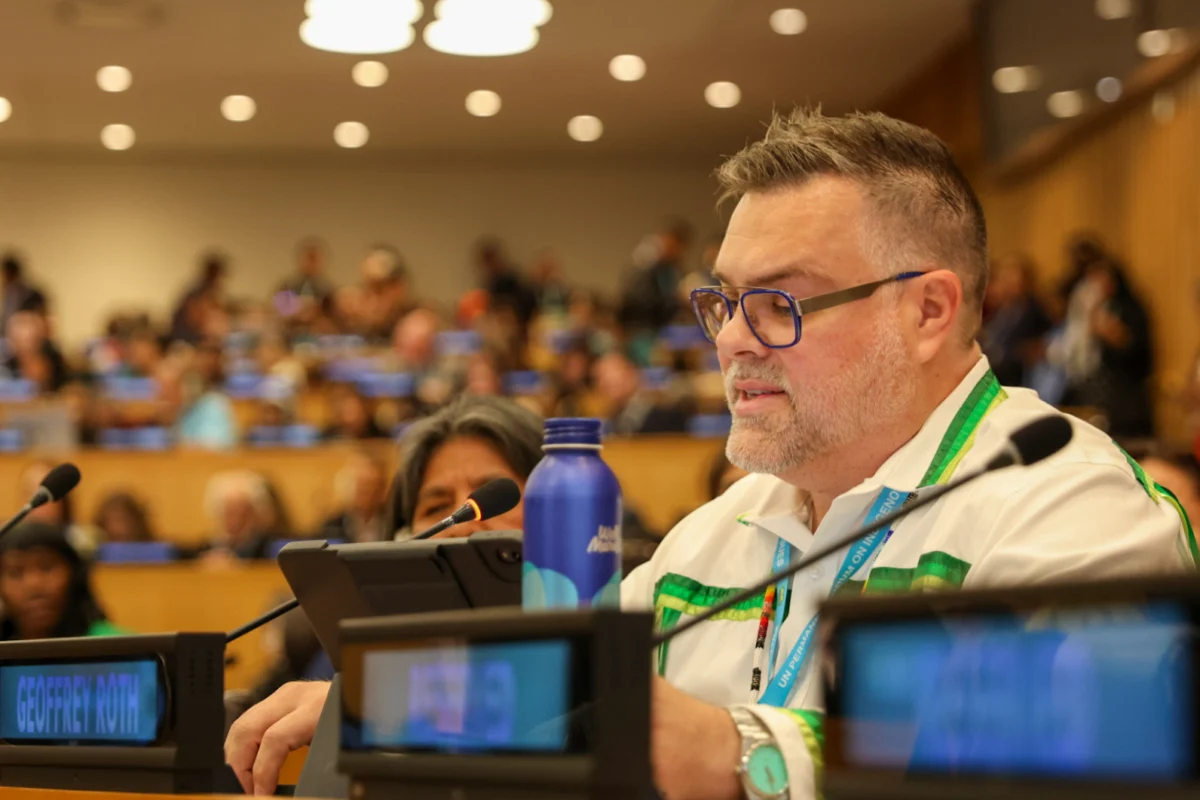
Central to the discussions was a pivotal study by former Permanent Forum member Geoffrey Roth, a Standing Rock Sioux descendant. Presented at the opening of the UNPFII’s 25th session, Roth’s research posits that environmental degradation, climate change, and biodiversity loss are not external pressures but rather "direct manifestations of injury" to Indigenous well-being. This perspective challenges conventional public health frameworks that often isolate health concerns from their ecological and territorial roots.
"For Indigenous Peoples, health is deeply tied to the health of the land," Roth emphasized during his presentation. "It’s not just about access to clinics or medicine – it’s about clean water, healthy forests, traditional foods, and the ability to maintain cultural practices. When the environment is damaged – whether from mining, deforestation, pollution, or climate change – it directly affects people’s health." This holistic understanding recognizes that traditional diets, cultural practices, and spiritual connections to the land are not mere social constructs but vital components of Indigenous health, deeply intertwined with ecological integrity.
The implications of this interconnectedness are profound. When ecosystems are compromised, the very foundations of Indigenous sustenance, cultural continuity, and spiritual well-being are eroded, leading to a cascade of negative health outcomes. This includes nutritional deficiencies due to the loss of traditional food sources, increased susceptibility to waterborne and vector-borne diseases from contaminated water and altered habitats, and profound psychological distress stemming from the loss of ancestral lands and cultural heritage.
Climate Change: A "Risk Multiplier" for Indigenous Health
The urgency of addressing the health impacts of environmental crises was echoed by numerous Indigenous leaders. Minnie Grey, former executive director of the Nunavik Regional Board of Health and Social Services in northern Canada, highlighted the devastating consequences of climate change on Arctic Indigenous communities. "Climate change is also another threat to our health," Grey stated. "We are people of the Arctic: We need the ice, we need the snow, and we need the wildlife that depend on it. Our hunters and people rely on these animals that sustain our food systems and nutrition."
The Arctic, warming at a rate significantly faster than the global average, exemplifies the extreme vulnerability of Indigenous populations to climate change. Melting ice caps disrupt traditional hunting routes and the migration patterns of essential wildlife, directly impacting food security and cultural practices. Furthermore, thawing permafrost poses risks to infrastructure and can release long-dormant pathogens, presenting new public health challenges.
Roth’s study further elaborates on climate change as a severe "risk multiplier." It intensifies pressures across biological, ecological, and social systems, disproportionately impacting Indigenous populations. Extreme weather events, such as prolonged droughts and severe flooding, degrade water quality and availability, escalating the risk of waterborne diseases and undermining basic hygiene. The psychological toll is equally significant, with evidence linking climate-related disasters and environmental loss to increased rates of depression, substance abuse, and the emergence of conditions like "ecological grief" and "climate anxiety," particularly among Indigenous youth witnessing the rapid transformation of their ancestral ecosystems.
In Alaska, for instance, severe storm events like Typhoon Halong have devastated coastal villages, forcing the climate relocation of thousands of Indigenous people. These displacements, driven by coastal erosion and thawing permafrost, sever communities from their traditional food harvesting and weather forecasting systems, thereby amplifying their health vulnerabilities and disrupting social cohesion.
Extractive Industries and Armed Conflict: Dual Threats to Indigenous Well-being
Beyond climate change, the UNPFII discussions also focused on the detrimental effects of extractive activities and armed conflicts on Indigenous health. A second study, co-authored by former Permanent Forum members Hanieh Moghani, Hannah McGlade, and Geoffrey Roth, examines how armed conflicts, often fueled by competition over natural resources, disproportionately affect Indigenous peoples. These conflicts lead to forced displacement from ancestral lands, the erosion of social and cultural cohesion, intensified resource exploitation, and disruptions to agricultural livelihoods, ultimately triggering intergenerational health crises.
"These impacts add to existing inequalities, which is why Indigenous communities are often hit hardest," Roth explained. "In that sense, environmental damage isn’t separate from health – it’s a major driver of it."
The case of the Munduruku people in the Munduruku territory in Brazil serves as a stark illustration. This region has been severely impacted by illegal mining, leading to widespread mercury pollution and ecological destruction. Even after a government-led operation to halt illegal mining, community members continue to report a wide array of health issues, including diarrhea, skin ailments, fever, neurological problems, and childhood paralysis. The long-term consequences of such environmental contamination are often intergenerational, affecting the health and development of future generations.
The situation is particularly dire for Indigenous peoples in voluntary isolation and initial contact, as highlighted by Ginny Alba Medina, an Indigenous leader and lawyer from OPIAC, the national organization for Colombia’s Amazon peoples. "For them, the right to health begins with absolute respect for the principle of no contact," Medina stated. "Any external intrusion can trigger lethal epidemics against which they have no immune defenses. Allowing extractive activities, armed presence, or territorial pressure in their territories poses an immediate threat to their physical and cultural survival."
The Democratic Republic of Congo (DRC) provides a grim example of how conflicts over natural resources translate into direct violence against Indigenous communities and environmental destruction. Weeks before the UNPFII, Indigenous Batwa women and children in South Kivu province suffered fresh attacks by armed groups, linked to a broader pattern of targeted violence aimed at seizing control of their land and resources. Analysts note that the escalating conflict in the DRC has had a significant, often overlooked, impact on the environment, with a sharp increase in deforestation since late 2021. This environmental toll further exacerbates the health crisis, as displaced communities lose access to traditional food sources and face increased risks of disease.
A Call for Integrated Solutions and Indigenous Leadership
The overarching message from the UNPFII was a clear call for a paradigm shift in how global institutions address Indigenous health. Geoffrey Roth reiterated that by focusing on Indigenous health in isolation from territories, waters, food systems, and culture, global health efforts have failed to tackle the structural drivers of Indigenous health problems, including land dispossession, environmental degradation, cultural disruption, and the erosion of Indigenous governance.
"What’s been missing is a more connected approach – one that includes land, culture, and self-determination as central to health," Roth asserted. "Moving forward, U.N. agencies need to reduce fragmentation and work in a more coordinated way. You cannot improve Indigenous health in isolation. It requires aligning efforts across sectors and supporting Indigenous leadership within these systems."
This sentiment was echoed by Indigenous leaders advocating for legal recognition of their territories as a foundational prerequisite for protecting biodiversity and Indigenous health. Wilton Littlechild, a Cree chief and lawyer defending treaty rights, emphasized the importance of treaties and the United Nations Declaration on the Rights of Indigenous Peoples (UNDRIP) as vital tools for safeguarding Indigenous health.
The World Health Organization (WHO) has acknowledged this interconnectedness in its draft Global Plan of Action (GPA) for the health of Indigenous people, which calls for supporting "Indigenous-led ecosystem stewardship and nature-based approaches that safeguard health." However, the consideration of this crucial draft has been delayed by the WHO’s Executive Board until 2027, a decision that advocates argue hinders timely progress.
Ruth Mercredi, an elder and traditional healer from Yellowknife, Canada, underscored the immediate health consequences of environmental contamination faced by Indigenous communities. "Today, we are getting sick of the water, of the food, of the air," Mercredi stated. "Whatever we are putting in our bodies. We have to now be mindful of that when we didn’t have to before." Her words highlight the stark reality that for many Indigenous Peoples, basic necessities like clean water and air are no longer guaranteed, directly impacting their health and daily lives.
The UNPFII concluded with a resounding call for global bodies like the United Nations and the WHO to recognize that Indigenous health is inseparably linked to land tenure, biodiversity, food sovereignty, and self-determination. Advocates warn that global climate and biodiversity goals will remain elusive without the active inclusion and empowerment of Indigenous Peoples, whose traditional knowledge and stewardship practices are vital for planetary health. The path forward, as articulated by the participants, demands a radical reorientation of policy and practice, centering Indigenous rights and perspectives at the heart of all environmental and health initiatives.