
Southeast Asia is currently a crucible of significant political, security, and social developments, reflecting both internal dynamics and the increasing influence of global geopolitical currents. From Myanmar’s delicate political maneuvers and the Philippines’ enhanced military cooperation with key allies, to Malaysia’s tightening grip on dissent and Indonesia’s grappling with a burgeoning social justice movement, the region is witnessing a complex interplay of forces. These events underscore the persistent challenges of governance, human rights, and economic stability, even as nations strive for progress and regional cohesion.
Myanmar’s Junta Attempts to Legitimize Rule Amidst Amnesty and Opposition Crackdown
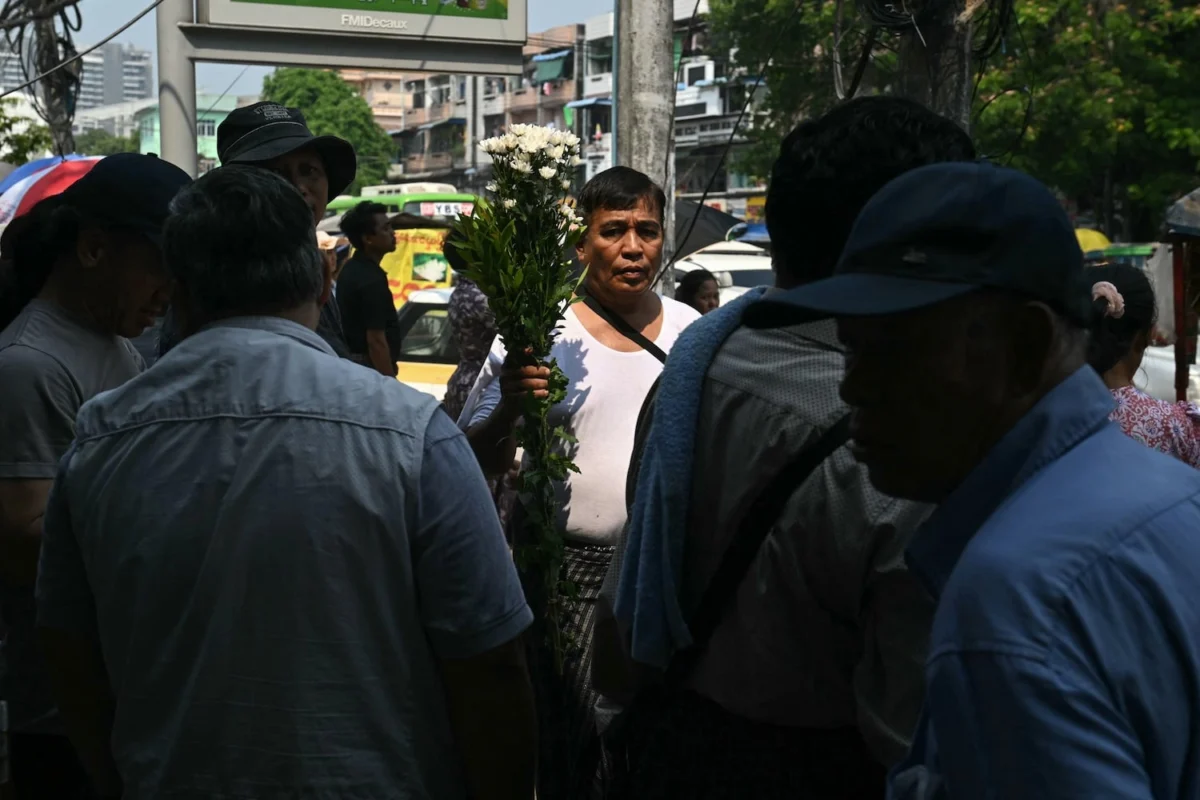
In a move widely perceived as an attempt to project an image of reconciliation and garner international legitimacy, Myanmar’s military junta announced a mass amnesty on April 17. Among the 4,335 prisoners released was U Win Myint, the country’s democratically elected president, who had been imprisoned following the devastating 2021 coup. Win Myint’s release, after five years in detention, was accompanied by a reduction in the 27-year sentence of the preeminent opposition leader, Aung San Suu Kyi, whose term was cut by one-sixth. This amnesty follows two other large-scale releases over the past six months, which saw approximately 15,000 individuals freed, though not all were political prisoners.
The military takeover in February 2021 plunged Myanmar into a profound crisis, overturning a decade of nascent democratic reforms. The coup leaders, citing unsubstantiated claims of widespread fraud in the November 2020 general election, arrested key figures of the National League for Democracy (NLD) government, including President Win Myint and State Counsellor Aung San Suu Kyi. Since then, the junta, officially known as the State Administration Council (SAC), has engaged in a brutal crackdown on dissent, arresting over 30,000 people on political charges, according to human rights organizations. These arrests have been accompanied by widespread human rights abuses, including torture, extrajudicial killings, and the systematic suppression of civil liberties, leading to a protracted civil conflict across the nation.
Analysts suggest that the timing and nature of these releases are calculated. Win Myint’s release, according to reports, came with a stern warning: re-offend, and he would face re-imprisonment, serving his original sentence in addition to any new one. This condition highlights the junta’s continued control and its intent to deter any renewed political activity. Angshuman Choudhury, a researcher specializing in Myanmar, noted to Foreign Policy that Win Myint lacks the mass appeal of Aung San Suu Kyi. Therefore, his release serves as a strategic gesture to placate international partners without significantly jeopardizing the junta’s domestic power base.
This amnesty is seen as part of a broader, carefully orchestrated strategy by the junta to consolidate its power and present a façade of a return to normalcy. Earlier this year, the military organized "stage-managed elections" widely dismissed as illegitimate by international observers and the pro-democracy movement. This was followed by the formal end of military rule, with chief Gen. Min Aung Hlaing assuming the post of president. Several influential ethnic armed groups in Myanmar have reportedly congratulated Min Aung Hlaing on his new role, a move that some sources suggest came under pressure from China, a key regional player with significant interests in Myanmar.
Reactions from neighboring countries and regional blocs have been varied, underscoring the deep divisions within ASEAN regarding its approach to Myanmar. Thailand, for instance, has been notably proactive in advocating for the military government’s recognition. The Thai Ministry of Foreign Affairs issued a statement welcoming the developments, describing Win Myint’s release as a "positive step" consistent with ASEAN’s expectations and expressing hope for "dialogue and national reconciliation." Notably, the Thai statement made no mention of Aung San Suu Kyi, despite Foreign Minister Sihasak Phuangketkeow having previously stated that re-engagement with Myanmar would be "difficult" without her release. Phuangketkeow is reportedly scheduled for a second official visit to Myanmar this week, signaling Thailand’s continued diplomatic engagement with the junta.
In contrast, the Philippines, which holds the 2026 ASEAN chairmanship, adopted a more cautious stance. The Department of Foreign Affairs released a statement "welcoming the full pardon and release" of Win Myint as a "constructive step." However, it simultaneously re-emphasized the "paramount importance" of securing the release of Aung San Suu Kyi and all other political prisoners. This nuanced position reflects ASEAN’s internal struggles to maintain a united front on Myanmar, especially given the junta’s failure to adhere to the Five-Point Consensus agreed upon in April 2021, which called for an immediate cessation of violence, dialogue among all parties, the appointment of an ASEAN special envoy, humanitarian assistance, and a visit by the special envoy to Myanmar.
Speculation is now rife regarding Aung San Suu Kyi’s fate. Reports from Channel News Asia journalist Leong Wai Kit indicate a sudden tightening of security around the house where she was previously held under house arrest for 15 years. This development fuels speculation that she might soon be transferred from prison back to house arrest, a move that could be another calculated gesture by the junta to slightly ease international pressure while retaining stringent control over the iconic figure. Such a move would allow the junta to claim a concession without truly relinquishing its grip on power or validating the democratic aspirations of the Myanmar people.
Philippines Hosts Landmark Balikatan Exercises with Japan’s First Post-WWII Participation
In a significant display of strengthening regional alliances and evolving defense postures, the Philippines commenced its annual Balikatan military exercises on April 20. This year’s iteration is particularly notable as it marks the first time Japan’s military has participated in the exercises on Philippine soil since the end of World War II. The extensive war games, slated to run for 19 days, involve over 17,000 troops from seven countries, primarily led by the United States and the Philippines.
The geopolitical backdrop for these exercises is increasingly tense, driven by China’s assertive actions in the South China Sea, North Korea’s persistent nuclear program, and Russia’s ongoing invasion of Ukraine. These factors have spurred countries in the Indo-Pacific to enhance their defense capabilities and deepen security cooperation. For Japan, a nation historically bound by a pacifist constitution post-WWII, this participation signifies a dramatic shift in its defense policy. Japan has been steadily building its "hard power" and expanding security relations in the region, driven by its own strategic concerns about regional stability and freedom of navigation. On April 21, Japan further solidified this shift by announcing amendments to its laws on defense equipment transfers, enabling overseas weapons sales. This legal change is poised to transform Japan into a more prominent security partner and equipment provider for several Southeast Asian nations, most notably the Philippines.
The Balikatan exercises, meaning "shoulder-to-shoulder" in Tagalog, are designed to enhance interoperability and strengthen the collective defense capabilities of participating nations. The Japanese contingent, comprising 1,400 personnel, played a prominent role, with a particularly high-profile demonstration involving the use of a Type 88 cruise missile to sink a target ship. This live-fire exercise showcased Japan’s advanced military technology and its commitment to regional security. Beyond Japan, other countries participating in the exercises include Australia, Canada, France, and New Zealand, collectively reinforcing a multilateral approach to regional security challenges.
A U.S. military spokesperson confirmed that the exercises, one of the largest deployments in years, have not been affected by the ongoing conflict in the Middle East involving Iran, underscoring the strategic importance placed on Indo-Pacific security. While specific numbers of U.S. personnel were not disclosed, the scale of participation highlights Washington’s commitment to its defense treaty obligations with the Philippines and its broader strategy of maintaining a free and open Indo-Pacific.
The implications of Japan’s participation are far-reaching. It signals a robust alignment of security interests between Japan, the Philippines, and the United States, particularly in countering China’s expansive territorial claims in the South China Sea, where the Philippines has faced increasing harassment from Chinese coast guard vessels. This enhanced cooperation contributes to a more robust regional security architecture, providing a stronger deterrent against potential aggression and fostering greater stability in a strategically vital waterway. For the Philippines, these exercises bolster its defense capabilities and provide crucial training for its armed forces, while for Japan, it marks its emergence as a more proactive security actor on the global stage.
Malaysia’s Escalating Censorship and Arrest of Critics Spark Freedom of Speech Concerns
Malaysia, a nation that often prides itself on its moderate image, is currently grappling with an escalating trend of censorship and the suppression of critical voices, raising significant concerns about freedom of speech and expression. Under the current administration, there has been a noticeable uptick in government intervention, particularly through book bannings and arrests of individuals critical of the government.
The numbers illustrate a stark increase in censorship. This year alone, the government has forbidden the publication of 27 books. This follows 24 bans in 2025, compared to just eight in 2024 and five in 2023. The Ministry of Home Affairs typically justifies these bans on grounds of national security, protecting public morality, or maintaining public order. However, critics argue that these justifications are often broadly applied, stifling diverse perspectives and creative works.
The list of banned books is notably eclectic, reflecting the wide net cast by authorities. It includes Islamic guides to sex, LGBT romances, and even the reissue of a memoir by a prominent communist rebel. This diversity suggests an official sensitivity across a spectrum of topics deemed controversial or subversive. While some works, like a graphic novel about childhood banned in previous years, have successfully overturned their prohibitions in court, the increasing rate of initial bans indicates a worrying trend.
Adding to these concerns, the arrest of a TikTok critic has further ignited public debate. On April 14, reports emerged of the alleged arrest and three-day remand of 38-year-old Emeela Mat Sam, also known as Jorjet Myla. Her alleged offense was posting TikTok videos critical of Prime Minister Anwar Ibrahim. She is reportedly being probed under the Sedition Act, a colonial-era law frequently criticized by human rights advocates for its broad scope and potential for misuse against political dissent. It remains unclear whether she will face formal charges.
This development has not only drawn sharp criticism from opposition parties but also from within Prime Minister Anwar Ibrahim’s own ruling coalition. Anwar, who came to power promising reforms and greater democratic freedoms, including a review of restrictive laws like the Sedition Act, now faces accusations of hypocrisy. His government’s actions appear to contradict his earlier pledges, leading to a perception that the space for critical discourse is shrinking rather than expanding.
The implications of this escalating censorship are profound. It risks creating a chilling effect on free expression, discouraging artists, writers, and ordinary citizens from voicing opinions that might be perceived as critical or controversial. This erosion of free speech could undermine Malaysia’s democratic institutions and its international standing as a pluralistic society. For the Anwar administration, it poses a challenge to its reformist credentials, potentially alienating segments of the population who had hoped for a more open and tolerant political environment. Civil society organizations and human rights groups are closely monitoring the situation, advocating for the protection of fundamental freedoms and a review of the laws used to suppress dissent.
Philippines Grapples with Public Transport Strikes Amidst Soaring Fuel Prices
The Philippines is currently experiencing significant public transport chaos, as workers across the sector stage successive strikes in protest against soaring fuel prices. This wave of industrial action, which included a three-day strike from April 15 to 17, follows an earlier strike in late March, with a third wave reportedly underway. The transport sector in the Philippines has a long and active history of organized protest, a phenomenon that was anticipated in a previous newsletter predicting political upheaval linked to fuel price spikes.
The core demand of the striking transport workers is for the government to implement measures to reduce diesel prices and cut fuel taxes. The Philippines has been particularly hard hit by global fuel price fluctuations, experiencing some of the fastest and largest increases in the world. This vulnerability stems from the country’s heavy reliance on imported fuel, often from the Middle East, making it highly susceptible to international market disruptions. Unlike many other nations in the region, the Philippines operates a deregulated oil industry, meaning it does not regulate or subsidize fuel prices, leaving consumers and transport workers directly exposed to market volatility.
The government has responded to the crisis by rolling out welfare packages aimed at supporting workers in affected industries and mitigating the impact on commuters. However, these measures have not fully appeased the striking groups, who continue to press for more fundamental policy changes regarding fuel pricing.
In a notable move on April 15, President Ferdinand Marcos Jr. urged the immediate activation of the 1986 ASEAN Petroleum Security Agreement. This agreement, conceived during a period of similar oil shocks, envisions ASEAN member countries sharing fuel with each other to cover shortfalls during supply crises. Marcos Jr.’s call underscores the severity of the situation and the potential for regional cooperation to address shared economic vulnerabilities. The activation of this agreement, however, would require consensus and coordinated action among all ASEAN member states, presenting its own set of logistical and political challenges.
The implications of these ongoing transport strikes are multi-faceted. Economically, they disrupt supply chains, impact productivity, and disproportionately affect low-income commuters and daily wage earners who rely on public transport. Socially, the strikes highlight the deep-seated grievances of a vital segment of the workforce and the broader population grappling with the rising cost of living. Politically, they present a significant challenge to the Marcos Jr. administration, testing its ability to manage economic crises and respond effectively to public discontent. The situation also brings into focus the long-term need for the Philippines to develop more sustainable and resilient public transport systems, along with policies that can cushion its citizens from the volatility of global energy markets.
Vietnam’s Shifting Educational Landscape: China Emerges as a Top Destination for Students Abroad
A significant shift is occurring in Vietnam’s educational landscape, as China rapidly emerges as a leading destination for Vietnamese students pursuing higher education abroad. Currently, approximately 25,000 Vietnamese students are enrolled in educational institutions in China, a number that mirrors the roughly 25,000 studying in the United States. This means that each country now accounts for about 10 percent of the total 250,000 Vietnamese students studying overseas, marking a notable diversification from traditional Western destinations.
The increase in Vietnamese students choosing China has been particularly dramatic in recent years, more than doubling since 2020. This trend reflects several factors. Chinese universities have been steadily climbing global university rankings, with some now dominating in various fields, making them increasingly attractive to international students seeking high-quality education. Additionally, China offers competitive tuition fees, a lower cost of living compared to Western countries, and a growing number of scholarships specifically for international students, including those from ASEAN nations. The geographical proximity between Vietnam and China also makes it a convenient and culturally accessible option for many.
For Vietnam, this trend has significant implications for its human capital development and its foreign relations. As Vietnam continues its rapid economic growth, there is an increasing demand for a highly skilled workforce. Sending students abroad to acquire specialized knowledge and skills is a key strategy. The diversification of study destinations reduces over-reliance on any single country and potentially broadens the range of expertise available to Vietnam. Furthermore, it subtly reflects Vietnam’s careful geopolitical balancing act between major global powers, leveraging educational opportunities from both traditional allies and emerging economic giants. The increasing educational ties with China could foster deeper cultural and economic linkages, while continued engagement with the US and other Western nations ensures a diversified approach to international partnerships.
Indonesia’s University of Indonesia Faces Sexual Harassment Scandal, Igniting #MeToo Moment
Indonesia, a nation with a conservative social fabric, is confronting a significant reckoning with sexual harassment, following a scandal that erupted at the prestigious University of Indonesia (UI). On April 15, UI, one of the country’s top universities, announced the suspension and investigation of 16 law students over allegations of sexual harassment. This incident has swiftly triggered what many are calling Indonesia’s own #MeToo moment, bringing long-simmering issues of gender-based violence and misconduct into the national spotlight.
At the core of the scandal was a leaked group chat involving male law students, where members allegedly made sexually explicit, degrading, and misogynistic comments about female students and lecturers. Screenshots of these conversations, widely circulated on social media platform X, provoked immediate and widespread outrage across the country. The public outcry intensified after a video emerged showing the accused students making a public apology to their peers, only to be swarmed by an angry crowd on stage, reflecting the depth of public frustration and anger.
This incident at UI is not an isolated phenomenon but rather a stark manifestation of a pervasive problem within Indonesian academic institutions and society at large. For some time, sexual harassment on university campuses has been a particular concern. A government survey conducted in 2020 revealed alarming statistics: 77 percent of lecturers reported that sexual violence had occurred on their campus, yet a staggering 63 percent had not reported such incidents, primarily due to social stigma, fear of retaliation, and a lack of effective reporting mechanisms.
The UI scandal has emboldened many other women across Indonesia to share their own experiences of being subjected to sexual harassment, objectification, and degrading gossip in various academic and professional contexts. This outpouring of personal narratives on social media platforms underscores the systemic nature of the problem and the urgent need for comprehensive solutions.
In response to the growing public pressure, UI’s Faculty of Law issued a statement confirming that a thorough review of the allegations was underway. The statement also urged restraint and cautioned against the spread of unverified information, indicating the university’s intent to manage the situation carefully while conducting its internal investigation. Concurrently, Jakarta’s metropolitan police department has announced that it is gathering information about the case, signaling a potential criminal investigation.
The implications of this scandal are profound and far-reaching. It has forced a national conversation about sexual harassment, institutional accountability, and the protection of women’s rights in Indonesia. It places immense pressure on universities to implement and enforce robust policies against sexual violence, create safe reporting channels, and foster a culture of respect and gender equality. Furthermore, it highlights the ongoing struggle to combat deeply entrenched patriarchal attitudes and social norms that often enable and perpetuate such misconduct. The incident serves as a critical turning point, potentially catalyzing greater public awareness, legal reforms—building on existing legislation like the Law on the Eradication of Sexual Violence—and a more assertive push for justice and accountability for victims of sexual harassment across Indonesian society.