PERTH, Western Australia, January 8, 2026 – A groundbreaking study spearheaded by Curtin University has unveiled the widespread and often hidden reality of households in developing nations resorting to burning plastic as a primary energy source, igniting significant international concerns spanning public health, social equity, and environmental degradation. The research, published today in the esteemed journal Nature Communications, provides the first comprehensive global evidence of this practice, highlighting the dire circumstances that drive communities to utilize plastic waste for fundamental domestic needs.
The investigation delved into the energy consumption patterns of developing countries across Africa, Asia, and Latin America. Researchers discovered a critical deficit in access to affordable and clean energy alternatives such as natural gas or electricity. Compounding this issue, rapid urbanization has depleted traditional fuel sources like wood and charcoal, while a pervasive lack of formal waste management systems has led to an abundant and readily available supply of plastic waste. This confluence of factors has positioned plastic as a desperate, last-resort fuel for millions.
A Survey Revealing a Hidden Crisis
The study employed a robust survey methodology, gathering insights from over 1,000 respondents across 26 countries. These respondents were individuals working closely with low-income urban neighborhoods, including researchers, government officials, community leaders, and local aid workers. The findings painted a stark picture: one in three respondents reported being aware of households burning plastic, with many having personally witnessed neighbors or community members engaging in the practice. A smaller, yet statistically significant, proportion admitted to having burned plastic themselves.
Dr. Bishal Bharadwaj, lead researcher at the Curtin Institute for Energy Transition (CIET), emphasized the novelty and importance of these findings. "This is an issue that has largely been happening out of sight in communities and been difficult to get accurate data on," Dr. Bharadwaj stated. "However, this survey provides additional insights into what is going on. We found evidence of people burning everything from plastic bags and wrappers to bottles and packaging, just to meet basic household needs." He elaborated, "The practice is far more widespread than anyone realized, but because it happens in marginalized communities and is often hidden, it has escaped meaningful global attention despite the severe risks to health and the environment."
Dr. Bharadwaj, an adjunct research fellow at Curtin, brings a wealth of expertise to this critical issue. His academic background includes an MSc in Climate Change from University College London and a PhD from the University of Queensland. His extensive experience encompasses roles as a postdoctoral research fellow with the Net Zero Australia project and over 15 years in management, consulting, and research capacities. As a quantitative economic geographer, Dr. Bharadwaj’s research interests are deeply rooted in evaluating the effectiveness and fairness of environmental policies across diverse contexts, with a specific focus on energy, plastic pollution, and climate change.
The Multifaceted Dangers of Burning Plastic
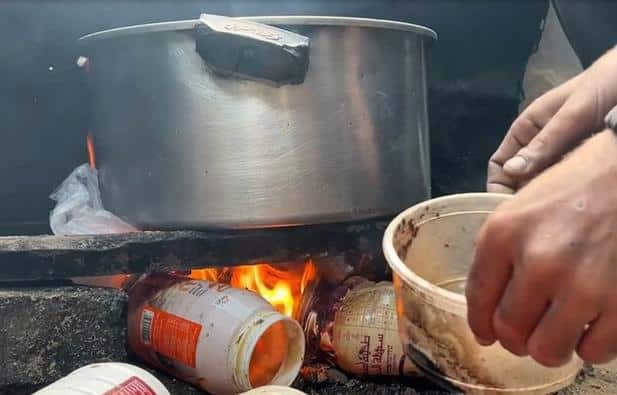
The study meticulously documented the various ways in which plastic is being utilized as fuel. Beyond disposal, households are burning it for cooking, heating, lighting fires, and even to deter insects. The researchers found that these practices are typically carried out using rudimentary stoves, such as three-stone fires, charcoal stoves, and makeshift burners. This process releases toxic smoke directly into homes and densely populated urban areas, posing immediate health risks.
The findings also highlighted a disturbing disparity in exposure, identifying women, children, the elderly, and individuals with disabilities as the most vulnerable populations to the toxic emissions. This disproportionate impact underscores the social equity dimensions of the crisis, as those with the least power and resources often bear the brunt of its consequences.
A Global Crisis Amplified: The Gaza Strip Situation
The urgency of the plastic-burning issue was starkly underscored by recent events and pronouncements concerning the Gaza Strip. At a United Nations briefing in New York on January 7, UN Spokesperson Stéphane Dujarric drew global attention to the severe fuel restrictions imposed on Gaza, which have compelled residents to burn plastic waste for cooking and heating.
"Israeli authorities continue to restrict the delivery of fuel into and through the Gaza Strip, effectively choking off life-saving services for deprived and starving people," Dujarric stated, emphasizing that fuel availability in Gaza is a matter of life and death. The UN Population Fund has warned that 80 percent of critical care units, including those vital for childbirth, are at risk of shutting down, a critical concern given that approximately 130 women give birth daily in the region.
Dujarric further reported that while community kitchens have been able to prepare over 200,000 meals daily, this represents an 80 percent reduction compared to the more than one million meals distributed daily at the end of April. He described the current situation as "basically a trickle offered to people on the brink of famine." In the absence of cooking gas and electricity, the burning of plastic waste has become a grim necessity. "When they do so in makeshift tents, you can imagine what happens with the poor ventilation and the tremendous risks that that poses," Dujarric told journalists, painting a grim picture of the health hazards faced by the population.
The Toxicological Fallout: Dioxins, Furans, and Food Contamination
The scientific analysis of the burning process reveals the severity of the toxic emissions. Professor Hari Vuthaluru from Curtin’s Western Australian School of Mines, a co-author of the study, explained the profound risks associated with burning mixed plastics, particularly polyvinyl chloride (PVC). "When PVC is burned, it releases highly toxic dioxins and furans, which are among the most dangerous pollutants known," Professor Vuthaluru stated. "These compounds persist in the environment, accumulate in the food chain, and can cause serious health problems including cancer, reproductive disorders, and immune system damage. PVC ranks as the third most commonly burned plastic, which is extremely concerning."
The persistence and bioaccumulative nature of these toxins mean that their impact extends far beyond the immediate act of burning. They can remain in the environment for extended periods, entering ecosystems and concentrating in living organisms.
Co-researcher Dr. Pramesh Dhungana from Curtin’s School of Molecular and Life Sciences highlighted the alarming risks of food contamination. "Our survey found 60 percent of respondents thought it extremely likely that toxic chemicals from burning plastic could contaminate food and water," Dr. Dhungana said. He elaborated on the specific dangers: "Not all plastics pose equal danger, but the most commonly burned types include some of the worst offenders. Polyvinyl chloride, known as PVC and found in pipes and packaging, ranked third on the list. When burned, it releases dioxins and furans, compounds that persist in the environment, accumulate in food chains, and are linked to cancer, immune damage, and reproductive harm."
The scientific team noted that this is not merely theoretical. Studies conducted near plastic burning sites have already detected toxic compounds in egg and soil samples. "When plastic burns near homes and food preparation areas, these toxins can settle on crops, enter water sources, and accumulate in foods, creating a hidden health crisis for communities already facing significant challenges," Dr. Dhungana explained.

Voices from the Ground: A Glimpse of Despair
The human cost of this crisis is palpable. A poignant comment from an Indonesian individual on YouTube, whose tofu production had been compromised by cooking over burning plastic, illustrated the depth of frustration and disillusionment: "As an Indonesian who has eaten tofu every day since I was born, this is also new information for me. Then I realized how bad our government really is. I have no hope that the Indonesian government will do anything. What do you expect from them? There are cases where the Ministry of Social Welfare stole welfare money meant for the people. So no, I do not believe the government will act. They will not do anything. They only care about enriching themselves, while here we are eating toxic tofu and consuming trash from the West." This sentiment reflects a widespread distrust in governmental efficacy and a sense of being abandoned by authorities, left to contend with the dire consequences of environmental neglect and socioeconomic hardship.
Professor Peta Ashworth, Director of the Curtin Institute for Energy Transition and a co-author of the study, stressed that addressing this complex issue requires more than simple directives. "People only do this because they have no safer alternatives, due to root causes such as extreme energy poverty, unaffordable cleaner fuels, and inadequate waste services," Professor Ashworth pointed out. With global plastic consumption projected to triple by 2060, urgent and targeted interventions are paramount.
Professor Ashworth advocated for comprehensive solutions that tackle the underlying issues. "It’s essential that solutions include improving sanitation, supporting access to modern cooking energy, and working with communities on practical, culturally relevant options," she stated. "This research provides the evidence base needed to design interventions that genuinely support the world’s most vulnerable urban residents."
Broader Implications and the Path Forward
The findings of the Curtin University study underscore a critical intersection of environmental degradation, public health crises, and socioeconomic inequality. The practice of burning plastic as fuel is not merely an issue of waste management; it is a symptom of deeper systemic failures in providing basic necessities to vulnerable populations.
The implications are far-reaching:
- Public Health Crisis: The long-term health consequences for individuals and communities exposed to dioxins, furans, and other toxic compounds released from burning plastics are severe and potentially irreversible, including increased risks of cancer, respiratory illnesses, and developmental problems.
- Environmental Contamination: The persistent nature of these pollutants means they can contaminate soil, water, and air for generations, impacting ecosystems and agricultural productivity.
- Social Injustice: The disproportionate burden placed on marginalized communities, particularly women and children, exacerbates existing social inequalities and perpetuates cycles of poverty and ill-health.
- Economic Strain: The healthcare costs associated with treating plastic-related illnesses place a significant strain on already limited healthcare resources in developing countries.
The study, titled "Prevalence of plastic waste as a household fuel in low-income communities of the Global South," published on January 8, 2026, in Nature Communications, provides a critical evidence base for policymakers, international organizations, and NGOs. It calls for a multi-pronged approach that includes:
- Investing in Clean Energy Access: Prioritizing the development and subsidization of affordable and accessible clean cooking fuels and electricity in low-income urban areas.
- Improving Waste Management Infrastructure: Establishing and strengthening formal waste collection and recycling systems to divert plastic waste from landfills and informal burning practices.
- Promoting Sustainable Livelihoods: Supporting initiatives that create alternative income streams and reduce reliance on informal waste management practices.
- Community Engagement and Education: Working collaboratively with communities to develop culturally appropriate solutions and raise awareness about the health and environmental risks of burning plastic.
The stark reality revealed by the Curtin University study demands immediate global attention and coordinated action. Without addressing the root causes of energy poverty and inadequate waste management, the practice of burning plastic will continue to cast a long, toxic shadow over the lives of millions, undermining progress towards sustainable development and global health equity.
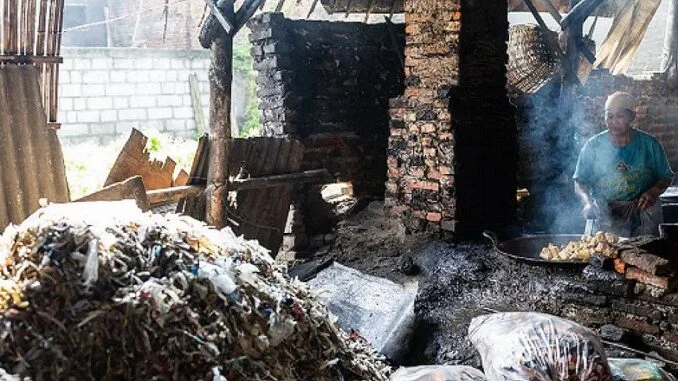
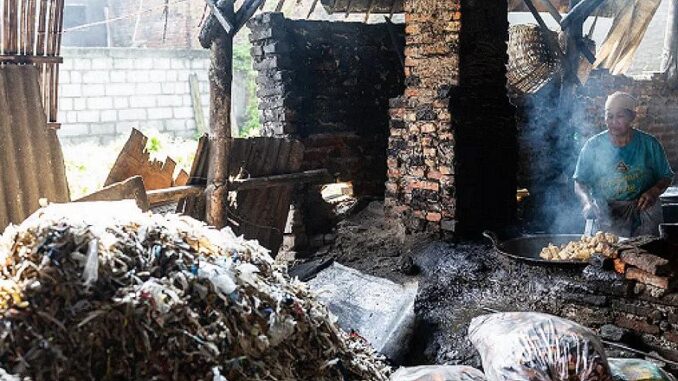
Featured image: A worker fries tofu over a furnace fueled by plastic waste in Tropodo village, Sidoarjo, East Java, Indonesia, May 28, 2025. Plastic waste from America, Europe, and Asia, collected for recycling, is shipped to Indonesia. Some is burned as fuel by tofu makers, producing deadly toxic fumes. (Photo courtesy FairPlanet)
© 2026, Environment News Service. All rights reserved. Content may be quoted only with proper attribution and a direct link to the original article. Full reproduction is prohibited.