KABUL, Afghanistan, December 27, 2025 – A deepening humanitarian crisis looms over Afghanistan as the nation braces for a brutal winter, with the United Nations World Food Programme (WFP) issuing a stark warning: over 17 million Afghans are teetering on the brink of starvation, facing freezing temperatures and intensifying hunger. This alarming surge in food insecurity marks a significant deterioration from previous years, exacerbated by a confluence of natural disasters, economic collapse, and a dramatic decline in international aid.
The WFP, the world’s largest humanitarian organization dedicated to saving lives in emergencies and building pathways to peace through food assistance, finds its resources critically overstretched. The agency, which operates in 120 countries, is struggling to meet the escalating needs in Afghanistan, a nation already grappling with the devastating impacts of conflict, recurrent droughts, and the far-reaching consequences of a warming climate, even in its frigid mountainous regions.
Escalating Hunger and Malnutrition Amidst Harsh Winter Conditions
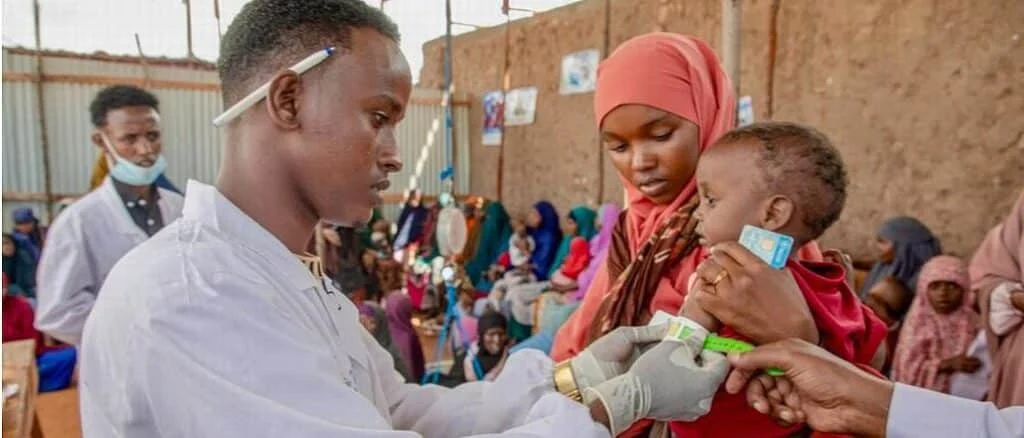
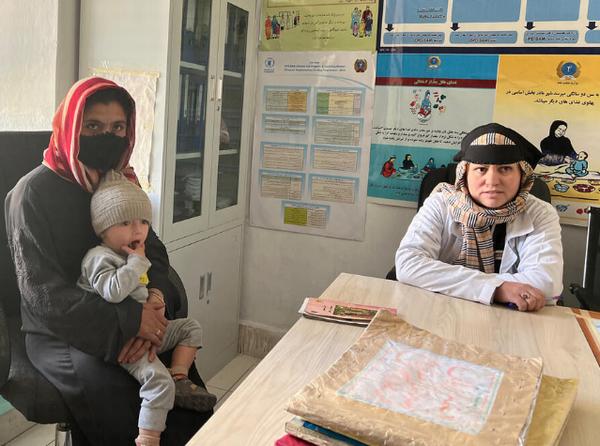
New figures from the Integrated Food Security Phase Classification (IPC) report for Afghanistan paint a grim picture. The number of individuals facing acute hunger or worse (IPC3+) has surged by three million compared to the 14.8 million recorded in the previous year. This escalating hunger is compounded by projections of a sharp rise in child malnutrition, with nearly four million children expected to be affected in the coming year. Afghanistan is already experiencing child malnutrition at its highest levels in decades, and with unprecedented reductions in funding for essential services, access to life-saving treatment is becoming increasingly scarce.
Untreated malnutrition in children is a life-threatening condition, and experts warn that child mortality rates are likely to climb during the harsh winter months, a period when food scarcity is at its most acute. All critical indicators point towards an exceptionally difficult winter for Afghanistan’s most vulnerable families.
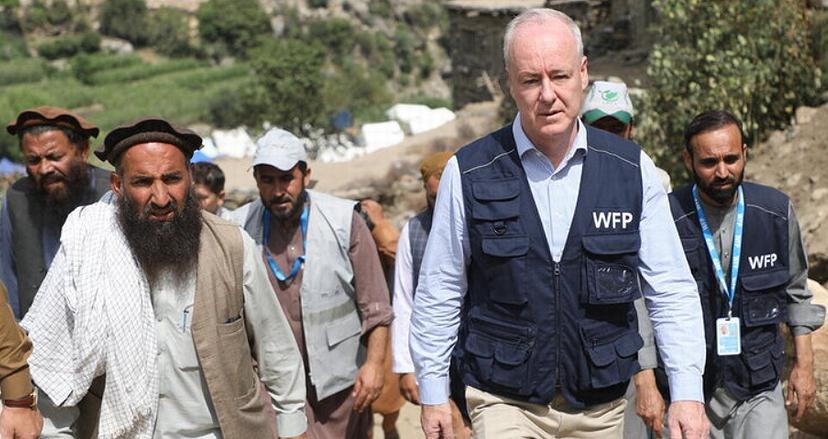
John Aylieff, WFP Country Director in Afghanistan, expressed grave concern over the unfolding situation. "WFP has been warning for months about the clear signs of a deepening humanitarian crisis in Afghanistan, and the latest data confirms our worst fears," Aylieff stated. "Our teams are witnessing families enduring days without meals and resorting to extreme measures to survive. Child deaths are on the rise, and they risk becoming even more severe in the months ahead."
A Confluence of Crises Pushing Millions to the Brink
Afghanistan is facing a multi-faceted crisis that is converging to create a perfect storm of humanitarian need. A prolonged drought has devastated crops across half the country, crippling agricultural livelihoods. Widespread job losses and a severely weakened economy have eroded household incomes, leaving families unable to afford basic necessities, including food. Compounding these challenges, a devastating earthquake struck the nation in the summer of 2025, leaving thousands of families homeless and exacerbating already dire humanitarian needs.
The situation is further strained by the forced return of millions of Afghans from neighboring Pakistan and Iran. Since the beginning of 2025, an estimated 2.5 million Afghans have been repatriated, many arriving in their homeland malnourished and destitute. Projections suggest that nearly as many more could be returned in 2026, placing an immense additional burden on already strained resources and humanitarian services.
Shrinking Aid, Growing Needs: A Dire Funding Gap
Despite the escalating crisis, humanitarian aid for Afghanistan is alarmingly on the decline. This funding shortfall leaves millions without the critical support that has historically been instrumental in curbing severe hunger and malnutrition.
"We need to bring Afghanistan’s crisis back into the headlines to give the most vulnerable Afghans the attention they deserve," Aylieff urged. "We must stand with the people of Afghanistan who depend on critical support to survive, and deploy proven solutions towards a recovery with hope, dignity and prosperity."

For the first time in decades, the World Food Programme lacks the necessary resources to mount a robust winter response while simultaneously scaling up emergency and nutrition support nationwide. The WFP urgently requires an estimated US$468 million to provide life-saving food assistance to six million of Afghanistan’s most vulnerable citizens, enabling them to survive the harsh winter months. With immediate funding, the WFP is prepared to launch a large-scale winter response, aiming to alleviate hunger and prevent further descent into crisis for countless families.
"We engage with traditional donors who are doing all they can," Aylieff explained. "They are stretching their resources, but their capacity is finite. We are appealing to a broader spectrum of potential donors – high-net-worth individuals, foundations, and other entities that may not have previously considered supporting Afghanistan. This is the Afghan people’s hour of greatest need. For decades, donors have partnered with WFP to save countless lives, particularly during periods like winter when hunger peaks. Currently, the available resources are critically insufficient."
Global Food Insecurity: A Widening Crisis
The plight of Afghanistan is symptomatic of a broader, escalating global food insecurity crisis. The World Food Programme has warned of a food crisis affecting 68 countries, with a staggering 318 million people expected to face crisis levels of hunger or worse in 2026. This figure represents more than double the number recorded in 2019, according to the WFP’s 2026 Global Outlook.
The global landscape is marked by unprecedented challenges, including the confirmation of two simultaneous famines in parts of Gaza and Sudan, a grim milestone not seen this century. The WFP attributes the escalating global food crises to a complex interplay of four primary drivers: conflict, climate change, economic instability, and displacement.
Conflict: Nearly 70 percent of acutely food-insecure individuals in 2025 resided in fragile or conflict-affected countries. Violence and instability in regions spanning the Middle East, Africa, the Caribbean, South Asia, and Eastern Europe are of particular concern. Conflict not only disrupts food production but also displaces populations, decimates livelihoods, and frequently impedes the delivery of vital humanitarian aid to those most in need.
Climate Change: The climate crisis is identified as a principal driver of the dramatic rise in global hunger. Climate shocks, including extreme weather events, devastate lives, destroy crops, and undermine people’s ability to feed themselves. The WFP emphasizes that without immediate and decisive climate action, global hunger is at risk of spiraling out of control.
Economic Factors: Sluggish global economic growth, coupled with economic stressors stemming from the lingering effects of the pandemic and the war in Ukraine, continues to disproportionately impact low- and middle-income countries. These economic pressures limit investments in crucial social protection programs at a time when food prices remain at crisis levels, creating a vicious cycle of scarcity.
Displacement: Forcibly displaced populations are inherently vulnerable to food insecurity. This vulnerability is amplified by limited access to employment, adequate food, and shelter, as well as an increasing reliance on dwindling humanitarian assistance.
Pathways to Resilience and Recovery
The WFP stresses that an end to the global food crisis necessitates a coordinated, multi-sectoral effort involving governments, financial institutions, the private sector, and a wide array of partners. The organization points to the example of Somalia, where a unified international response in 2022 successfully averted a widespread famine.
Achieving sustainable solutions requires political and diplomatic interventions to strengthen peacebuilding initiatives and guarantee safe, unrestricted access for humanitarian actors across borders and conflict lines. Such measures are crucial for saving lives and preventing the further spread of hunger catastrophes.
While the immediate focus remains on averting widespread famine and providing emergency relief, the WFP also champions a long-term approach centered on building resilience and addressing the root causes of hunger. The agency’s work encompasses adapting to climate change, promoting good nutrition, and improving food systems, all of which lay the groundwork for a more prosperous and food-secure future for millions.
Examples of resilience-building initiatives include transforming barren land into productive agricultural and grazing areas in the Sahel region of Africa and implementing climate insurance programs like the R4 Rural Resilience initiative, which has benefited hundreds of thousands of vulnerable households across multiple continents. Furthermore, the WFP collaborates with governments in 83 countries to strengthen national safety nets and nutrition-sensitive social protection systems, enhancing the agency’s ability to deliver emergency food assistance effectively.
However, persistent funding shortfalls continue to force the WFP to scale back its operations and reallocate resources to the most critical needs. This, coupled with ongoing access constraints in some regions, means that some of the most vulnerable populations are being left behind. The WFP warns that without adequate resources and unrestricted humanitarian access, the cost will be measured in lost lives and the reversal of hard-won development gains.
The critical route connecting Kabul with northern and southern Afghanistan, the Salang Pass, is a vital artery for humanitarian supply lines, underscoring the logistical challenges and the importance of maintaining open access for aid delivery. As winter descends, the urgency to secure funding and ensure unimpeded access to those in need has never been greater, with the fate of millions hanging precariously in the balance.
© 2025, Environment News Service. All rights reserved. Content may be quoted only with proper attribution and a direct link to the original article. Full reproduction is prohibited.