
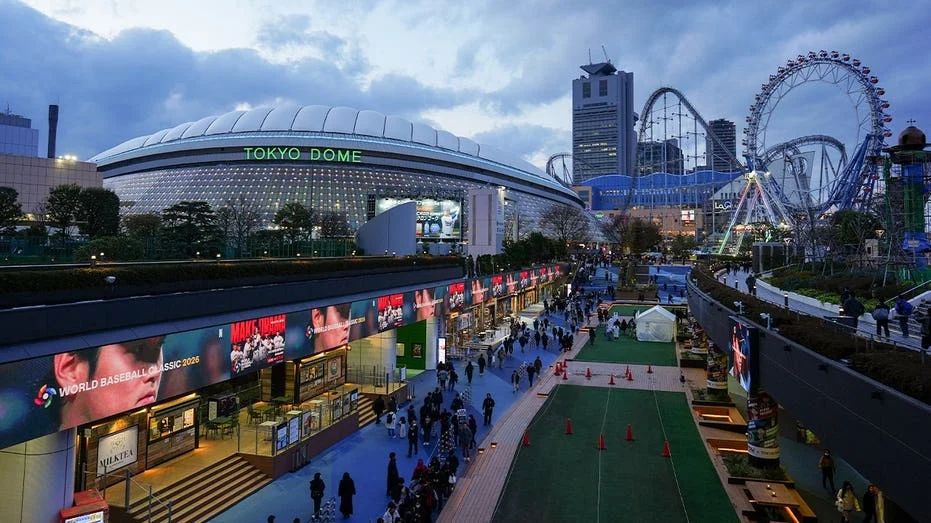
Tokyo, Japan – A routine monthly maintenance check at Tokyo Dome City Attractions turned tragic on Tuesday when a 24-year-old employee, Kamimura Hina, died after becoming trapped within the mechanism of the "Flying Balloon" ride. The incident, which occurred at one of Tokyo’s prominent urban theme parks, has prompted an immediate suspension of all park operations and launched a comprehensive investigation by local authorities and the park’s management.
The devastating accident unfolded during scheduled maintenance activities on the "Flying Balloon" ride, a popular attraction known for its ascending and rotating gondolas. According to initial reports from Tokyo Dome City Attractions and corroborated by local media outlet NHK World Japan, Ms. Kamimura was among a team of six employees conducting the inspection when the unforeseen incident occurred. She was reportedly working on a stepladder near the central pillar of the ride when the raised seats, which had been elevated to allow access to the mechanism, unexpectedly descended. This sudden movement trapped her against the central structure of the ride.
Emergency services, including police and fire department personnel, were immediately dispatched to the scene. However, the complex nature of the entrapment within the ride’s intricate machinery presented significant challenges for rescue teams. It took approximately five excruciating hours to extricate Ms. Kamimura from the mechanism. Following her rescue, she was rushed to a nearby hospital, where she was tragically pronounced dead.
Details of the Incident and Rescue Efforts
The "Flying Balloon" ride, a common attraction type in amusement parks worldwide, features 12 seats arranged in a circular configuration around a central hydraulic or mechanical pillar. Passengers typically experience a gentle ascent to a height of approximately 30 feet while rotating, offering panoramic views of the park. During maintenance, it is standard procedure to elevate the ride’s components to provide technicians with access to critical parts for inspection, lubrication, and repair.
On the day of the incident, Ms. Kamimura and her colleagues were engaged in a monthly inspection, a more thorough check than daily operational assessments. This type of inspection typically involves detailed examination of hydraulic systems, electrical wiring, structural integrity, and safety interlocks. The preliminary understanding is that the ride’s seats, which were in an elevated position to facilitate this work, unexpectedly moved downwards, pinning Ms. Kamimura.
The protracted rescue operation highlights the inherent difficulties in extricating individuals from complex industrial machinery. Emergency responders often face challenges related to stabilizing heavy components, navigating confined spaces, and working with potentially unstable structures, all while prioritizing the safety of both the victim and the rescue team. The duration of the rescue efforts underscores the severity of Ms. Kamimura’s entrapment and the mechanical complexities involved in freeing her.
Background of Tokyo Dome City Attractions
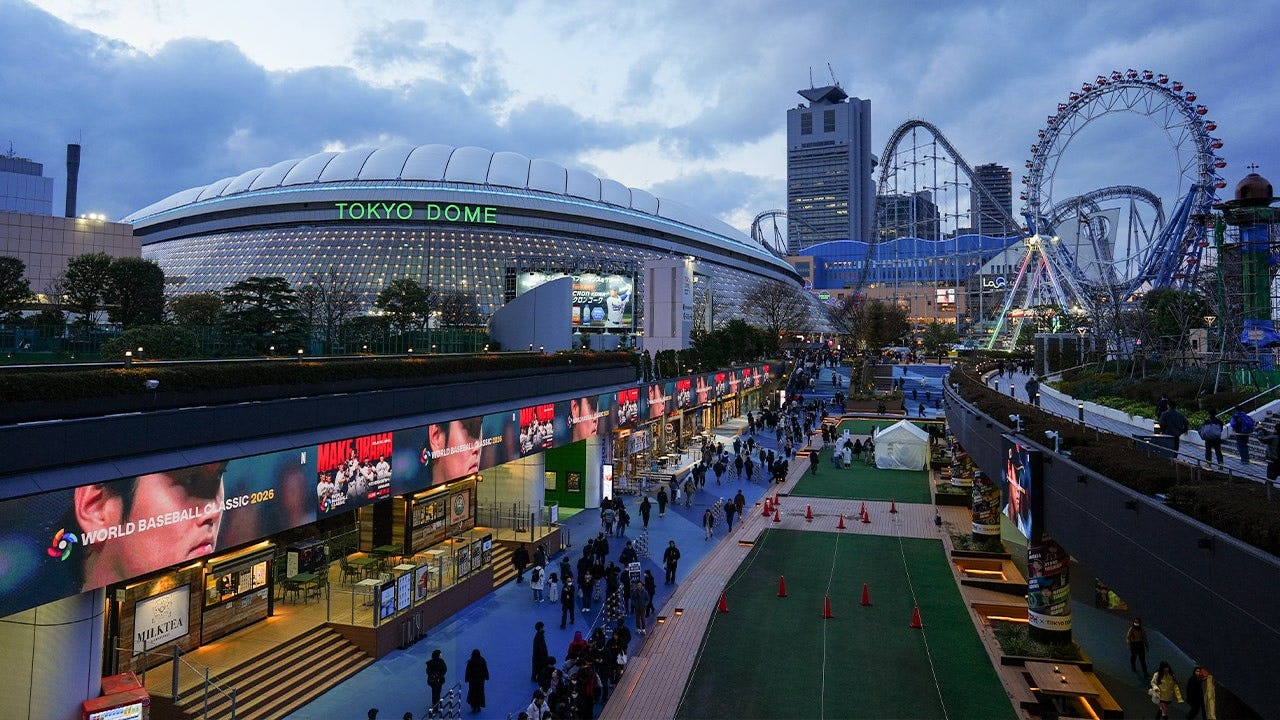
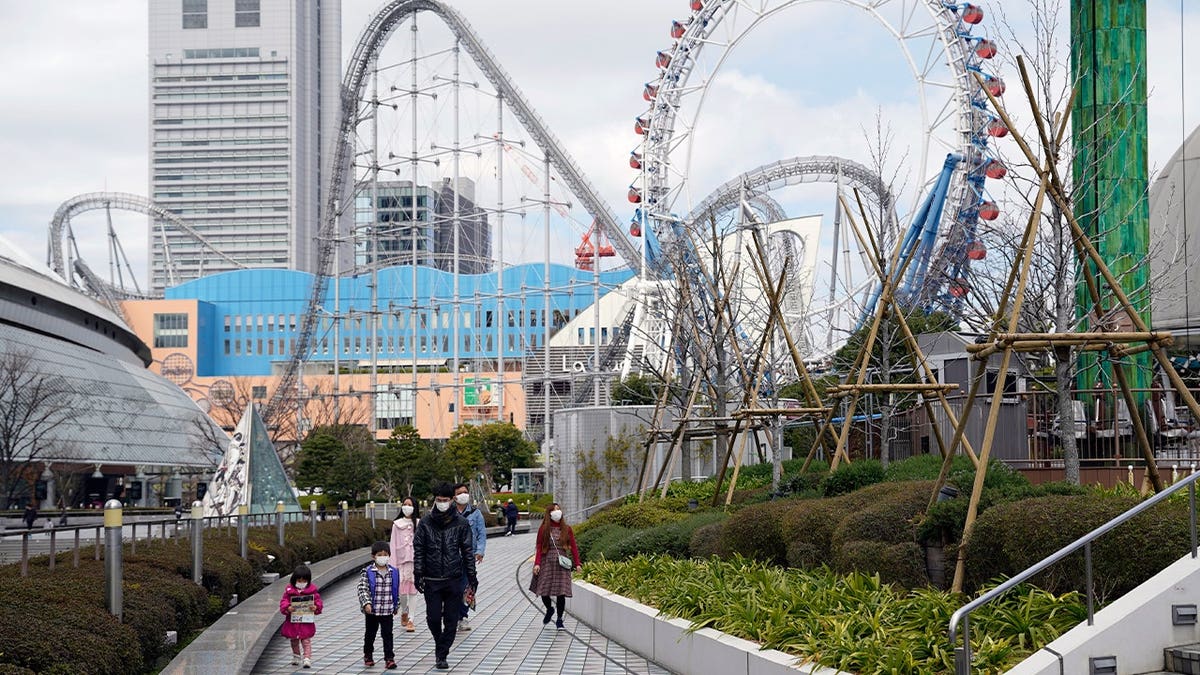
Tokyo Dome City Attractions is an integral part of the larger Tokyo Dome City complex, a sprawling entertainment hub located in Bunkyo, Tokyo. The complex includes the iconic Tokyo Dome baseball stadium, the Tokyo Dome Hotel, a shopping mall, and various other entertainment facilities. The amusement park itself is distinct for its urban setting, with several rides integrated into the cityscape, including the Thunder Dolphin roller coaster, which famously weaves through buildings, and the Big O Ferris wheel, which boasts the world’s first centerless design.
Opened in 1994 as "Korakuen Yuenchi," the park was rebranded to its current name in 2003. It draws millions of visitors annually, offering a mix of thrill rides and family-friendly attractions. As a major entertainment venue in one of the world’s busiest cities, Tokyo Dome City Attractions operates under stringent safety regulations imposed by Japanese authorities. The park has a long history of operations, and incidents of this severe nature are exceedingly rare, making this fatality a shock to both the public and the industry.
Official Statements and Immediate Response
Following the tragedy, Tokyo Dome City Attractions released a statement expressing profound sorrow and offering condolences to Ms. Kamimura’s family. The company acknowledged the incident and confirmed the employee’s death, stating, "During routine maintenance work on the ride, one of our employees became trapped within the ride’s gondola mechanism. Following rescue operations, the employee was transported to a hospital, where their death was subsequently confirmed."
The statement further conveyed deep apologies to the bereaved family and to all customers and stakeholders affected by the incident. "We offer our deepest prayers for the repose of the deceased employee’s soul, and we extend our profound condolences and apologies to their bereaved family," the company stated. "We also wish to offer our sincere apologies once again to all customers and stakeholders who have been inconvenienced and caused anxiety as a result of this accident."
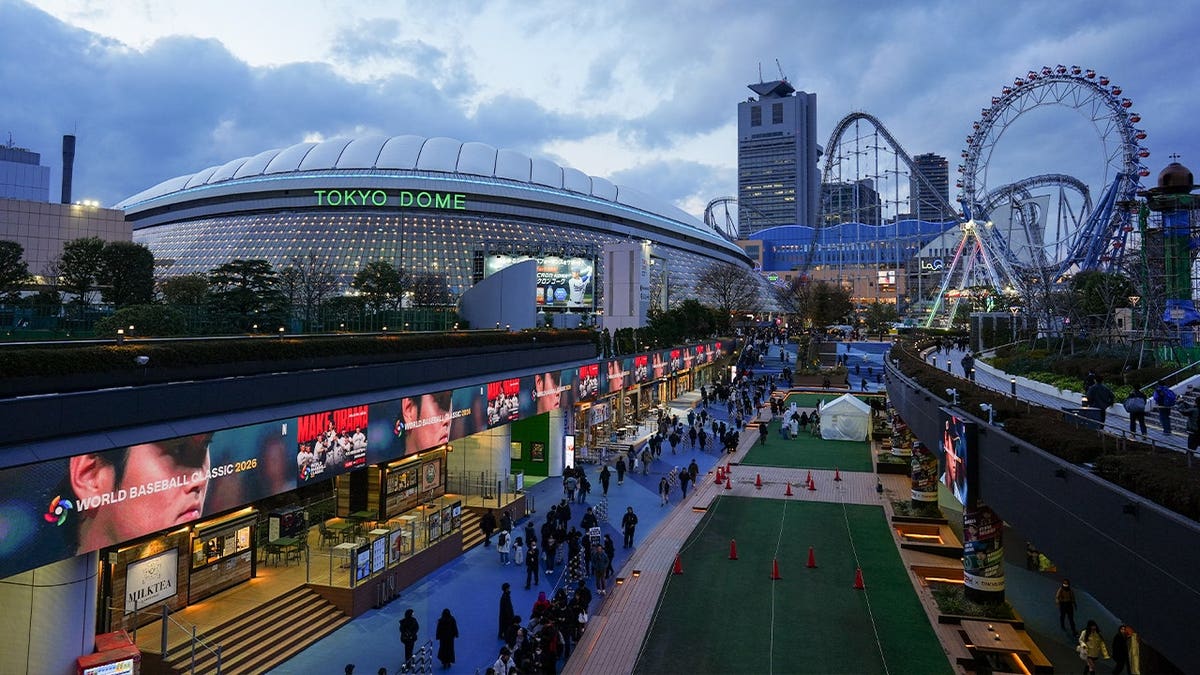
In light of the fatality, Tokyo Dome City Attractions announced the immediate and indefinite suspension of operations for all rides within the amusement park. This measure was taken to allow for a full-scale investigation into the cause of the accident and to implement necessary preventative measures. The company affirmed its commitment to cooperating fully with all relevant authorities, including the police and fire department, in their ongoing investigation.
Investigation and Regulatory Scrutiny
The investigation into Ms. Kamimura’s death is expected to be thorough and multi-faceted. Police are examining the incident from a potential criminal negligence standpoint, focusing on whether any breaches of safety protocols or operational errors contributed to the tragedy. The fire department will contribute its findings from the rescue operation, which may shed light on the mechanical aspects of the entrapment.
Beyond these immediate investigations, Japan’s Ministry of Health, Labour and Welfare, which oversees workplace safety standards, is likely to launch its own inquiry. This will focus on adherence to industrial safety regulations, particularly those concerning maintenance procedures for complex machinery. Key areas of investigation will include:
- Lockout/Tagout Procedures: Whether proper lockout/tagout (LOTO) procedures were in place and strictly followed. LOTO protocols are critical in industrial settings to ensure that machinery is de-energized and cannot be accidentally started or moved during maintenance, preventing unexpected energy release.
- Training and Supervision: The level of training provided to maintenance staff and the adequacy of supervision during the inspection.
- Ride Mechanism Integrity: Whether there was a mechanical failure in the "Flying Balloon" ride’s elevation system that caused the seats to descend unexpectedly. This could involve issues with hydraulics, electrical controls, or structural components.
- Safety Interlocks: Examination of any safety interlock systems designed to prevent such movements during maintenance.
- Emergency Protocols: The effectiveness of the park’s internal emergency response protocols and coordination with external emergency services.
Broader Implications for Theme Park Safety
This tragic event casts a spotlight on worker safety within the amusement park industry, an aspect often overshadowed by public focus on rider safety. While theme park accidents involving guests garner significant media attention, incidents involving employees during maintenance, construction, or operation are also a critical concern for regulators and park operators.
Japan has a generally robust safety record in its public infrastructure and entertainment industries. However, even with stringent regulations, the potential for human error or unforeseen mechanical failures always exists, especially when dealing with large, complex machinery. According to the Japan Institute for Labour Policy and Training, while overall workplace fatalities have been declining in Japan, incidents in specific sectors like manufacturing and construction (which share operational similarities with ride maintenance) remain a focus for safety improvements.
Globally, theme park worker safety is governed by a combination of national labor laws, industry-specific standards (such as those from the International Association of Amusement Parks and Attractions – IAAPA), and individual park policies. The incident at Tokyo Dome City Attractions may prompt a review of these protocols, not just within Japan but potentially across the international amusement industry, particularly concerning rides with similar mechanical elevation systems.
The indefinite closure of Tokyo Dome City Attractions, a major entertainment venue, will undoubtedly have significant economic ramifications, affecting not only the park’s revenues but also ancillary businesses within the Tokyo Dome City complex. More importantly, it underscores the profound impact such incidents have on public trust and the psychological well-being of employees and the broader community.
Looking Ahead
The investigation is expected to be extensive, potentially taking weeks or months to conclude. The findings will be crucial in determining the exact cause of the accident and in identifying any systemic failures or individual errors. Depending on the outcome, there could be significant legal consequences, including potential charges against individuals or the corporation, as well as civil lawsuits from the victim’s family.
Beyond legal ramifications, the focus will shift to preventative measures. This could involve upgrades to existing ride mechanisms, implementation of enhanced safety interlocks, revision of maintenance protocols, more rigorous training for technical staff, and improved emergency response strategies. The tragic death of Kamimura Hina serves as a somber reminder of the critical importance of uncompromising safety standards in all aspects of amusement park operations, particularly in the unseen, yet vital, work of maintenance.
The public will keenly watch for the results of the investigation and the subsequent actions taken by Tokyo Dome City Attractions and regulatory bodies to ensure that such a devastating incident is never repeated. The priority remains to understand what went wrong and to implement all necessary changes to safeguard the lives of both patrons and the dedicated employees who work tirelessly behind the scenes to keep these entertainment complexes running.