
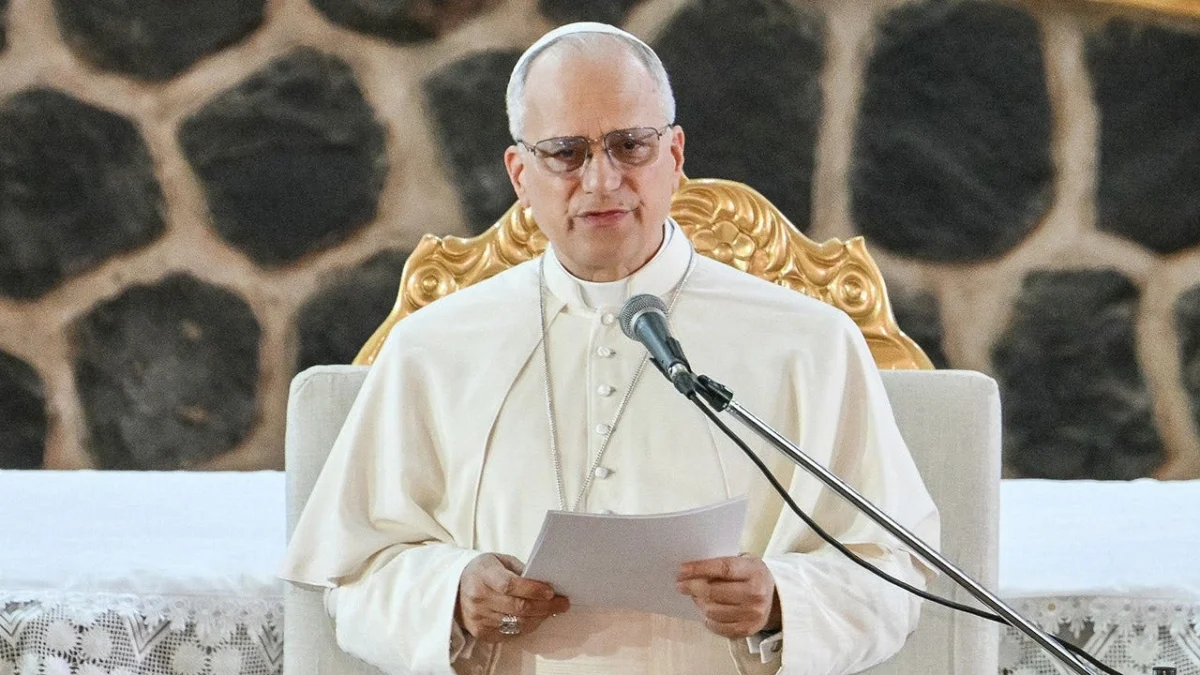
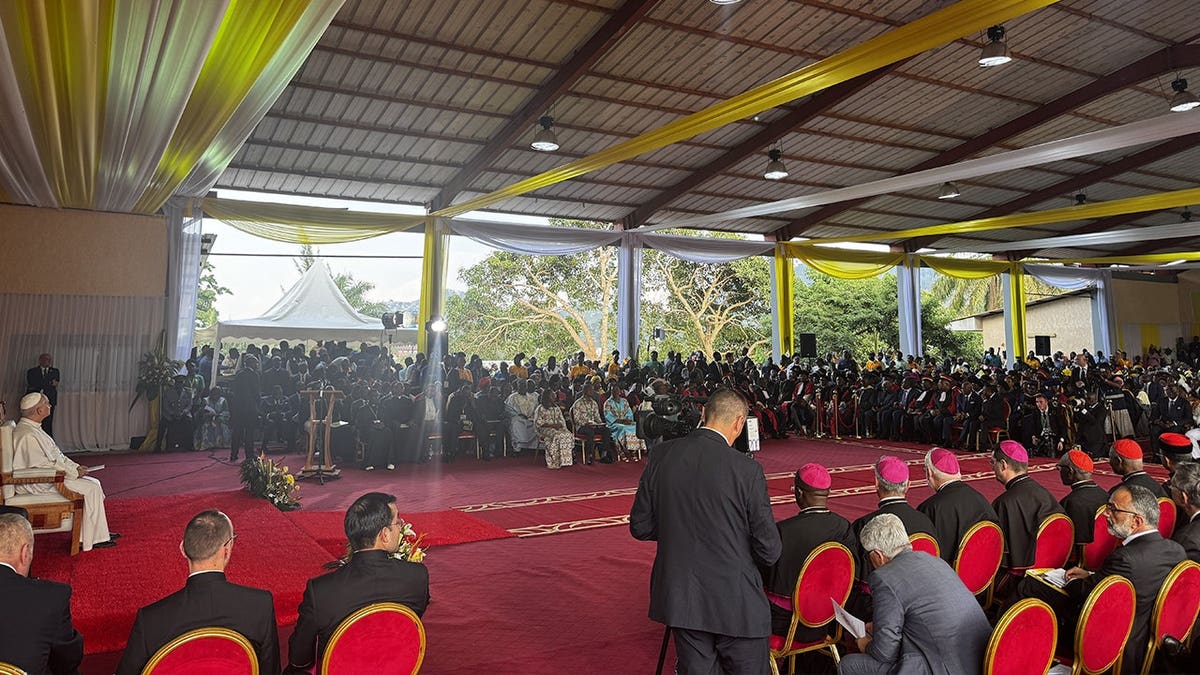
Yaoundé, Cameroon – Last Friday, in a pivotal address during his 11-day apostolic journey across Africa, Pope Leo XIV delivered a fervent appeal to the continent’s youth, urging them to channel their aspirations and talents into the betterment of their home countries rather than seeking opportunities abroad. Speaking to a diverse assembly of university students at the Catholic University of Central Africa in Yaoundé, the capital of Cameroon, the leader of the Roman Catholic Church articulated a vision of empowered African youth as architects of their nations’ future. His message resonated deeply within a continent grappling with complex migration challenges, economic disparities, and persistent governance issues.
A Call for Patriotic Service and Local Development
The Pontiff’s remarks were a direct response to the "understandable tendency to migrate," a phenomenon he acknowledged stems from the belief that "elsewhere a better future may be more easily found." However, Pope Leo XIV challenged this perception, inviting the students, who represent the intellectual vanguard of their societies, to cultivate "an ardent desire to serve your country and to apply the knowledge you are acquiring here to the benefit of your fellow citizens." This profound call to service underscored the Vatican’s long-standing emphasis on self-determination and the development of local capacities, aligning with principles of integral human development championed by the Church.
His apostolic journey, a significant pastoral undertaking for the Pope, aimed to strengthen the faith, foster dialogue, and address pressing social and humanitarian concerns facing African communities. The choice of Yaoundé, a bustling academic and cultural hub, as a platform for this particular message was strategic, targeting those most equipped to drive change. The Catholic Church, with its extensive network of educational institutions across Africa, plays a crucial role in shaping young minds, making this audience particularly receptive to a message emphasizing civic duty and ethical leadership. The Pope’s presence in Cameroon, a nation rich in cultural diversity but also facing its own share of regional challenges, highlighted the universal applicability of his message across the continent.
Understanding the Complexities of African Migration
Pope Leo XIV’s appeal comes at a time when displacement within and from Africa has reached unprecedented levels. The World Migration Report, a comprehensive analysis of global migration trends, paints a stark picture of the challenges driving millions from their homes. In 2020 alone, an estimated 21 million Africans were recorded as living in another African country, underscoring the significant scale of internal and intra-continental migration driven by regional conflicts, economic disparities, and environmental factors. This internal movement, while often less publicized than overseas migration, places immense pressure on host communities and infrastructure, demanding robust regional policy responses.
The trend of overseas African migration has also seen a dramatic increase, more than doubling between 1990 and 2020. The allure of perceived better economic prospects, educational opportunities, and greater security in developed nations continues to draw a significant portion of Africa’s population. In 2020, approximately 11 million Africans had migrated to Europe, 5 million to Asia, and 3 million to Northern America. These figures represent a complex web of individual decisions, family aspirations, and broader socio-economic and political forces. The journeys undertaken are often fraught with peril, including dangerous sea crossings, exploitation by traffickers, and the emotional toll of separation from family and culture. The Pope’s remarks, therefore, were not a condemnation of migration itself, but rather a profound encouragement to weigh the transformative potential of investing one’s talents locally against the uncertainties and challenges of seeking opportunities abroad.
Addressing Systemic Issues: Corruption and Governance
Beyond individual choices, Pope Leo XIV directly confronted the systemic issues that act as powerful push factors for migration. He emphasized that each country’s rising generations must be "committed to society," reflect their nations’ needs, and courageously confront these deeply entrenched problems. Chief among these, he highlighted corruption. "Africa, indeed, must be freed from the scourge of corruption. For young people, this awareness must take root from their years of formation," he declared, linking early moral development to future national integrity.
Corruption, a pervasive challenge across many African nations, diverts critical resources from public services like education, healthcare, and infrastructure, directly undermining development and limiting opportunities for youth. Organizations like Transparency International consistently highlight how corruption erodes public trust, perpetuates poverty, and fuels instability, making it a significant driver of forced and voluntary migration. The Pope’s insistence on tackling corruption at the foundational level of youth education and spiritual formation underscores the long-term, ethical approach needed to build just and equitable societies. He envisioned young people as "witnesses of wisdom and justice," essential qualities for the African continent to overcome its deep-seated challenges.
Education and Spiritual Formation: Pillars of a Just Future
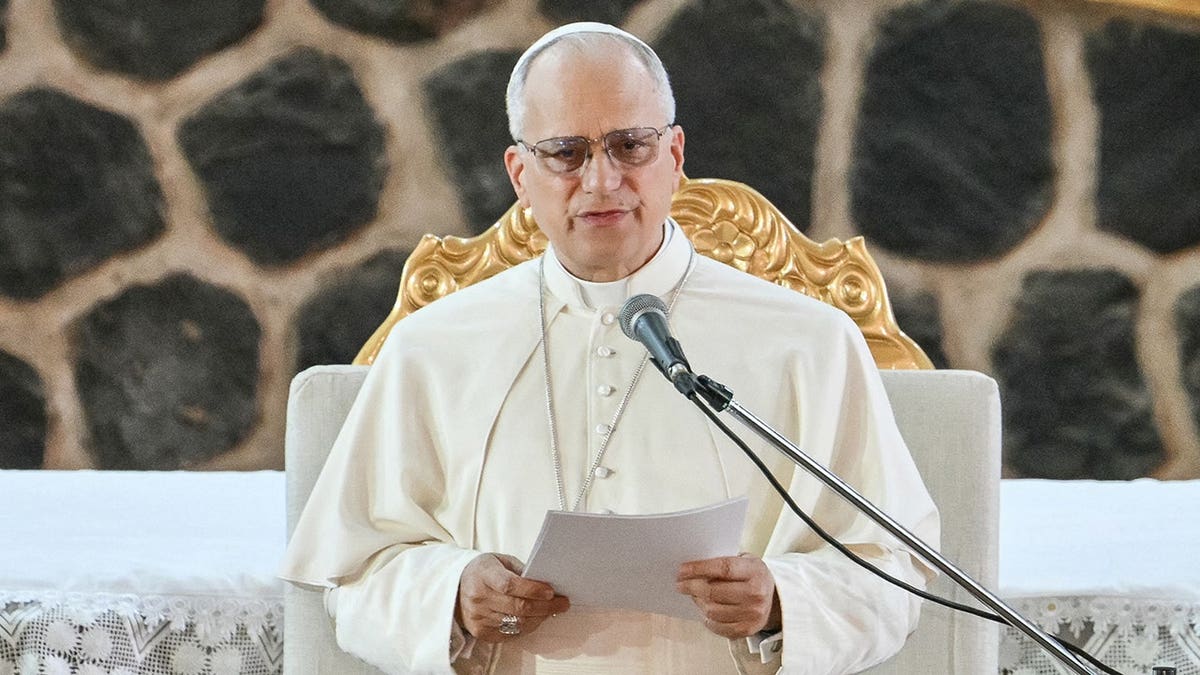
Pope Leo XIV reiterated that through comprehensive education and robust spiritual formation, young Africans "learn to become builders of the future of your respective countries and of a world that is more just and humane." This statement encapsulates the Church’s holistic view of human development, where intellectual growth is intertwined with moral and spiritual grounding. Catholic universities, like the one in Yaoundé, are seen as vital incubators for such leadership, instilling not only academic knowledge but also ethical values, social responsibility, and a commitment to serving the common good.
The educational landscape in Africa is diverse, with significant disparities in access and quality. However, institutions supported by the Church often provide critical educational opportunities, particularly in underserved areas. By emphasizing the role of these institutions in nurturing future leaders, the Pope underscored the importance of investing in human capital, fostering critical thinking, and promoting values that counteract the forces of corruption and despair. He implicitly called for governments, civil society, and international partners to bolster these efforts, recognizing that an educated, ethically grounded youth population is the most potent force for sustainable development and peace.
Geopolitical Undercurrents: Papal-Presidential Tensions
The Pontiff’s powerful message to African youth unfolded against a backdrop of recent geopolitical tensions between the Vatican and the United States. Just days prior to his Yaoundé address, President Donald Trump had publicly criticized Pope Leo XIV on Truth Social, labeling him "weak on crime, and terrible for foreign policy." This sharp rebuke followed the Pope’s outspoken criticism of what he termed the "U.S.-Israeli war in Iran," and his fervent appeal for a return to peace in the volatile Middle East. The Vatican, under Pope Leo XIV, has consistently advocated for diplomatic solutions and humanitarian considerations in international conflicts, often placing it at odds with more hawkish foreign policy stances.
The U.S.-Israeli military involvement in Iran, which had escalated significantly in the preceding weeks, had drawn widespread international condemnation, with the Holy See expressing particular alarm over the humanitarian consequences and the potential for regional destabilization. Pope Leo XIV’s call for an end to hostilities and a renewed commitment to dialogue reflected the Vatican’s traditional role as a voice for peace and reconciliation on the global stage. This position, rooted in centuries of diplomatic engagement and moral authority, often transcends national political interests, sometimes leading to friction with powerful state actors.
The exchange between President Trump and Pope Leo XIV was not an isolated incident. Tensions between the two had reportedly simmered for several days, culminating in the President’s public broadside. In response, Pope Leo XIV, with characteristic humility and a focus on his spiritual mandate, stated last Saturday that it was "not in my interest at all" to debate the president. This statement underscored his desire to remain above partisan political fray, focusing instead on his role as a universal pastor and moral leader. His consistent insistence on bridging divides among nations and promoting peace and reconciliation highlights a papacy deeply committed to global harmony, even when it means challenging powerful political figures. This diplomatic posture, while often perceived as political intervention, is viewed by the Vatican as a moral imperative derived from its mission to advocate for human dignity and universal fraternity.
Implications and Broader Impact
Pope Leo XIV’s address in Yaoundé carries significant implications for various stakeholders. For African youth, his words serve as both an affirmation of their potential and a profound challenge to embrace their responsibilities. It encourages a shift in mindset, from viewing migration as the primary solution to problems, to recognizing the immense power within their own nations to effect change. This is not to diminish the legitimate reasons for migration, but to empower those who remain to become agents of transformation.
For African governments, the Pope’s message is an implicit yet powerful call to address the root causes of migration, particularly corruption, lack of economic opportunity, and political instability. His emphasis on justice and good governance provides a moral framework for leadership and policy-making, urging leaders to create environments where young people can thrive and contribute meaningfully to their societies. International organizations and development partners may also find in the Pope’s words a reinforcement of strategies that prioritize local capacity building, youth empowerment, and ethical governance as foundational elements of sustainable development.
The wider impact of Pope Leo XIV’s journey and pronouncements extends beyond Africa. It reaffirms the global Catholic Church’s role as a moral compass, actively engaging with contemporary challenges such as migration, conflict, and governance. His willingness to directly address sensitive political issues, even at the risk of friction with world leaders, underscores a papacy unafraid to speak truth to power in pursuit of peace and human dignity. As the world continues to grapple with complex migratory flows and geopolitical tensions, Pope Leo XIV’s consistent advocacy for local empowerment, ethical leadership, and diplomatic solutions offers a compelling vision for a more just and humane global order. The success of his vision for Africa will ultimately depend on the collective response of its youth, its leaders, and the international community to the urgent call for transformation from within.