
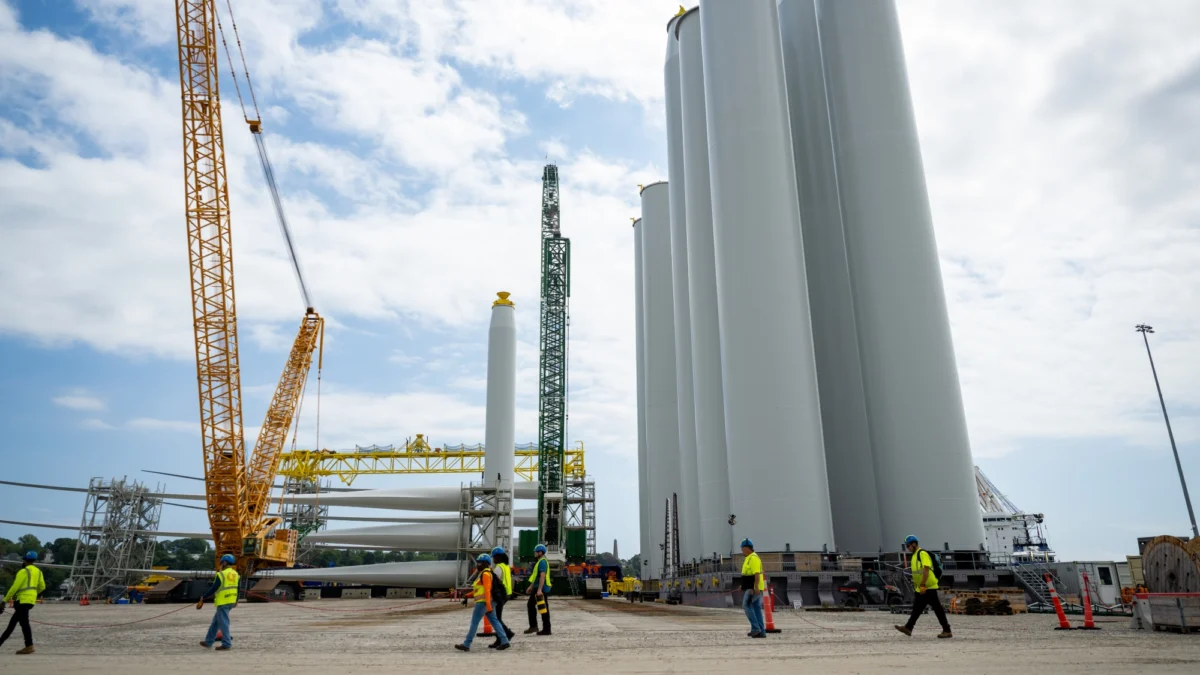
The renewable energy sector in the United States, particularly solar power, is experiencing an unexpected surge, defying earlier predictions of decline that loomed last spring. Despite initial concerns over Republican-led efforts in Congress to curtail incentives and the Interior Department’s introduction of complex regulations potentially impacting clean energy development on federal lands, solar power has not only persevered but is thriving. This resilience is fueled by a confluence of factors, including growing demand from data centers, evolving political landscapes, and the inherent cost-effectiveness and speed of solar deployment compared to traditional energy sources.
Navigating Political Obstacles and Regulatory Hurdles
Last year, the renewable energy landscape appeared precarious. Congressional Republicans initiated moves to scale back the Inflation Reduction Act, casting uncertainty over lucrative tax credits for wind and solar projects. Concurrently, the Interior Department implemented a series of intricate regulations designed to restrict clean energy development on federal lands. These measures sparked fears that they could extend their restrictive reach to private land development as well. While these regulations have indeed presented challenges, particularly for the wind industry, the trajectory for solar power has taken a notably different and more positive turn.
The past year has witnessed a sustained boom in solar energy. This growth is occurring even as some MAGA influencers begin to champion the technology, and there is growing optimism about potential legislative action aimed at accelerating the approval process for new projects. The industry’s expansion is further propelled by the insatiable energy requirements of data centers, which are actively seeking fast and cost-effective power solutions. Demonstrating a pragmatic approach, even the Trump administration has approved several significant solar projects that had previously been stalled by the new Interior Department regulations. In February, an announcement confirmed that several solar projects, previously hindered by these regulations, would now be permitted to proceed.
Hannah Hess, director of the Rhodium Group’s Clean Investment Monitor team, commented on this phenomenon, stating, "I feel like there has been so much written that’s like, ‘The Trump administration is delaying this stuff. It’s holding it all up in red tape. Nothing’s getting built.’ When we look at the data, that’s not true.” Her assessment is supported by compelling data. Combined, solar and battery storage—a critical component for storing excess energy—accounted for a substantial 79 percent of all power generation brought online in 2025. Projections indicate continued robust growth, with an anticipated increase of 49 percent before the Inflation Reduction Act’s tax credits expire at the end of 2027. This sustained expansion underscores the fundamental economic drivers and technological advancements propelling the solar sector.
A Shifting Conservative Stance: Affordability and Energy Dominance
While support for solar power among some segments of the Republican base has been complicated by partisan culture wars in recent years, a significant shift is observable when the issue is framed around affordability. A recent poll conducted by GoodPower and NORC at the University of Chicago revealed that a substantial 69 percent of Republicans express support for solar energy, provided it demonstrably lowers electricity costs.
The Solar Energy Industries Association (SEIA), the primary lobbying group for the solar industry, has strategically aligned its messaging with President Donald Trump’s "energy dominance" agenda, emphasizing how solar power reduces energy expenses for both households and businesses. A blog post from SEIA in February highlighted this sentiment: "Conservative voters are drawing a clear distinction between rhetoric and practical solutions that lower costs." This approach appears to be resonating, suggesting that economic benefits are a powerful persuasive tool within conservative circles.
This evolving perspective is also evident among prominent conservative figures. Katie Miller, a former Trump administration official and wife of Stephen Miller, a key policy advisor in the White House, has become a vocal proponent of solar, describing it as the "energy of the future." In a February post on X, she stated, "Giant fusion reactor up there in the sky – we must rapidly expand solar to compete with China." Her sentiment reflects a growing awareness of solar’s potential in an increasingly competitive global energy market.
Furthermore, Energy Secretary Chris Wright, who had previously been a vocal critic of solar power, has begun to acknowledge its potential benefits. In remarks made in February, he posed the question, "Is there a commercial role for solar power that can add to the grid affordable, reliable energy? Certainly there is.” This measured acknowledgment from a high-ranking official signals a pragmatic reassessment of solar’s place in the nation’s energy portfolio, prioritizing its ability to contribute to affordable and reliable power.
Data Centers Drive Demand: A New Frontier for Solar
The burgeoning demand from data centers has emerged as a primary catalyst for solar power’s current boom. These massive facilities, essential for the digital economy, require immense and consistent power. Developers are increasingly turning to solar as a complementary energy source to traditional fossil fuels, rather than viewing it as a competitor.
Jim DesJardins, executive director of the Renewable Energy Industries Association of New Mexico, described the scale of this demand as "crazy" and "scary, almost." He noted a significant shift in focus: "Five years ago, we were talking about an increase in load from EVs and building electrification – we’re not talking about that anymore. It’s all data centers and how are you going to power them.” The urgency is palpable, as the sheer scale of energy required by these facilities necessitates rapid and scalable solutions.
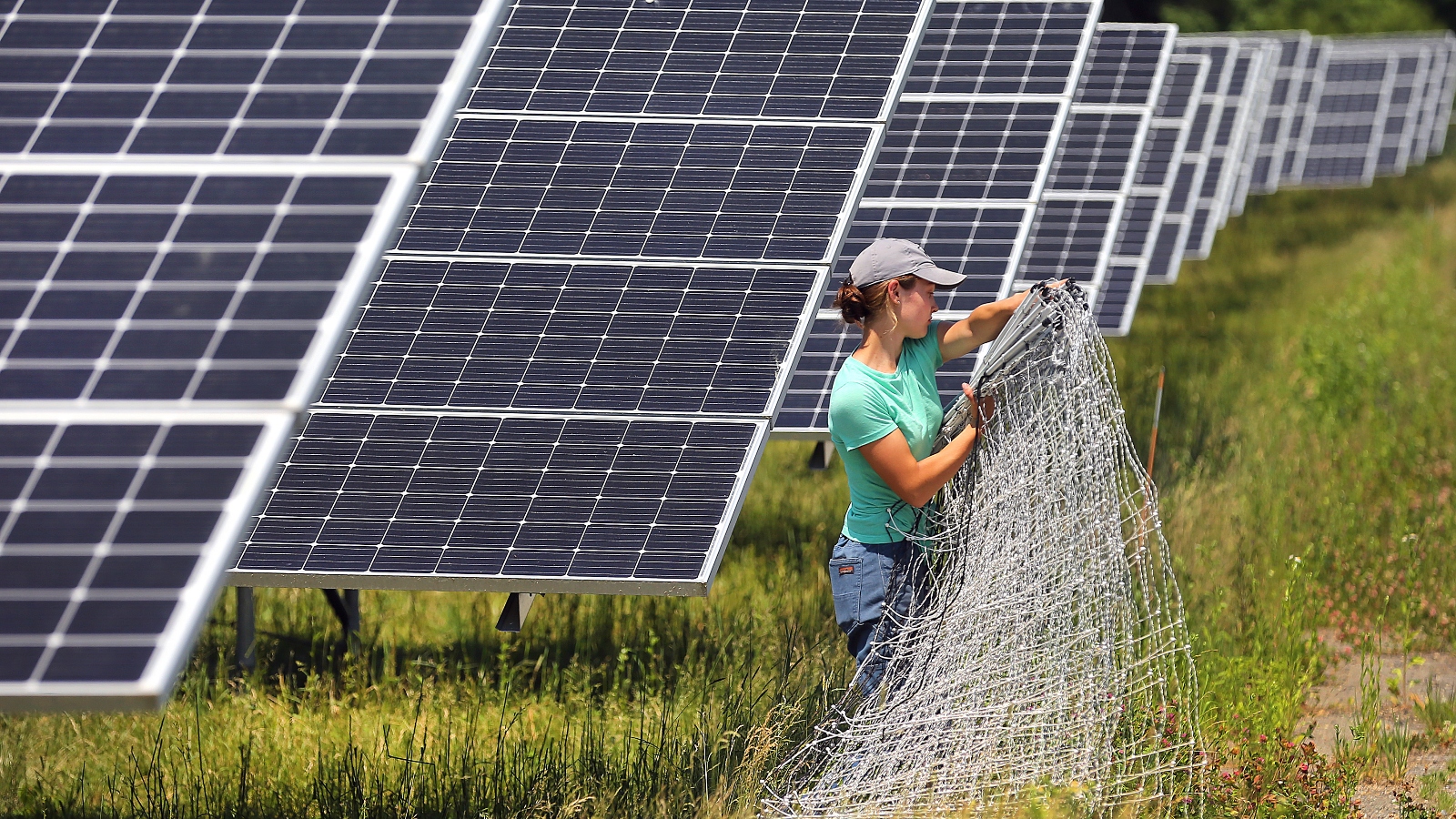
This burgeoning demand has even fostered unexpected collaborations. DesJardins pointed out that this year marked the first time the New Mexico Oil and Gas Association reached out to sponsor the renewable energy association’s annual conference, indicating a recognition of the interconnectedness of energy sectors and the potential for synergistic growth.
The Turbine Bottleneck: Solar’s Advantage in Speed and Cost
The current shortage of gas turbines—critical components for converting fuel into electricity for steady power generation—is creating significant delays for new natural gas power plants. This bottleneck is a major factor driving data center developers towards solar. The backlog for gas turbines alone is estimated to be between five and nine years, according to Mike Hall, CEO of Anza Renewables, an energy intelligence and procurement platform.
Hall elaborated on the challenges associated with gas-fired power plants: "Then you’ve got to permit it. Then you’ve got to be near a gas pipeline for fuel, and then you’ve got the climate and the carbon issues.” These inherent complexities and lengthy timelines make gas-fired power plants increasingly less attractive for data center developers seeking swift and sustainable energy solutions.
A recent study by the analytics company Sightline Climate found that up to half of data center deals this year could be delayed due to power constraints and local opposition. This stark reality is prompting developers to recognize that waiting in line for a gas turbine could be detrimental to their operational success. In contrast, solar projects, especially on private land, can be deployed much more rapidly.
Persistent Challenges and the Promise of Permitting Reform
Despite the sector’s impressive growth, solar power is not without its hurdles. Mike Hall acknowledged that while the Interior Department’s regulations have created challenges for projects on federal land, they have not significantly slowed down development on private land. The primary bottlenecks remain, as they have for some time: local permitting processes and the complex task of interconnection with utility grids. Hall noted, "The bottlenecks are typically still local permitting and interconnection with utilities – those are still major challenges, and we haven’t seen a lot of improvement in either area yet.”
In response to these persistent issues, there is bipartisan momentum for permitting reform. Shortly before Congress adjourned for its winter recess in December, the House passed the Standardizing Permitting and Expediting Economic Development Act, or SPEED ACT. This bipartisan bill aims to streamline the approval process for energy, infrastructure, and transportation projects by overhauling the National Environmental Policy Act (NEPA). NEPA, signed into law in 1970, mandates federal agencies to assess the environmental impact of proposed projects before approval. Permitting reform has emerged as a rare bipartisan issue that has garnered genuine enthusiasm across the political spectrum.
Geopolitical Influences and the Fight Against Energy Poverty
The ongoing geopolitical instability, particularly the war in Iran, has caused oil prices to skyrocket, further amplifying the appeal of solar power. As electricity costs rise and the nation grapples with energy independence, solar offers a compelling solution. Brad Townsend, vice president of policy and outreach at the Center for Climate and Energy Solutions, highlighted the growing problem of energy poverty in the U.S., noting that it has "gotten significantly worse in recent years." He referenced a study by RMI (formerly the Rocky Mountain Institute) which found that one in three households are struggling to pay their utility bills.
"I think folks in the administration are increasingly becoming aware of the fact that we can’t turn away renewable energy," Townsend stated, suggesting a growing recognition of the critical role renewables play in alleviating energy affordability issues.
From a geopolitical perspective, the inherent nature of solar energy offers a unique advantage. As DesJardins wryly observed, "no one has fought a war over the sun. Not yet, anyways." This sentiment underscores the strategic benefit of harnessing a universally accessible and inexhaustible resource, reducing reliance on volatile global energy markets and fostering greater national energy security.
The renewable energy sector, therefore, stands at a critical juncture. While political headwinds and regulatory complexities persist, the fundamental economic advantages of solar power, coupled with escalating demand from crucial sectors like data centers and a growing appreciation for its role in addressing energy poverty and promoting energy independence, suggest a future where solar energy is poised for continued and significant expansion. The industry’s ability to navigate remaining challenges, particularly in permitting and grid interconnection, will be crucial in realizing its full potential.