
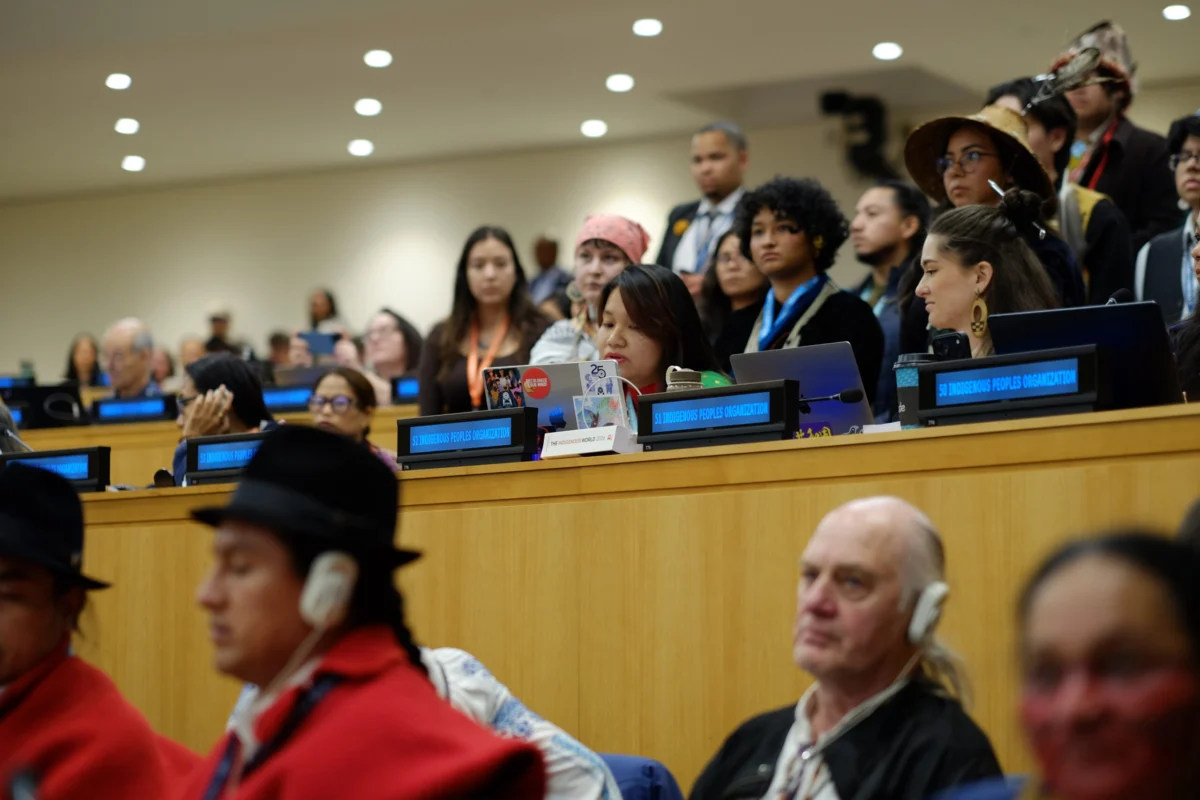
Nearly two decades after the United Nations adopted a landmark declaration on Indigenous rights, advocates lament that countries are still failing to uphold their commitments, leading to ongoing struggles for self-determination, cultural preservation, and environmental protection. The U.N. Permanent Forum on Indigenous Issues (UNPFII), the world’s largest gathering of Indigenous peoples, served as a critical platform last week for leaders to reiterate calls for full implementation of the U.N. Declaration on the Rights of Indigenous Peoples (UNDRIP) and other international human rights standards. Despite the declaration’s adoption in 2007, Indigenous communities worldwide report continued violations, including violence for defending their territories, criminalization for cultural practices, and resource extraction without free, prior, and informed consent.
A Landmark Declaration and Persistent Gaps
The UN General Assembly adopted UNDRIP in 2007, establishing a comprehensive framework for the rights of Indigenous peoples concerning their lands, languages, cultures, health, and self-governance. The declaration, a product of decades of advocacy by Indigenous groups, aims to provide a benchmark for national and international laws and policies. However, its path to full implementation has been fraught with challenges. Notably, the United States and Canada were among the few nations that initially opposed the declaration, later reversing their positions to adopt it. Yet, Indigenous peoples in these countries and globally contend that national governments have yet to translate this adoption into tangible respect for their rights.
Kenneth Deer, a member of the Mohawk Nation of Kahnawà:ke, speaking on behalf of the Canadian Coalition for the Human Rights of Indigenous Peoples at the UNPFII, articulated a pressing need for robust oversight. He called for the establishment of independent monitoring systems, composed of Indigenous individuals, to ensure genuine and effective implementation of UNDRIP. "You need to have a group of independent, Indigenous individuals who will have access to how the government is implementing the declaration," Deer stated. "They should be able to study what they’re doing and make an evaluation whether they’re being effective or not, and then whether there are failures. They need to highlight those failures to the government, and that’s how you get effective implementation." He emphasized the complexity of implementation, underscoring the necessity of a "watchdog" to hold governments accountable for their responsibilities.
Cultural Health and the Erosion of Identity
The concept of health for many Indigenous nations extends beyond physical well-being to encompass cultural and spiritual vitality. Moses Goods, a Kanaka Maoli representing the Nation of Hawai’i, highlighted the fundamental right to self-identity and cultural continuity, asserting that "the right to remain who we are" is paramount. Goods explained that Indigenous languages are repositories of memory, identity, and healing, protected under UNDRIP. "Language is a link to our culture. It’s a link to who we are as a people and our identity, which is linked to health. When you take those things away, the health of the people start to decline," he explained. "It was intentionally taken away from us as Indigenous people, as Indigenous Hawaiians, so that we would decline. And it worked to a degree, until now."
The disruption of access to ancestral lands further exacerbates this erosion. The devastating wildfires in Lahaina, Hawai’i, have not only caused immense loss of life and property but have also led to the displacement of communities, severing vital connections to their heritage and cultural practices. This physical displacement mirrors the historical and ongoing efforts to disconnect Indigenous peoples from their lands, a tactic that has had profound and lasting negative impacts on their health and well-being.
Despite these profound challenges, Goods noted the inherent strength derived from collective action. Gatherings like the UNPFII are crucial for Indigenous peoples to share their experiences, reinforce their resolve, and build solidarity. "We keep telling our stories, we keep telling the truth over and over again to each other, and we strengthen each other. And with those numbers, we can make something happen," he remarked.
Canada’s Commitment and Persistent Realities
In 2021, Canada enacted legislation to align all federal policies with UNDRIP. However, Indigenous advocates present at the UNPFII expressed skepticism, indicating that significant progress is still needed to ensure these rights are genuinely respected and protected. Ryan Fleming of Attawapiskat First Nation, located in the remote Mushkegowuk territory of Northern Ontario, described his community’s condition as "frozen in time," a consequence of systemic poverty he attributes to Canadian policies.
The historical struggles of Attawapiskat underscore the persistent challenges. In 2019, Attawapiskat Chief Sylvia Koostachin-Metatawabin and former Chief Theresa Spence undertook a 15-day hunger strike to pressure provincial and federal governments to re-establish a dormant task force addressing urgent issues such as water quality in the community. Fleming articulated the imperative for Canada to address these underlying structural inequalities: "Until Canada addresses those structural conditions, then you can’t properly move forward with UNDRIP."
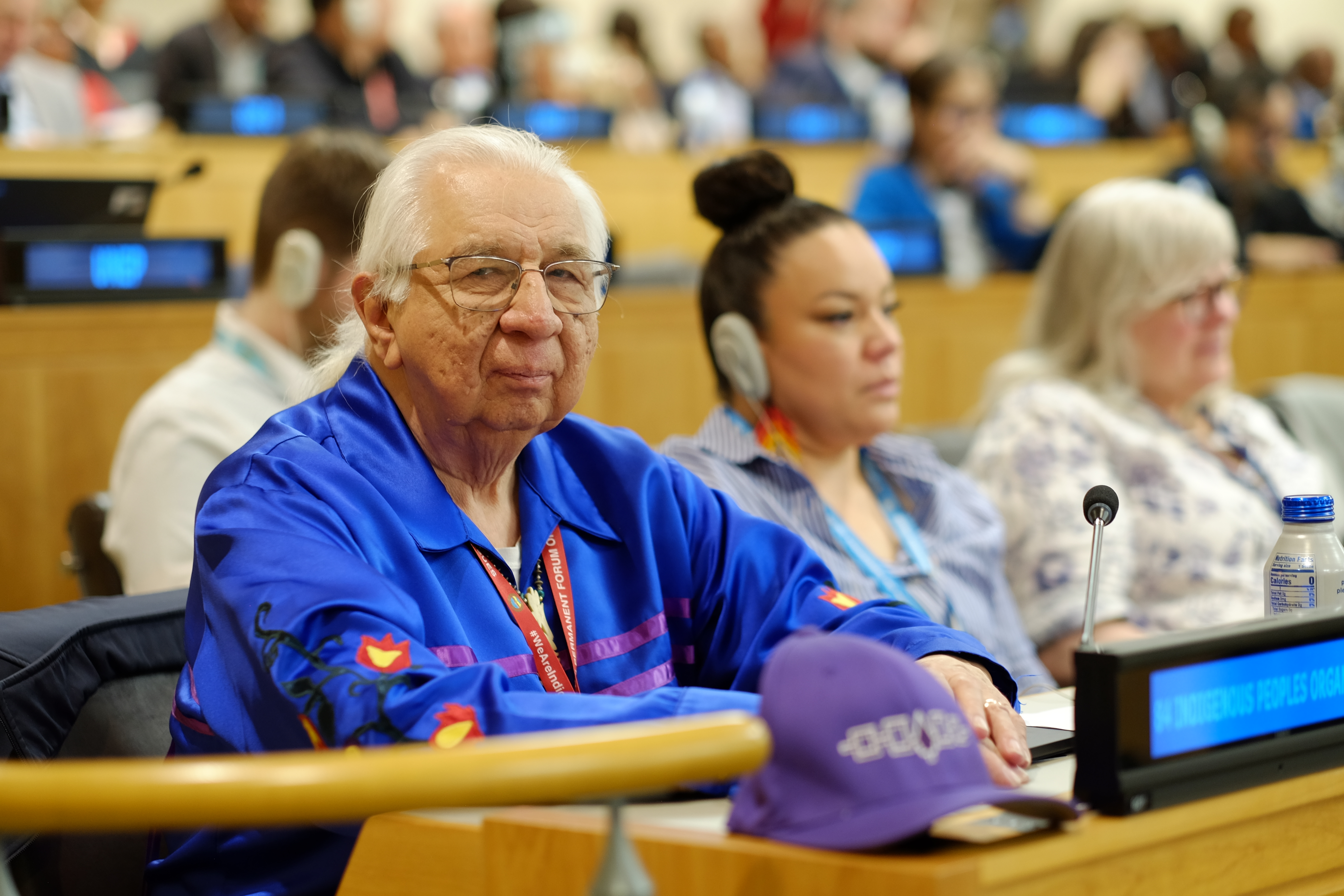
Responding to concerns about Indigenous rights, Jennifer Cooper, spokesperson for Crown-Indigenous Relations and Northern Affairs Canada, highlighted the government’s initiatives, including an Indigenous advisory council and increased funding. "As we implement the Building Canada Act and advance nation-building projects, we will honour our commitments under the United Nations Declaration on the Rights of Indigenous Peoples Act, Duty to Consult, and Modern Treaties and Self-Government Agreements," Cooper stated in an emailed response. She acknowledged that progress is being made but also admitted to existing barriers. "We have made real progress together, but we know there are still barriers that slow things down. We’re improving how we work internally and bringing greater clarity to the process. We continue to develop rights-based agreements together with our partners in the true spirit of reconciliation, shared prosperity, and partnership."
British Columbia’s Legislative Stumbles and Indigenous Assertions
The Province of British Columbia, which passed legislation to implement UNDRIP in 2019, recently faced significant criticism. Following a court ruling that found the province’s actions inconsistent with its own legislation, BC was accused of attempting to suspend or amend parts of the law. While the province subsequently reversed course and pledged to collaborate with First Nations leaders on a path forward, the incident highlighted the ongoing tension between government actions and Indigenous rights.
Assembly of First Nations National Chief Cindy Woodhouse Nepinak issued a strong statement at the UN, asserting, "The inherent pre-existing rights of First Nations are part of, and are protected by, international human rights law. [UNDRIP] affirms First Nations rights as human rights. Neither Canada nor British Columbia can extinguish, amend, or suspend First Nations’ human rights and remain a respected member of the international community." This statement underscores the fundamental understanding that Indigenous rights are not subject to the unilateral discretion of governments but are inherent and protected under international law.
Fleming further elaborated on the disconnect between UN discussions and on-the-ground realities, stating, "In practice, you don’t see that coming to fruition." He emphasized the need for Canada to honor existing commitments rather than seeking new agreements: "We don’t need a new treaty. We don’t need a new agreement. We just need [Canada] to implement the original agreement. We need to honour that, and then we can move forward."
Global Struggles and the Call for Direct Funding
The fight for survival and the rights enshrined in UNDRIP is a global one. Ercilia Cañeda, a Kichwa leader and vice president of the Confederation of Indigenous Nationalities of Ecuador (CONAIE), described the dire situation in her region. "We cannot speak of health while there is tear gas in our communities, while 60 percent of the water sources in the Amazon are contaminated, while 40 percent of our children live with chronic malnutrition, while around 10,000 people have been murdered in 2025," Cañeda stated at the UNPFII. "We cannot speak of human rights while the fabric of community life is being ripped apart." She urged Ecuador and international bodies like the UNPFII to strengthen and adhere to legal human rights frameworks.
A recurring theme at the UNPFII was the critical need for direct financial support to facilitate UNDRIP implementation. Aluki Kotierk, an Inuk leader and chair of the Permanent Forum, highlighted the vital role of the U.N. Trust Fund for Indigenous Peoples, which directly contributes to UNDRIP’s implementation. However, she noted that financial support from member states for this fund is "minimal," with only three states contributing annually.
The United Nations Development Programme (UNDP) is developing new systems, including a policy marker system, to help ensure that funds reach Indigenous Peoples directly. Indigenous leaders are hopeful that this will streamline the flow of climate and development funding, bypassing state intermediaries. However, the exact mechanisms and effectiveness of these new systems remain unclear, and the UNDP did not immediately respond to a request for comment.
Towards Collaborative Solutions
As Indigenous leaders from across the globe demanded systemic change at both international and domestic levels, Kenneth Deer emphasized the importance of a collaborative approach to UNDRIP implementation. "The relationship is about coexistence. It’s not about domination of Canada over Indigenous people," he stated. "What we need to offer is solutions, not just come to the U.N. and complain about Canada, but come to the United Nations with solutions." This call for proactive problem-solving, rooted in mutual respect and partnership, encapsulates the aspiration for a future where UNDRIP is not merely a declaration but a lived reality for Indigenous peoples worldwide.
The UNPFII concluded its proceedings, leaving a clear mandate for governments to move beyond symbolic gestures and engage in substantive actions that honor the rights and aspirations of Indigenous peoples, ensuring that the promises of UNDRIP are finally fulfilled.