
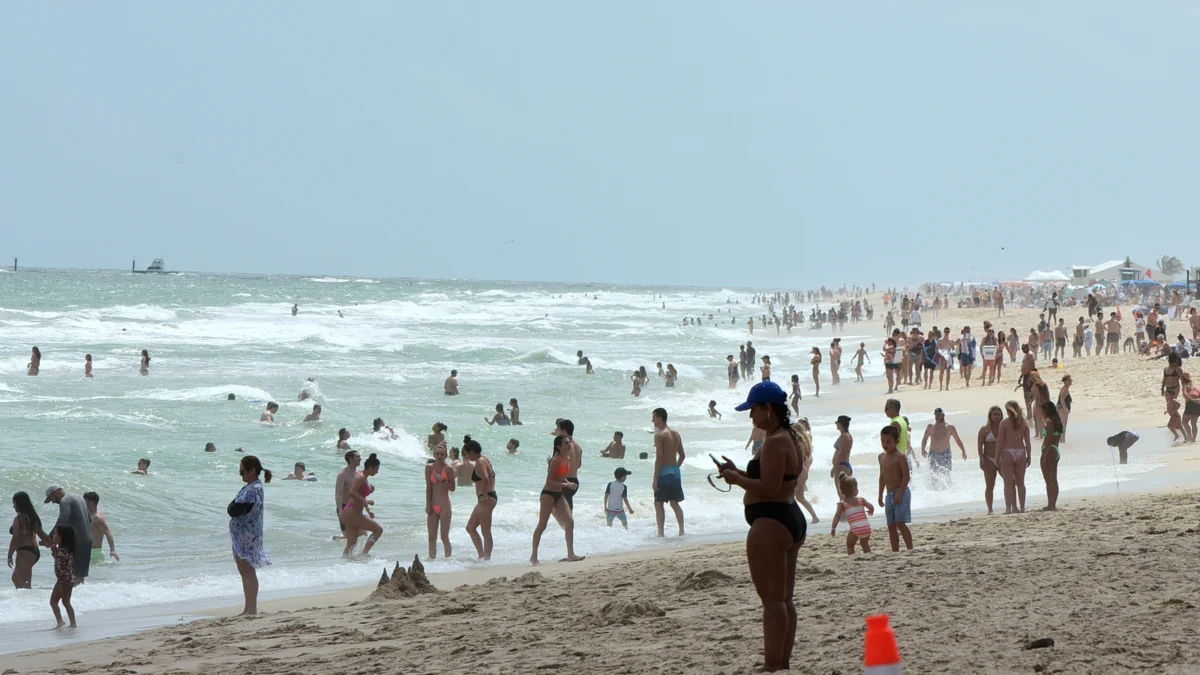
Vibrio, an ancient bacterium with over 70 identified species, has become an increasing concern in coastal environments, particularly as warmer water temperatures, exacerbated by climate change, create more hospitable conditions for its proliferation. While most Vibrio species are benign, a subset poses significant health risks to humans, primarily through exposure to contaminated saltwater or the consumption of raw or undercooked shellfish. This article delves into the nature of Vibrio infections, the factors contributing to their rise, the scientific efforts to predict and mitigate these threats, and essential public health guidance for staying safe in affected areas.
Understanding the Vibrio Bacteria and Its Prevalence
Vibrio bacteria are naturally occurring microorganisms found in warm, brackish waters, such as estuaries and bays. They associate with plankton and algae, and subsequently accumulate in filter-feeding shellfish like clams and oysters. The bacteria’s activity and concentration significantly increase during warmer months, typically from May through October, when water temperatures rise above 60 degrees Fahrenheit. This seasonal surge makes coastal regions, particularly those along the U.S. Gulf and Atlantic coasts, hotspots for Vibrio-related illnesses.
The Centers for Disease Control and Prevention (CDC) estimates that approximately 80,000 cases of vibriosis, the infection caused by Vibrio bacteria, occur annually in the United States, leading to an estimated 100 deaths. Florida, with its extensive coastline and warm waters, reports the highest number of cases, with a substantial portion originating from the Indian River Lagoon region, a popular destination for recreation and aquaculture.
Vibrio Infections: Symptoms and Severity
The impact of Vibrio bacteria on human health varies significantly depending on the species and the route of exposure. The most common species responsible for infections in the U.S. is Vibrio parahaemolyticus. This bacterium typically infects individuals through the consumption of raw or undercooked seafood, leading to gastroenteritis, commonly known as food poisoning. Symptoms of Vibrio parahaemolyticus infection usually manifest within 12 to 24 hours and can include nausea, vomiting, diarrhea, abdominal cramps, fever, chills, weakness, fatigue, and headache. While uncomfortable, these infections are generally mild and resolve on their own in healthy individuals.
A more dangerous, though less common, species is Vibrio vulnificus. This bacterium can cause severe and life-threatening infections, particularly in individuals with compromised immune systems or underlying health conditions such as liver disease, diabetes, or those who are elderly. Vibrio vulnificus infections can occur through two primary pathways: wound exposure in saltwater or ingestion of contaminated seafood.
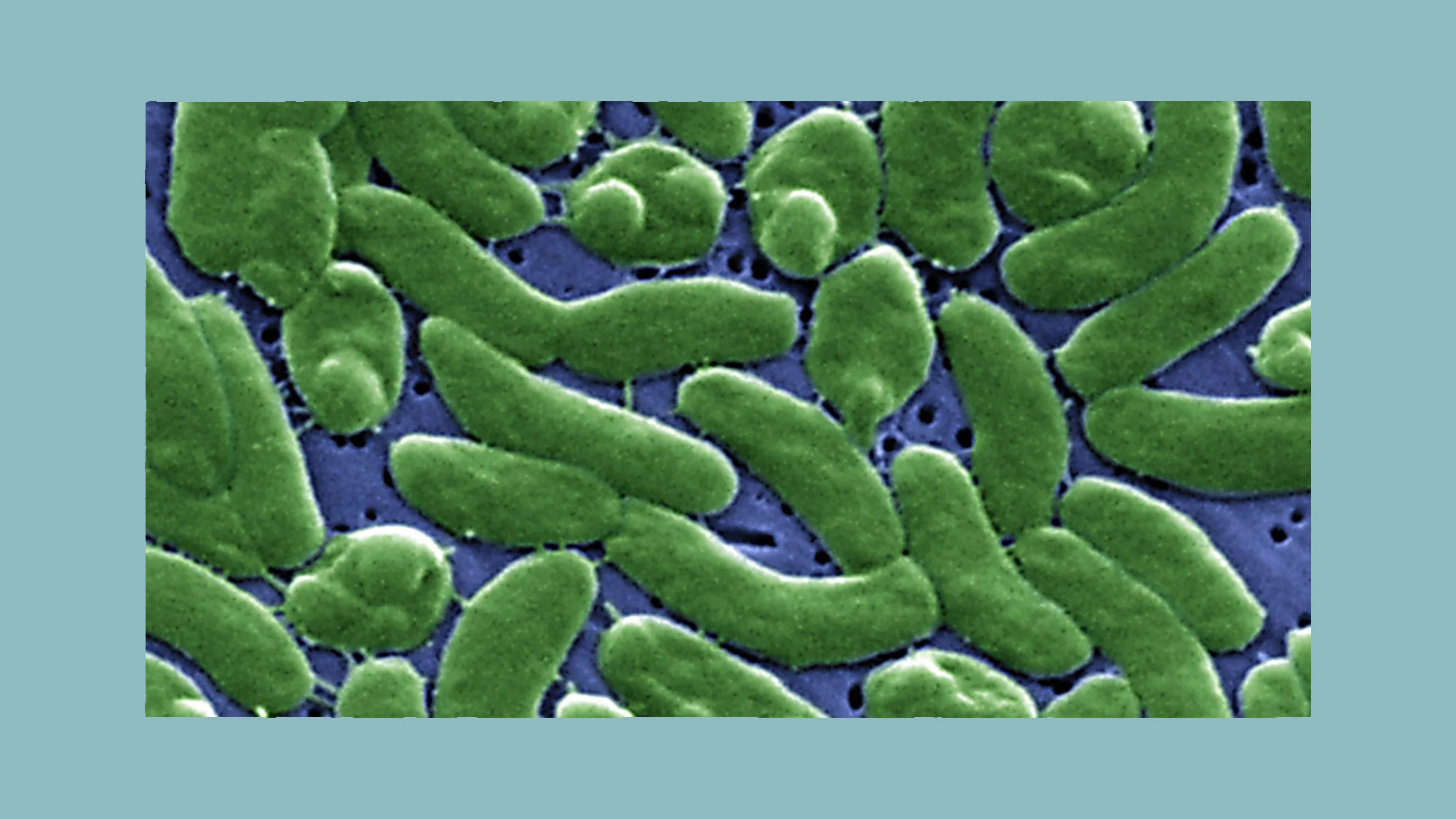
When introduced through an open wound, Vibrio vulnificus can lead to rapid and aggressive tissue decay. Symptoms at the wound site can include redness, swelling, pain, and blistering, progressing to severe necrotizing fasciitis, often referred to as "flesh-eating bacteria." Ingesting Vibrio vulnificus can also cause gastrointestinal distress, similar to Vibrio parahaemolyticus, but can also lead to a more severe systemic infection.
The insidious nature of Vibrio vulnificus lies in its ability to cause severe illness rapidly. Even a minor cut or abrasion exposed to contaminated water can become a portal of entry. The infection can progress to sepsis, a life-threatening systemic inflammatory response, with a high fatality rate, estimated between 15% and 50%. The vast majority of the annual Vibrio-related deaths in the U.S. are attributed to Vibrio vulnificus.
The Role of Climate Change in Vibrio’s Expansion
The increasing prevalence and geographical spread of Vibrio bacteria are inextricably linked to global climate change. As greenhouse gas emissions continue to warm the planet, the world’s oceans have absorbed a significant portion of this excess heat. This warming trend directly impacts marine ecosystems, making them more conducive to the growth and multiplication of Vibrio.
Warmer water temperatures accelerate the bacteria’s metabolic rate, leading to higher concentrations in coastal waters. This phenomenon is causing Vibrio to expand its range into regions that were previously too cold to support significant populations. On the U.S. East Coast, for instance, Vibrio species are being detected further north than historically observed. This expansion serves as a critical early warning sign of the profound shifts occurring within marine environments due to climate change. The implications are far-reaching, affecting not only human health but also the health of marine ecosystems and the industries that depend on them, such as commercial fishing and tourism.
Scientific Advancements in Vibrio Risk Prediction
Recognizing the growing public health challenge posed by Vibrio, scientists are developing innovative tools to predict and mitigate its risks. Researchers at the University of Maryland, in collaboration with other institutions, have developed a sophisticated computer model designed to forecast the risk of vibriosis in coastal counties across the eastern United States.
This predictive model integrates historical data on Vibrio-related illnesses, compiled by the CDC from 1997 to 2019, with real-time environmental data, including water temperature and salinity. By analyzing these factors, the model aims to identify areas with a higher likelihood of Vibrio outbreaks a month in advance.
The model’s efficacy was notably demonstrated in 2024, where it accurately flagged high-risk counties in Florida ahead of hurricanes Helene and Milton. A significant majority of vibriosis cases reported in the aftermath of these storms occurred in the counties that the model had previously identified as being at elevated risk. While still under development, this predictive tool represents a crucial step forward in enabling public health officials to implement proactive measures and disseminate timely warnings to vulnerable communities.
Public Health Recommendations and Safety Measures
While the threat of Vibrio is real, it is important for individuals to remain informed and take reasonable precautions rather than abandoning coastal activities altogether. Public health agencies emphasize a multi-pronged approach to minimize the risk of infection.
Key recommendations include:
- Awareness of Water Conditions: Be aware of local advisories regarding water quality and any reported Vibrio outbreaks. High-risk periods are typically during warmer months.
- Wound Protection: Individuals with open wounds, cuts, scrapes, or recent surgery should avoid direct contact with warm saltwater. If contact is unavoidable, thoroughly clean wounds with soap and fresh water after exposure. Promptly treat any wound that occurs in the ocean.
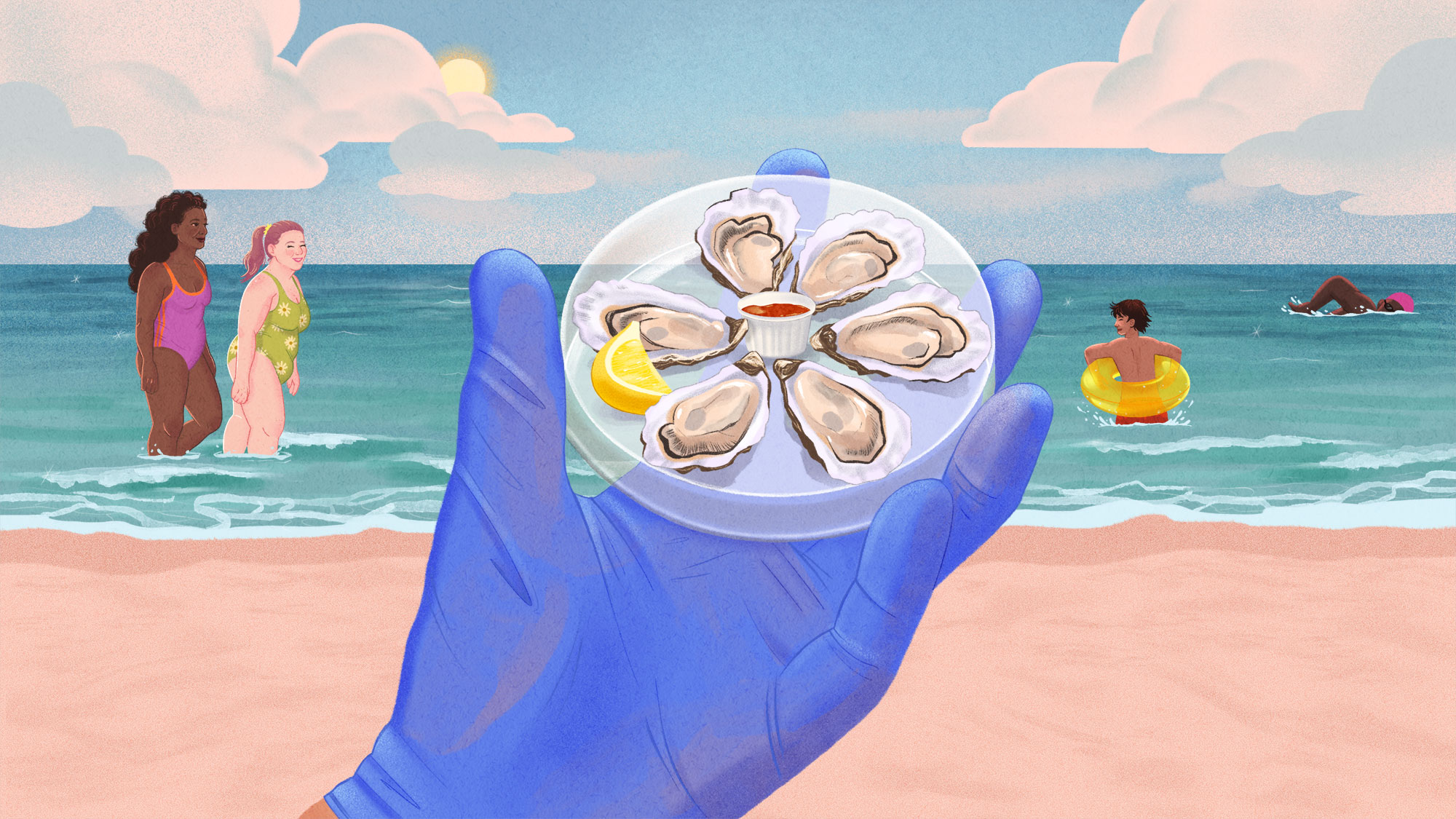
- Shellfish Consumption: Consume shellfish only from reputable sources that have been properly stored and handled. Avoid eating raw or undercooked oysters, clams, and mussels, especially if you have underlying health conditions. Thoroughly cooking shellfish kills Vibrio bacteria.
- Hand Hygiene: Wash hands thoroughly with soap and water after handling raw shellfish.
- Vigilance for Symptoms: If you experience symptoms of vibriosis after exposure to coastal waters or consuming seafood, seek medical attention promptly. Early diagnosis and treatment can be crucial, especially for Vibrio vulnificus infections.
Broader Implications and Future Outlook
The increasing incidence of Vibrio infections underscores a critical environmental shift with significant public health and economic implications. As climate change continues to alter marine ecosystems, the potential for more frequent and widespread Vibrio outbreaks will likely persist. This necessitates a coordinated effort involving scientific research, public health surveillance, and community education.
The development of predictive models is a vital component of a proactive public health strategy. By anticipating high-risk periods and locations, authorities can better allocate resources, issue targeted warnings, and implement preventive measures. Furthermore, ongoing research into Vibrio’s behavior under changing environmental conditions will be essential for refining these predictive capabilities and developing more effective mitigation strategies.
The expansion of Vibrio serves as a stark reminder of the interconnectedness between environmental health and human well-being. Addressing the root causes of climate change, while simultaneously enhancing our preparedness for its consequences, will be paramount in safeguarding public health in coastal communities worldwide. The story of Vibrio is not just about a bacterium; it is a narrative of a planet in transition and the urgent need for adaptive strategies to ensure a healthy future.