
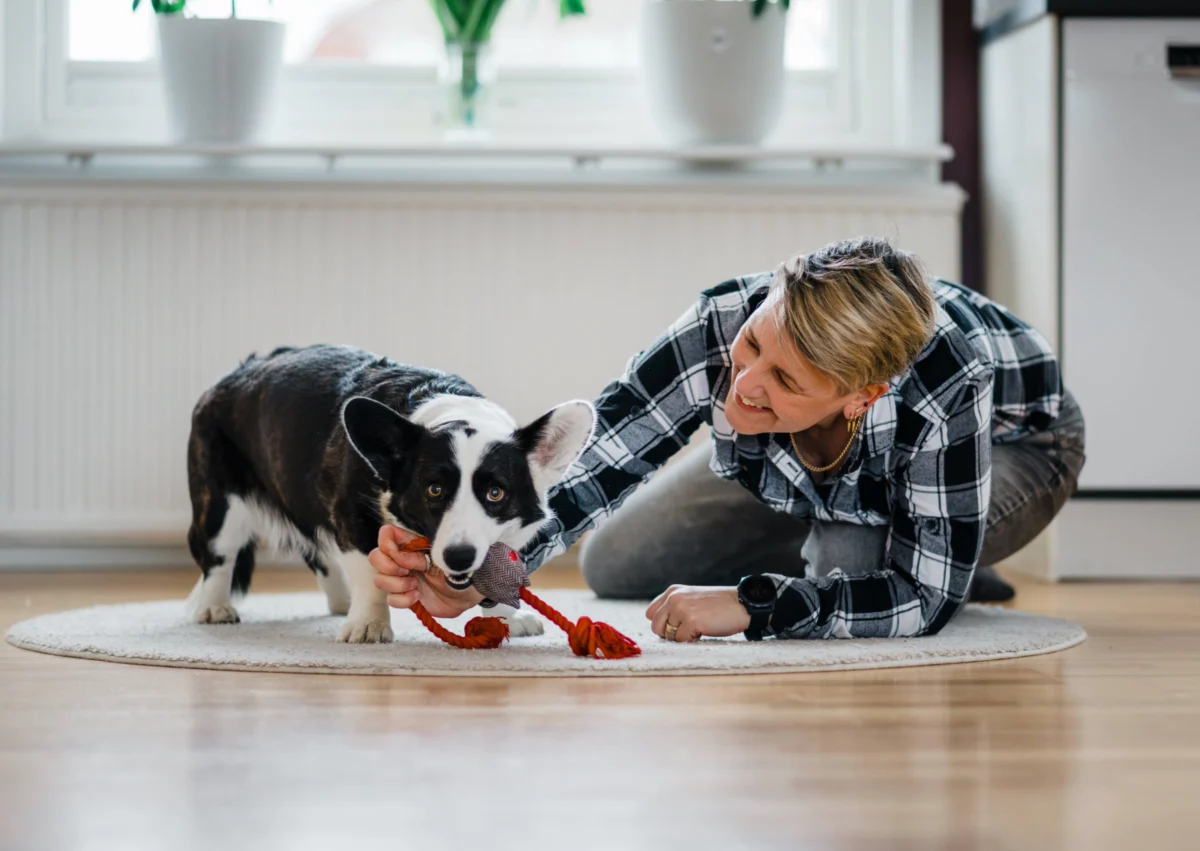
A groundbreaking study published in the prestigious journal Royal Society Open Science has provided compelling scientific evidence that increasing playtime with dogs significantly strengthens the emotional bond between humans and their canine companions. This research, conducted by scientists at Linköping University in Sweden, offers a crucial insight into the dynamics of interspecies relationships, particularly for adult dogs and their owners. The findings suggest that even a few extra minutes of engaging play each day can foster a deeper connection, proving that play is far more than just a casual pastime; it’s a powerful tool for building and maintaining emotional ties.
The Science Behind the Wagging Tail: Understanding Canine Play
While the joy and apparent affection derived from playing with dogs are widely recognized by pet owners, the scientific understanding of canine play, especially in adulthood, has remained relatively limited. This new study sought to bridge that gap by investigating the direct correlation between increased play and the emotional bond experienced by both dog and owner. The research team, led by senior associate professor Lina Roth, a sensory biologist at Linköping University, emphasized the particular relevance of their findings for owners of rescue dogs or adult dogs adopted later in life.
"Today, many dogs change homes in the middle of their lives," Professor Roth explained in a statement released by EurekAlert!. "With rescue dogs, you don’t have the advantage of growing up with your dog. This means that you miss the so-called socialization window early in your puppy’s life, which is important for relationship building. And then play can be a very good way to build a new good relationship even with adult dogs." This highlights a critical challenge in canine welfare and human-animal bonding: how to establish trust and connection with animals who may have experienced trauma or separation. Play emerges as a vital, accessible method to overcome these hurdles.
The Study Design: Quantifying Connection Through Play and Training
To empirically assess the impact of play, the researchers designed a controlled experiment involving 144 dog-owner pairs. The study, which spanned four weeks, meticulously tracked changes in the human-canine relationship through a multifaceted approach. Initially, dog owners were asked to complete a comprehensive questionnaire designed to gauge their perception of their relationship with their dog. This questionnaire delved into various aspects, including the frequency of social outings with their dog, the extent to which they confided in their pets, and their overall assessment of dog ownership, even considering if it felt like more trouble than it was worth. These baseline responses provided a crucial starting point for measuring any subsequent shifts.
Following the initial assessment, the participants were divided into three distinct groups, each assigned a specific intervention:
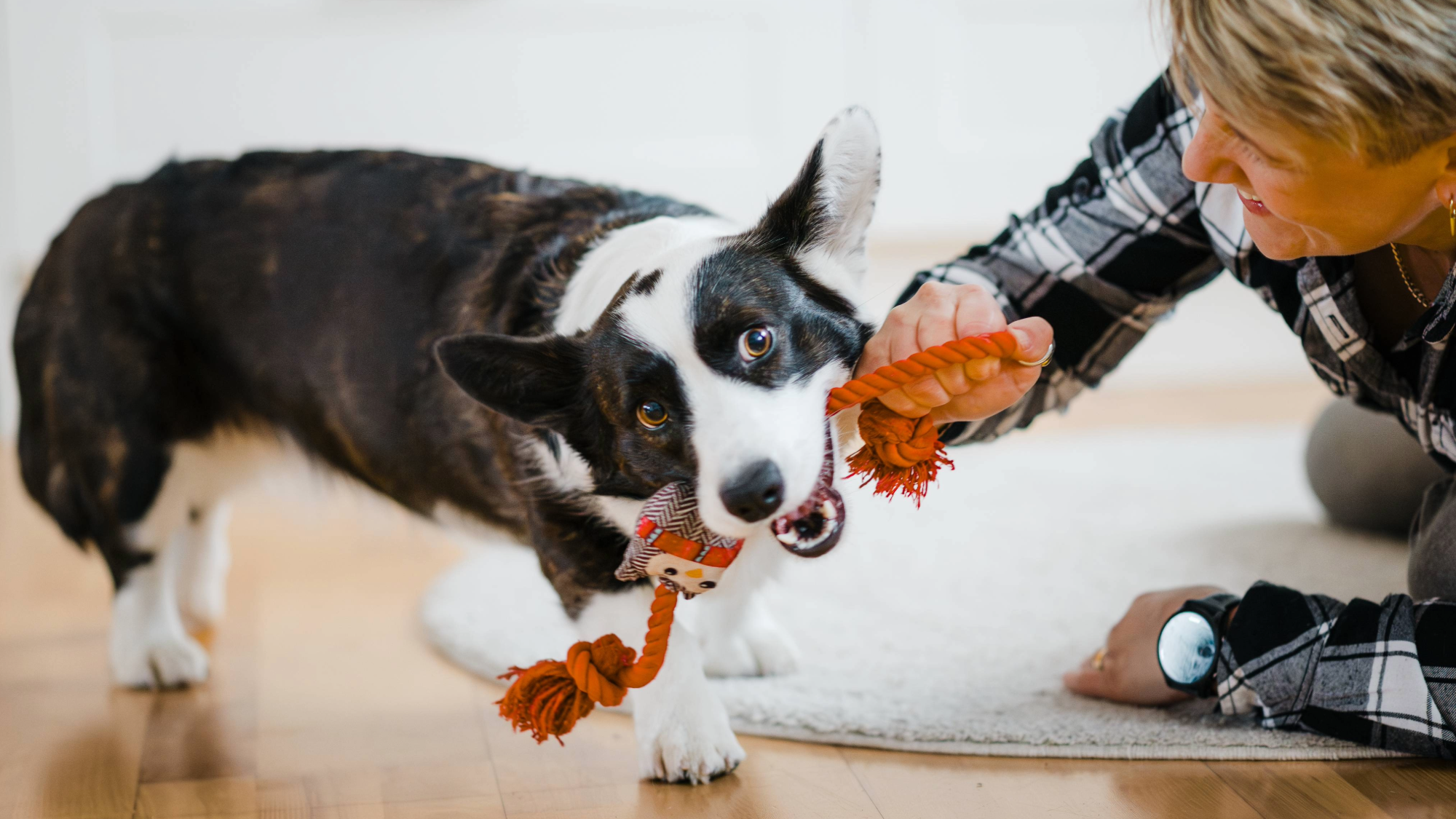
- The Play Group: This group was instructed to increase their daily playtime with their dogs. The emphasis was on interactive and socially engaging games, rather than simply throwing a ball. Specific examples provided included tug-of-war, rough-and-tumble play, chasing games, hide-and-seek, peekaboo, and gentle teasing with fingers. The goal was to promote active, reciprocal interaction between owner and dog.
- The Training Group: This group focused on increasing their dog’s training activities, utilizing treats as positive reinforcement. This intervention was designed to assess whether structured, reward-based training alone could yield similar bonding benefits as play.
- The Control Group: This group maintained their usual daily routines without any prescribed changes to their playtime or training schedules. They served as a vital baseline to isolate the effects of the interventions.
The researchers ensured that all participants received clear instructions on how to implement their assigned activities, thereby maximizing the fidelity of the study. This meticulous approach aimed to ensure that the observed changes were directly attributable to the experimental conditions.
The Results: Playtime’s Remarkable Impact on Emotional Bonds
The results of the four-week intervention were both striking and highly encouraging. After the study period concluded, owners in all three groups were asked to complete the same relationship questionnaire again. The data revealed a significant and positive shift in the emotional bond for the pairs in the play group. These owners reported a discernible improvement in their relationship with their dogs, directly correlating with the increased playtime.
"This is a great result that you can only dream of!" exclaimed Professor Roth. "It turned out that the play group improved their emotional bond to the dog in just four weeks with a few minutes of extra play a day." This statement underscores the remarkable efficiency of play as a bonding agent. The study demonstrated that a relatively small investment of time—just a few minutes daily—could yield substantial improvements in the human-canine relationship.
Conversely, the training group and the control group did not exhibit any statistically significant changes in their perceived emotional bonds. This finding is particularly noteworthy, as it suggests that while training is important for a dog’s behavior and obedience, it may not be as effective as interactive play in fostering a deep emotional connection. The study’s authors noted that the effectiveness of training might be more about behavior modification than emotional reciprocity, especially when compared to the nuanced social interactions inherent in play.
Beyond Owner Perception: The Dog’s Perspective
An intriguing aspect of the study’s findings relates to the subjective experiences of the dogs themselves. While the questionnaire primarily captured owner perceptions, the researchers observed subtle indicators suggesting that the dogs in the play group also experienced a more positive relationship. Owners in this group reported that their pets appeared to view them more positively and were more likely to initiate play. This observation aligns with existing research, such as studies highlighted by Harvard Health, which suggest that dogs generally experience enhanced well-being when they engage in play and spend quality time with their owners. The reciprocal nature of play, where both parties are actively involved and deriving enjoyment, appears to be key to this positive feedback loop.
The study also highlighted a potential disconnect between how humans perceive their relationship with their dogs and how dogs perceive it. The researchers found that a human’s subjective assessment of the relationship did not strongly predict the dog’s experience. However, the play intervention demonstrated that by actively engaging in playful interactions, owners could positively influence their dog’s perception of the relationship, leading to behaviors like increased play initiation. This suggests that while human perception is important, actions—specifically playful actions—can be a more direct route to fostering a dog’s positive regard.
Defining "Play" for Optimal Bonding: Quality Over Quantity
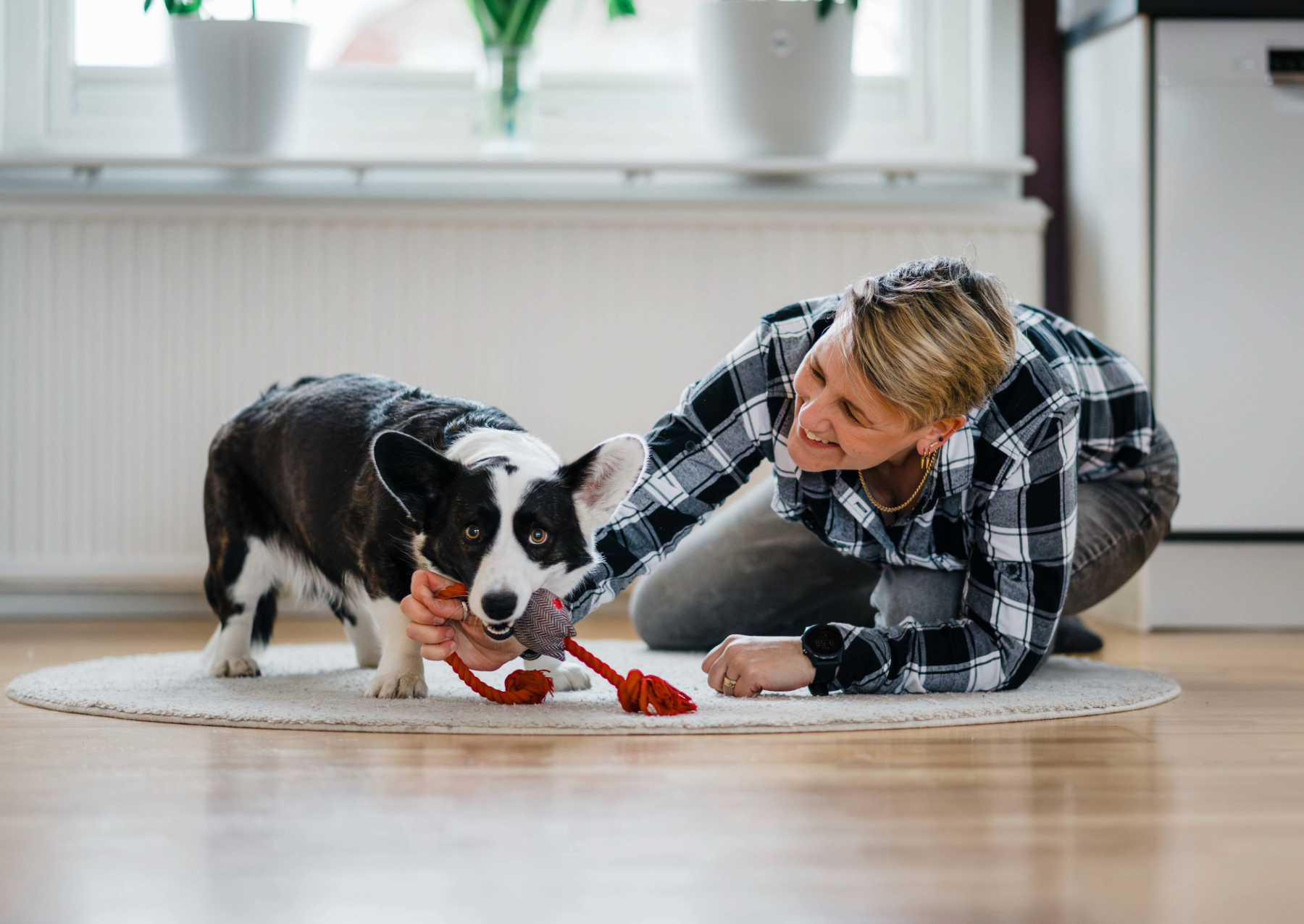
Professor Roth emphasized that not all forms of interaction qualify as beneficial play for strengthening bonds. Simply throwing a ball, while a form of exercise, may not provide the same level of social engagement as more interactive games. "As we were after the social interaction between dog and human, the games we proposed in the study were for example tug-of-war, rough and tumble, chasing each other, hide-and-seek, peekaboo or teasing the dog a little with your fingers," she stated. These activities involve a higher degree of direct interaction, communication, and shared experience between the dog and owner, fostering mutual understanding and enjoyment.
The implication here is that the quality of interaction during playtime is paramount. Engaging games that encourage social cues, shared excitement, and a sense of partnership are more likely to cultivate a strong emotional bond. This nuanced understanding of play moves beyond mere physical activity to encompass the social and emotional dimensions of the human-canine relationship.
Broader Implications: Enhancing Canine Welfare and Human Well-being
The findings of this study have significant implications for canine welfare and the human-animal bond. For shelter dogs and those adopted later in life, play offers a scientifically validated pathway to overcome past traumas and build secure attachments. By actively engaging in play, owners can provide a sense of security, predictability, and joy that can be transformative for dogs who may have experienced instability.
Furthermore, the study reinforces the notion that investing in quality time with our pets yields tangible benefits for both species. The emotional rewards of a strong human-canine bond extend beyond the dog, contributing to human well-being, stress reduction, and overall happiness. The simplicity of the intervention—a few minutes of engaging play—makes it an accessible strategy for virtually any dog owner.
The research also serves as a reminder that understanding and responding to our pets’ needs requires active engagement and observation. Paying attention to a dog’s behavior, their preferences for certain games, and their responses to interaction is crucial. "You don’t have to keep at it for long, it’s more about paying attention to your dog’s behaviour," Professor Roth advised. "A few minutes every now and then seems to make a big difference." This underscores the importance of mindful interaction, where presence and attention are as valuable as the duration of the activity.
In conclusion, this study provides a robust scientific foundation for what many dog owners intuitively understand: play is a powerful force in forging and strengthening the human-canine bond. By dedicating even small amounts of time to interactive, engaging play, owners can cultivate deeper emotional connections with their dogs, leading to happier, more secure pets and more fulfilling relationships for both species. The message is clear: grab a tug toy, engage in a chase, or play a game of hide-and-seek, and watch your bond with your furry friend flourish.