
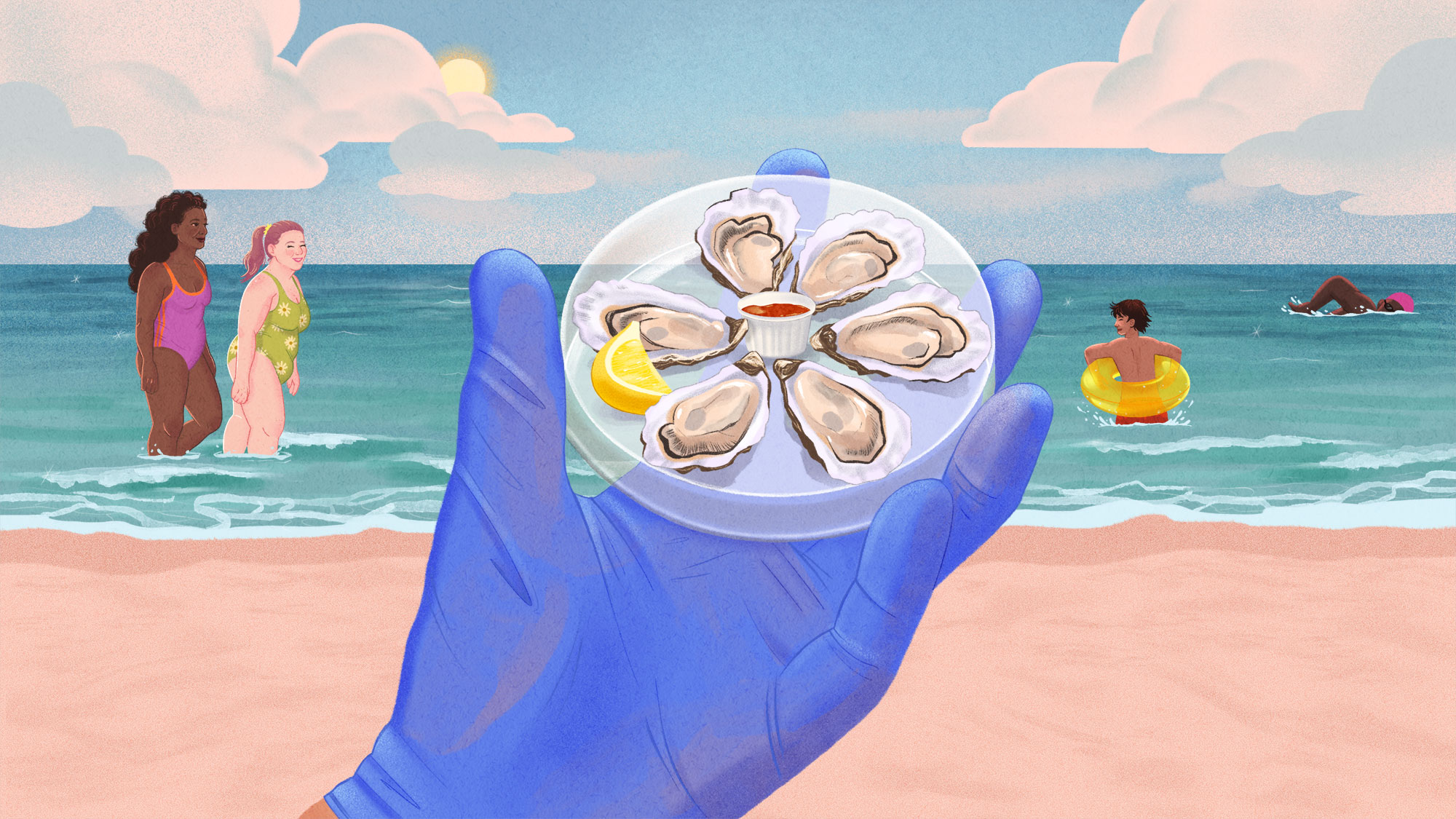
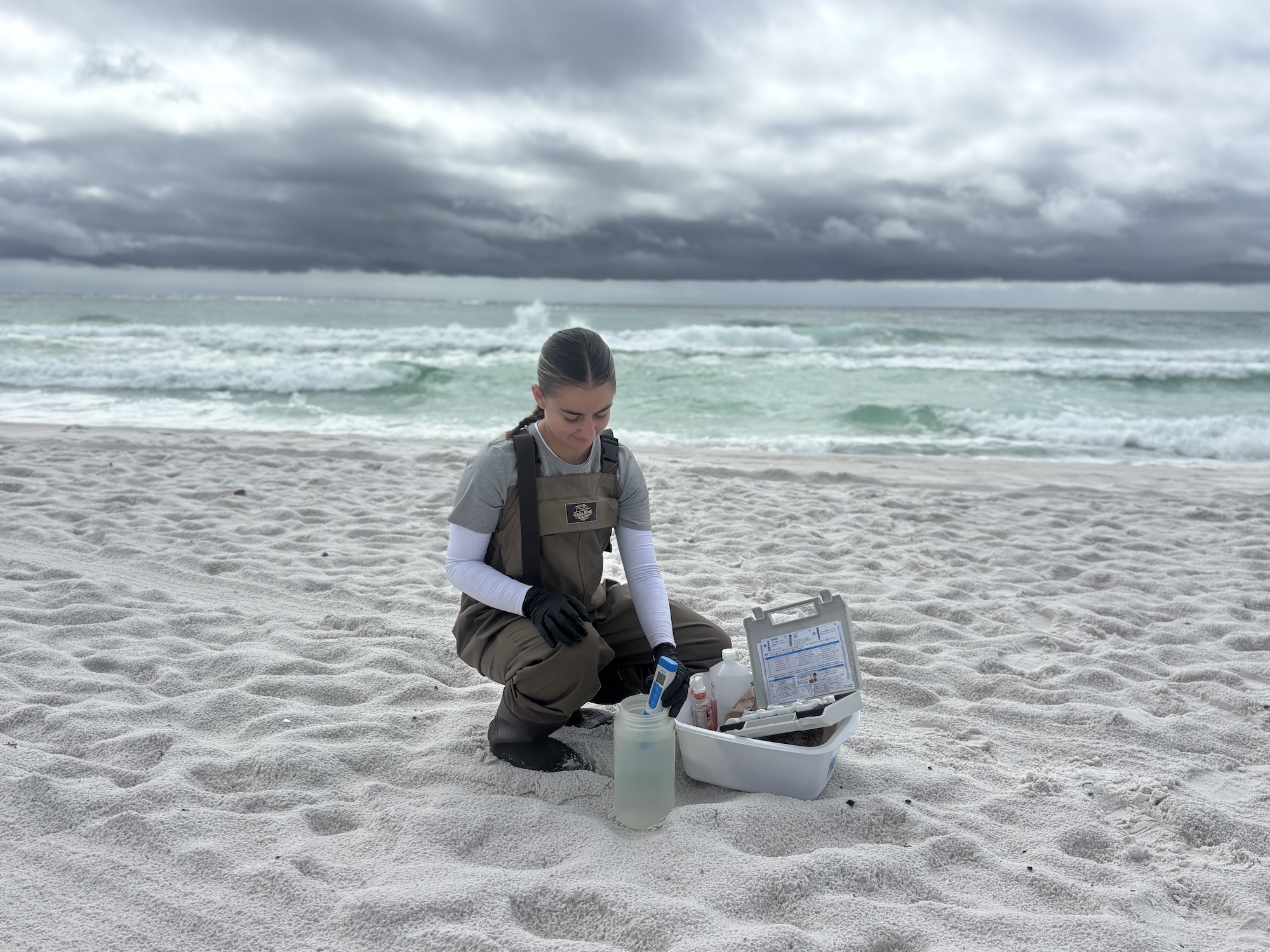
Bailey Magers and Sunil Kumar cut unusual figures on Pensacola Beach, their presence a stark contrast to the sunbathers and families enjoying the popular Florida shoreline. Amidst bags of disinfectant solution and an array of test tubes, their gloved hands worked diligently, shielded from the elements by layers of protective gear. Last August, as they meticulously organized seawater samples, an older woman approached, her curiosity piqued.
"We’re actively monitoring water quality," they explained, a carefully measured response.
"Are you looking for that flesh-eating bacteria?" she pressed, her concern palpable.
"We’re looking into it," they replied, aiming to reassure without alarming. The woman eventually turned back towards the ocean, her question seemingly answered. As she walked away, Kumar observed the scrapes and bruises visible on her body before she stepped into the waves, a detail that sent a chill through him despite the summer heat.
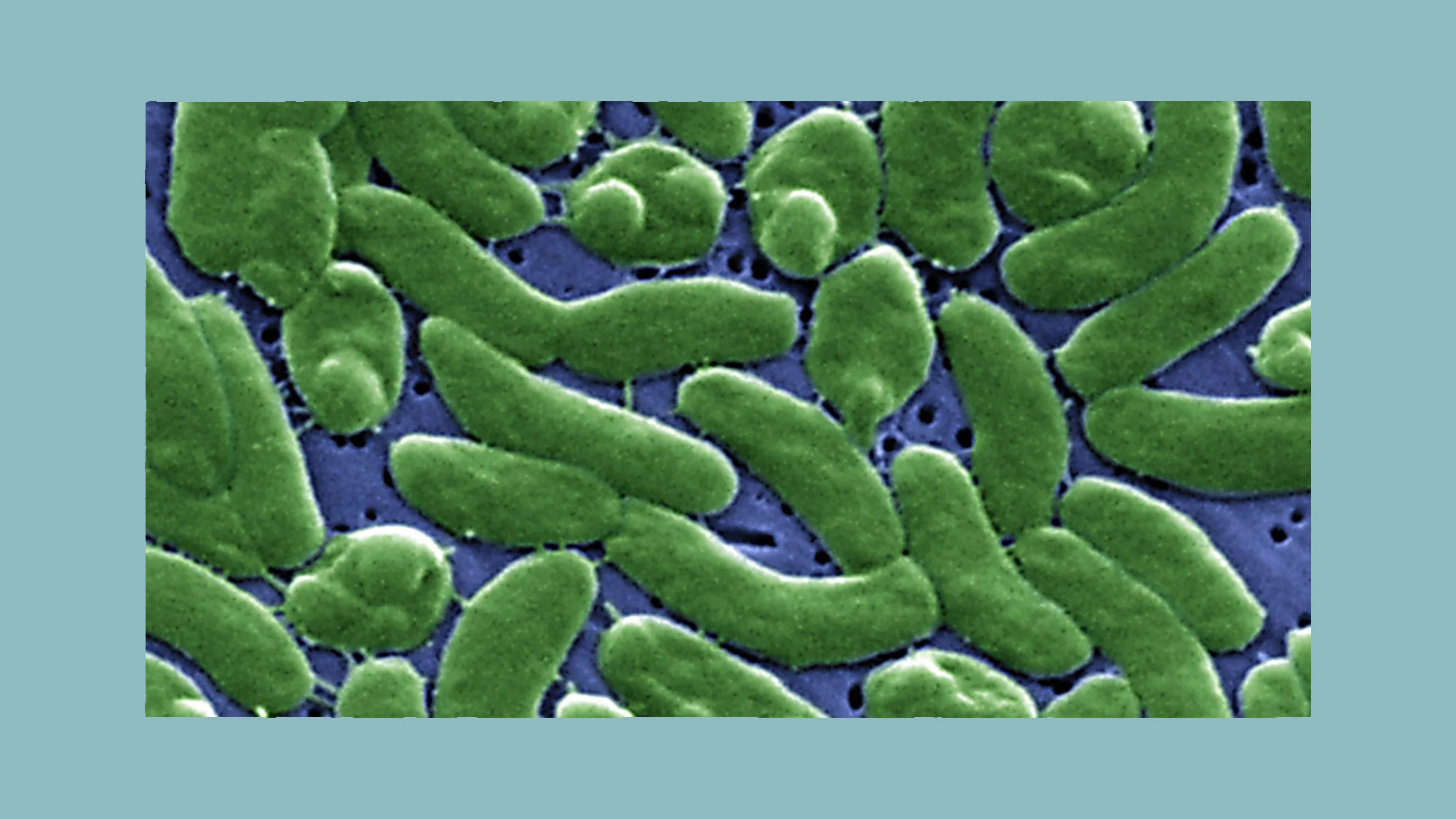
Magers and Kumar are researchers studying Vibrio, an ancient lineage of marine bacteria that emerged millions of years ago. These organisms, thriving in warm, brackish waters, are often found attached to plankton and algae, and are particularly prevalent in filter-feeding species like clams and oysters. While most of the estimated 70 Vibrio species are harmless, a small subset possesses the terrifying capability to cause severe illness and death.
The Growing Threat of Vibrio Infections
In its most dangerous forms, Vibrio infections can rapidly progress. Exposure, either through swimming in brackish water with an open wound or ingesting raw, contaminated shellfish, can lead to a swift and devastating decline. Within hours, affected extremities can develop bruising, swelling, and decay. Without immediate and aggressive antibiotic treatment, septic shock can set in, leading to a fatal outcome. While anyone can be infected, individuals with compromised immune systems, liver disease, diabetes, or the elderly are at significantly higher risk.
The escalating prevalence of Vibrio is inextricably linked to the warming of global oceans. These bodies of water have absorbed over 90 percent of the excess heat trapped by greenhouse gas emissions, creating increasingly hospitable environments for these bacteria. Research consistently highlights water temperature and salinity as the primary drivers of Vibrio distribution. As ocean temperatures rise, so too does the concentration of Vibrio in seawater, escalating the risk for both beachgoers and consumers of raw shellfish. The bacteria become active above 60 degrees Fahrenheit and proliferate rapidly as coastal waters warm throughout the summer months.
In recent years, scientists have documented Vibrio‘s northward expansion, reaching as far as Maine along the U.S. East Coast and appearing with greater frequency in temperate seas worldwide. Vibriosis infections, in general, are now the leading cause of shellfish-related illness in the United States. A 2019 analysis by the International Association for Food Protection revealed that these infections have increased more than any other illness caused by a pathogen in the U.S. food supply since the Centers for Disease Control and Prevention (CDC) began tracking such illnesses in 1996. This alarming rise has been attributed to a "perfect storm" of factors, including climate change, evolving food handling practices, globalization, regulatory inconsistencies, and improved diagnostic capabilities.
A Predictive Model for a Changing Landscape
Magers and Kumar’s work on Florida beaches is part of a larger initiative at the University of Florida to develop an early warning system for Vibrio in the eastern United States. This system aims to alert public health departments to areas with high Vibrio concentrations up to a month in advance. Bailey Magers muses on the potential impact: "How many limbs would be saved if doctors and nurses could be warned ahead of time that their emergency rooms would soon see an uptick in these chronically underdiagnosed infections?"
Beyond immediate health concerns, the spread of Vibrio into previously cooler waters serves as a crucial indicator of broader changes in marine ecosystems. A significant spike in Vibrio infections observed in Europe’s Baltic Sea in July 2014, for instance, directly correlated with a rapid marine heatwave. This event underscored the utility of Vibrio spikes as harbingers of unusually warm marine conditions, prompting researchers to utilize them as barometers for ocean heatwaves and sea-surface warming patterns, extending their significance beyond mere food safety concerns.
Kyle Brumfield, a microbiologist at the University of Maryland who has studied Vibrio for a decade, emphasizes this connection: "We see Vibrio as the indicator for climate change. We can use the presence of Vibrio and Vibrio cases as a proxy for water health in general."
Understanding the Virulence of Vibrio Vulnificus
The CDC estimates that approximately 80,000 cases of vibriosis occur annually in the U.S., resulting in around 100 deaths. While Vibrio parahaemolyticus is responsible for the majority of these cases, typically causing gastroenteritis, the overwhelming majority of fatalities are attributed to Vibrio vulnificus – a designation derived from the Latin word for "wound-making."
Vibrio vulnificus is alarmingly potent, capable of entering the bloodstream through even a minor skin abrasion and leading to death within 24 hours. While relatively rare compared to common bacterial infections like chlamydia, its rapid progression and high fatality rate – ranging from 15 to 50 percent depending on the individual’s health and the route of infection – present a unique public health challenge, amplified by climate change’s expansion of its pathways.
Since the late 2010s, health officials across the Eastern Seaboard have reported "unusual increases" in V. vulnificus prevalence, with infection spikes often correlating with extreme weather events such as hurricanes and marine heatwaves. In 2022 and 2024, years marked by major hurricanes pushing brackish water inland, Florida’s public health department recorded 17 and 19 deaths, respectively, linked to V. vulnificus exposure through open wounds. Clusters of infections were also observed in North Carolina, New York, and Connecticut during a record-breaking heatwave in the summer of 2023. The CDC’s investigation into these outbreaks warned that "as coastal water temperatures increase, V. vulnificus infections are expected to become more common."
A 2023 study analyzing three decades of confirmed V. vulnificus infections along the U.S. Gulf and Atlantic coasts revealed that the northern boundary of infections has been moving northward at a rate of approximately 30 miles per year since 1998. The study projected that V. vulnificus infections may expand to encompass major population centers around New York, with annual case numbers potentially doubling as temperatures rise and the U.S. elderly population continues to grow. Kyle Brumfield notes a significant shift in the bacteria’s presence: "In the 1980s, Vibrio abundance would increase in the late spring and stay high through the summer and drop in the middle of October. Now… we can pretty much find them almost year-round."
Navigating the Media Storm and Industry Concerns
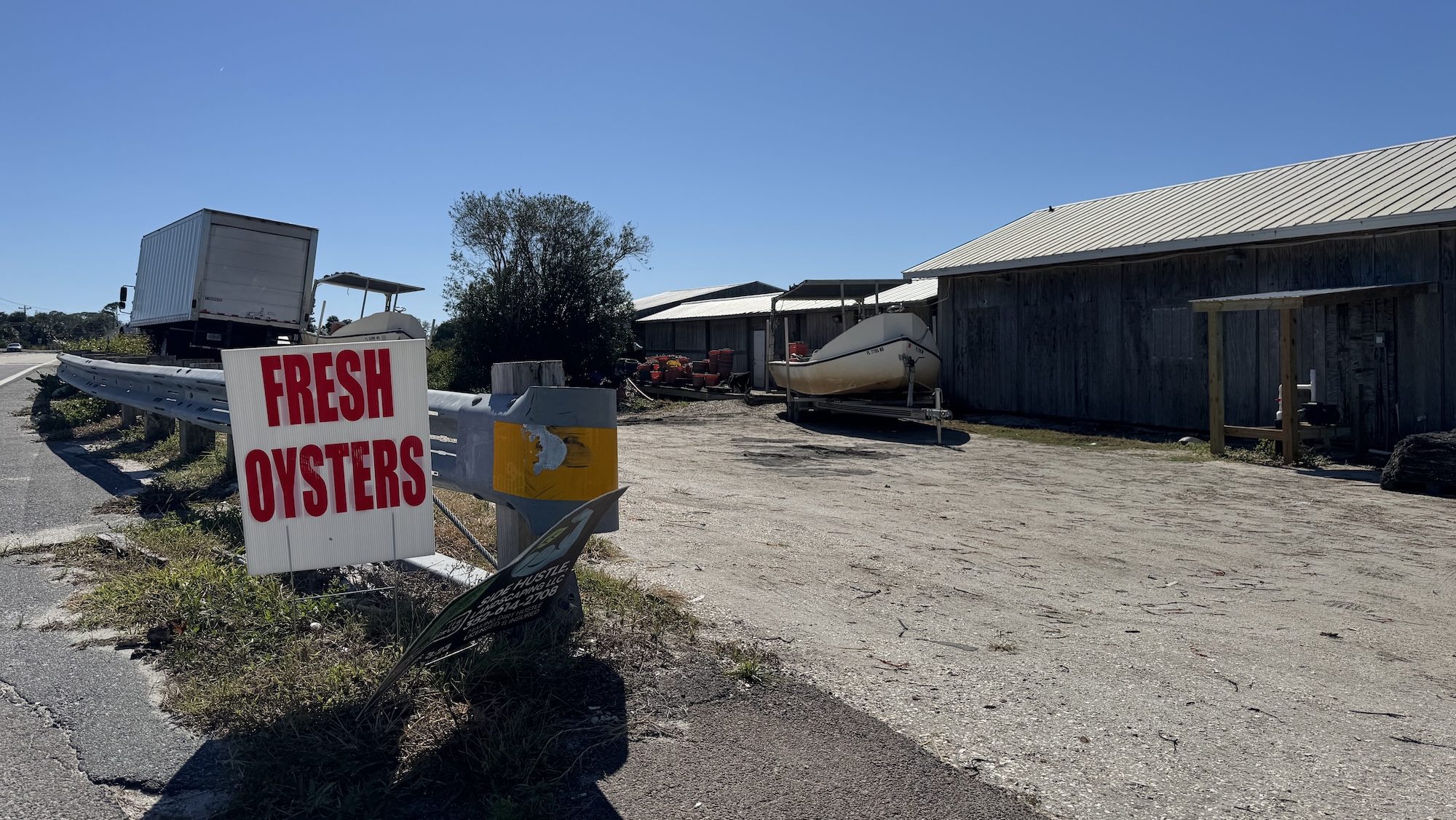
The gruesome and rapid nature of V. vulnificus infections makes them a compelling subject for media attention, often leading to sensationalized reports. Headlines frequently focus on the "flesh-eating" aspect of the bacteria, sometimes omitting the relative rarity of such severe outcomes. This media landscape presents challenges for the seafood industry, which argues that the attention is disproportionate and unwarranted.
Leslie Sturmer, a researcher with the University of Florida’s shellfish aquaculture extension program, notes, "The media loves it," referring to the sensationalized portrayal of "flesh-eating bacteria." Paul McCormick, an oyster farmer from Long Island, expresses concern that even articles highlighting the safety of their products can inadvertently create a problem by bringing the topic of Vibrio to the forefront.
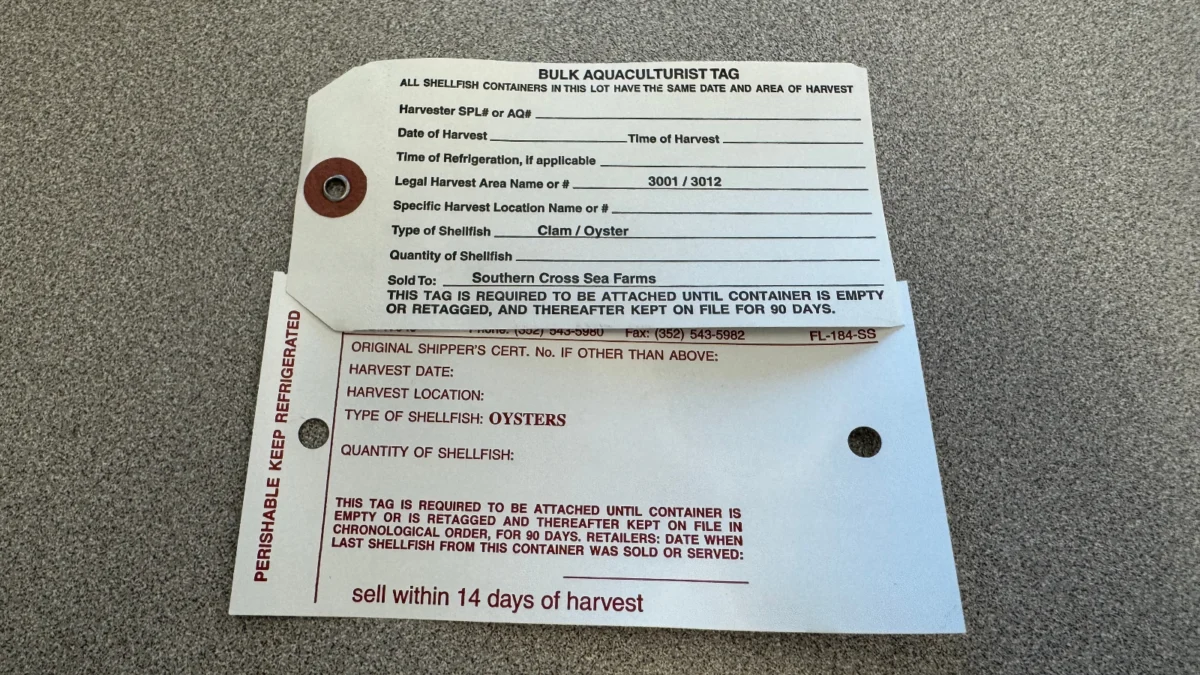
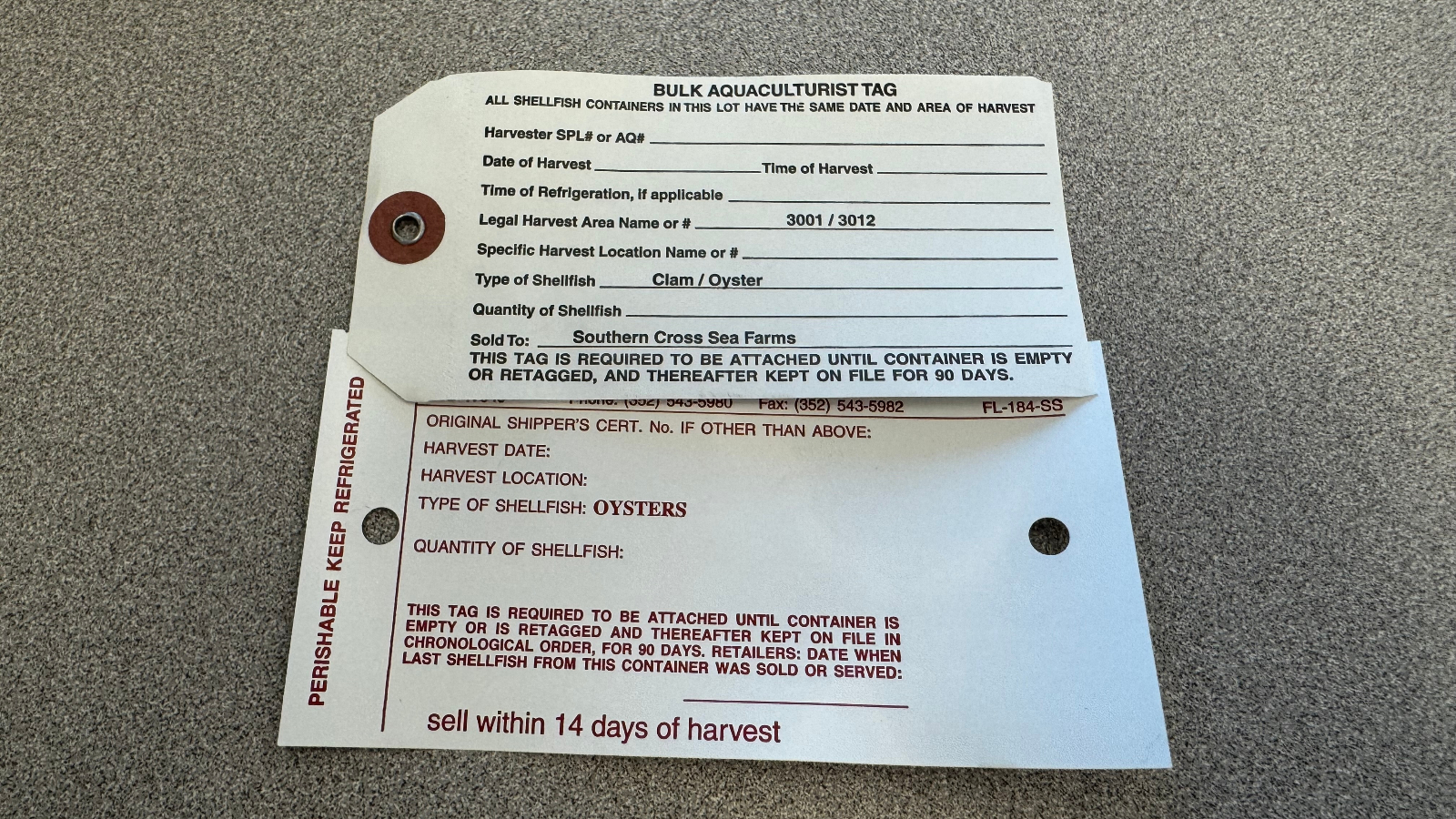
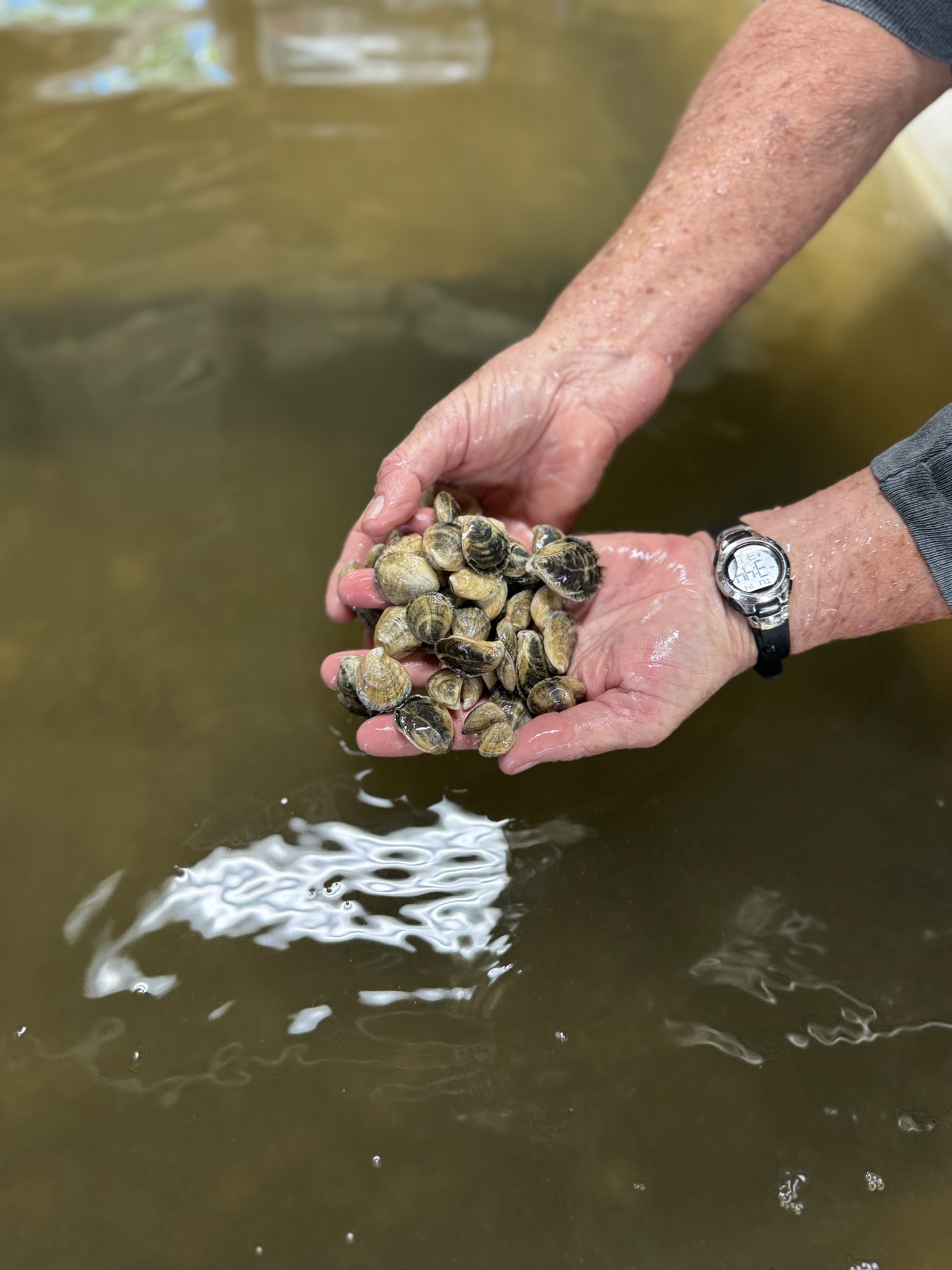
Despite these concerns, the seafood industry has implemented stringent "Vibrio control plans" since 2010. These protocols mandate rapid cooling of harvested shellfish onboard vessels and refrigeration at processing facilities within a specified timeframe, effectively mitigating the growth of Vibrio in harvested products and preventing illness.
The Complex Web of Responsibility and Prevention
The dual pathways of Vibrio infection – through shellfish consumption and seawater exposure – often lead to a complex interplay of blame. While consumers can make informed choices to limit their exposure to Vibrio through shellfish, particularly if they have underlying health conditions, avoiding exposure through seawater can be more challenging, especially if awareness of the risks is low.
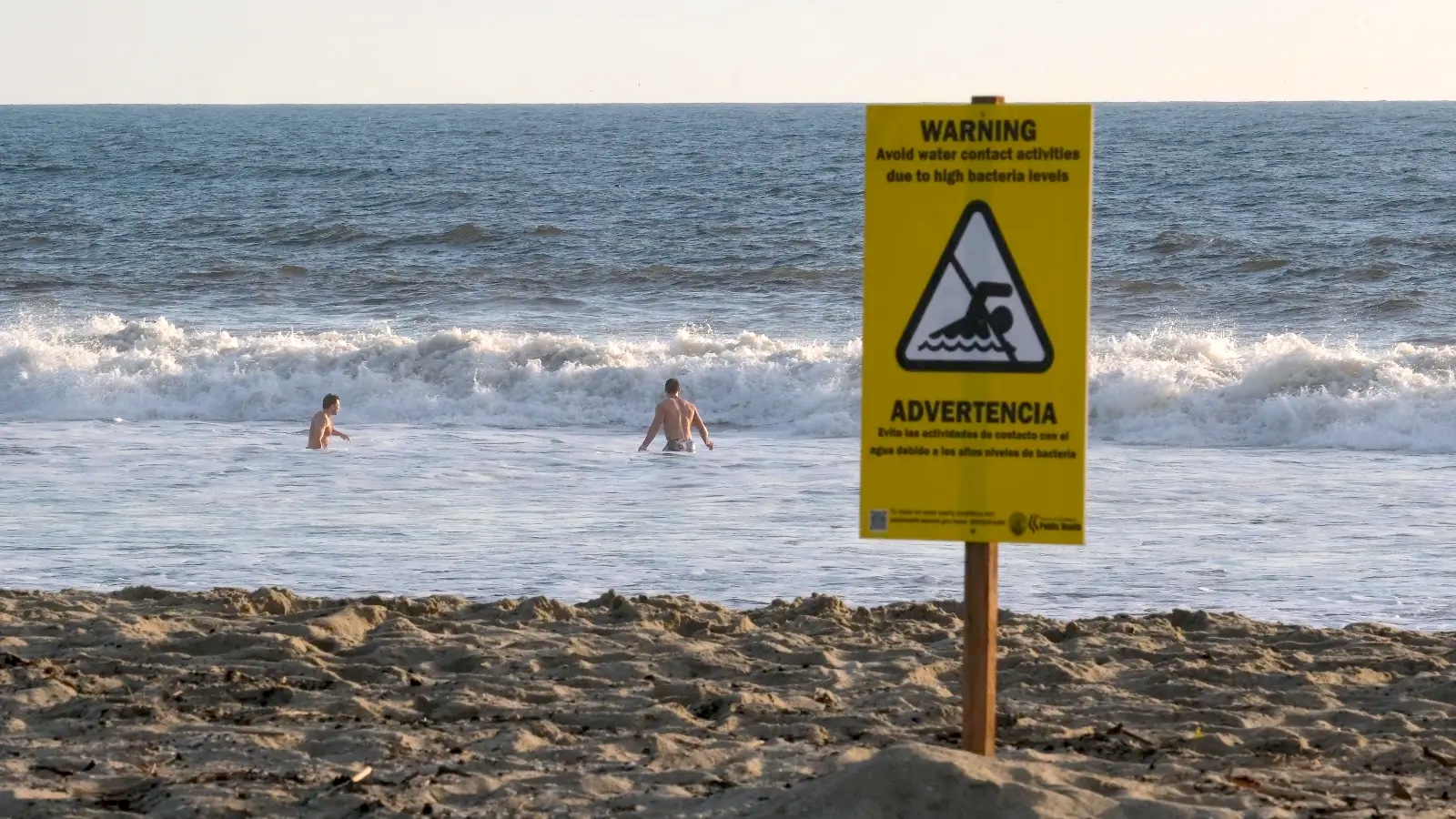
For many in the shellfish industry, personal responsibility is paramount. Sturmer asserts, "The person is the risk, not the climate, not the water, not the bacteria." This perspective aligns with the current governmental approach, where no specific bacterial threshold leads to mandatory beach closures for recreation. Instead, public advisories are issued, and only in rare instances are beaches closed due to high Vibrio levels.
However, this viewpoint often overlooks the profound and rapid changes occurring in marine environments due to climate change, the inconsistencies in public awareness regarding Vibrio risks, and the human tendency to make decisions that may not always prioritize personal safety.
Scientific Advancements and Future Projections
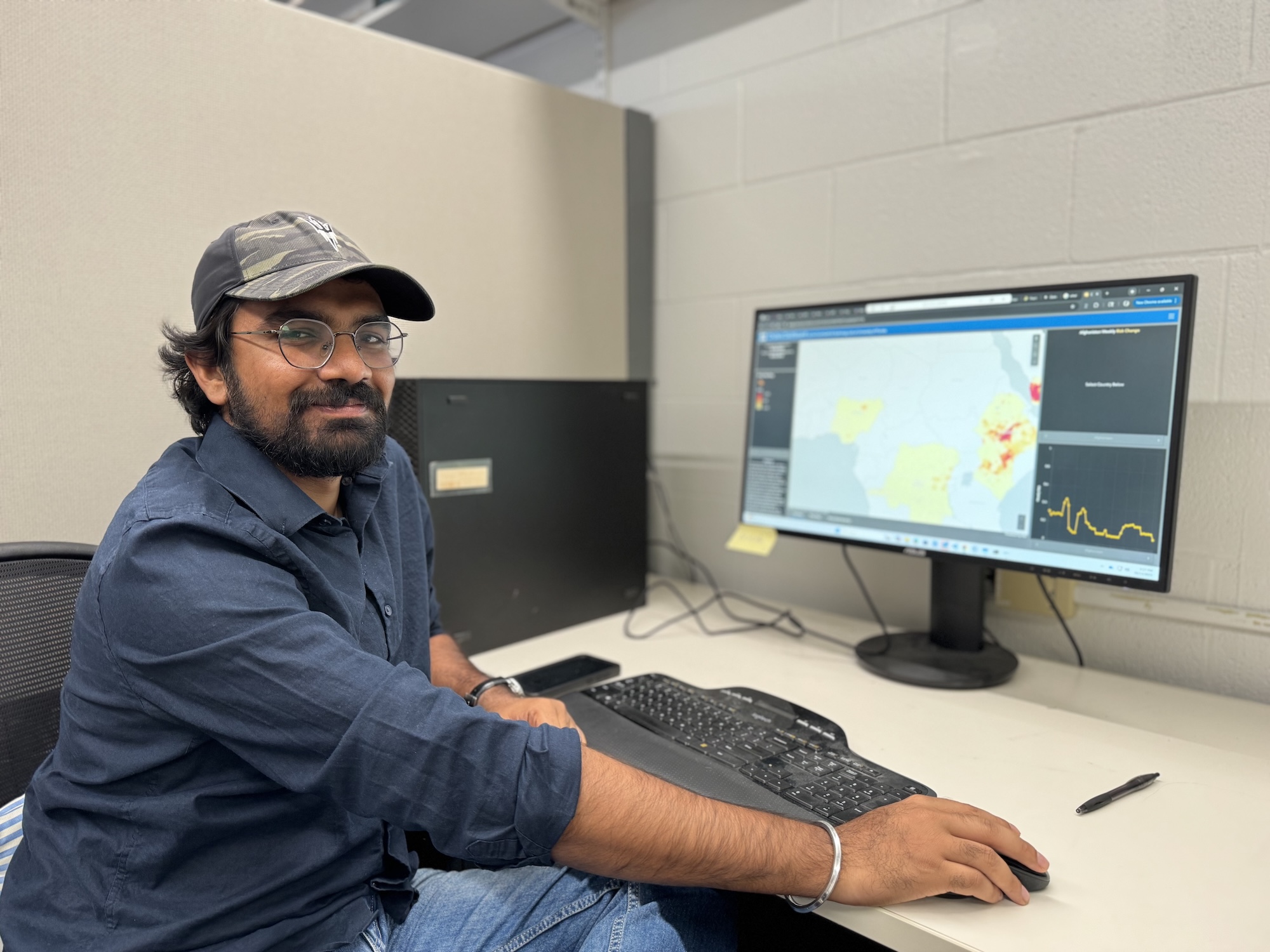
The research conducted by Magers and Kumar, along with their colleagues, aims to shift some of the burden from individual responsibility to proactive public health measures. Their work is instrumental in identifying coastal areas most vulnerable to Vibrio infections, including V. vulnificus, as ocean temperatures continue to rise. In collaboration with microbiologists from the University of Maryland, they have developed a predictive model designed to forecast vibriosis risk levels in coastal counties along the Gulf and East coasts a month in advance.
This model was trained by correlating CDC data on Vibrio-related illnesses from 1997 to 2019 with satellite-derived measurements of environmental factors crucial for Vibrio growth, such as water temperature and salinity. While the model’s initial precision in identifying high-risk counties was modest, its accuracy in predicting low-risk regions was remarkably high. With improved data quality over time, the model demonstrated significant advancements. A test run using data from the Florida Department of Public Health (2020-2024) indicated that 72 percent of vibriosis cases occurred in counties flagged as high-risk by the tool. Crucially, the model proved particularly effective in predicting high-risk areas preceding Hurricanes Helene and Milton in 2024, with over 80 percent of subsequent Florida vibriosis cases occurring in counties previously identified by the model.
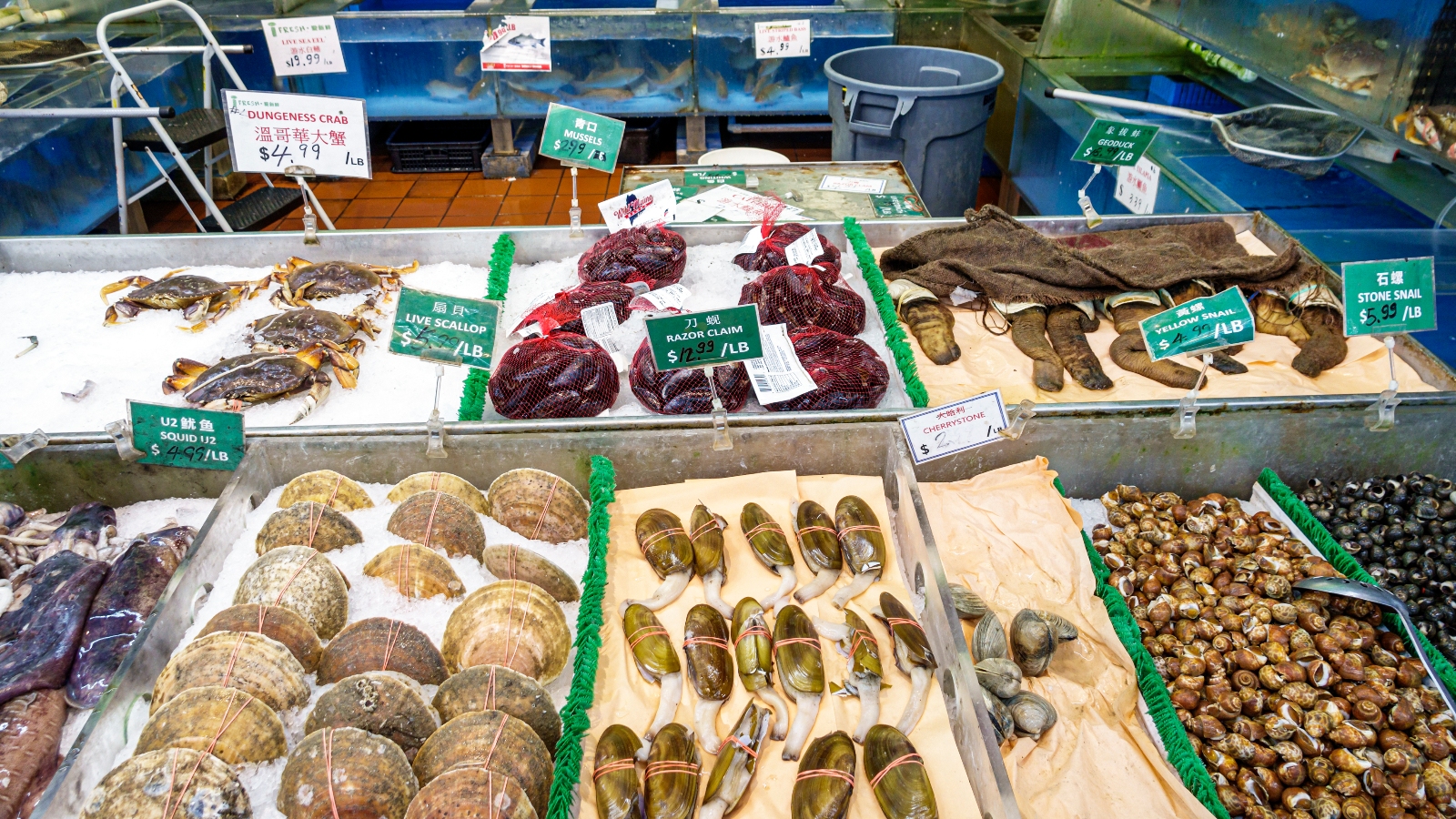
While primarily designed for waterborne infections, this predictive tool holds potential value for the shellfish industry, supplementing existing Vibrio control plans. These established protocols have proven effective, particularly in states with rigorous enforcement. However, the model’s ability to account for sudden temperature anomalies, which are becoming more frequent due to climate change, could offer an additional layer of preparedness.
Industry Adaptation and the Unfolding Challenge
Despite the scientific advancements, the shellfish industry’s embrace of predictive modeling remains cautious. Assigning risk categories to counties based on Vibrio prevalence is met with apprehension, with some fearing it could be used "against the industry." While some harvesters acknowledge the link between Vibrio and global warming, they often perceive the research as separate from the immediate safety of their products, which are managed through existing control measures.
However, the reality of a warming planet suggests an increasing overlap between these domains. If current greenhouse gas emission trends persist, many East Coast coastal communities are projected to face an elevated risk of vibriosis outbreaks during peak summer months by midcentury. The question will then shift from if more vibriosis cases will occur to how to effectively manage them.
The current regulatory framework, which relies on rolling five-year averages for calculating harvest times, may not adequately address sudden temperature spikes. An oyster farmer in the Gulf Coast noted in February, "It’s going to be 80 degrees this week in Alabama. Yet I can keep my oysters out for, like, 14 hours, because the rolling five-year average is 20 degrees less than that anomaly." This highlights a critical disconnect between historical data and the rapidly changing environmental conditions.
The challenge lies in bridging the gap between scientific foresight and practical implementation. While the seafood industry has developed robust protocols, the evolving climate necessitates a dynamic approach to risk assessment and management. The work of researchers like Magers and Kumar offers a glimpse into a future where predictive tools become integral to safeguarding public health and ensuring the sustainability of coastal economies in the face of unprecedented environmental change. As Magers aptly puts it, "In 30, 40, 100 years, these models won’t even matter because the risk is so high. When it gets to that point, it would probably be a different kind of modeling strategy where we’d be modeling case numbers instead of infection risk." The time to prepare for that reality is now.