
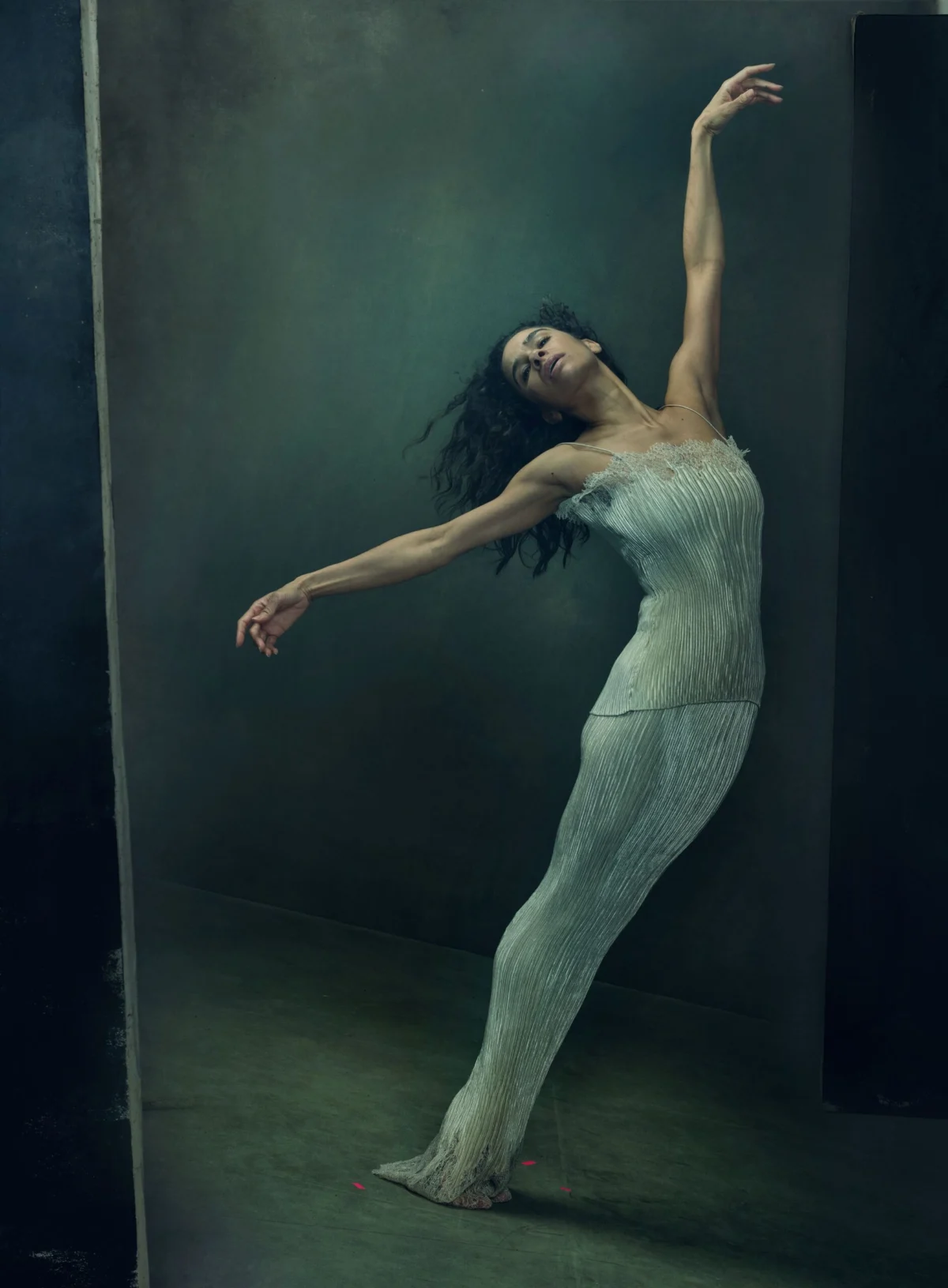
The landscape of contemporary high fashion is currently undergoing a seismic shift, moving away from the restrictive minimalism of previous seasons toward a more expressive, architectural language. This evolution is being championed by a diverse collective of artists, models, performers, and activists who are breathing life into the season’s most arresting silhouettes. From the sleekly columnar forms that recall classical antiquity to the sublimely voluminous structures that challenge traditional notions of space, the latest collections are designed to do more than simply clothe the body; they are intended to articulate a narrative of power, identity, and creative defiance.
The Architectural Vanguard: Sculptural Silhouettes and Gilded Textures
At the forefront of this seasonal transformation is a renewed focus on the physical structure of the garment. This trend is perhaps best exemplified by actor Gwendoline Christie, whose collaboration with the house of Carolina Herrera has produced one of the season’s most talked-about looks. Wearing a gilded, sculptural gown, Christie embodies the "Gold Standard" of modern evening wear. The dress, characterized by its rigid yet fluid metallic texture, serves as a testament to the technical prowess of creative director Wes Gordon.

Similarly, actor Wunmi Mosaku demonstrates the power of clean lines and deliberate volume in a striking ensemble by Tom Ford. Paired with a bold Tiffany & Co. cuff, the look emphasizes a "Shape of Things to Come," where fashion serves as a bridge between the heritage of luxury tailoring and a futuristic, minimalist aesthetic. These silhouettes are not merely decorative; they are engineered to command attention, utilizing materials that hold their shape while allowing for the dynamic movement of the wearer.
The Intersection of Fine Art and Haute Couture
The synergy between the art world and the fashion industry has reached a new pinnacle this spring. Artist Tschabalala Self, globally recognized for her multi-dimensional depictions of Black womanhood, brings her unique perspective to the world of Chanel. Known for her use of dense patterns and layered textiles, Self navigates the "Blue Period" of the season through a jaunty juxtaposition of textures. By pairing a severe black turtleneck with a brilliant statement necklace and a ballooning ball skirt, the ensemble reflects a sophisticated understanding of contrast—a hallmark of both her personal work and the Chanel aesthetic.
This collaboration highlights a broader industry trend where the "muse" is no longer a passive participant but an active collaborator whose intellectual and artistic output informs the presentation of the clothing. The inclusion of figures like Self suggests a shift toward a more cerebral fashion environment, where the narrative behind the garment is as significant as the garment itself.

Diversity and Representation as Design Catalysts
The spring season also marks a significant milestone in the visibility of diverse bodies and identities within the high-fashion editorial space. Model and activist Lauren Wasser, often referred to as the "Girl with the Golden Legs," continues to redefine beauty standards in a coruscating, sheer Carolina Herrera dress. By matching her signature golden prosthetics with Roberto Cavalli slingbacks, Wasser elevates the prosthetic from a medical necessity to a high-fashion accessory. Her presence in this editorial is a powerful statement on the intersection of disability and glamour, proving that the most beguiling silhouettes are those that embrace the reality of the wearer’s form.
In a similar vein, model Alex Consani represents a new generation of fashion icons who are challenging traditional gender and aesthetic norms. Consani appears in a figure-skimming persimmon orange Balenciaga dress, a piece that evokes the aesthetic-movement masterpiece Flaming June by Lord Frederic Leighton. The choice of Balenciaga—a house historically rooted in the exploration of volume and unconventional shapes—serves as the perfect vehicle for Consani’s ethereal yet commanding presence.
Chronology of the Spring Aesthetic Shift
The development of these silhouettes can be traced through a specific timeline of industry events over the past twelve months:

- September 2023: The initial debut of these sculptural forms during the Spring/Summer 2024 runway shows in New York and Paris. Designers like Wes Gordon and Demna Gvasalia signaled a move away from "quiet luxury" toward more overt, experimental shapes.
- January 2024: The Haute Couture collections further refined these concepts, introducing advanced fabric technologies that allowed for greater volume without excessive weight.
- March 2024: The transition from runway to editorial, as major fashion houses began selecting cultural figures—rather than just traditional models—to represent their collections in global campaigns.
- Present: The culmination of these efforts in high-profile editorials that blend art, activism, and performance, as seen in the current spring showcase.
Supporting Data: The Economic Impact of Expressive Fashion
The move toward more complex and "beguiling" silhouettes is supported by recent market data indicating a shift in consumer behavior. According to luxury retail analysts, there has been a 14% increase in the "expressive evening wear" category over the first quarter of the year. Consumers are increasingly seeking pieces that offer a sense of "occasion" and "artistry" following several years of casualization in the fashion industry.
Furthermore, a study on brand sentiment revealed that fashion houses that engage with activists and artists (such as Chanel and Carolina Herrera) see a 22% higher engagement rate among Gen Z and Millennial demographics. These consumers value authenticity and the integration of social messaging within the luxury space. The success of figures like Lauren Wasser and Alex Consani in these roles is not just a cultural win but a strategic economic move for these legacy brands.
Technical Execution and Production Behind the Scenes
The realization of these fashion narratives requires a highly specialized team of creative professionals. The spring editorial featured in this discussion was brought to life by a band of artists including:

- Hair: Sondrea “Dre” Demry-Sanders, who crafted styles that complemented the architectural nature of the clothing.
- Makeup: Jamal Scott, focusing on a palette that enhanced the "shimmery, glimmery" elements of the garments.
- Manicurist: Jin Soon Choi, providing a polished finish that grounded the more voluminous looks.
- Tailoring: Tae Yoshida for Carol Ai Studio Tailors, ensuring that the complex structures of Balenciaga and Tom Ford were perfectly fitted to each unique physique.
- Set Design and Movement: Montana Pugh and Movement Director Jose Sebastian (specifically for Misty Copeland) created an environment where the "dauntless band" could interact with their surroundings in a way that highlighted the fluidity of the silhouettes.
Official Responses and Industry Implications
While the designers themselves often let the clothes "do all the talking," industry insiders have been vocal about the significance of this season’s direction. Critics have noted that the current focus on "animation" and "performance" in fashion photography marks a return to the editorial glory days of the 1990s, but with a modern, inclusive twist.
"We are seeing a rejection of the ‘cookie-cutter’ model," says one senior fashion editor. "The clothes are being designed for people with stories, for people who have a presence that can fill a room as much as a voluminous Balenciaga skirt can."
The implications of this shift are profound. By centering activists like Wasser and artists like Self, the fashion industry is acknowledging its role in the broader cultural conversation. Fashion is no longer an island; it is a reflective surface for the progress of society.

Broader Impact and Future Outlook
As the spring season progresses, the influence of these sculptural and expressive silhouettes is expected to trickle down from haute couture to premium ready-to-wear markets. The emphasis on "beguiling silhouettes" suggests that the industry is entering a period of renewed creativity, where the focus is on the transformative power of dress.
The success of this editorial approach—combining high art, social activism, and technical mastery—provides a blueprint for the future of fashion communication. In an age dominated by digital imagery and rapid trend cycles, the "dauntless band" of creatives featured here reminds us that true style is found in the intersection of form, function, and the human spirit. The silhouettes of the season may be "sleekly columnar" or "sublimely voluminous," but it is the people within them who truly define the shape of fashion to come.