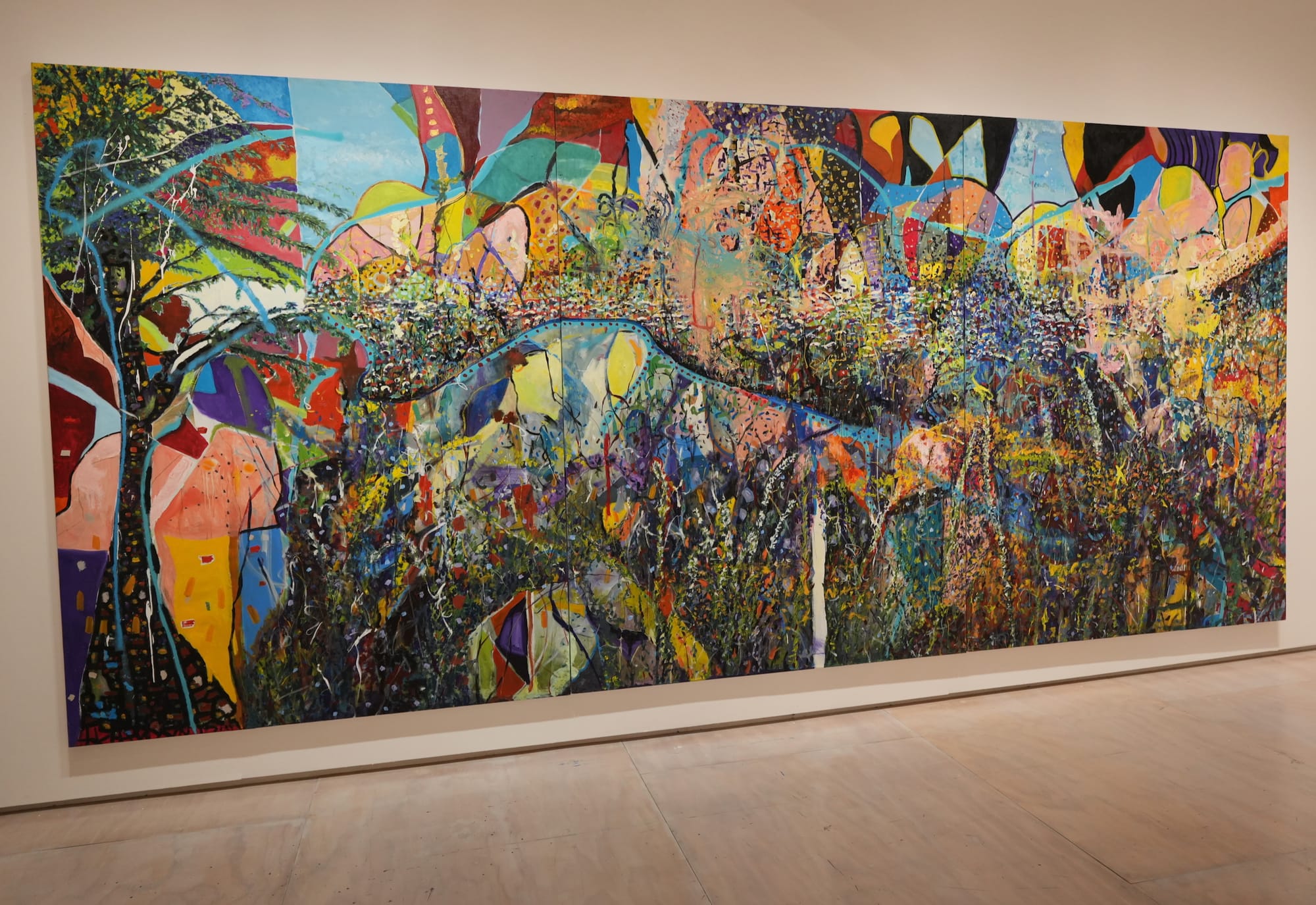
The 2026 iteration of Greater New York at MoMA PS1 represents the latest installment of the institution’s signature survey, a sprawling examination of the creative output emerging from the five boroughs and beyond. Established in 2000 as a collaboration between MoMA PS1 and The Museum of Modern Art, the exhibition has historically served as a quinquennial barometer for the health and direction of the New York City art world. The current edition features more than 150 works by over 50 artists, attempting to distill the chaotic, multifaceted energy of a city inhabited by over eight million people into a cohesive museum experience.
This year’s survey arrives at a critical juncture for the city’s cultural sector, as artists navigate the complexities of a post-pandemic economy, shifting neighborhood demographics, and an increasingly digital landscape. The exhibition occupies the entirety of MoMA PS1’s repurposed schoolhouse building in Long Island City, Queens, offering a dense narrative that ranges from intimate photography and grassroots activism to large-scale mechanical installations and experimental video.

Historical Context and the Evolution of Greater New York
Since its inception at the turn of the millennium, Greater New York has undergone several ideological shifts. The 2000 and 2005 editions were largely credited with launching the careers of emerging artists during a period of rapid market expansion. By 2010 and 2015, the focus shifted toward a more historical perspective, blending younger voices with overlooked figures from previous decades. The 2021 edition, delayed by the COVID-19 pandemic, was noted for its somber tone and focus on indigeneity, diaspora, and the city’s changing infrastructure.
The 2026 survey continues this trajectory by emphasizing the "texture" of New York—incorporating the visual vernacular of the streets, from hand-painted shop signs to the specific aesthetics of the city’s transit systems. Curators for this edition have leaned heavily into works that address labor, surveillance, and the psychological toll of urban life, while also providing space for subcultural aesthetics including gaming, anime, and "post-digital" perspectives.
Key Highlights and Critical Acclaim
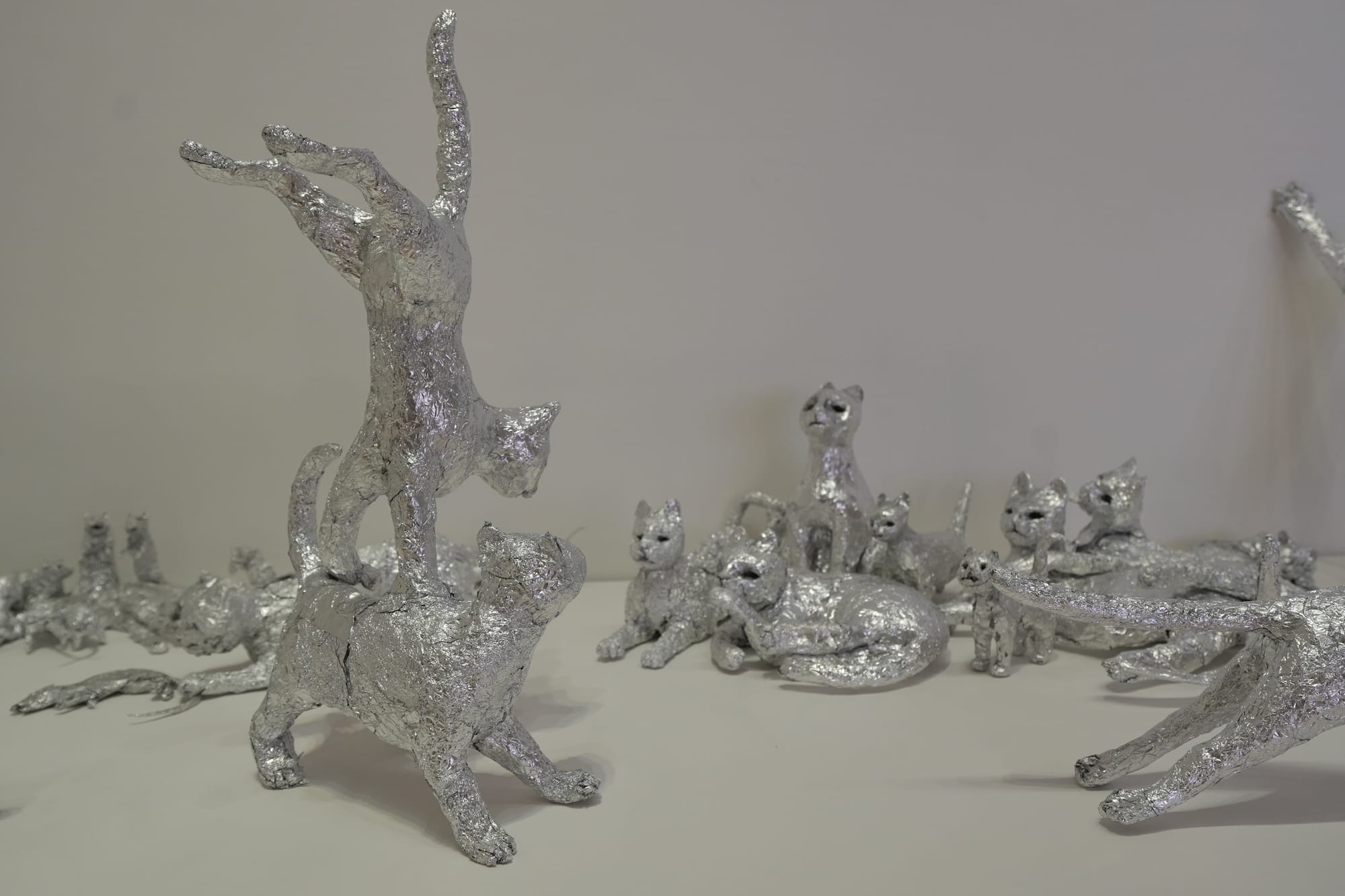
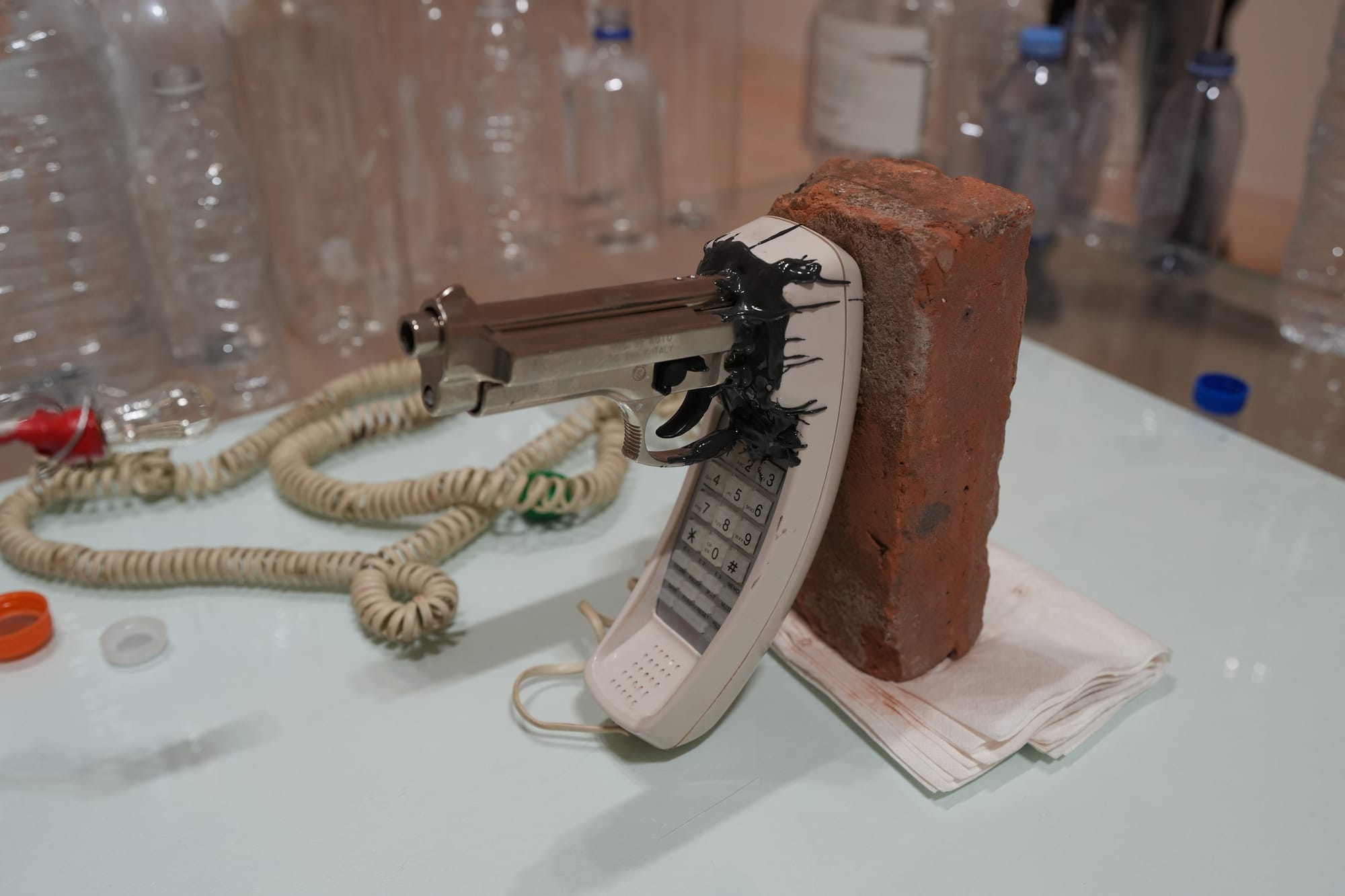
Several artists in the 2026 survey have garnered significant attention for their ability to translate the specificities of New York life into universal emotional experiences. Among the most discussed is Dean Millien, whose aluminum foil sculptures of cats and rats serve as an allegory for the urban ecosystem. Millien, who began working with the material at age four after his traditional toys were confiscated, creates cinematic, tactile works that resonate with the city’s shared reality of coexistence with "vicious" yet "sweet" animal life.
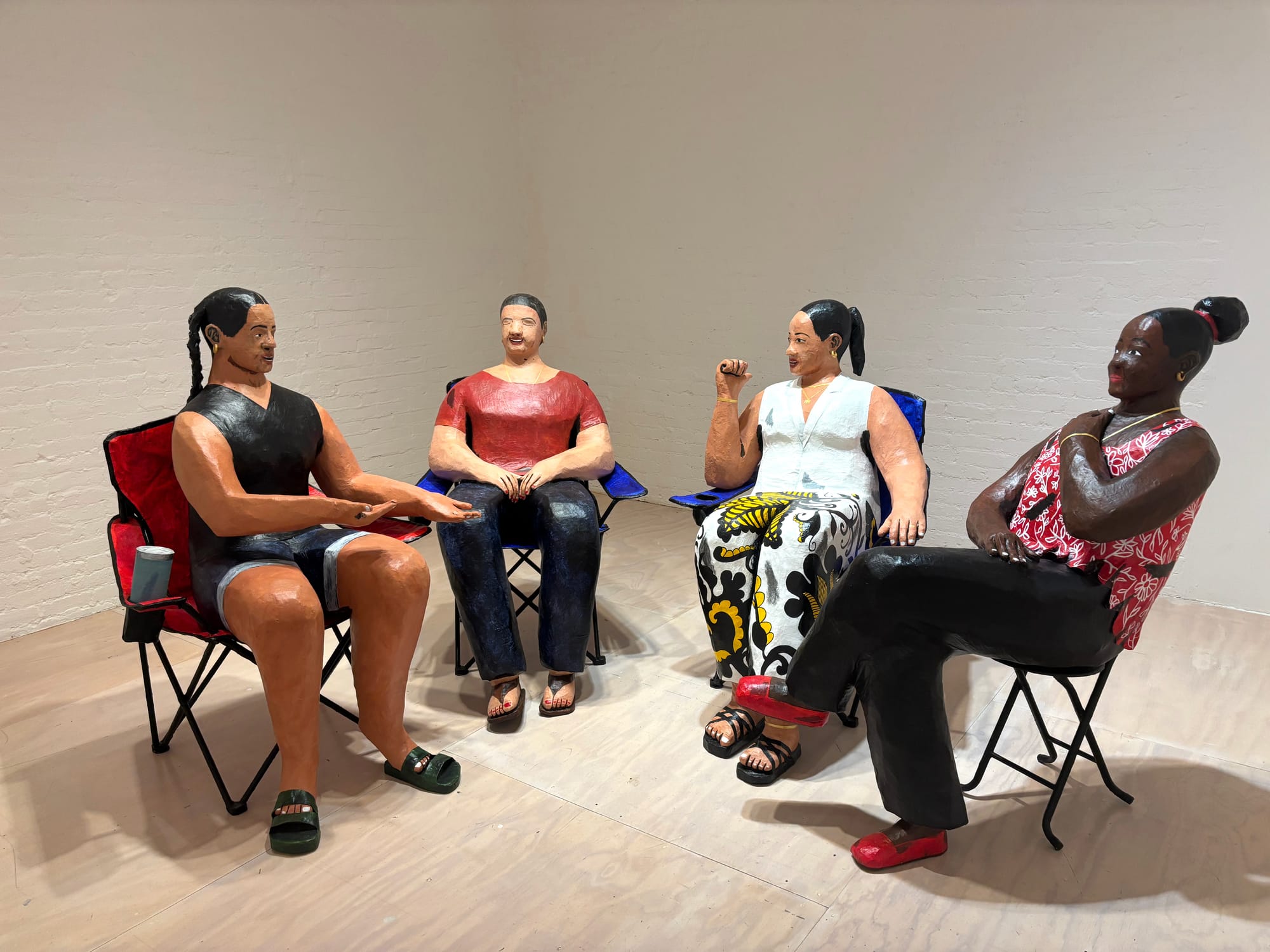
The intersection of art and activism is a primary pillar of the exhibition. The collective Red Canary Song presents "Touch the Heart," an immersive installation addressing the realities of migrant massage workers and sex workers in New York. By utilizing audio interviews, data visualization, and mock posters, the collective archives the labor of a marginalized demographic often subjected to systemic stigmatization. Critics have noted the installation’s effectiveness in making complex, protected labor issues accessible to a general museum audience.
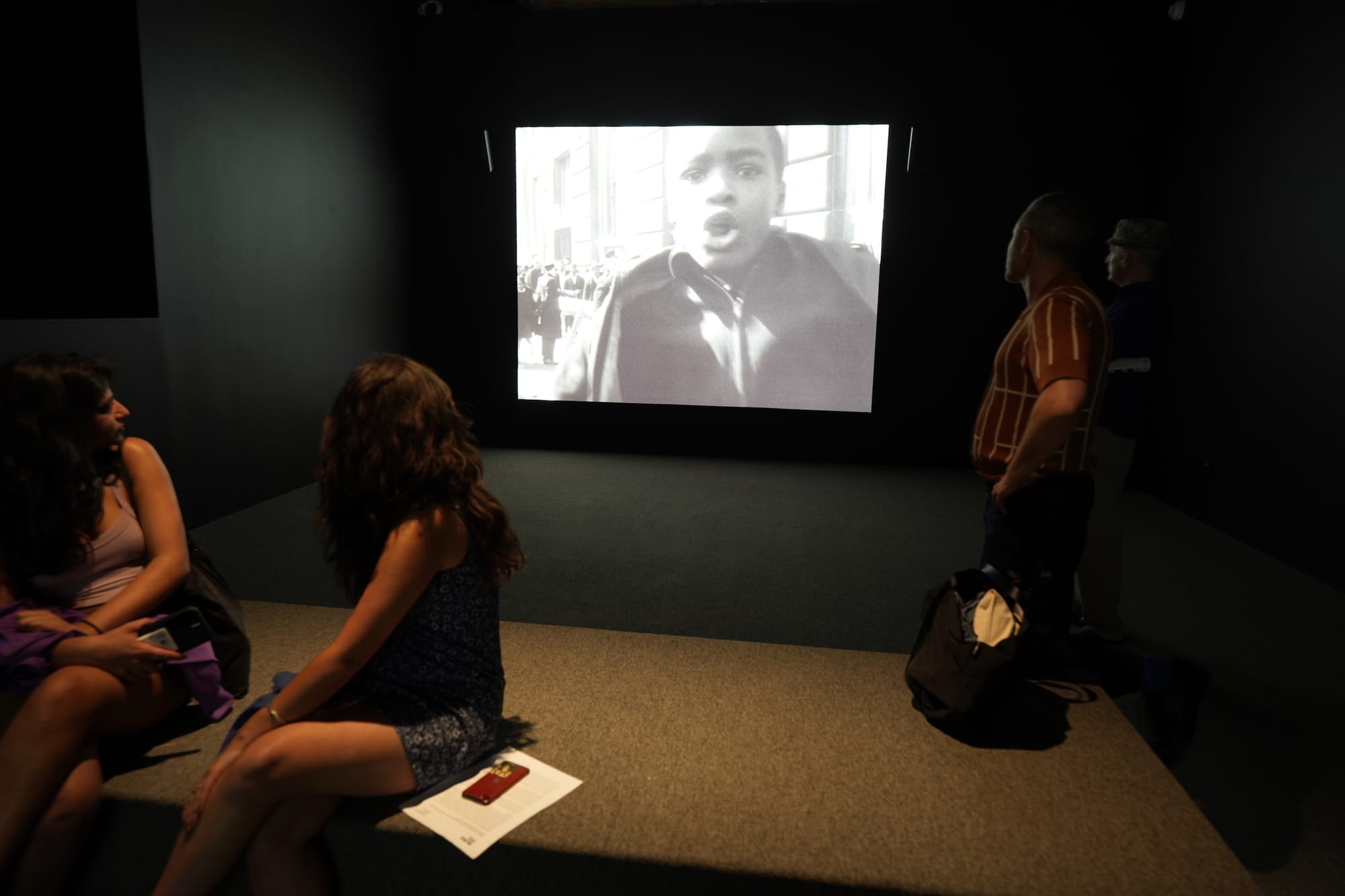
In the realm of video and surveillance, Kameron Neal’s "Down the Barrel (of a Lens)" offers a chilling historical reflection. Created during a residency at the NYC Department of Records and Information Services, Neal reviewed over 3,600 minutes of NYPD surveillance footage from 1960 to 1980. The resulting two-channel installation captures the tension of Vietnam War protests, Black Panther rallies, and labor strikes, forcing viewers to confront the persistence of state monitoring and the agency of the protesters being watched.
Labor, Infrastructure, and the Changing City
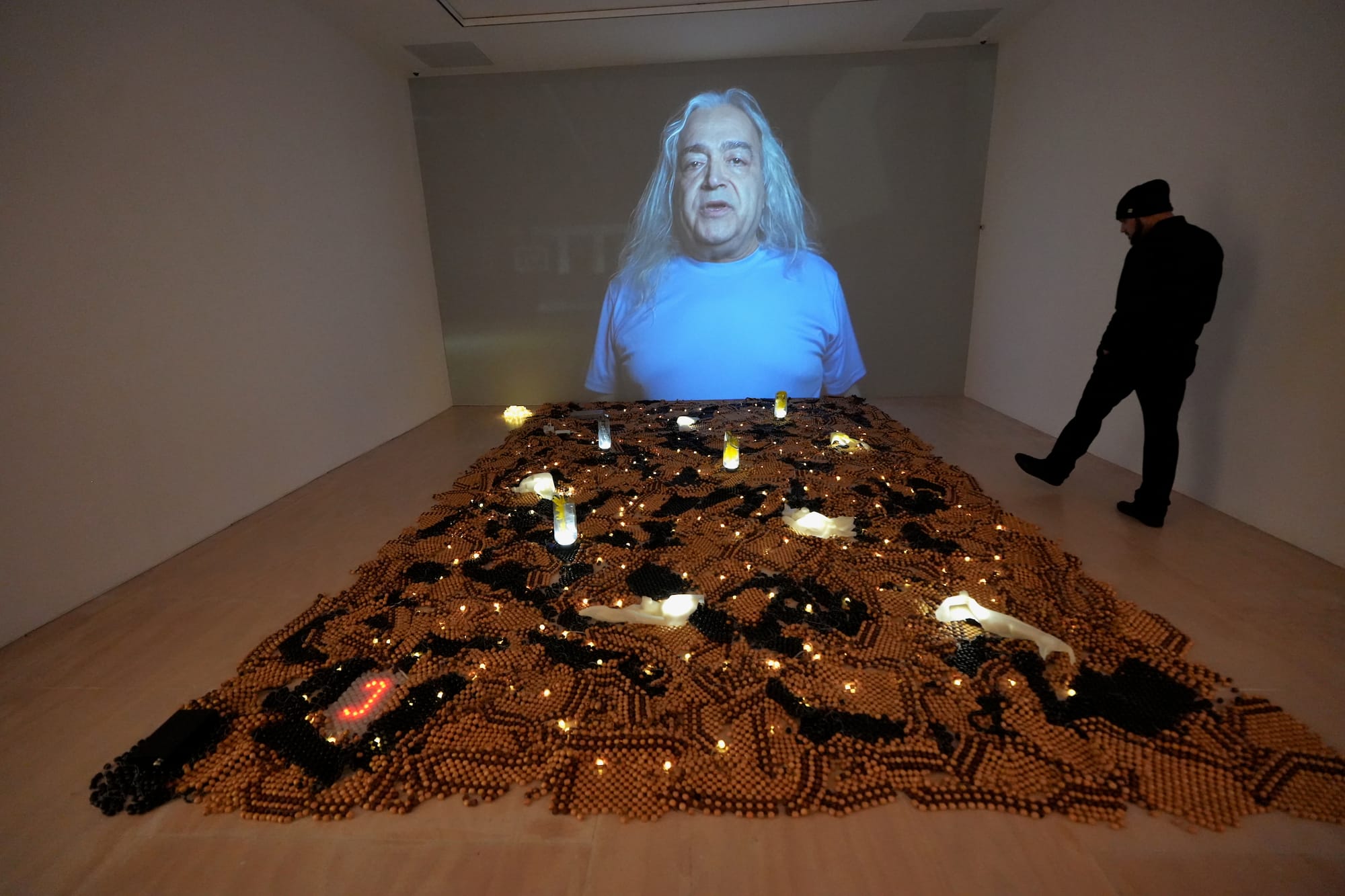
The exhibition also tackles the specific economic hardships of the New York workforce. Kenneth Tam’s installation "I’M STAYING HOPEFUL AND STRONG (For Bilal and Salah)" focuses on the lives of taxi drivers. Using beaded wooden seat covers—a ubiquitous symbol of the industry—Tam explores the collapse of the taxi medallion as a path to the American Dream. The work combines video of drivers performing modern dance with sculptural elements, deconstructing traditional notions of masculinity and labor in the face of economic ruin.
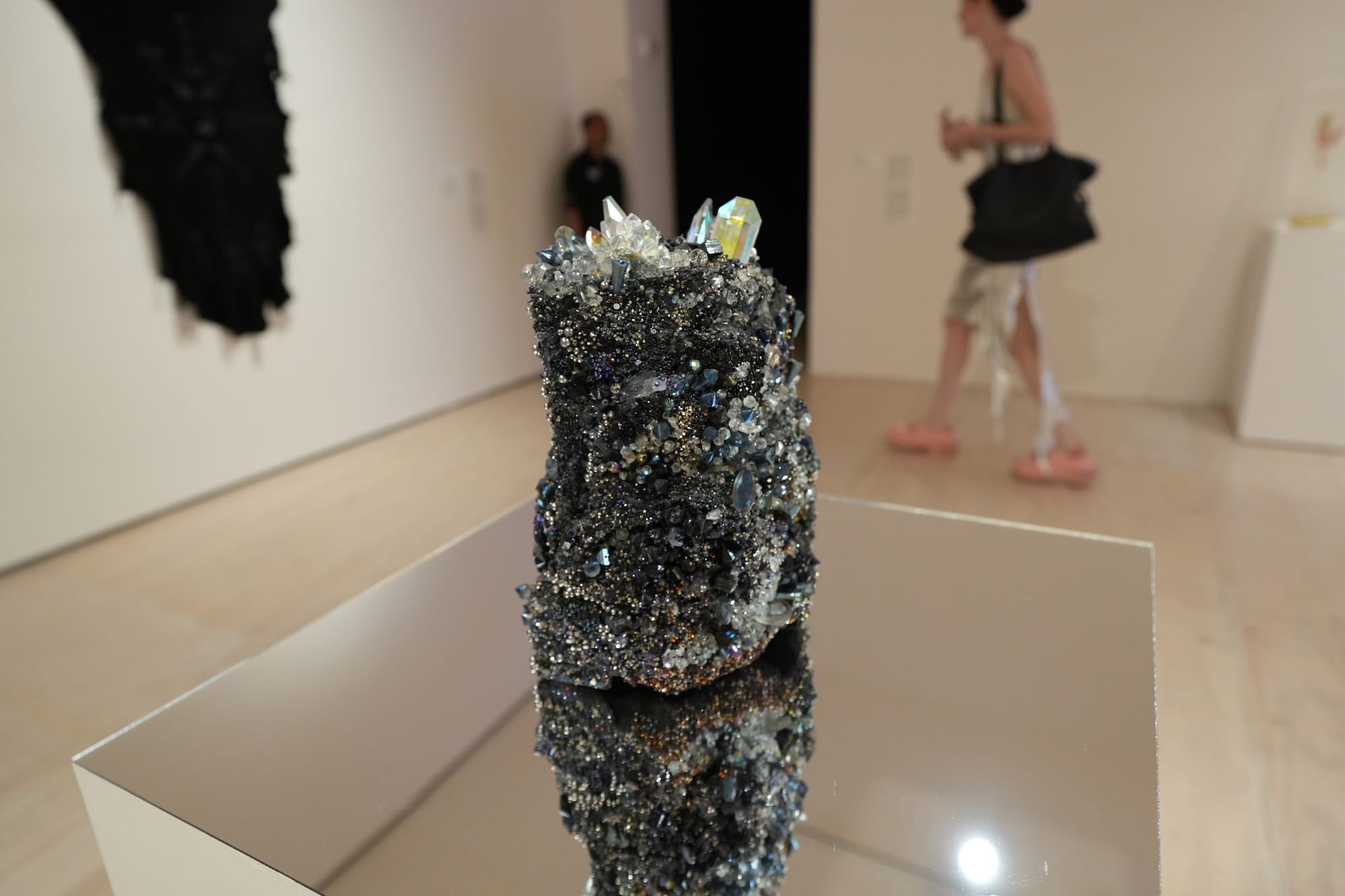
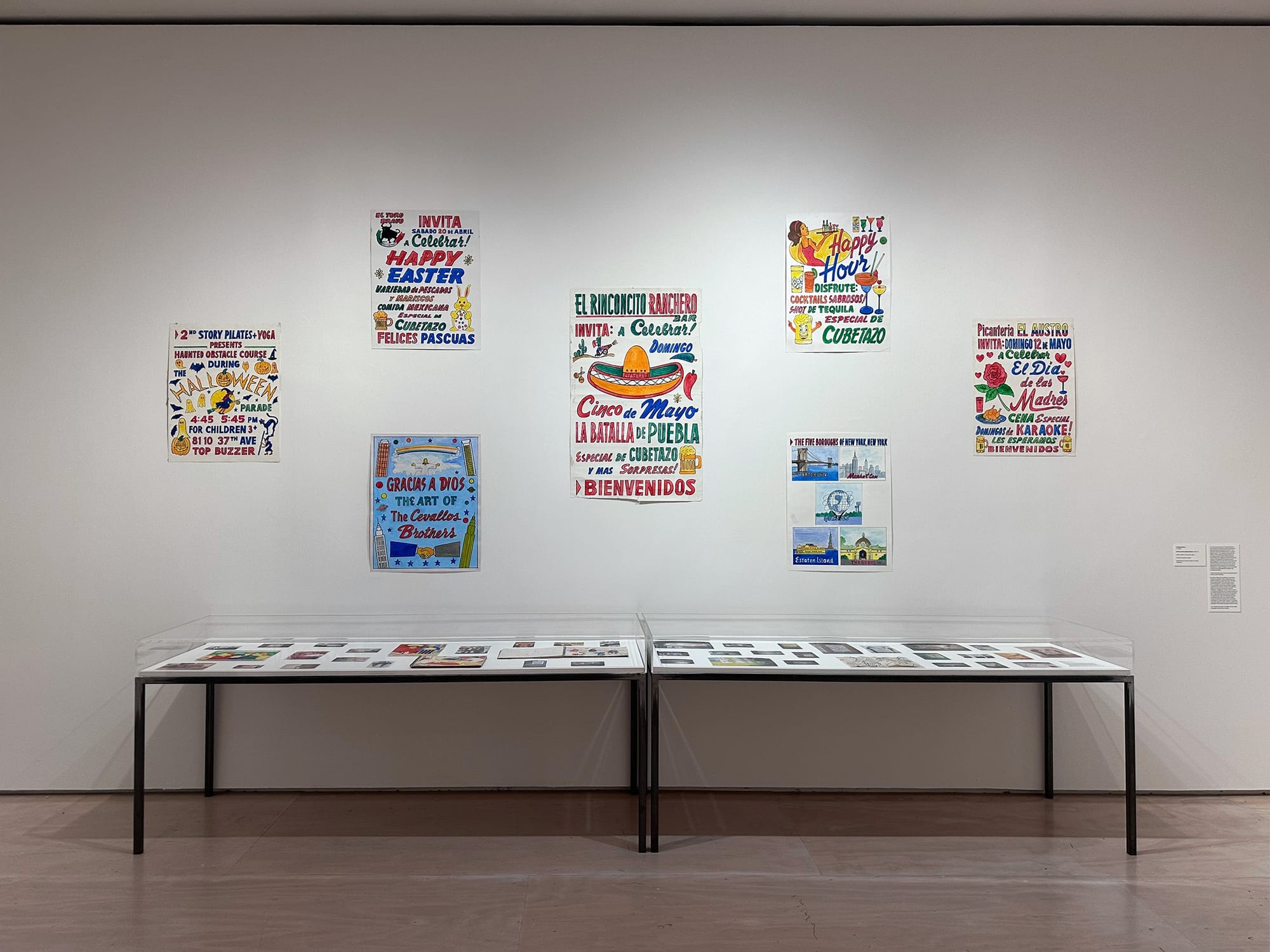
Similarly, the Cevallos Brothers bring the "source material" of the city into the museum. Their hand-painted signs reflect the visual language of ethnic enclaves and local commerce. By elevating these functional objects to the status of fine art, the survey acknowledges that the most vibrant creative expressions in New York often occur outside the traditional gallery system.
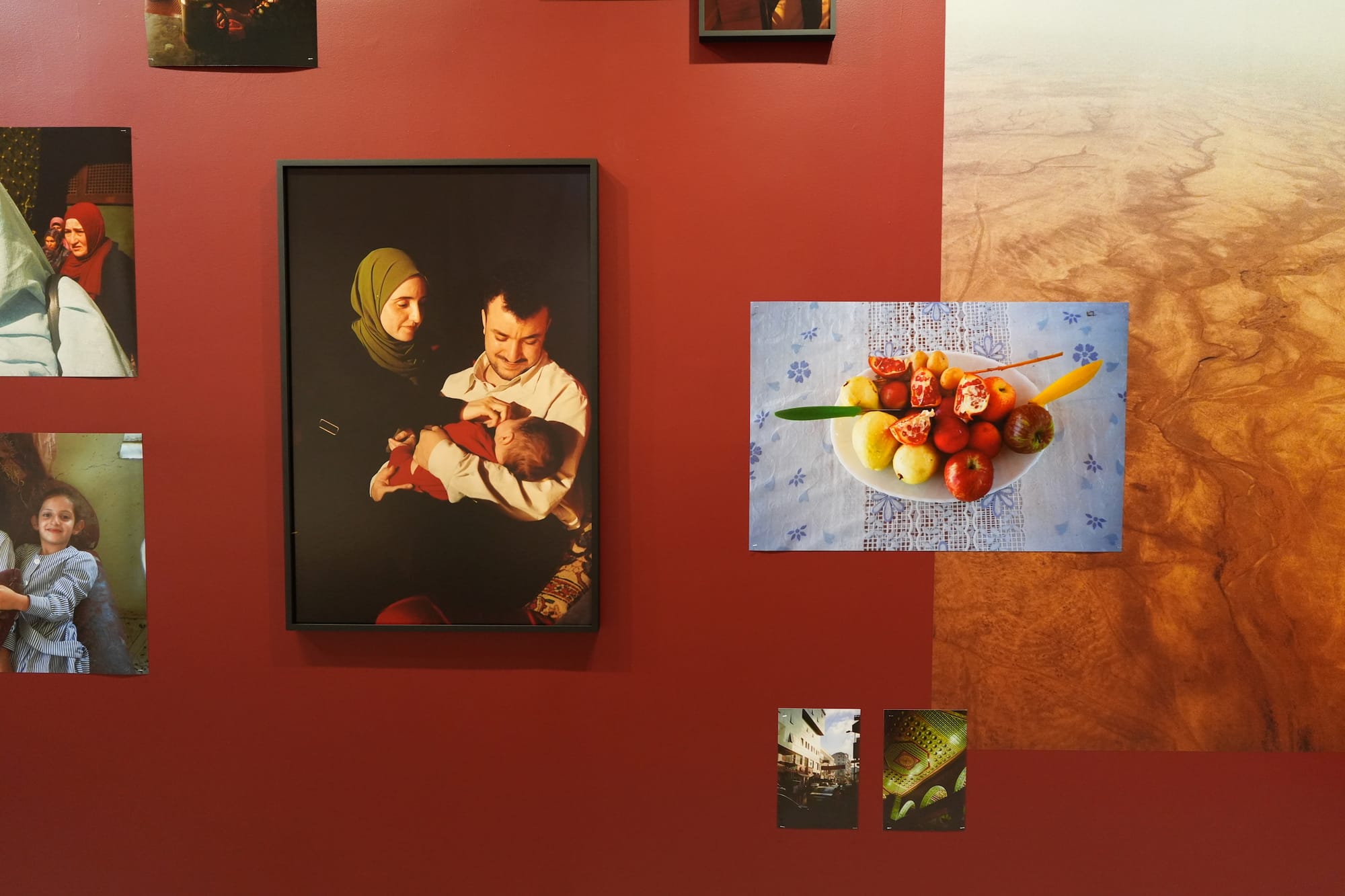
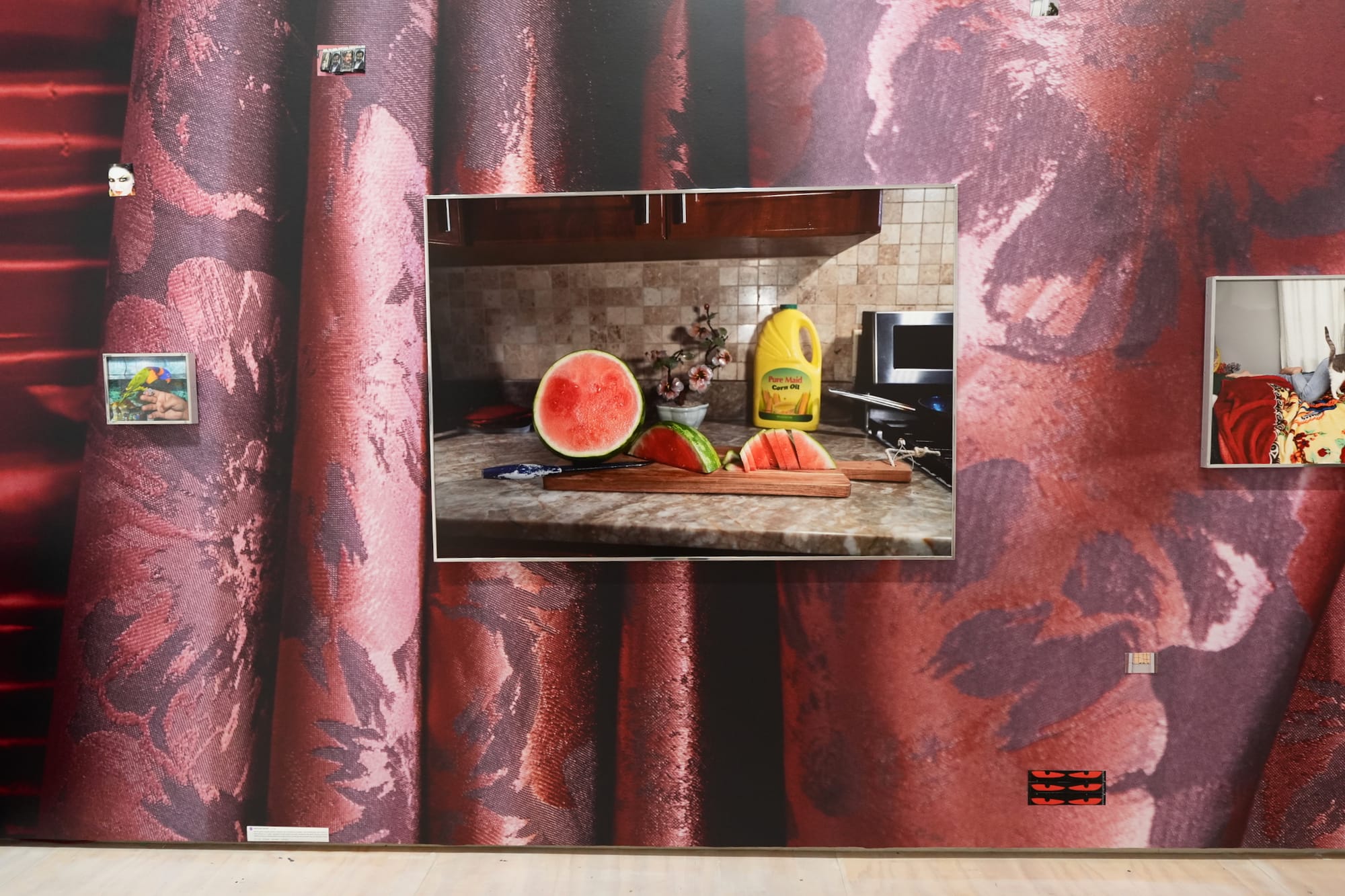
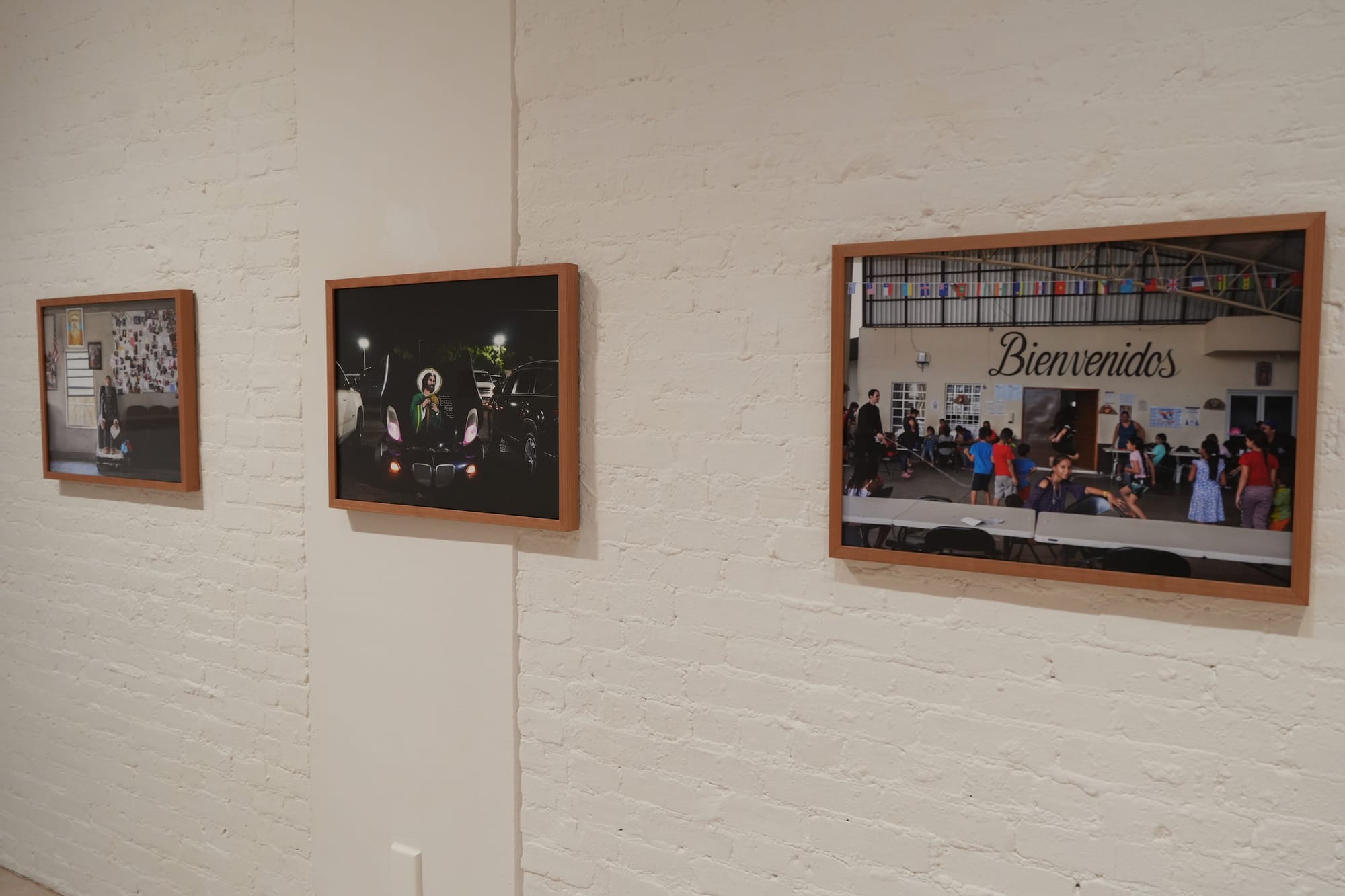
Photography remains a strong component of the survey, with artists like Cinthya Santos-Briones and Dean Majd offering intimate glimpses into immigrant communities and domestic spaces. Santos-Briones’ work is noted for its sculptural printing quality, which gives her subjects a three-dimensional presence that avoids being intrusive. Farah Al Qasimi’s photographs further explore the diasporic experience, utilizing harsh angles and high contrast to document the melancholy and humor found in the intersection of Middle Eastern and American cultures.
Critical Ambivalence and Institutional Challenges
Despite the strengths of individual works, the 2026 survey has faced criticism regarding its layout and the perceived "MFA-show" aesthetic of certain sections. Critics have pointed out that several works suffer from "over-complication" or an over-reliance on "artspeak" in their accompanying wall texts.
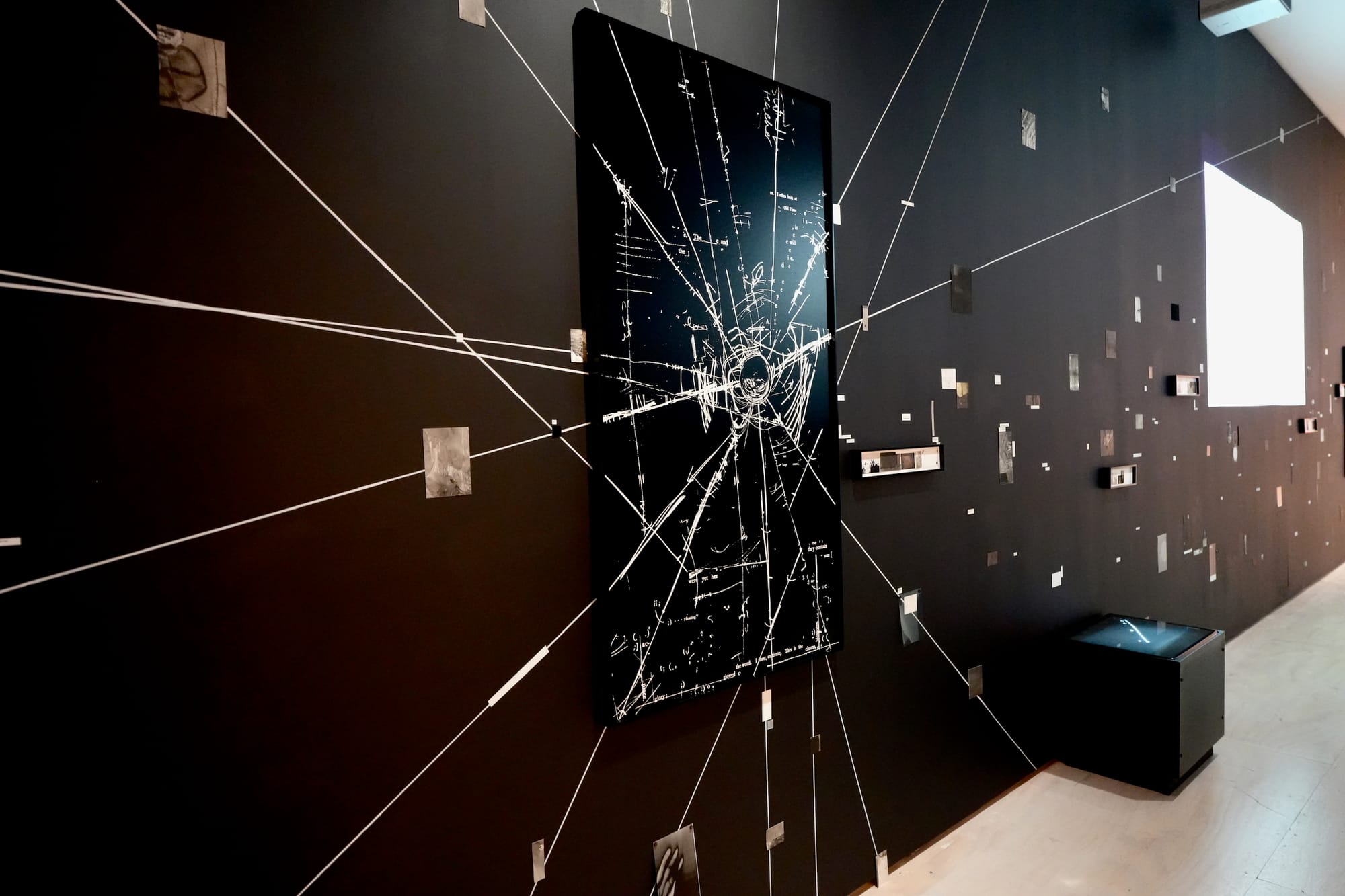
Kameelah Janan Rasheed’s "Escape Orbit," a sprawling installation of scraps, photos, and screens, was praised for its energy but criticized for being placed in a cramped hallway that hindered visitor engagement. Similarly, Louis Osmosis’ work, which critiques "corporate sculptures" as the "NPCs of modernism," was met with a mix of intrigue and confusion. While his conceptual framework was admired, the density of his titles and descriptions—such as "conceptual playmaking from a postdigital painterly perspective"—was cited as a barrier for non-academic viewers.
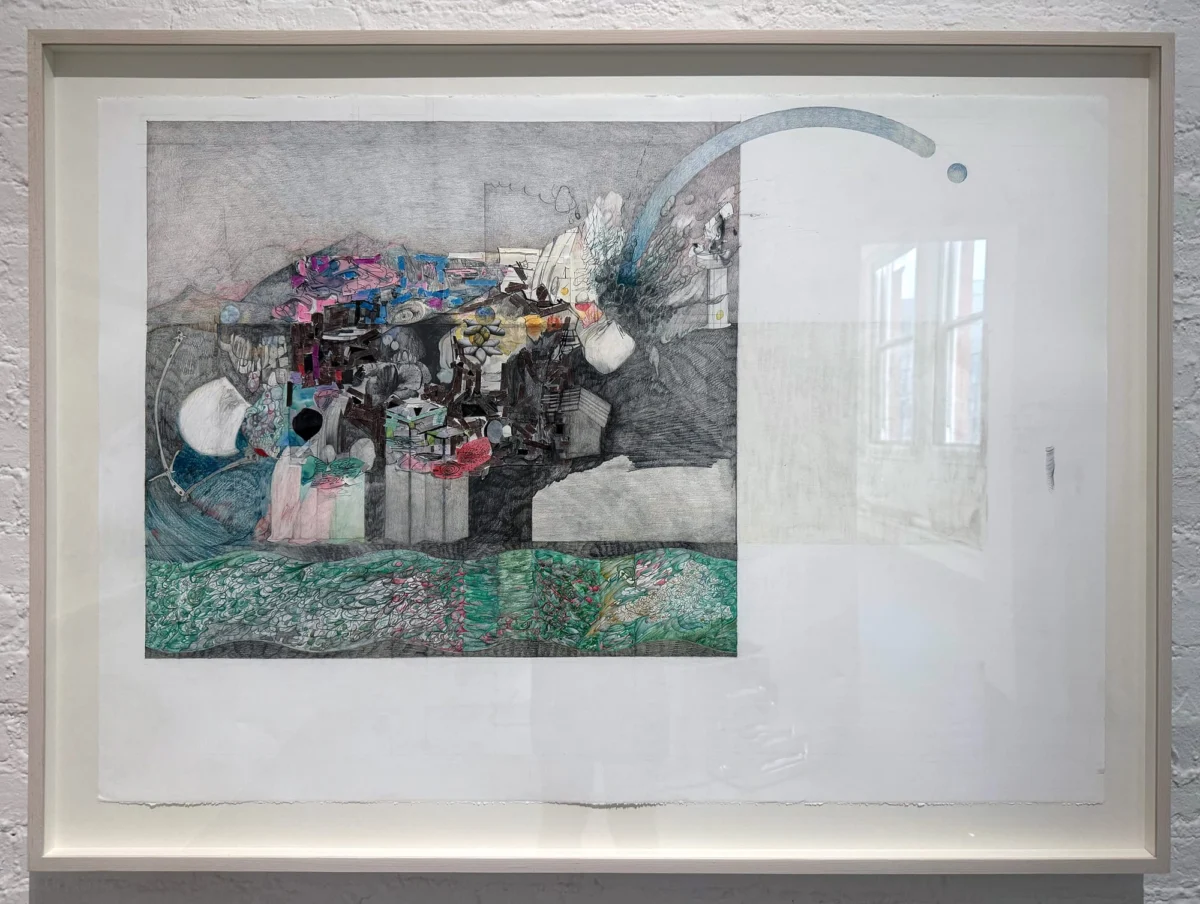
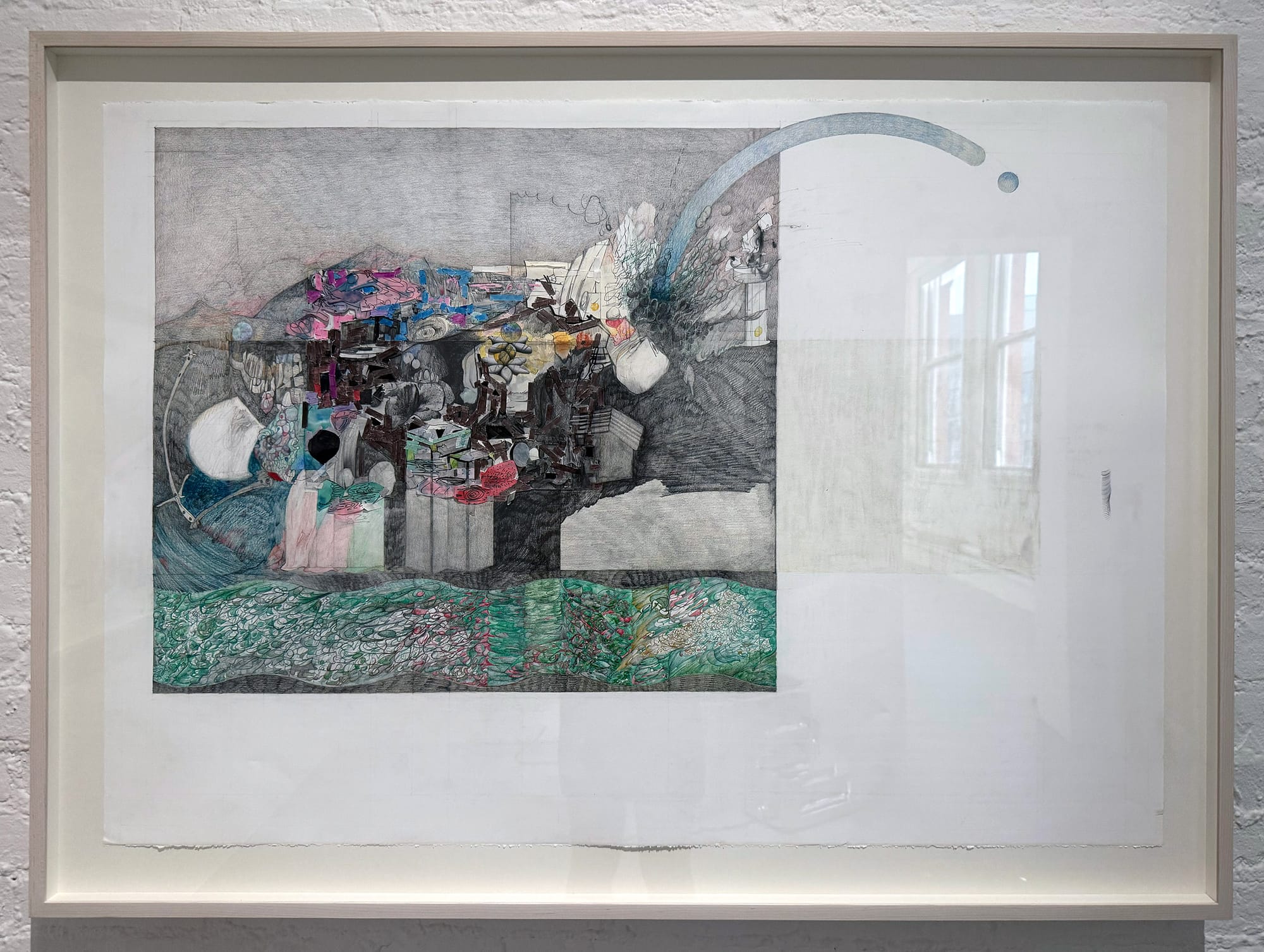
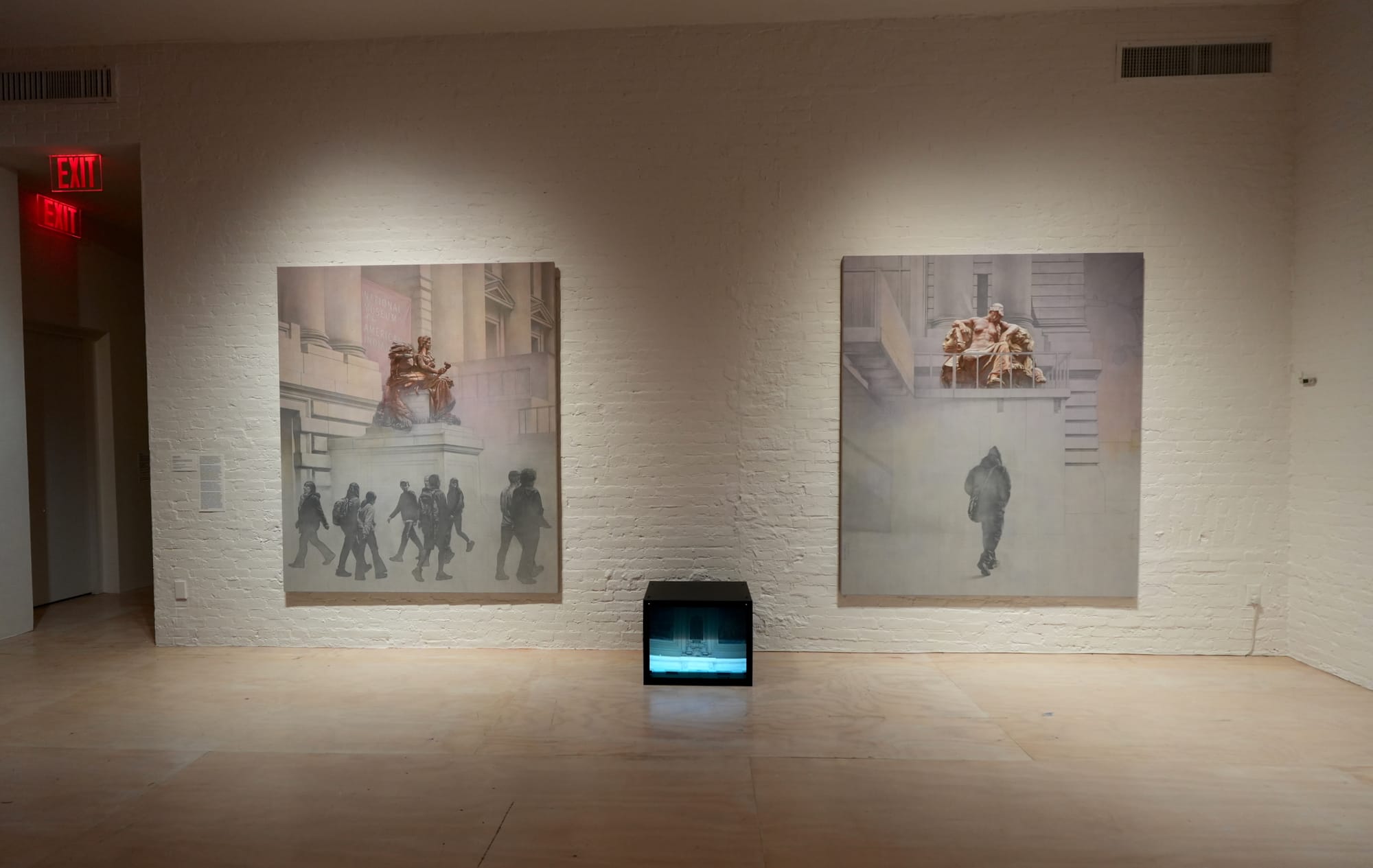
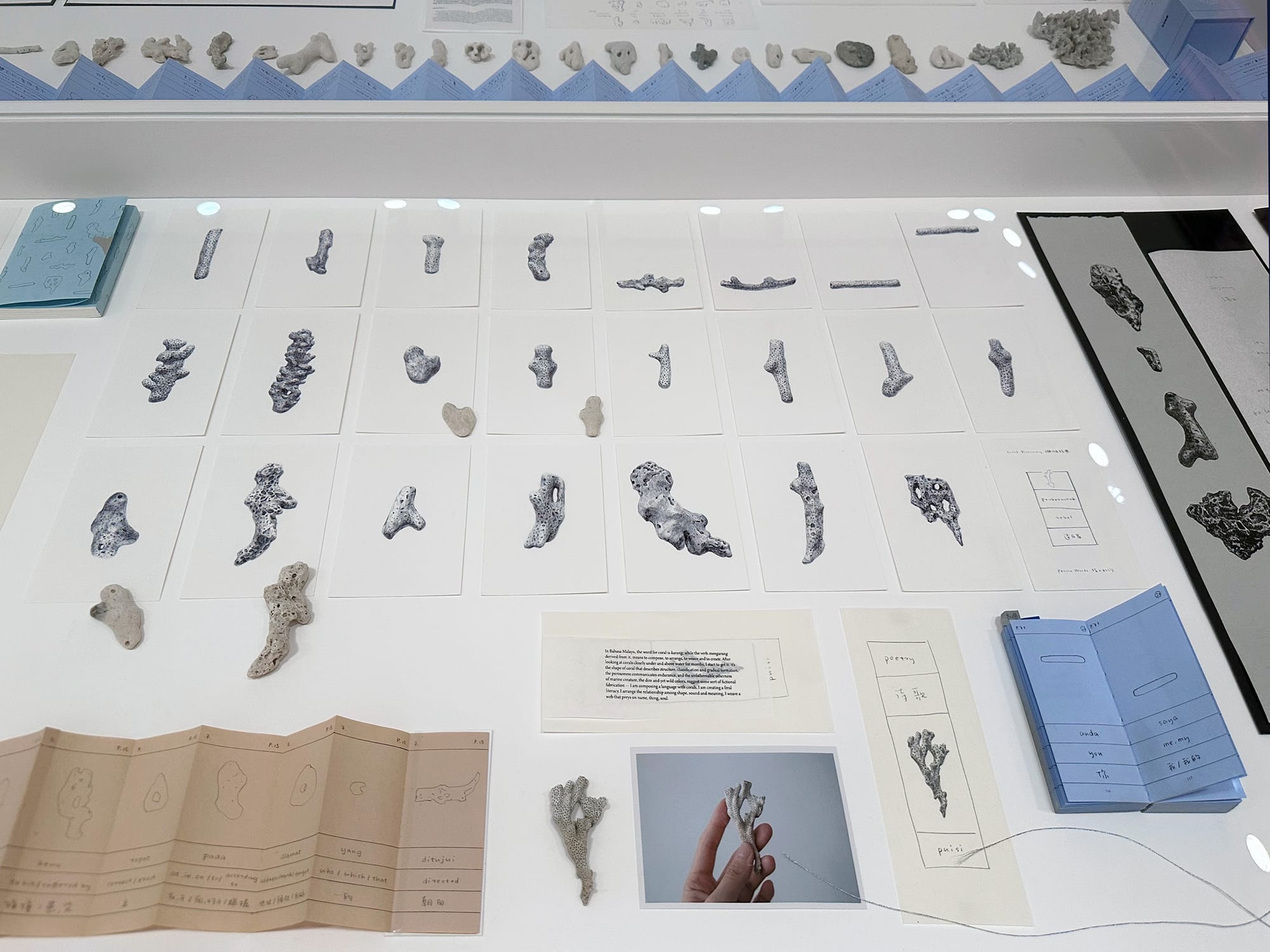
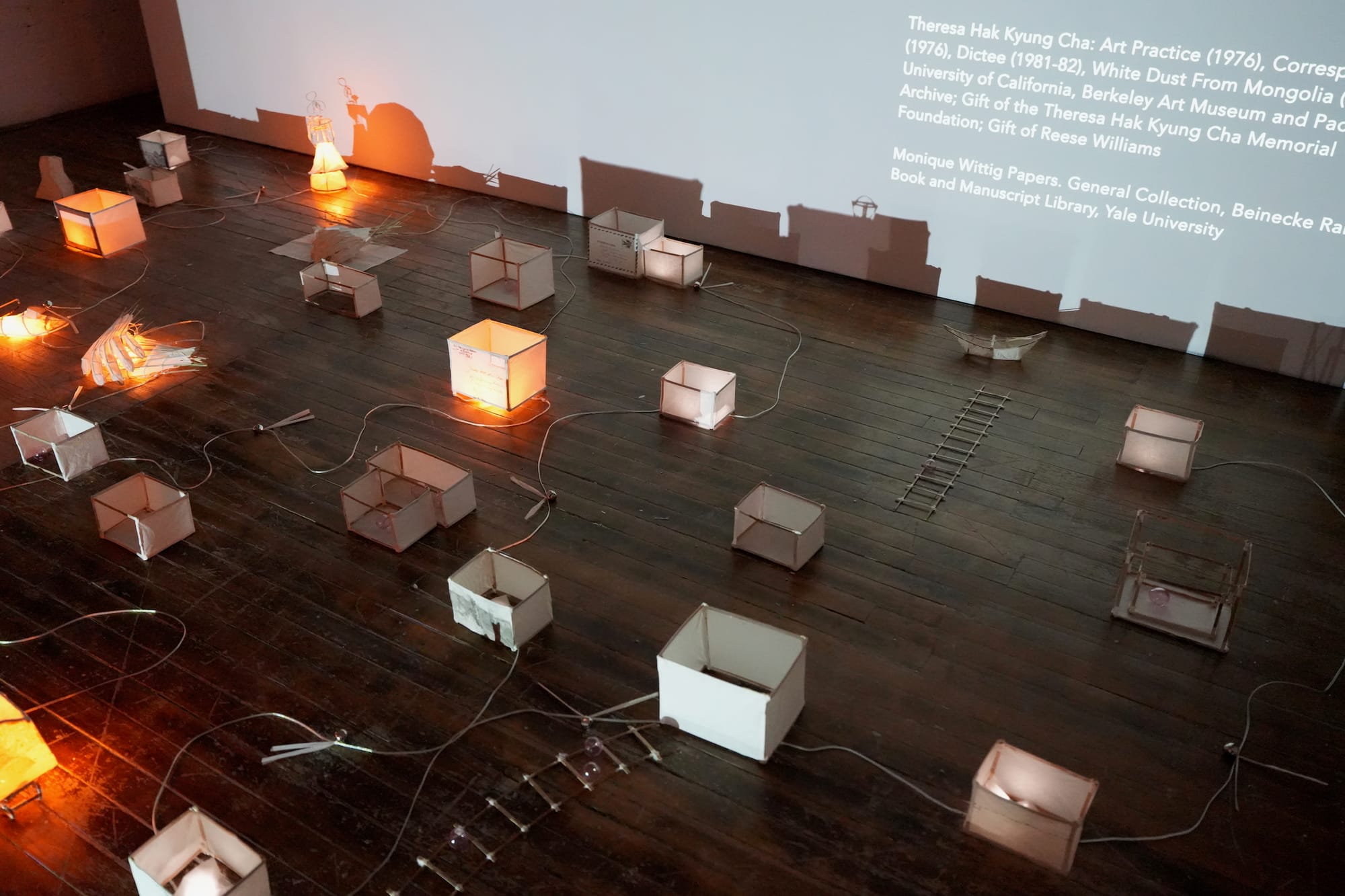
Ambivalence also surrounded the inclusion of works that felt "cerebral" to the point of being inert. Chang Yuchen’s "Coral Dictionary," featuring drawings of coral fragments with assigned meanings in multiple languages, was described as a deeply personal gesture that perhaps failed to translate its significance to a broader audience. Cici Wu’s tribute to the late artist Theresa Hak Kyung Cha was noted for its beauty, but some questioned whether it focused too heavily on historical reverence at the expense of addressing the "here and now" of contemporary New York.
Disputed Works and Stylistic Critiques
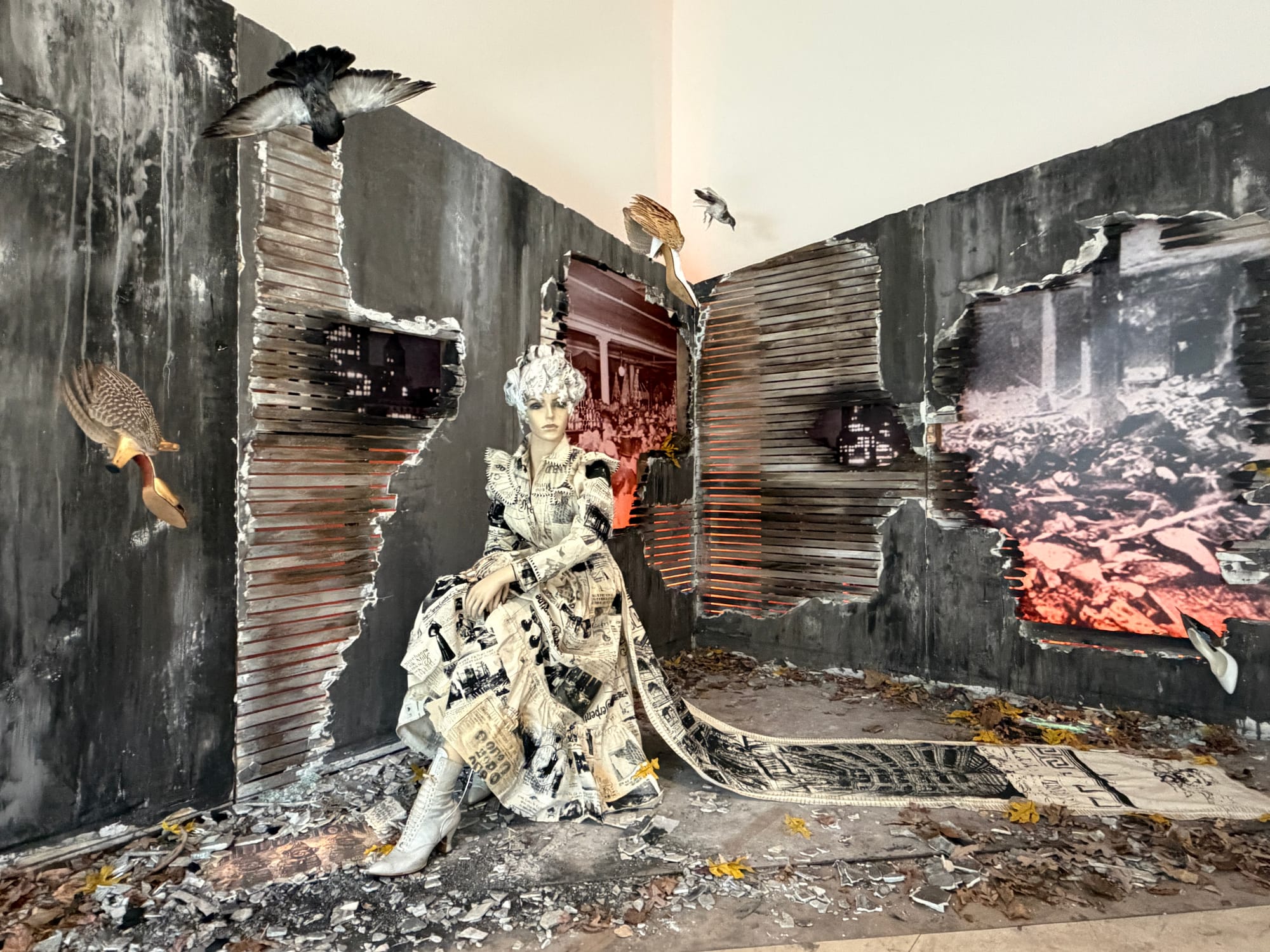
In any survey of this scale, certain pieces inevitably fail to resonate with critics and the public. The Women’s History Museum’s "Chez les heureux du monde," an installation referencing the 1911 Triangle Shirtwaist Factory fire and high fashion, was criticized as being "visually unparseable" and resembling a community theater backdrop. Critics argued that the work relied too heavily on its wall text to convey its complex historical themes, failing to deliver a clear visual or emotional impact.
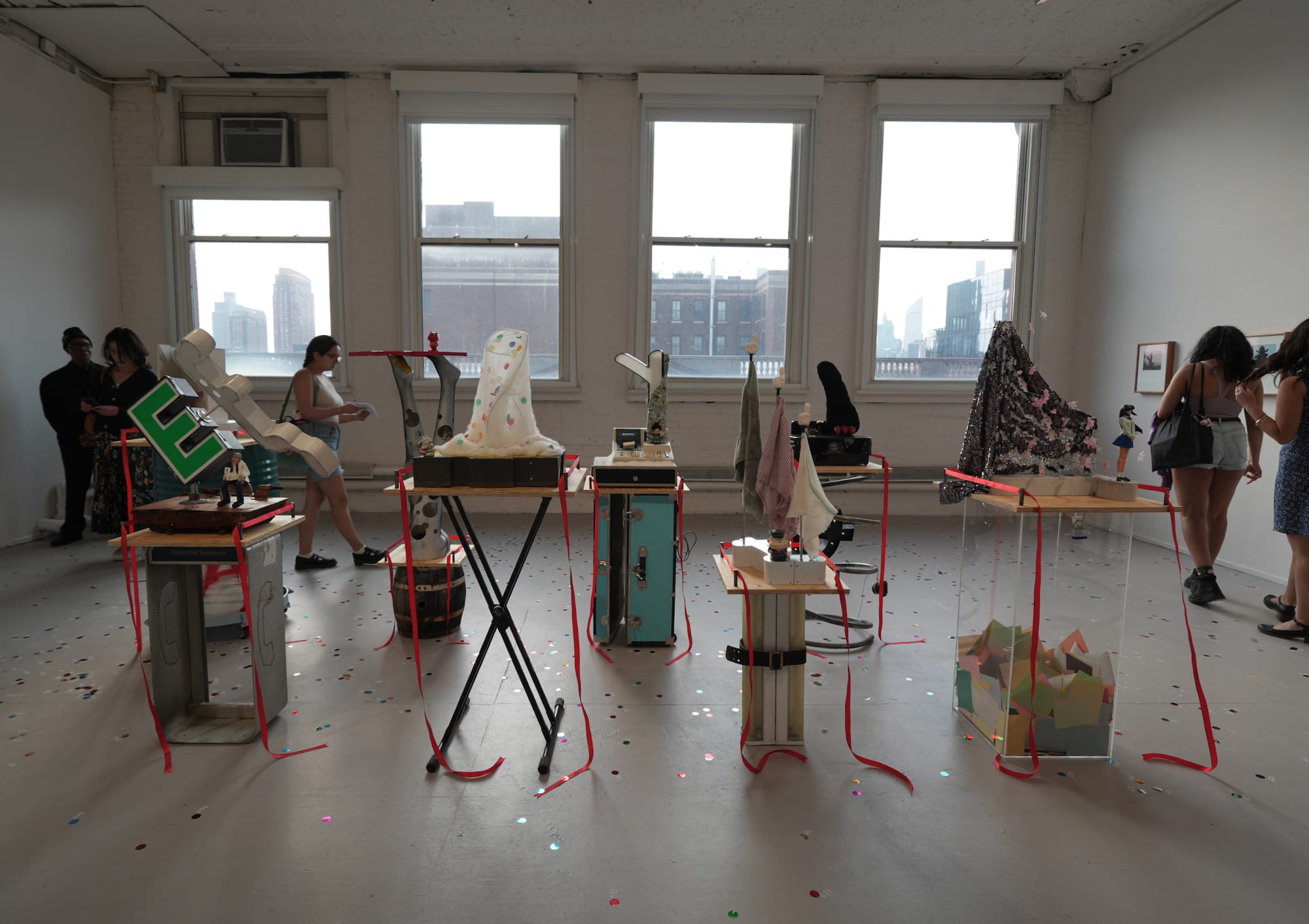
Kristin Walsh’s "Engine no. 14," a mechanical sculpture involving dancing pennies and silver rods, was also a point of contention. While mesmerizing to watch, the lack of immediate context regarding its relationship to the value of copper and the structure of elevators left many viewers confused. Furthermore, Marc Kokopeli’s use of South Park imagery in his "Problem_01" installation was dismissed by some as "undercooked" and overly reliant on a cultural artifact that lacked the depth required for a major museum survey.
Finally, Coumba Samba’s "Panels (red) (black) (green)" was criticized for oversimplifying complex global conflicts into representative colors. Critics noted that while the work attempted to address cross-continental struggles, it lacked the nuance found in other sections of the exhibition and felt like a "checked box" for political representation rather than a rigorous artistic exploration.
Broader Impact and the Future of the NYC Survey
The 2026 edition of Greater New York serves as a reminder of the inherent difficulty in "surveying" a city that is constantly in flux. With 150 works on display, the exhibition highlights the tension between the institutional need for order and the city’s natural state of chaos.
Data from recent years suggests that while attendance at major surveys like Greater New York remains high, the public’s patience for "impenetrable" conceptualism may be waning. Museum-goers are increasingly gravitating toward works that offer a direct emotional or political connection to their lived reality. The success of artists like Dean Millien and Kenneth Tam in this year’s show suggests that the most effective "New York" art is that which acknowledges the grit, labor, and shared humanity of the people who inhabit the city.
MoMA PS1’s role as an incubator for these conversations remains vital. As the city continues to grapple with gentrification and the rising cost of living, the survey provides a necessary platform for artists who might otherwise be pushed to the margins. The 2026 exhibition demonstrates that while New York may be "too big and too unwieldy" to ever fully capture, the attempt to do so remains a beautiful, aggravating, and essential task for the city’s cultural institutions.
The survey will remain on view for several months, accompanied by a series of public programs, performances, and talks designed to further engage the community with the themes of labor, surveillance, and urban identity. As the art world looks toward the next quinquennial, the lessons of the 2026 edition—both its triumphs and its missteps—will undoubtedly shape the future of how New York sees itself.