
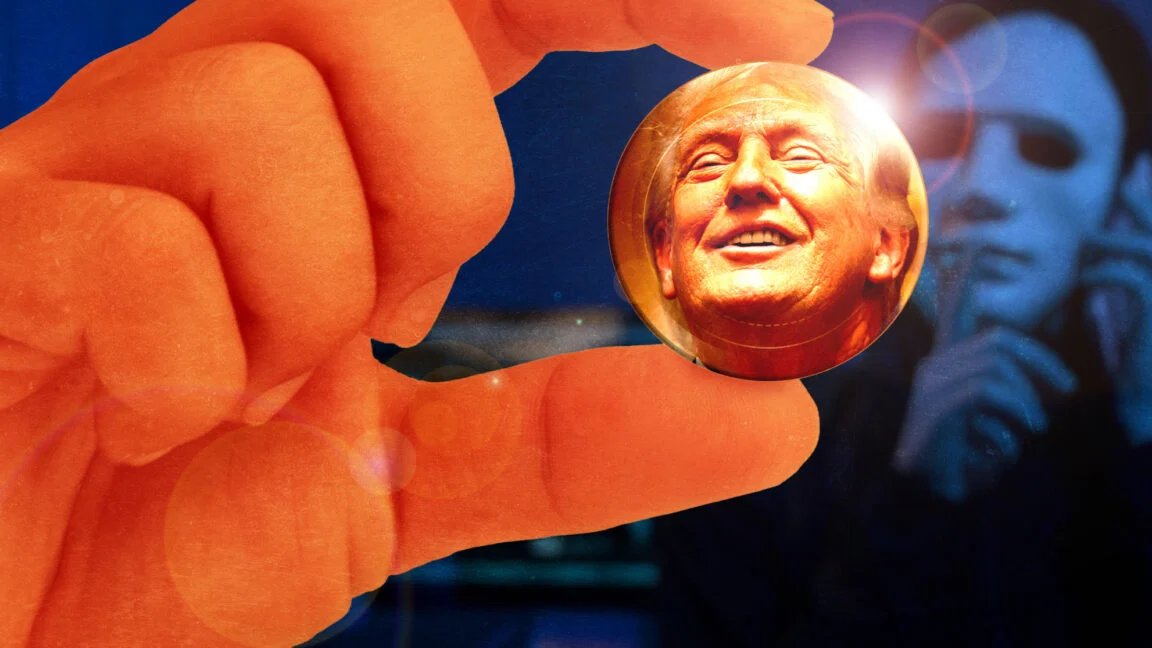
The political landscape surrounding President Donald Trump’s burgeoning cryptocurrency ventures is intensifying, with the prospect of a Democratic takeover of Congress this fall potentially ushering in a swift legislative crackdown on his "pay-to-play" memecoin events. Government ethicists have expressed deep concern over the opaque nature and potential conflicts of interest inherent in the President’s involvement with digital assets, particularly the memecoin launched prior to his inauguration in January 2025. This initiative marked an unprecedented move, making Trump the first sitting president to release his own cryptocurrency, a decision that has since fueled significant financial activity and raised serious questions about ethical conduct and investor protection.
The Genesis and Volatility of Trump’s Memecoin
Donald Trump’s official memecoin debuted on the Solana and TRON blockchains, quickly becoming a focal point of both fervent support and widespread skepticism. Initially priced at $28.73, the token’s value has experienced extreme volatility. While it briefly soared to a peak of $45.50 following the announcement of a Mar-a-Lago dinner event where President Trump was expected to make an appearance, its trajectory has largely been downward. After the initial dinner, the price plummeted to an all-time low of $2.71 and has struggled to recover, generally hovering under $3. A subsequent announcement for a second Mar-a-Lago event—a cryptocurrency conference and gala scheduled for April 25—triggered another brief 60 percent spike, but this rally proved ephemeral.
The Melania Trump memecoin, launched concurrently, fared even worse, experiencing a staggering 99 percent loss from its peak price. The financial impact on retail investors has been severe, with CryptoRank reporting losses exceeding $4.3 billion. In stark contrast, Trump’s family has reportedly amassed over $280 million from these ventures, and insiders explicitly linked to Trump affiliates, who control a significant portion of the tokens, have profited handsomely. These insiders have reportedly cashed out at opportune moments, collected substantial fees on every retail trade, and earned profits exceeding $600 million, including more than $324 million in fees alone since the memecoin’s inception. This disparity, where retail investors lose $20 for every dollar earned by insiders, highlights the deeply asymmetric risk profile of these assets.
"Pay-to-Play" Galas and Market Manipulation Allegations
Beyond speculative trading, the primary allure for some memecoin holders is the opportunity to gain access to exclusive, Trump-hosted events. Being among the top 200 to 300 token holders reportedly grants an invitation to these high-profile gatherings. This mechanism has created a "pay-to-play" environment, where investors are incentivized to acquire and hold large quantities of tokens, not for their inherent utility or long-term value, but for the chance to interact with the President. Social media accounts like "GetTrumpMemes" actively encourage retail investors to buy more tokens, teasing photo opportunities with celebrities like boxer Mike Tyson and promising keynote speeches from Trump himself. These posts emphasize the "close race" to secure one of the coveted top-29 VIP spots, which come with additional perks such as seemingly more expensive watches, alongside standard commemorative items like "Trump fragrance," trading cards, and posters.
David Krause, a finance expert at Marquette University, has meticulously monitored the Trump memecoin since its launch. His March analysis, "TRUMP Memecoin Promotional Events, Supply Concentration, and Investor Outcomes," revealed that these promotional events, while causing temporary price spikes, have failed to reverse the long-term downward trend of the token. Krause’s research points to a significant red flag: approximately 80 percent of the token supply is controlled by Trump-affiliated entities. This high concentration allows insiders to prioritize personal gain over the long-term market value for retail investors. Krause explained to Ars that this level of control enables insiders to implement a "structured exit strategy," locking $2.7 billion in insider tokens in smart contracts until 2028. This plan, he suggested, allows them to capitalize on promotional events and then sell off their holdings as Trump’s term concludes, potentially leaving "underwater retail holders" with depreciating assets once the political incentive for price spikes diminishes.
Ethical and Legal Scrutiny: Foreign Influence and Emoluments Clause
The ethical concerns surrounding Trump’s crypto dealings extend beyond market manipulation and investor losses. Robert Maguire, Vice President of Research for Citizens for Responsibility and Ethics in Washington (CREW), a progressive watchdog nonprofit, views the memecoin launch as a clear signal of the President’s increased brazenness in using his office for personal enrichment. Maguire noted that Trump’s current conflicts of interest have already surpassed those tracked during his previous term.
A particularly troubling aspect, according to Maguire, is the "foreign influence element." He pointed out that over 70 percent of identified attendees at the first memecoin event were foreign nationals. While the Trump memecoin website states that "no foreign Government Officials are allowed to attend" the upcoming event, the possibility remains that unknown foreign entities could be making substantial memecoin purchases to indirectly influence the President. Maguire emphasized that if any foreign government were found to be purchasing memecoins to sway presidential decisions, it would constitute a clear violation of the Foreign Emoluments Clause of the Constitution. This clause is designed to prevent federal officials from accepting gifts or profits from foreign governments, thereby safeguarding against actions contrary to national interests.
Adding to the complexity, the World Liberty Financial (WLF) venture, another cryptocurrency initiative tied to Trump and his family, has reportedly dwarfed the memecoin’s earnings, enriching the Trump family by an estimated $5 billion, as reported by The Wall Street Journal. This venture has already triggered a Senate request for an ethics probe, specifically concerning a billion-dollar deal with MGX, a state-backed Emirati investment firm. Senators expressed concern that payments to WLF, given its connections to President Trump and his family, "may violate the Emoluments Clause of the US Constitution" and "federal ethics statutes, including criminal provisions barring bribery." They warned of the "troubling prospect" that the Trump family and associates "could expand the use of their stablecoin as an avenue to profit from foreign corruption."
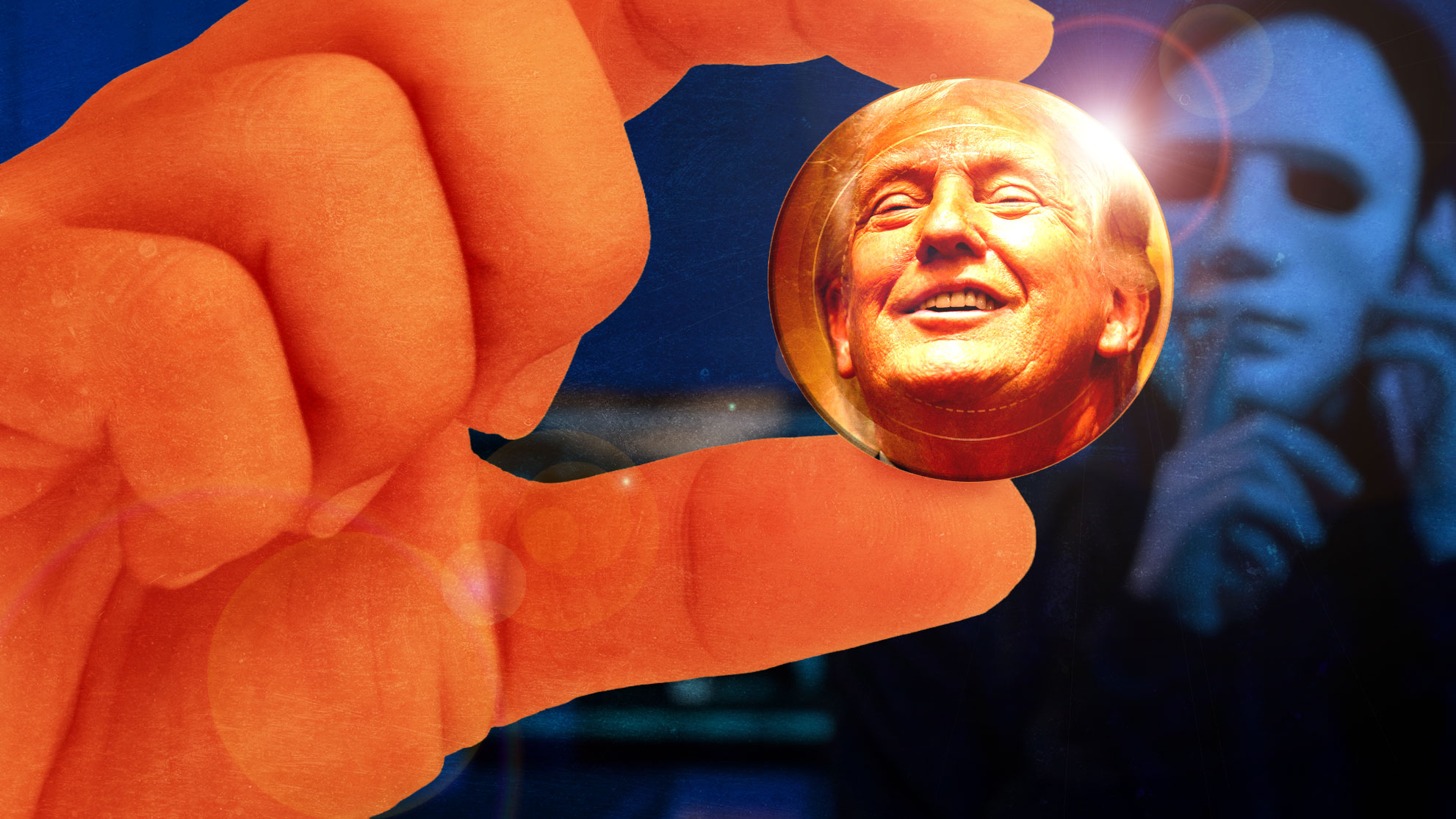
Despite these mounting concerns, the White House has consistently denied any conflicts of interest. Investigations have been hampered, Maguire suggested, by agencies being understaffed due to "Department of Government Efficiency reductions" or led by appointed officials who have pledged loyalty to Trump. This situation, Maguire lamented, leaves the public "largely, in many ways, being left in the dark" as the President appears "open for business" and individuals are "personally enriching him, and they are getting things in return."
Congressional Intervention: Legislative Efforts to Curb Crypto Profiteering
The lack of robust federal oversight over these digital assets stems partly from recent actions by the Securities and Exchange Commission (SEC). Last month, the SEC narrowed its definition of securities, classifying "most of crypto-based assets as commodities, collectibles, payment tokens or ‘digital tools’" rather than securities. This reclassification effectively exempts Trump’s crypto ventures from SEC oversight and disclosure requirements, which could otherwise provide crucial transparency into potential conflicts of interest.
However, the political landscape could shift dramatically if Democrats gain control of Congress in the upcoming elections. Robert Maguire believes that even some Republicans, who have been hesitant to confront Trump’s more blatant conflicts, might be persuaded to support legislation aimed at limiting his family’s crypto dealings. "I feel pretty confident that this would be a priority for a new Congress," Maguire told Ars, acknowledging the difficulty of bipartisan action in the current political climate but emphasizing the growing salience of the issue.
Two bills introduced last year, which largely stalled without Republican support, are poised for renewed attention. The "Modern Emoluments and Malfeasance Enforcement (MEME) Act" (H.R. 1712) specifically targets Trump’s memecoin. It proposes to block the president, senior officials, their spouses, and dependent children from "benefiting from the issuance, sponsorship, or promotion of certain assets," including "digital assets such as cryptocurrency or a memecoin." This bill mandates disgorgement of illicit gains and imprisonment of up to five years for violations, with additional penalties for bribery or insider trading. When introducing the bill, Rep. Sam Liccardo (D-Calif.) directly referenced Trump’s memecoin, invoking Richard Nixon’s famous quote: "The people have got to know whether or not their president is a crook." Liccardo asserted, "$TRUMP and the other family memecoins are as crooked as schemes come."
A more expansive bill, the "Stop Presidential Profiteering from Digital Assets Act" (H.R. 3314), sponsored by Rep. Ritchie Torres (D-N.Y.), aims to ban the very concept of an official Trump memecoin. Torres stated that this legislation is necessary to halt Trump’s "blatant" memecoin corruption. If passed, the bill would make it illegal to issue, promote, or sell "digital assets that use the name, likeness, or identifiable traits of certain Federal officials or their immediate family for financial gain." Penalties could include fines of up to $250,000 per violation or the amount gained, whichever is greater. Should either bill pass, the SEC would be mandated to implement the new rules within 180 days, potentially bringing a swift end to the memecoin events that currently drive price swings and disproportionately benefit Trump and his allies.

The Path Forward: A Cautionary Tale
For President Trump, with more than two years remaining in his term, the legislative actions of a new Congress could significantly impact his ongoing crypto ventures. Maguire views both the memecoins and the World Liberty Financial tokens as "essentially vehicles for corruption in a way that we have just never seen," expressing concern that Trump appears to be "not trying to hide it at all." He concluded, "They both would not be as profitable as they are if they weren’t attached to the president of the United States."
Despite the calls for congressional intervention and expert warnings, some loyal investors continue to participate in the "pay-to-play" scheme. Nicholas Pinto, a social media influencer, famously bought over $360,000 in Trump memecoins, only to describe the first Mar-a-Lago dinner as "trash" with "Walmart steak." Yet, he plans to attend the upcoming conference, highlighting the enduring allure of potential proximity to power, even amidst subpar experiences. Pinto previously noted a lack of meaningful access to Trump during the first dinner, further raising questions about the true value proposition for attendees.
The upcoming Florida gala presents its own scheduling peculiarities. While President Trump is listed as a featured speaker, it coincides with the White House Correspondents’ Dinner in Washington, D.C., an event Trump has historically boycotted but now plans to attend. A White House official, speaking anonymously to Politico in March, indicated that the gala was not firmly on Trump’s schedule at that time, leaving ambiguity about his level of participation.
As the date of the next event approaches, fundamental questions persist regarding the nature of the deals that might be struck at these gatherings and their potential to influence the President. Perhaps the most telling indicator of the underlying issues is a question posed on the GetTrumpMemes website’s FAQ: "Is this real?" To this, the organization profiting from this unprecedented blend of cryptocurrency markets and political figures unequivocally responded: "This is 100 percent real." However, for David Krause, if efforts to ban Trump’s memecoin prove successful, or if investors ultimately realize the absence of long-term profits, "the TRUMP token may serve as a cautionary case for the risks of speculative assets tied to political figures." The saga underscores the urgent need for clear ethical boundaries and regulatory frameworks in the evolving intersection of politics and digital finance.