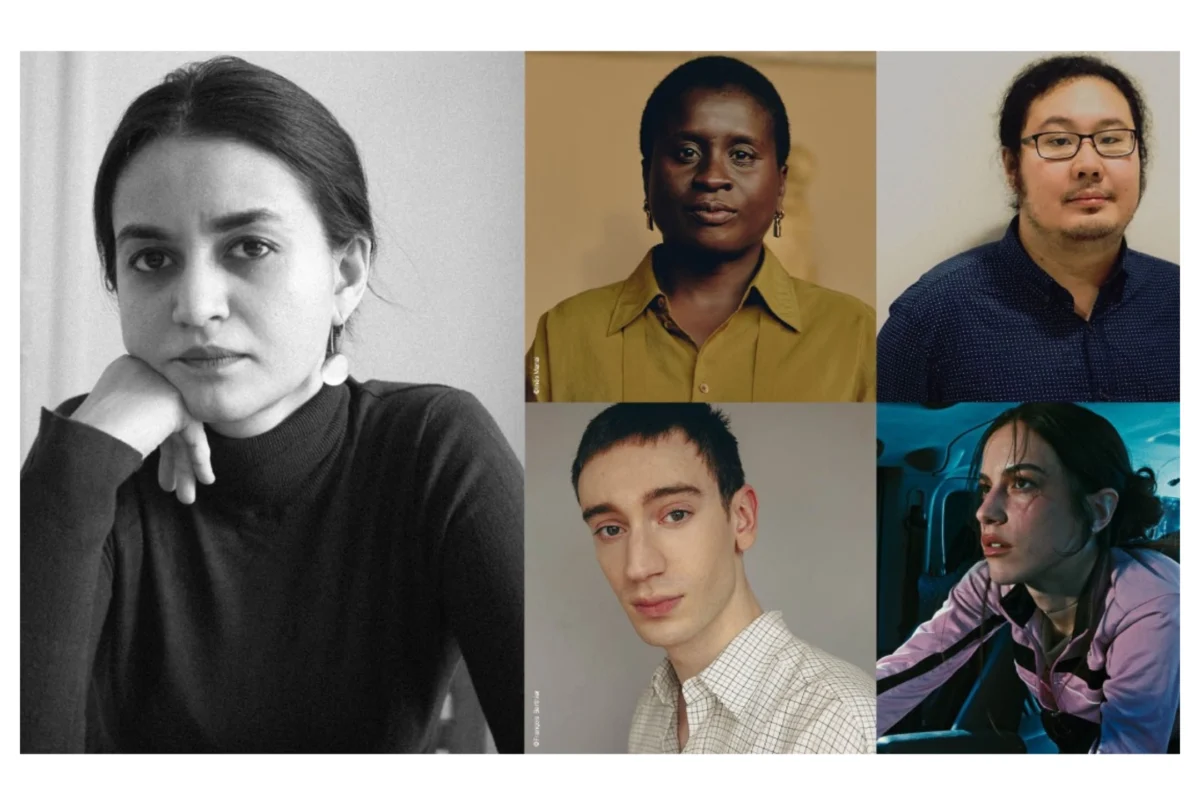
The organizers of the Festival de Cannes have officially announced that acclaimed Indian filmmaker Payal Kapadia will serve as the President of the Jury for the 65th edition of the Semaine de la Critique, commonly known as Critics’ Week. This prestigious appointment follows Kapadia’s historic success at the 2024 Cannes Film Festival, where her second feature film, All We Imagine As Light, secured the Grand Prix, marking a significant milestone for South Asian cinema on the global stage. Kapadia will lead a diverse panel of international artists and industry professionals to adjudicate the parallel section of the festival, which is dedicated to discovering emerging directorial talent through first and second feature films.
Joining Kapadia on the 2025 jury are four distinguished figures from various sectors of the global arts community. The panel includes Quebecois actor Théodore Pellerin, recognized for his versatile performances in both North American and international independent cinema; the French singer-songwriter and electronic musician Oklou; Ghanaian-British producer Ama Ampadu, known for her work in championing African narratives; and Donsaron Kovitvanitcha, a prominent journalist and the current director of the Bangkok World Film Festival. Together, this multidisciplinary jury will oversee a selection of films that represent the vanguard of contemporary world cinema.
The Rise of Payal Kapadia: A Chronology of Artistic Excellence
Payal Kapadia’s ascent to the presidency of the Critics’ Week jury is the culmination of a decade of rigorous artistic development and international recognition. Born in Mumbai in 1986, Kapadia’s cinematic journey is deeply rooted in the prestigious Film & Television Institute of India (FTII) in Pune, an institution that has produced some of the most influential voices in Indian art-house cinema. Her tenure at FTII was marked not only by academic excellence but also by a burgeoning interest in the intersection of personal memory and political reality.
Kapadia first gained international attention in 2017 when her short film, Afternoon Clouds, was selected for the Cinéfondation section at the Cannes Film Festival. This 13-minute student film showcased her delicate approach to storytelling, focusing on the quiet, internal lives of two women in a Mumbai apartment. She followed this in 2018 with the experimental short And What is the Summer Saying, which premiered at the Berlinale (Berlin International Film Festival). The film explored the auditory and visual textures of a rural village, further establishing her reputation as a filmmaker who prioritizes atmosphere and sensory experience.
Her transition to feature-length filmmaking was met with immediate critical acclaim. In 2021, Kapadia’s first feature documentary, A Night of Knowing Nothing, premiered at the Directors’ Fortnight (Quinzaine des Réalisateurs) in Cannes. The film, which weaves together a fictional narrative of letters between estranged lovers with documentary footage of student protests in India, was a haunting exploration of youth, caste, and political resistance. It was awarded the L’Oeil d’Or (Golden Eye) for Best Documentary, signaling Kapadia’s arrival as a major force in the international festival circuit.
The pinnacle of her career to date occurred in May 2024 with the debut of All We Imagine As Light. The film was the first Indian entry in the Cannes Official Selection competition in 30 years, since Shaji N. Karun’s Swaham in 1994. Centered on the lives of two nurses in Mumbai, the film received a standing ovation and universal critical praise for its lyrical portrayal of female friendship and urban alienation. Its win of the Grand Prix, the festival’s second-highest honor after the Palme d’Or, solidified Kapadia’s status as a contemporary master and a fitting choice to lead a jury dedicated to the next generation of filmmakers.
The Role and History of Cannes Critics’ Week
Established in 1962 by the French Union of Film Critics (Syndicat français de la critique de cinéma), Semaine de la Critique is the oldest non-competitive parallel section of the Cannes Film Festival. Its primary mission is the discovery of new talents, specifically focusing on a director’s first or second feature film. Over the decades, Critics’ Week has been the launching pad for some of the most celebrated names in cinema history, including Bernardo Bertolucci, Ken Loach, Wong Kar-wai, Guillermo del Toro, and Jacques Audiard.
The 65th edition of this section continues this tradition of scouting for "bold and singular voices." By appointing Kapadia as President, the festival organizers emphasize the importance of the "global south" and the necessity of nurturing independent cinema that exists outside the traditional commercial studio systems. The jury led by Kapadia will be responsible for awarding three major prizes:
- The La Semaine de la Critique Ami Paris Grand Prize: Awarded to the best feature film in the selection.
- The Louis Roederer Foundation Rising Star Award: Given to an outstanding actor or actress in one of the competing films.
- The Sony Discovery Prize: Honoring the best short film in the section.
Strategic Significance of the 2025 Jury Composition
The selection of the jury members reflects a strategic move toward interdisciplinarity. Théodore Pellerin brings the perspective of a seasoned performer who has worked under directors like Ari Aster and Philippe Lesage. Ama Ampadu offers the insight of a producer who understands the logistical and financial hurdles of independent filmmaking, particularly in underrepresented regions. The inclusion of Oklou highlights the increasing importance of soundscapes and musicality in modern cinema, while Donsaron Kovitvanitcha provides the critical eye of a journalist and festival programmer who understands global distribution and audience engagement.
This diverse assembly is tasked with identifying films that do not merely mimic existing tropes but push the boundaries of the medium. Kapadia’s own work—which often blurs the lines between documentary and fiction—serves as a benchmark for the kind of innovative storytelling the section aims to champion.
Official Responses and Philosophical Outlook
Upon the announcement of her presidency, Payal Kapadia spoke extensively about the vital role of film festivals in the life cycle of an independent artist. "My own journey as a filmmaker was supported early on because of film festival selections," Kapadia remarked. "Through these, I had the opportunity to meet others like myself from across the world, which helped me build a community of future collaborators."
Kapadia’s statement also addressed the precarious state of independent cinema in the current global economic climate. She described the act of supporting first-time filmmakers as "a resistance to market forces," noting that independent cinema is being "eroded" in many countries due to the dominance of blockbuster franchises and the shift toward streaming-centric consumption models that often overlook niche or experimental works.
"Film criticism is one of the key components of the independent and art-house film ecosystem," Kapadia added. "The first films are often freer, more daring, and fearless, having an individual voice. To champion those is absolutely essential. First films are also fragile and need to be nurtured in a section like Critics’ Week, which helps them blossom amongst already established filmmakers’ work."
Industry analysts suggest that Kapadia’s leadership will likely favor films that exhibit strong sociopolitical awareness and aesthetic experimentation. Her tenure as President is expected to draw significant attention from the Indian film industry, which is currently experiencing a "new wave" of independent cinema that is finding greater success abroad than in domestic commercial markets.
Broader Impact and Implications for Global Cinema
The appointment of Payal Kapadia is more than a personal achievement; it is a symbolic moment for the representation of women and South Asian filmmakers in positions of institutional power within the film world. For decades, the leadership of major festival juries was dominated by Western European and North American male directors. Kapadia’s role as Jury President signals a continuing shift toward a more inclusive and globalized understanding of cinematic excellence.
Furthermore, her presidency comes at a time when the Indian film industry is undergoing a period of introspection. While the "Bollywood" mainstream continues to dominate the domestic box office, a younger generation of filmmakers—many coming out of regional industries and institutions like FTII—is prioritizing realism, documentary aesthetics, and marginalized narratives. Kapadia’s success serves as a blueprint for these creators, demonstrating that local stories, when told with a distinct and uncompromising voice, can resonate on a universal scale.
The 65th edition of Critics’ Week will be closely watched by distributors and talent scouts looking for the "next big thing" in world cinema. With Kapadia at the helm, the jury’s selections will likely reflect a commitment to the "fearless" and "fragile" cinema she described—films that challenge the status quo and offer new ways of seeing the world.
As the festival approaches, the international community anticipates a selection that mirrors the diversity and intellectual depth of its jury. The 65th Cannes Critics’ Week is set to be a landmark event, reinforcing the festival’s role as the premier guardian of the seventh art and its future pioneers. Under Kapadia’s guidance, the section remains a vital sanctuary for independent voices, ensuring that the "resistance to market forces" remains a vibrant and essential part of the cinematic landscape.