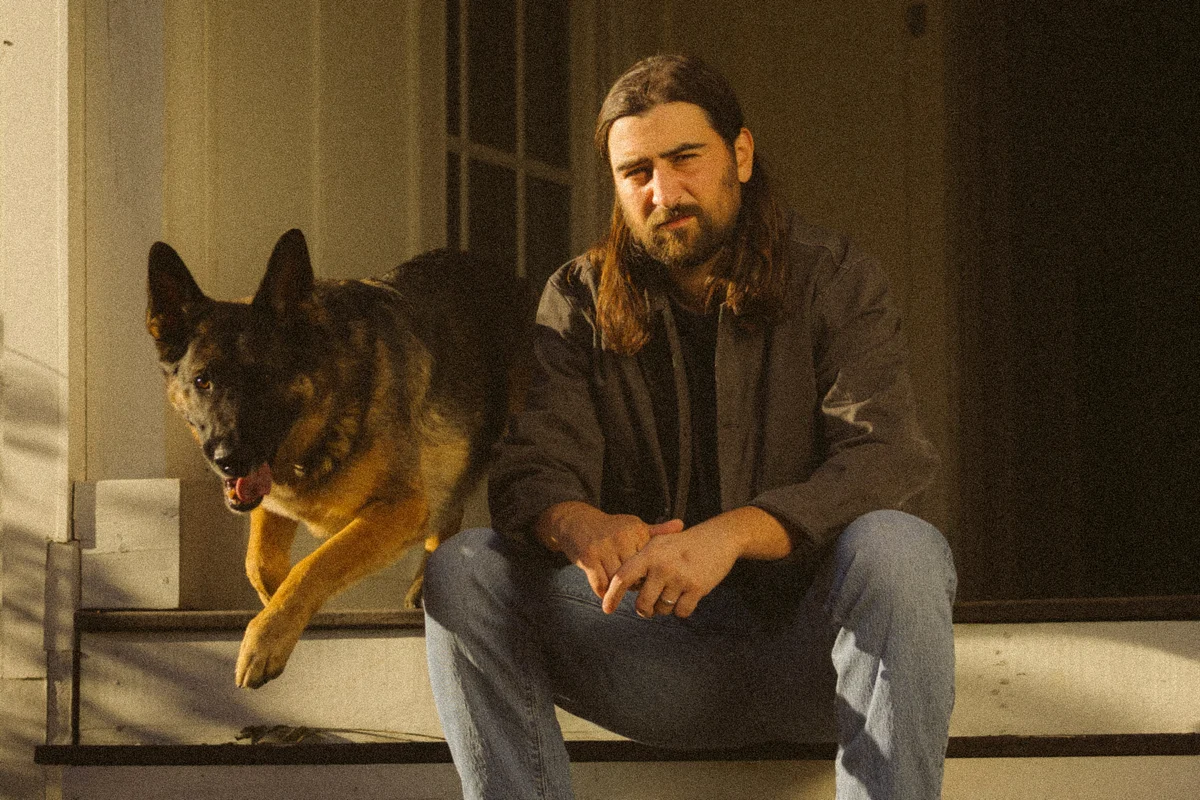
The release of Noah Kahan’s latest studio effort, The Great Divide, marks a pivotal moment in the career of the Vermont-born singer-songwriter, transitioning him from a breakout viral sensation into a foundational figure of modern Americana. Arriving on the heels of his multi-platinum success with Stick Season, the new album serves as a 14-track meditation on the interpersonal costs of upward mobility and the persistent pull of a home that no longer feels like home. Kahan, who rose to prominence during the COVID-19 pandemic by capturing the claustrophobia of rural life, now turns his lens toward the "divide" mentioned in the the chasm between the person he was in small-town New England and the global superstar he has become.
The album opens with "End of August," a track that immediately establishes the record’s atmospheric and thematic stakes. The song describes two men driving through a landscape they know intimately but have little to say about. Kahan’s lyrics map out a specific brand of Northern New England angst, characterized by a cycle of generational stagnation where children "grow up and have kids who build homes for the rich." This sets a grim yet empathetic stage for the rest of the album, acknowledging the economic realities of a region often romanticized by outsiders but felt as a trap by those living within it.
The Evolution of a Vermont Songwriter
To understand the weight of The Great Divide, one must look at the meteoric rise Kahan experienced between 2022 and 2024. Before becoming a household name, Kahan was a struggling artist who returned to his family’s home in Strafford, Vermont, during the global lockdowns. It was there that he wrote "Stick Season," a song that resonated with millions for its specific references to regional geography and the universal feeling of being left behind. The subsequent album of the same name propelled him to the top of the Billboard charts and earned him a Best New Artist nomination at the 66th Annual Grammy Awards.
The Great Divide functions as both a sequel and a rebuttal to that era of his life. While Stick Season was about the desire to leave, the new record is about the guilt of actually having done so. This trajectory is captured in the recently released documentary, Noah Kahan: Out of Body, which provides a behind-the-scenes look at the artist’s struggle to maintain his mental health and sense of self while performing for tens of thousands of people. The documentary highlights the dissonance between Kahan’s "regular guy" persona and the reality of headlining iconic venues like Fenway Park and Citi Field.
Sonic Architecture and Collaborative Production
Musically, The Great Divide represents a significant step forward in production value and arrangement. Kahan collaborated with longtime partner Gabe Simon and recruited Aaron Dessner, a member of The National and a frequent collaborator with Taylor Swift and Bon Iver. Dessner’s influence is palpable throughout the record, providing what critics have described as a "sad-folk Phil Spector" wall of sound. The production balances the raw, acoustic stomp of Kahan’s earlier work with a more expansive, cinematic Americana-rock heft.
In "Doors," the album’s second track, the influence of heartland rock legends like Tom Petty and Bruce Springsteen is evident. The song utilizes a wide-open guitar sound and a driving rhythm section that suggests a desire for the open road, even as the lyrics remain grounded in domestic conflict. This synthesis of styles—combining the ethereal falsetto of indie-folk, the gritty storytelling of Zach Bryan, and the pop sensibility of Taylor Swift—allows Kahan to reach a broad demographic without sacrificing the regional specificity that made him famous.
Thematic Analysis: The Burden of the Rural Narrative
A central theme of the album is the ethical complexity of using one’s upbringing as creative capital. In "Porch Light," Kahan addresses the friction caused by his fame within his own family and community. The song features a heated phone conversation with a relative who expresses resentment over Kahan "spinning tales" about local people for profit without their consent. It is a rare moment of self-indictment in modern pop music, as Kahan grapples with the idea that his success is built on the struggles of those he left behind.
This sentiment is echoed in "Dashboard," where the perspective shifts to an old friend who remained in the small town. The lyrics are biting, suggesting that changing one’s "zip code" does not fundamentally change one’s character: "Turns out that you’re still an asshole." By giving voice to these external critiques, Kahan avoids the trap of "rich rock-star solipsism," instead creating a dialogue between his past and present selves.

The album also tackles the ongoing public health crises affecting rural America. On tracks like "23" and "Deny Deny Deny," Kahan explores the themes of addiction and the failure of the medical system. He describes "meds that don’t work" and the "uncomfortably comforting sense" that one is stuck in a cycle of healing and hurting. These songs provide a stark contrast to the youthful images of freedom found in "Paid Time Off," where Kahan acknowledges that while he had the "brains for a city job," his peers were often relegated to roles as "county cops" or manual laborers.
Track-by-Track Narrative Arc
The middle section of the album focuses on the maintenance of male friendships and the difficulty of staying connected as lives diverge. "Dan" is a standout track that depicts two friends camping and drinking, attempting to bridge their ideological gaps through "good-natured political debates." As the "Miller Lites pile up," the tension between their differing worldviews becomes a metaphor for the broader political and social divisions currently facing the United States.
"American Cars," a sweeping rocker, shifts the focus to the act of caregiving. It describes the exhausting process of helping a loved one navigate chronic pain and emotional trauma. The metaphor of the American car—once a symbol of status and freedom, now often a symbol of debt and mechanical failure—serves as a poignant backdrop for the song’s exploration of the American Dream’s decay.
In the final third of the album, Kahan turns his gaze toward the future. "Spoiled" is perhaps the most unconventional track on the record, as Kahan expresses a preemptive resentment toward his own unborn children. He sings about the irony of working his "ass off" to ensure a future for children who will likely grow up pampered and eventually blame him for their own lack of struggle. This level of "unshielded honesty" has become a hallmark of Kahan’s writing, endearing him to a fanbase that prizes vulnerability over artifice.
Commercial Trajectory and Global Reach
The release of The Great Divide is expected to solidify Kahan’s status as a commercial powerhouse. Data from the music industry indicates a massive surge in folk and Americana consumption among Gen Z and Millennial listeners, a trend Kahan has largely spearheaded alongside artists like Zach Bryan and Tyler Childers. Since the release of Stick Season, Kahan’s monthly listeners on Spotify have ballooned to over 35 million, and his upcoming tour has seen record-breaking ticket demand, with multiple nights at Fenway Park selling out in minutes.
Industry analysts suggest that Kahan’s appeal lies in his ability to make the "regular guy" archetype feel authentic in an era of hyper-curated celebrity culture. His music provides a "sensitive backdrop" for a generation navigating an increasingly unstable economic landscape. For many listeners, keeping one’s life on "solid ground" feels like a significant achievement, and Kahan’s songs validate that struggle.
Cultural Impact and Implications
As Kahan prepares for a summer of stadium performances, The Great Divide stands as a testament to the enduring power of storytelling. The album suggests that while fame can create a "great divide" between an artist and their roots, it also provides a platform to explore those gaps with nuance and grace. Kahan’s work suggests that the connections we lose are never truly gone; they remain as "memories that don’t heal," informing every new mile traveled.
The title track, "The Great Divide," serves as the album’s emotional climax. It is a soaring anthem that reaches out to the people Kahan has lost touch with, admitting to a "deep misunderstanding" of their lives. It is a humble admission from a man who has spent the last two years being celebrated as a voice of his generation. As Kahan continues his career, he faces the challenge of filling the "elusive space" between his small-town origins and his global future—a journey that millions of fans are now eager to follow.
In conclusion, The Great Divide is more than just a collection of folk-rock songs; it is a forensic catalog of personal and social illusions. It improves upon its predecessor by adding "top-shelf studio juice" and more complex lyrical structures, ensuring that Noah Kahan will remain a central figure in the American musical landscape for years to come. The album is out this Friday via Mercury/Republic Records.