This story was originally published by WIRED and is reproduced here as part of the Climate Desk collaboration.
Two high-profile water crises, amplified by climate change and industrial overuse, are reaching a critical juncture across the United States this summer. From a city in Texas grappling with an escalating drought emergency to the long-simmering political standoff affecting states reliant on the Colorado River, water scarcity is poised to dominate national attention. Experts caution that these unfolding situations serve as stark warnings, urging other regions to proactively plan for their own water security in the face of a changing climate.
The crisis in the American West has been building for years, but recent climatic events have accelerated its severity. In February, following an unusually warm winter, snowpack levels in many mountain ranges across the Western United States reached historic lows. This trend continued into March, which saw record-shattering temperatures across the region. Brad Udall, a senior water and climate researcher at Colorado State University’s Colorado Water Center, described the March weather as "unprecedented and stunning and disturbing and out of this world, frankly." He emphasized that such extreme heat "couldn’t have happened without human-caused climate change," noting that the already poor snowpack deteriorated rapidly, from "crummy to god-awful in three weeks."
This diminished snowmelt has had a profound impact on the Colorado River, a vital water source that sustains approximately 40 million people across seven states. In some sections of the river, flow has dwindled to a mere trickle, a direct consequence of the early and rapid snowmelt.
The Colorado River: A System Under Strain
The Colorado River is more than just a water conduit; it’s a critical engine for electricity generation, powering more than 25 million people through hydroelectric dams at Lake Powell and Lake Mead, the nation’s two largest reservoirs. The declining water levels in these reservoirs pose a significant threat to power production. As of mid-spring, Lake Mead was precariously close to its record low, sitting just 17 feet above the mark set in July 2022.
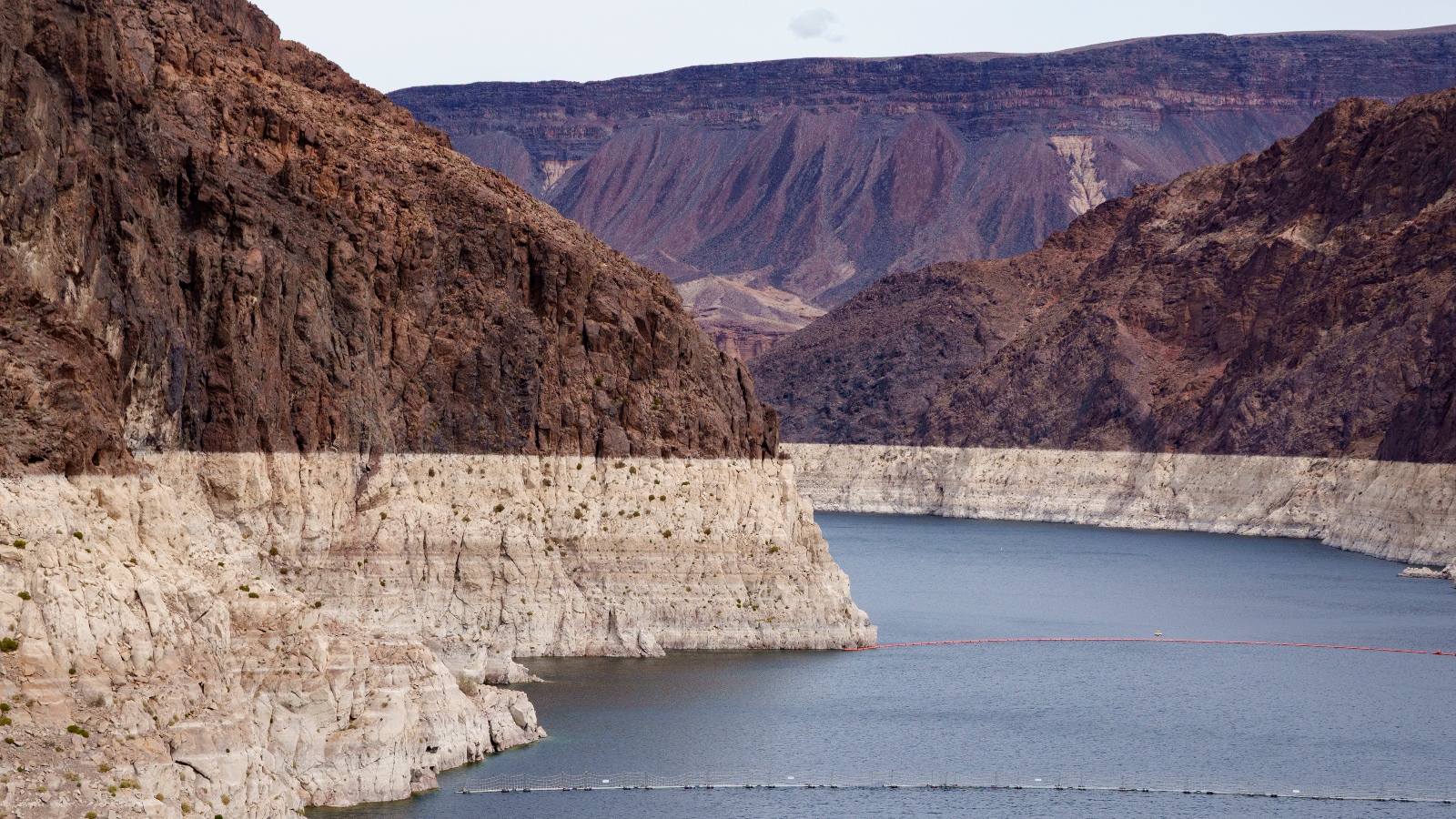
This period of extreme dryness coincides with a decades-long political quandary surrounding the Colorado River. For years, the states that draw water from the river have been locked in disputes over equitable distribution, a conflict exacerbated by agricultural expansion and a series of climate-intensified droughts that threaten the river’s long-term viability. Alfalfa, primarily grown for cattle feed, stands out as the largest water consumer along the Colorado River, reportedly using more water than all the cities drawing from the river combined.
The urgency of the situation has been underscored by missed deadlines for renegotiating the Colorado River Compact of 1922, the foundational agreement governing water allocation in the region. The compact divides the river’s water between an upper basin and a lower basin, with each state receiving an annual allotment. A critical deadline in February passed without a resolution, highlighting the deepening impasse.
In response to dire projections for the summer, the U.S. Interior Department announced a series of emergency measures earlier this month aimed at maintaining hydropower generation at Lake Powell. While these actions are intended to safeguard power production, the department has acknowledged that they could lead to reduced hydropower at Lake Mead and consequently impact water availability for states in the lower basin.
The potential consequences of this protracted crisis are significant. Udall voiced concerns that the current scarcity could lead to a historic first in the coming years: states in the upper basin failing to deliver the agreed-upon water quantities to the lower basin, a violation of the 1922 compact that could trigger interstate litigation. "What’s frustrating to somebody like myself is this is all foreseeable," Udall stated. "Those of us who are kind of in the know, and that includes a lot of people in the Colorado River Basin, have seen something like this coming for a long, long time."
While the prospect of a complete municipal water shutdown for the millions dependent on the Colorado River remains unlikely, the situation serves as a potent indicator of the region’s vulnerability.
Corpus Christi on the Brink: A Texas City’s Water Emergency
Meanwhile, a different, yet equally concerning, water crisis is unfolding in Corpus Christi, Texas, the state’s eighth-largest city. City officials announced last week that the municipality is projected to enter a Level 1 drought emergency—defined as 180 consecutive days where water demand exceeds supply—by September. Some projections suggest that without significant rainfall, the city’s municipal water sources could be depleted as early as next year.

Residents of Corpus Christi are already subject to stringent water use restrictions, including limitations on lawn watering and car washing. The financial burden has also increased, with residential water bills rising by an average of nearly $5 this year. City officials have indicated that industrial customers will be asked to reduce their water consumption by 25 percent in September.
Corpus Christi City Manager Peter Zanoni expressed the delicate balance the city faces, telling NBC News that the delay in declaring the Level 1 drought emergency until September is a strategic move to avoid "wreck[ing] our economy" and prevent operations from shutting down.
The city’s water supply is predominantly sourced from surface water. Two critical reservoirs, Choke Canyon Reservoir and Lake Corpus Christi, have experienced critically low levels over the past few years due to persistent drought. As of mid-spring, these reservoirs were holding at alarmingly low percentages of their capacity: 7.4 percent for Choke Canyon and 8.7 percent for Lake Corpus Christi.
Industrial Demand: A Major Contributor to Scarcity
A significant factor contributing to Corpus Christi’s water woes is industrial water consumption. The city is a hub for the petrochemical industry, and a joint plastics plant operated by Exxon Mobil and Saudi Basic Industries Corporation (SABIC) is identified as the largest industrial water user in the area, according to permit statistics. Between 2022 and 2024, this plant reportedly consumed an average of 13.5 million gallons of water daily. In contrast, an average residential customer uses approximately 6,000 gallons per month. Exxon Mobil did not respond to requests for comment.
For years, the city has explored the possibility of constructing a desalination plant to supply its industrial clients, including the Exxon plant which commenced operations in 2022. However, the project’s projected costs soared beyond $1 billion, and local residents voiced concerns about its potential ecological impact. Regulators ultimately voted against the project last year, leaving the city without a backup water supply plan. Further compounding the issue, the Houston Chronicle reported that Texas Governor Greg Abbott’s office recently denied Corpus Christi additional funding for a separate desalination plant proposal.
Shane Walker, director of the Water and the Environment Research Center at Texas Tech University, emphasized the increasing costs associated with water infrastructure projects. "Water infrastructure projects are getting more expensive with time," Walker observed. "If you think you can wait around and get a cheaper deal on a water infrastructure project, it’s probably the opposite."
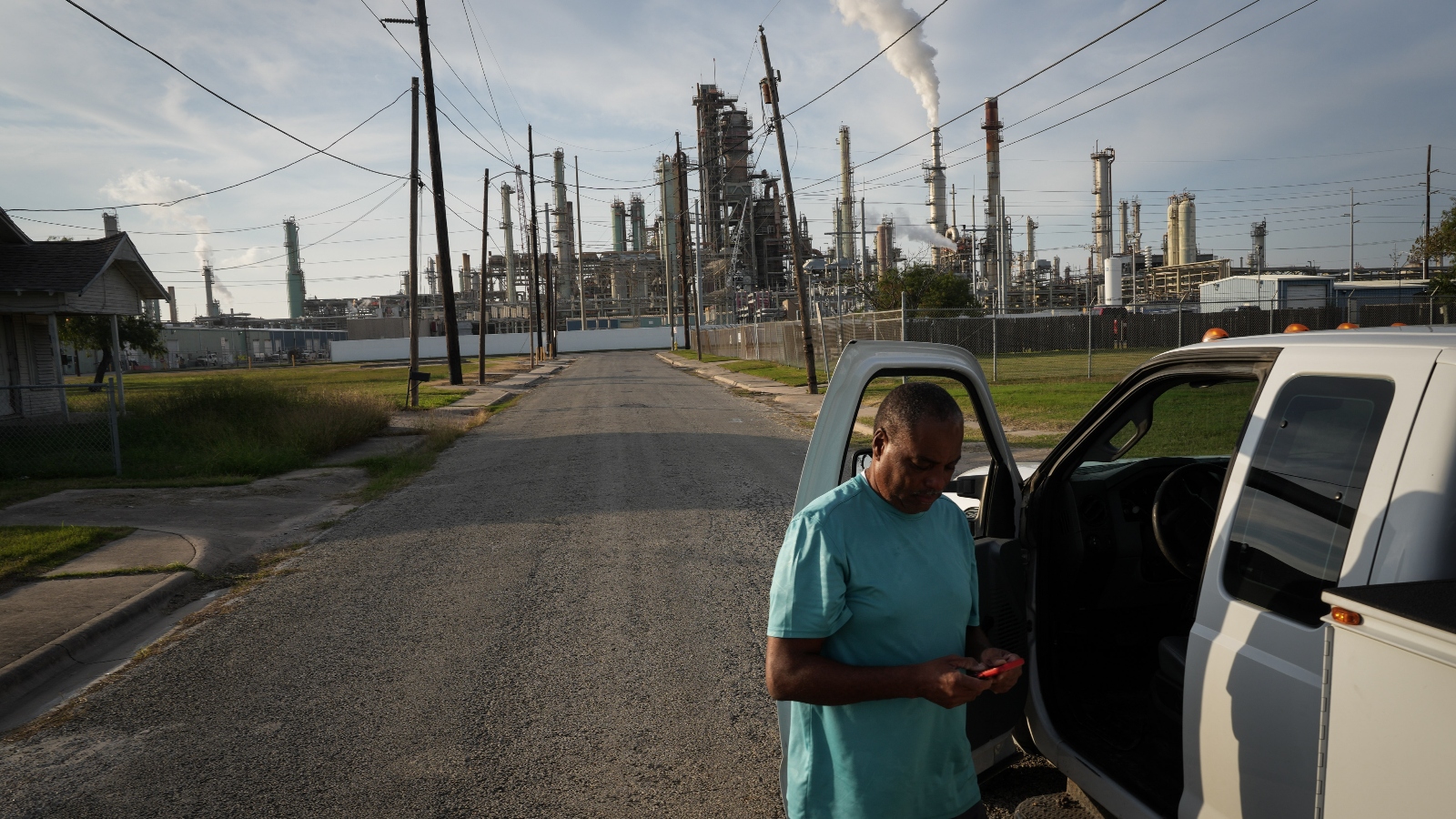
Walker highlighted the persistent tension city planners face between attracting industrial development and ensuring sustainable water management. As Texas cities experience population growth and struggle with long-term water planning, a more forward-thinking approach is imperative. "You have to think of a 20-year time horizon as urgent," Walker advised. "If you’re relying on groundwater—groundwater is a finite resource. Lakes are vulnerable to drought. What’s your alternative supply?"
Glimmers of Hope and Enduring Challenges
While the current outlook for both Corpus Christi and the Colorado River basin is concerning, there are some potential short- and medium-term alleviations. Recent rainfall has provided some relief to Corpus Christi, boosting water levels in Lake Texana, another key water source for the city. Similarly, favorable weather patterns have offered some stabilization in the West. Furthermore, the anticipated El Niño phenomenon, forecast to be one of the most intense on record, could bring a beneficial monsoon season to the Western United States this summer.
Despite these potential respiites, the core issues facing Corpus Christi and the Colorado River basin share striking commonalities: a historical lack of sustained attention to slowly developing problems, significantly compounded by substantial industrial water demands. Climate change is undeniably pushing these water crises toward a critical tipping point.
Udall reflected on the broader implications of the Colorado River crisis, stating, "Around the world we’ve seen climate change events that are really big and massive. Maybe this is the first worldwide climate change crisis that’s going to force really fundamental policy-level decisions to be made, and fundamental changes in how we operate." He concluded by emphasizing the profound adjustments required: "Seven states, two nations, 40-plus million people, a whole bunch of farmers, and major cities are going to have to completely rethink how they use this resource." The lessons learned from these unfolding crises are not isolated incidents but critical case studies for a nation grappling with an increasingly uncertain water future.