This story is published through the Indigenous News Alliance.
Indigenous communities across the globe are confronting an escalating crisis, characterized by increasingly severe weather events and the relentless encroachment on their ancestral lands. From the Pacific islands battered by super-typhoons amplified by warming oceans, to the Amazon rainforest where mining operations continue to expand on sacred territories, and Ecuador where oil extraction persists in defiance of court orders, the impacts of climate change and resource exploitation are undeniable and deeply felt. Against this backdrop, a critical dialogue unfolded this week at the United Nations, where Indigenous leaders and advocates are posing a fundamental question: What will it take to compel governments to adhere to international court rulings that mandate robust climate action and protect fundamental human rights?
The urgency of this plea is underscored by recent landmark decisions from the world’s highest courts. In an advisory opinion issued last year, the International Court of Justice (ICJ) established a crucial precedent: state governments whose actions contribute to climate change bear accountability for the harm they inflict, particularly on vulnerable small island developing states. This pronouncement followed a similarly sweeping ruling by the Inter-American Court on Human Rights last summer, which called upon governments to significantly reduce fossil fuel emissions and to integrate Indigenous knowledge systems into their climate policies and adaptation strategies. These legal opinions represent a significant victory for Indigenous peoples and environmental advocates, offering a powerful new framework for demanding justice and accountability.
However, these legal victories have encountered a stark and disheartening reality: a palpable resistance from many United Nations member states, who appear inclined to sidestep their climate obligations. This disconnect between legal pronouncements and tangible action leaves the critical question of implementation and enforcement hanging in the balance. Can these rulings truly be translated into effective measures that safeguard Indigenous lands, cultures, and the very existence of their communities?
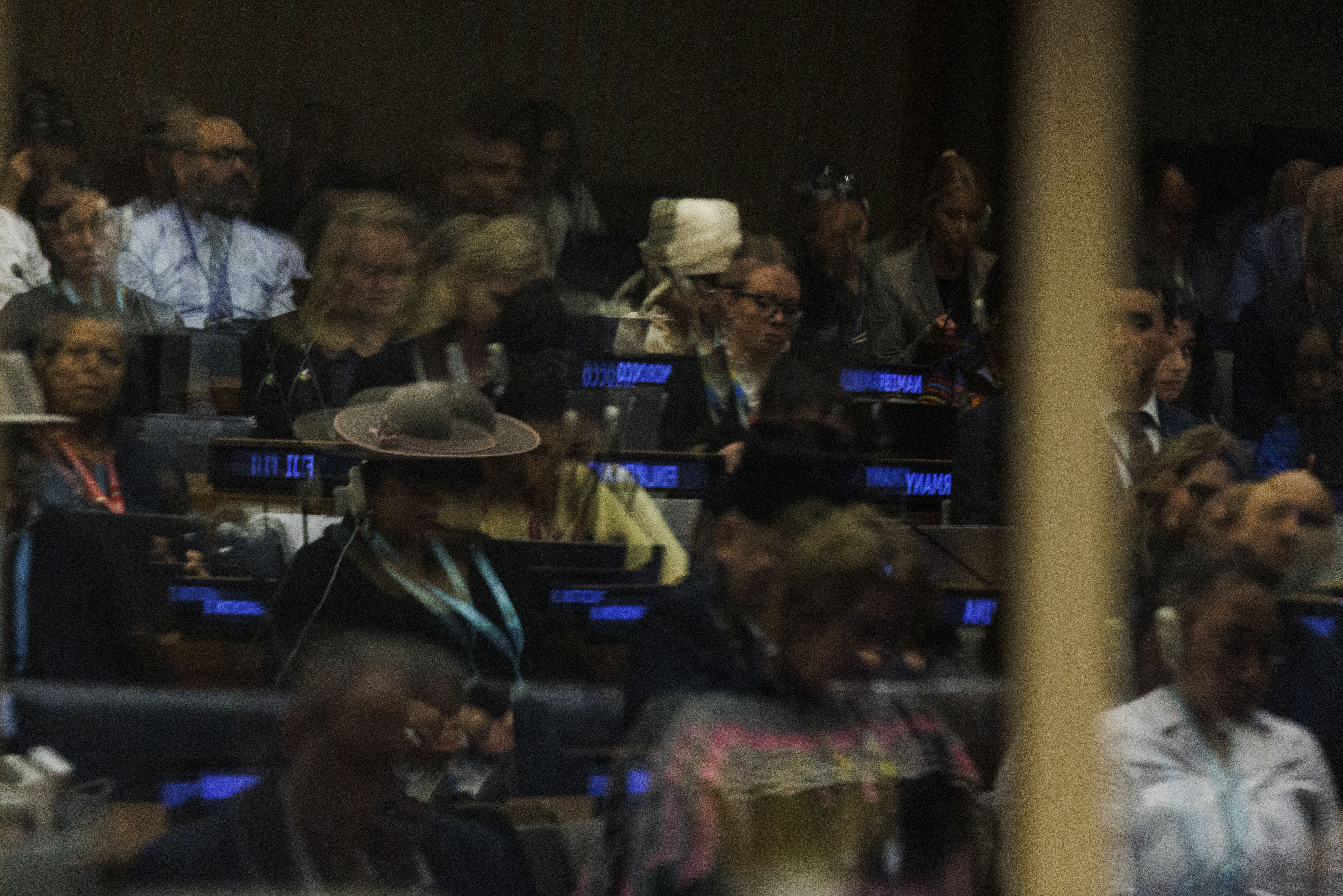
Luisa Castañeda-Quintana, executive director of the advocacy group Land is Life, articulated the sentiment of many attendees at the United Nations Permanent Forum on Indigenous Issues (UNPFII) on Monday. Addressing hundreds of Indigenous advocates, she declared, "This is a moment of opportunity. These advisory opinions are not symbolic, they are instruments of power. They can and must be used to strengthen Indigenous peoples’ advocacy at every level. But to do so, Indigenous peoples must claim them, integrate them into the rights narratives, and take them into every space where their futures are being decided." Her words highlighted the strategic imperative for Indigenous communities to actively leverage these legal tools in their ongoing struggles for self-determination and environmental justice.
The Ecuadorian Paradox: Rights on Paper, Exploitation in Practice
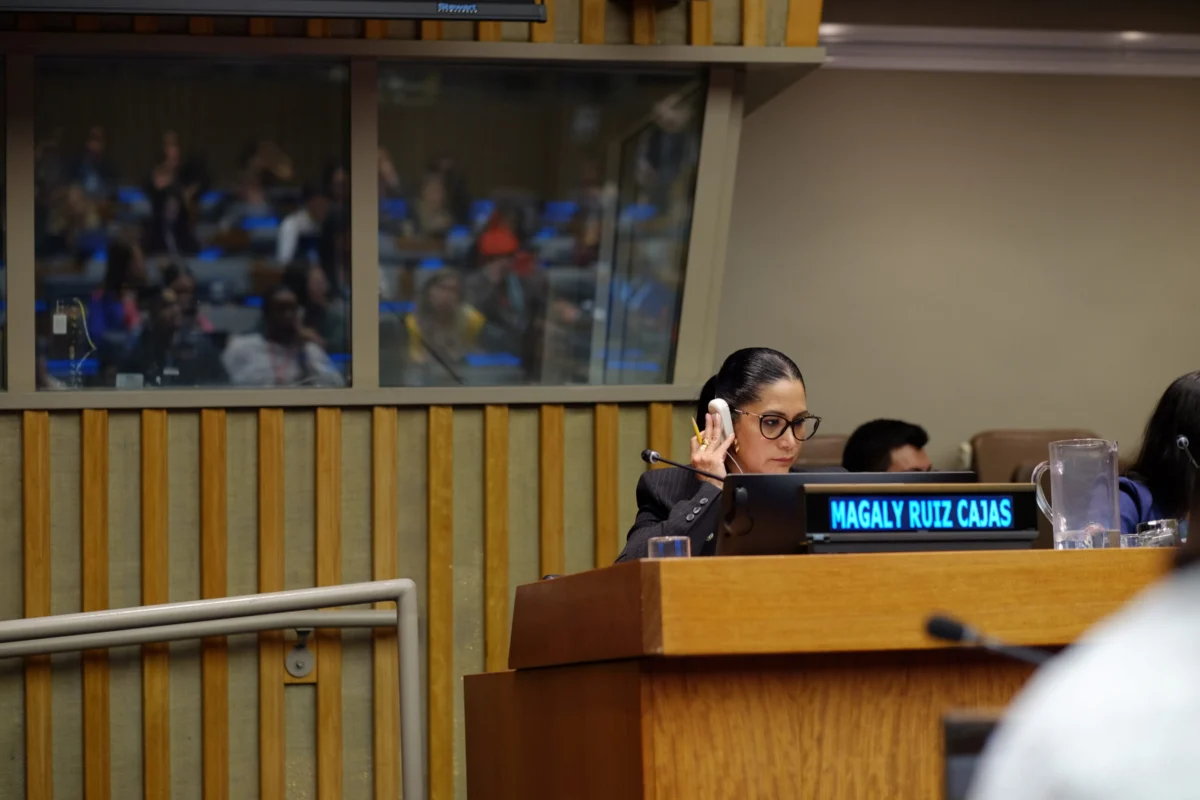
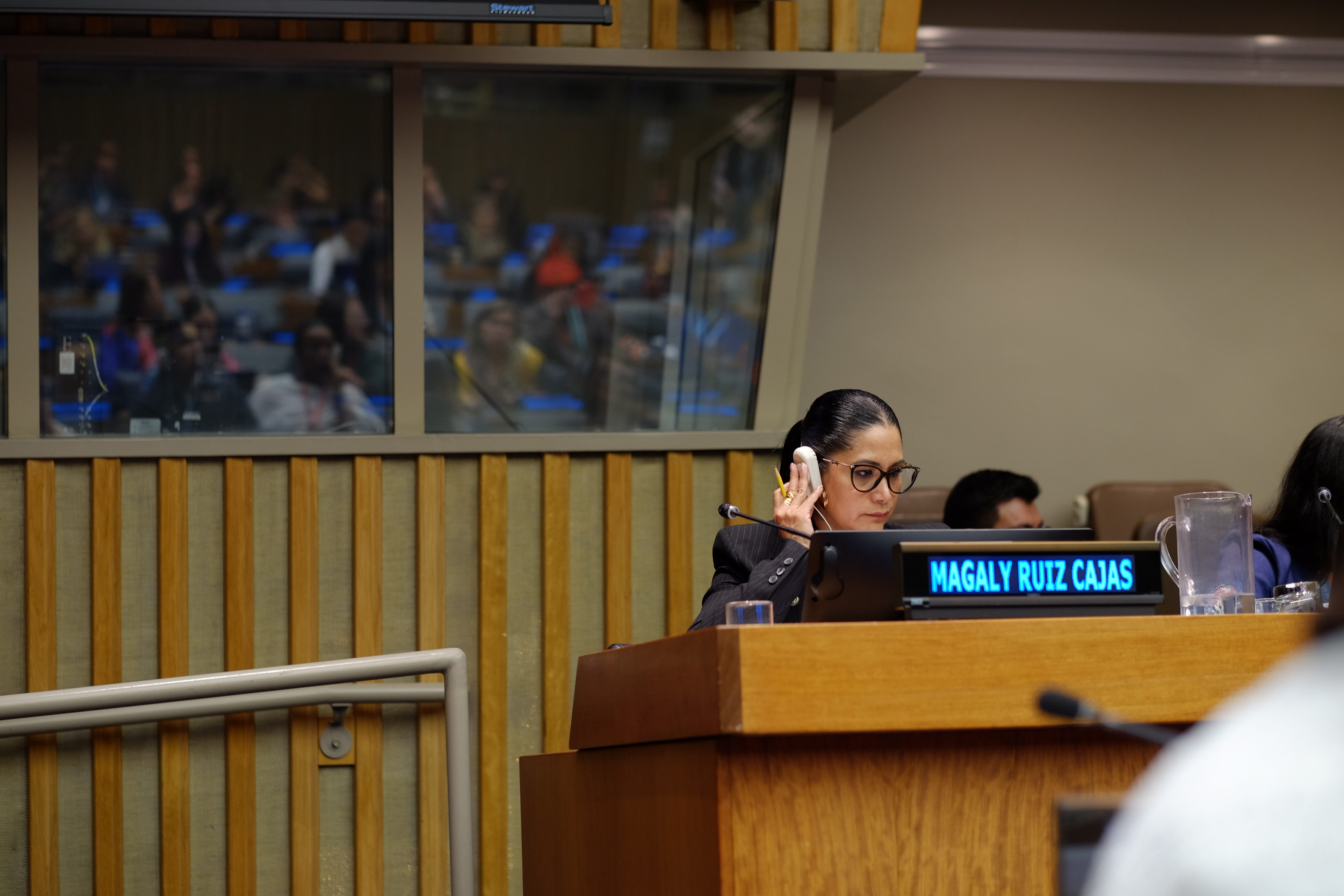
The chasm between legal recognition and effective enforcement is particularly starkly illustrated in Ecuador. Magaly Ruiz Cajas, a member of Ecuador’s Judiciary Council who also spoke at the UNPFII, emphasized the nation’s pioneering constitutional recognition of the rights of nature, enshrined in 2008. "In Ecuador, green justice is not an option, it is an obligation," Cajas stated, referencing a significant 2011 court case concerning pollution in the Vilcabamba River as a testament to this legal commitment. The Ecuadorian constitution, a global leader in environmental jurisprudence, explicitly recognizes that nature has the right to exist, persist, maintain and regenerate its vital cycles, structure, functions and evolutionary processes.
Despite these robust constitutional protections, the reality on the ground for Indigenous communities paints a different picture. Juan Bay, president of the Waorani Nation of Ecuador, voiced his deep concern at the forum, asserting that Ecuador is failing to comply with both international and national laws designed to protect Indigenous peoples, including those living in voluntary isolation or in close proximity to oil extraction sites. He condemned these actions as "incompatible with climate action and with the rights of Indigenous peoples." The consequences for Indigenous land defenders in Ecuador have been severe, with reports of persecution and even death in recent years, according to organizations like Global Witness and Inside Climate News. Furthermore, in February 2026, Ecuadorian lawmakers passed legislation aimed at accelerating mining investment, which critics argue significantly weakened environmental protection requirements, disregarding substantial criticism from Indigenous and environmental organizations. This legislative move directly contradicts the spirit and letter of the nation’s environmental commitments and international climate obligations.
A Regional Pattern of Non-Compliance
The Ecuadorian experience is not an isolated incident but reflects a broader trend across Latin America and the Caribbean. Albert Kwokwo Barume, the UN Special Rapporteur on Indigenous Peoples, detailed this pattern in a comprehensive report released last year. He observed, "Latin America and the Caribbean presents a paradox. The contributions reveal strong legal frameworks that coexist with persistent failures in implementation." Barume further elaborated that "Even favourable court rulings are undermined by poor enforcement and lack of consultation," highlighting a systemic challenge in translating legal rights into lived realities for Indigenous communities. This persistent failure to implement and enforce existing legal protections exacerbates the vulnerability of Indigenous peoples to the escalating impacts of climate change and unsustainable development practices.
Global Resistance and the Fight for Climate Reparations
The struggle for climate justice is not confined to regional disputes; it has reached the highest international diplomatic forums. Earlier this year, Vanuatu, a low-lying island nation acutely vulnerable to sea-level rise, led a coalition of a dozen supporting states in introducing a United Nations resolution aimed at operationalizing the ICJ’s advisory opinion. The resolution called for the phase-out of fossil fuels and for climate reparations to be made to nations most affected by climate change. In a notable instance of resistance, the administration of then-U.S. President Donald Trump sent a message to all U.S. embassies, characterizing the resolution as "disturbing" and a "charade." This diplomatic pressure urged Vanuatu to withdraw the resolution and encouraged other countries to reject it, underscoring the significant geopolitical headwinds facing global climate action.
Despite this opposition, Vanuatu has remained steadfast in its advocacy. However, the crucial vote on the resolution in the UN General Assembly has been postponed until May, highlighting the ongoing diplomatic battles and the need for sustained international pressure. Joie Chowdhury, an attorney with the Center for International Environmental Law (CIEL), emphasized the significance of the ICJ ruling, stating that it "gave states clear obligations to address climate change." She added, "It remains important to translate that legal clarity now into action." The legal clarity provided by the ICJ is a vital step, but its impact hinges on the political will of nations to translate these obligations into concrete policies and verifiable actions.
Cascading Impacts: Flooding, Evacuations, and Treaty Obligations
While international policy discussions continue, Indigenous nations in Northern Ontario are grappling with the immediate and devastating consequences of climate change. Communities are experiencing unprecedented climate-driven flooding, necessitating large-scale evacuations and leading to contaminated water supplies. Ryan Fleming of the Attawapiskat First Nation shared a poignant observation at the forum: "We’re in 2026 right now, and we have Indigenous communities living in a poverty state. And it is not just an implementation gap. This becomes a human rights issue." Fleming underscored the critical intersection of climate change and Canada’s historical failure to honor treaty obligations, arguing that the current flooding crisis is inextricably linked to these unmet commitments. The chronic underfunding and lack of infrastructure investment in these communities, exacerbated by the climate crisis, creates a cycle of vulnerability and hardship.
Indigenous Knowledge and the Path Forward
In Aotearoa New Zealand, Māori lands are facing more intense storms, yet support systems have not kept pace. Janell Dymus-Kurei, representing the National Iwi Chairs Forum Pou Tikanga, a national body advocating for Māori self-determination, highlighted the underutilized potential of international courts and forums. "We’re just not really making the most of those mechanisms," she remarked at the UNPFII. Her statement suggests a need for more strategic engagement and empowerment of Indigenous peoples within these international legal and diplomatic arenas. The integration of Indigenous knowledge, which often holds centuries of understanding of local ecosystems and sustainable practices, is increasingly recognized as crucial for effective climate adaptation and mitigation strategies.
Despite the considerable resistance and the slow pace of implementation, the legal momentum for climate accountability continues to build. The African Court on Human and Peoples’ Rights is currently deliberating on a significant case concerning states’ climate obligations, including the responsibilities of African governments in addressing climate-related displacement. This case has the potential to set further precedents for climate justice on the continent.
Fleming reiterated the vital role of platforms like the Permanent Forum on Indigenous Issues, asserting that they are "crucial for pressuring countries like Canada to honor their human rights obligations." He concluded, "We understand the importance of leveraging these international mechanisms." The ongoing efforts by Indigenous leaders and advocates to utilize international legal frameworks, coupled with the growing body of evidence of climate impacts and the persistent calls for accountability, signal a critical juncture in the global fight for environmental justice and human rights. The challenge now lies in transforming these legal victories and urgent calls into tangible, enforceable actions that protect the planet and its most vulnerable inhabitants. The coming months, with key votes and ongoing legal deliberations, will be pivotal in determining whether the world heeds the urgent pleas of Indigenous communities and embraces a future grounded in accountability and justice.