In February, the United States Department of Agriculture (USDA) initiated a regulatory process that has ignited significant debate and drawn sharp criticism from labor unions, public health advocates, and environmental organizations. The agency announced two proposed amendments to federal rules governing the rate of production in meat processing plants. These proposals, aimed at potentially lowering production costs and enhancing supply chain stability, are viewed by opponents as a dangerous gamble that could jeopardize worker safety, public health, and the environment.
The core of the USDA’s proposal involves increasing the maximum line speeds in poultry and swine slaughterhouses. Specifically, the agency suggests raising the poultry slaughter line speed from 140 birds per minute to 175 for chicken and from 55 birds per minute to 60 for turkey. For swine slaughter, the USDA is proposing the elimination of any cap on line speed altogether. These changes were put forth with the stated goal of "lower[ing] production costs and creat[ing] greater stability in our food system," as well as helping "keep groceries more affordable," according to Secretary of Agriculture Brooke Rollins.
A Closer Look at the Proposed Changes and Their Timeline
The USDA’s announcement in February marked the beginning of a public comment period, which recently concluded. This period allowed stakeholders and the general public to voice their opinions on the proposed rule changes. The agency is now tasked with reviewing the tens of thousands of comments submitted, a process that will determine the future of these regulations.
This regulatory push aligns with broader policy trends that have encouraged higher meat consumption. For instance, a revised food pyramid, emphasizing increased protein intake, has been cited as an example of this direction. However, critics argue that the purported benefits of increased efficiency and lower costs are overshadowed by substantial risks to the public.
Worker Safety: A Paramount Concern
A central tenet of the opposition to the proposed rule changes centers on the welfare of meat processing plant workers. The United Food and Commercial Workers (UFCW), a union representing a significant portion of the food supply chain workforce, estimates that over 22,000 comments opposed the poultry rule and over 20,000 opposed the pork rule.
The UFCW has a history of successfully challenging similar USDA proposals. In 2021, the union successfully sued to block the USDA from enacting a comparable change to swine line speeds. Their consistent argument is that increasing line speeds directly correlates with an increase in workplace injuries.
Even with existing automation, the initial stages of meat processing remain physically demanding and hazardous. In poultry plants, workers tasked with hanging birds by their feet are often exposed to unsanitary conditions. In swine slaughterhouses, the "kill floor" involves moving animals into stunning chambers. These tasks, often performed in less climate-controlled environments than later stages of the processing line, expose workers to extreme temperatures and the risk of heat stress.
Further along the processing line, workers routinely handle sharp knives and operate in close proximity to one another. The repetitive nature of tasks, performed for hours on end, contributes to a high incidence of occupational health issues. These include carpal tunnel syndrome, lacerations, and, in severe cases, amputations. Research consistently indicates a direct correlation between increased line speeds and elevated injury rates in these facilities.
USDA’s Counterarguments and Expert Disagreement
The USDA has presented data suggesting that increased line speeds do not necessarily lead to a higher risk of musculoskeletal disorders. A study funded by the agency’s Food Safety and Inspection Service (FSIS) concluded that elevated line speeds during the evisceration process—where internal organs are removed—were "not associated" with an increased risk of such disorders. However, the authors of this very study have since publicly stated that the proposed rule "fundamentally misunderstands and mischaracterizes the scope and results" of their research.
Mark Lauritsen, who leads the UFCW’s food processing, packaging, and manufacturing division, expressed strong dissent, stating, "The potential for injury to these workers, it’s just something people can’t deny. Quite honestly, line speeds are too fast now."
A spokesperson for the USDA countered that "Decades of data prove that plants can run at higher speeds while maintaining process control and meeting every federal food safety standard." They also noted that federal inspectors retain the authority to slow down production lines if any issues arise. Furthermore, the spokesperson clarified the USDA’s regulatory scope: "The USDA’s legal authority is strictly limited to ensuring food safety and process control; we do not have the power to regulate piece rates or how private companies manage their staff." Piece rate refers to the number of items a worker handles per minute.
Environmental Ramifications of Accelerated Processing
Beyond worker safety, environmental advocates have raised serious concerns about the ecological impact of increased line speeds. Mark Lauritsen highlighted that "going faster is not good for the environment either."
Meat processing plants are inherently water-intensive operations, requiring extensive use of water for sanitation to maintain hygienic conditions. Concurrently, these facilities generate significant waste, including contaminated water, blood, visceral waste, and fecal matter. Labor and environmental groups contend that accelerating production rates will inevitably lead to increased water consumption and a greater volume of waste discharged into local ecosystems.
The Center for Biological Diversity, in its written comments to the USDA, argued that "Increasing line speed slaughter rates will increase slaughter capacity… and lead to further damage to the environment, wildlife, animal welfare, worker safety, and public health (including food safety)."
Dani Replogle, an attorney at Food & Water Watch, echoed these sentiments, suggesting that faster processing could incentivize factory farms, also known as confined animal feeding operations (CAFOs), to raise more animals. CAFOs are recognized as major sources of water pollution, particularly nitrate contamination, and significant contributors to greenhouse gas emissions. Furthermore, CAFOs have been linked to elevated levels of air pollution in underserved communities, including uninsured and Latino populations.
Economic Realities and Consumer Impact
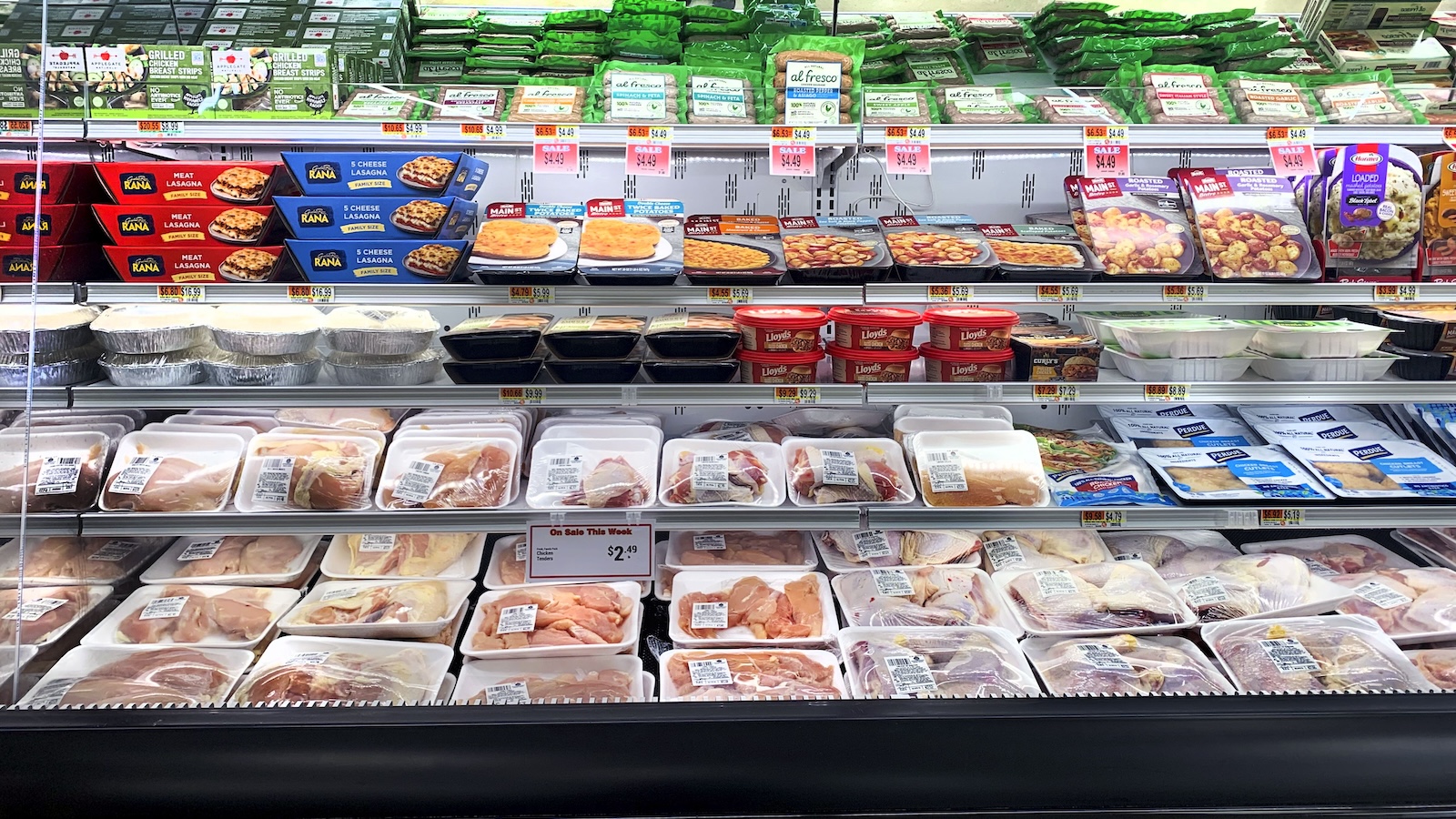
The USDA’s proposed rule for poultry slaughter suggests that increased line speeds "would not affect consumer demand for the establishments’ products" and that "expected sales of poultry products… would determine production levels." However, meat consumption in the U.S. is already substantial. Most Americans consume more than 1.5 times the recommended daily protein intake.
Moreover, the economic benefit to consumers remains uncertain. Agricultural economist David Ortega, a professor at Michigan State University, explained that any potential reduction in poultry and pork prices at grocery stores would depend on slaughterhouses passing their cost savings "through the supply chain." He suggested this scenario would likely run counter to the economic incentives of the processing companies.
Real-World Experiences and Regulatory Boundaries
For some workers, the prospect of increased line speeds is not hypothetical. Magaly Licolli, a labor organizer based in Springdale, Arkansas, where Tyson Foods is headquartered, reported that poultry workers in Northwest Arkansas have indicated they are already being pressured to work faster, even without formal regulatory changes. "We had a meeting with workers from different companies. And all of them stated that the line speed had increased," Licolli stated.
The USDA spokesperson responded by emphasizing that "The safety and well-being of the workforce are essential to a stable food supply; however, worker safety is overseen by the Department of Labor, not USDA. The law is very clear on this." They also pointed out that meat processing plants have long had the ability to obtain line speed waivers, which permit higher operating speeds, potentially explaining the anecdotal reports from workers.
Debbie Berkowitz, a worker safety and health expert at Georgetown University, argued that prioritizing increased line speeds over worker well-being amounts to placing profits above all else. "I think the line speed issue is not about selling more chicken or pork, but being able to exploit workers and get them to work even harder and faster. That is how the companies save money," Berkowitz said. She characterized such practices as treating workers and the environment as expendable, leading to a cycle of "churning through workers" and what she termed "exploitation 101."
The public comment period’s closure marks a critical juncture in this regulatory process. As the USDA deliberates, the concerns raised by worker advocates, public health experts, and environmental organizations underscore the complex trade-offs inherent in optimizing food production systems, with significant implications for the health of both people and the planet.