The late spring gardening season often begins with a burst of optimism, a meticulous planning of plots, and the hopeful sowing of seeds. For many, it’s a tranquil escape, a connection to nature, and a rewarding endeavor. Yet, as many an amateur horticulturist knows, this idyllic pursuit is frequently punctuated by unforeseen challenges, from the persistent threat of pests to the capricious nature of weather patterns. The recent release of Zach Galifianakis’s new Netflix docuseries, This Is a Gardening Show, offers a poignant and often humorous exploration of these realities, celebrating the inherent rewards of cultivating land while acknowledging the myriad obstacles that test a gardener’s resolve. The series, which premiered on Earth Day, delves into the world of small-scale farming and home gardening, presenting a compelling argument for an agrarian future as a potential balm for societal ills.
The Nocturnal Bandit and the Muddy Paw Print
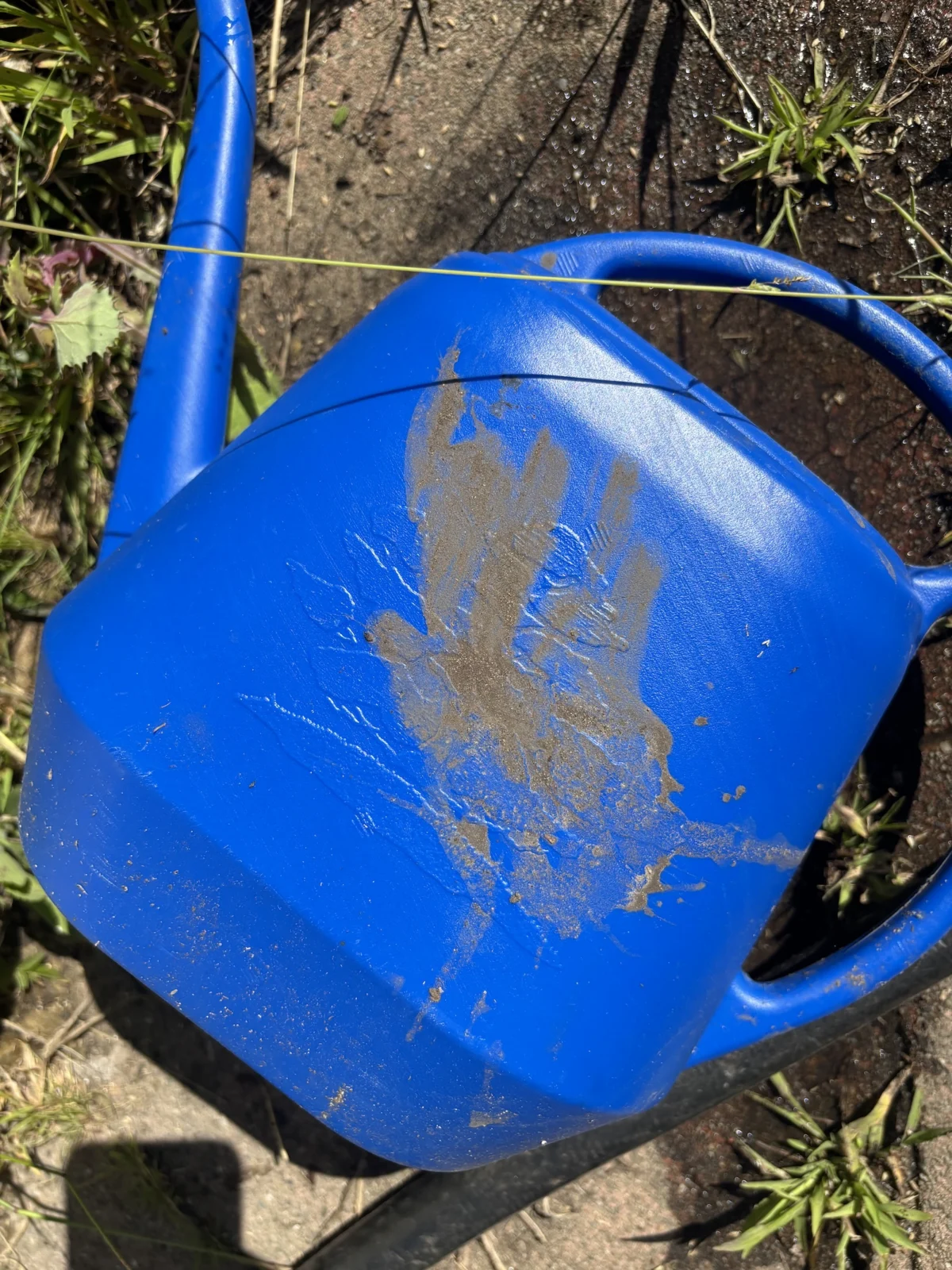
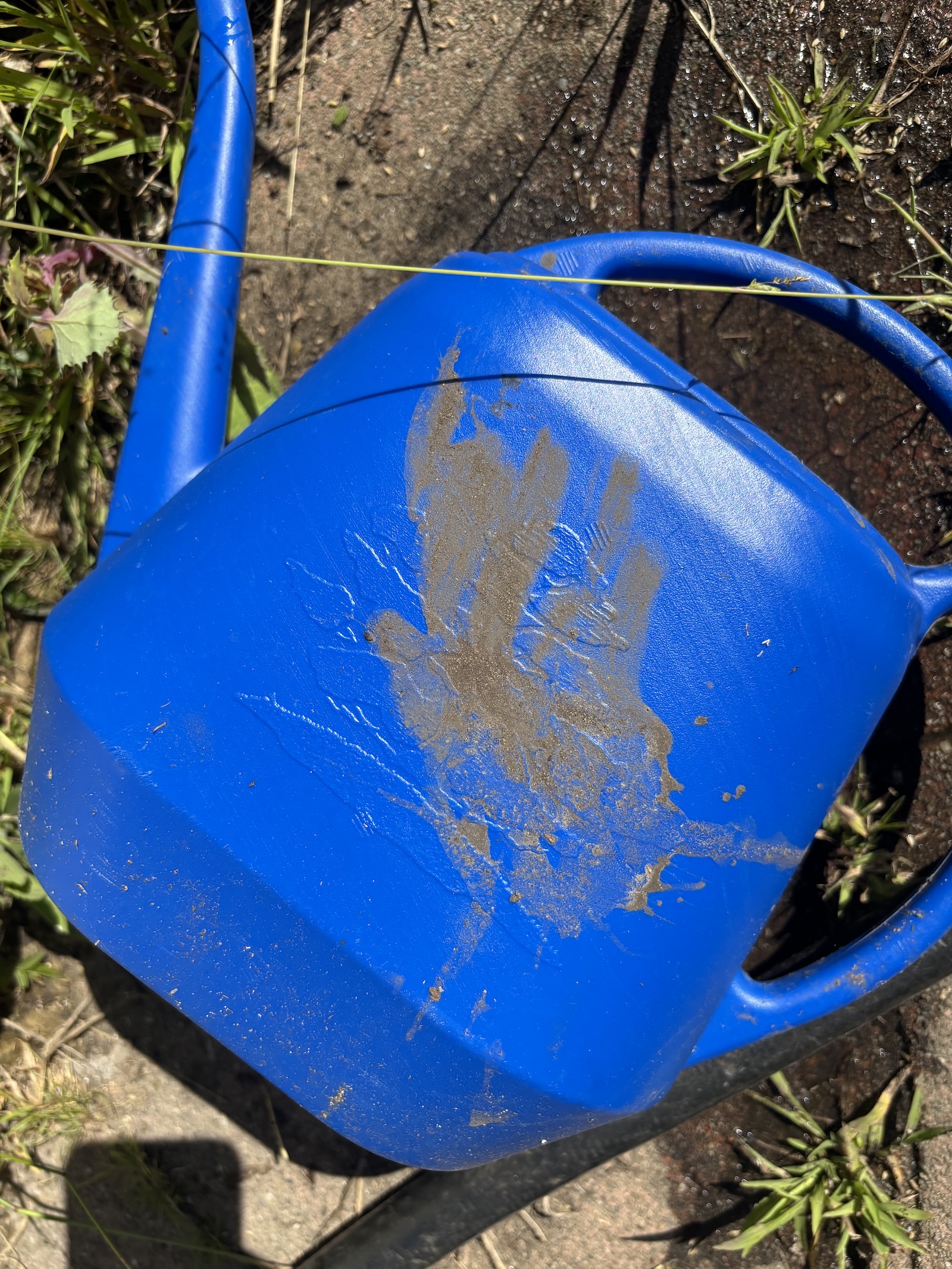
The author’s personal anecdote vividly illustrates the immediate, and often infuriating, realities of gardening. A recent encounter with a determined raccoon, caught in the act of garden vandalism, serves as a potent metaphor for the constant battle many gardeners face. The prior night’s assault on a newly planted garden, characterized by "willy-nilly" digging and uprooted seedlings, left behind a trail of destruction. The culprit, a raccoon, was finally identified not through direct observation, but through the damning evidence of a muddy paw print on an overturned watering can – a testament to the nocturnal raids that have plagued the author for three years. This seemingly minor incident encapsulates a larger theme: the unpredictable and often frustrating nature of coexistence between human cultivation and the wild. The term for a group of raccoons, a "gaze," adds a touch of wry humor to the narrative, highlighting the inherent absurdity of the situation.
Galifianakis’s Agrarian Vision: A Future Rooted in the Soil
Amidst the challenges, Galifianakis’s docuseries presents a compelling vision for the future, one deeply intertwined with the land. In an episode dedicated to composting, he articulates a profound belief: "I honestly think for human beings and for the world itself, the only future is agrarian," he states. "We should all know how to garden. It’s a better hobby than jetskiing." This sentiment, delivered with characteristic wit, underscores the series’ core message. Galifianakis, himself a gardener, eschews the celebrity-skewering humor of his acclaimed show Between Two Ferns for a more contemplative and appreciative tone. He finds genuine awe in the dedication and ingenuity of the farmers he profiles, suggesting that the act of cultivating land fosters a unique sense of happiness and humor.
The Unseen Forces: Pests, Climate, and the Industrial Contrast
The docuseries, while not overtly focused on climate change, implicitly touches upon its escalating impact on agriculture. The author’s personal struggles with raccoons, while seemingly mundane, are mirrored by larger systemic issues affecting food production globally. Soaring food prices, exacerbated by geopolitical events like the closure of the Strait of Hormuz, coupled with widespread droughts and the increasing heatwaves, paint a stark picture of a world struggling to feed itself. Industrial agriculture, with its reliance on monocrops and vulnerability to environmental shifts, stands in stark contrast to the diverse and adaptive nature of small-scale gardens and farms.
Supporting Data: The Global Food Security Crisis
The United Nations Food and Agriculture Organization (FAO) has repeatedly highlighted the precariousness of global food security. In its latest reports, the FAO points to a confluence of factors contributing to rising food insecurity, including:
- Climate Change Impacts: Extreme weather events, such as prolonged droughts, intense floods, and rising temperatures, are disrupting agricultural yields worldwide. The Intergovernmental Panel on Climate Change (IPCC) has warned that crop yields in many regions could decline significantly by mid-century if warming trends continue unabated.
- Geopolitical Instability: Conflicts and trade disruptions have a direct impact on the availability and affordability of food. The war in Ukraine, for instance, significantly disrupted global grain and fertilizer markets.
- Economic Pressures: Inflationary pressures and rising input costs (fertilizer, fuel, labor) are making it increasingly difficult for farmers to operate and for consumers to afford food.
- Supply Chain Vulnerabilities: The COVID-19 pandemic exposed the fragility of global food supply chains, highlighting the need for more resilient and localized food systems.
These global challenges underscore the relevance of Galifianakis’s call for a more agrarian future. While humble gardens cannot feed the entire world, they play a crucial role in enhancing local food security, particularly when integrated into urban environments. Innovations such as rooftop gardens and vertical farms demonstrate the potential for maximizing food production even in densely populated areas.
Resilience and Innovation: The Future of Farming
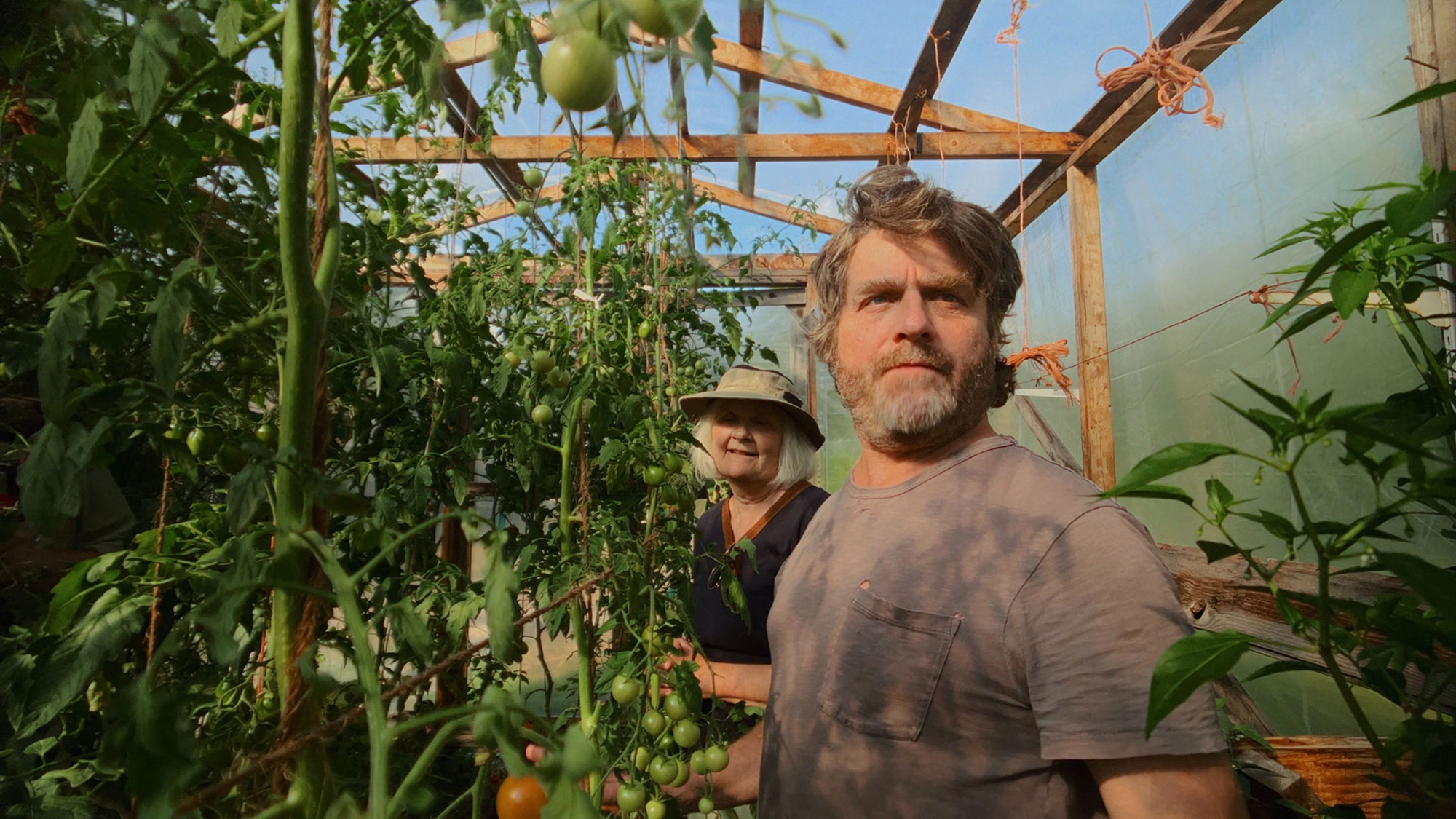
This Is a Gardening Show showcases farmers who are not only producing sustenance but also pioneering innovative solutions to agricultural challenges. The series features Royann Petrell and Sylvain Alie of Steller Raven Ecological Farm, who have developed a unique tomato variety engineered to thrive in extreme heat, capable of withstanding temperatures up to 140 degrees Fahrenheit in a greenhouse. This development stands in stark contrast to the often flavorless, industrially produced tomatoes found in supermarkets, which are bred for uniformity and shelf-life rather than taste and resilience. This focus on biodiversity and adaptation is a critical element in building a more sustainable food system.
The Gardener’s Philosophy: Humility and Acceptance
The author’s personal reflections resonate deeply with the docuseries’ underlying philosophy. The act of gardening, while often a source of immense satisfaction, is also a powerful teacher of humility. The author’s experience with microclimates in San Francisco, where a single species can thrive in one backyard and struggle in another just a mile away, exemplifies the unpredictable nature of cultivation. The constant battle against pests, the relentless growth of weeds, and the occasional inexplicable failure of a plant to thrive serve as daily reminders of the gardener’s limited control. This inherent unpredictability, however, is also where much of the joy lies. It fosters a sense of problem-solving and improvisation, turning potential frustrations into engaging challenges.
A Counterpoint to Apocalyptic Visions
While Galifianakis occasionally invokes a darkly humorous vision of civilizational collapse, the docuseries ultimately focuses on the triumphs and inherent goodness of gardening. The series offers a more optimistic counterpoint to anxieties about the future, suggesting that the simple act of nurturing life can be a profound source of hope and resilience. The shared experience of gardening, as exemplified by the tender moment between Petrell and Alie, highlights the human need for connection and community, often forged through the shared labor and rewards of tending the soil.
The Persistent Problem of Pests: A Gardener’s Ingenuity
The author’s ongoing war with raccoons underscores the practical challenges that the docuseries may not fully explore. The frustration of seeing weeks of effort undone by a nocturnal raid is a shared experience for many gardeners. The author’s innovative solution – a "cage" constructed from a broken A-frame trellis and zip ties – demonstrates a gardener’s resourcefulness. However, the irony is not lost that raccoons, known for their problem-solving abilities, may find the challenge of escaping the cage as enjoyable as the gardener found its creation. This highlights a recurring theme: nature often finds a way, demanding continuous adaptation and learning from human cultivators.
Knowledge Cultivation: More Than Just Growing Food
Beyond the tangible harvest, This Is a Gardening Show serves as a valuable educational resource. The series delves into the origins of common crops, demonstrates horticultural techniques like grafting fruit trees, explains the intricacies of pollination, and offers practical advice on composting. These insights underscore the intellectual and practical rewards of gardening, transforming it from a mere hobby into a continuous learning process. The author’s wry observation that a person who thinks plastic utensils are suitable for a compost bin might not be cut out for gardening further emphasizes the dedication and understanding required.
Conclusion: A Prescription for the Human Condition
Ultimately, This Is a Gardening Show is a charming and insightful exploration of the gardening experience. It acknowledges the inevitable struggles – the pests, the unpredictable weather, the occasional plant rebellion – but it emphasizes the profound rewards: the connection to nature, the satisfaction of nurturing life, and the creation of community. As Galifianakis aptly puts it, "Very pompously, if I were to offer a remedy to the human condition, it would be a garden." While the docuseries may not transform viewers into master gardeners overnight, it inspires a deeper appreciation for the practice and its potential to foster resilience, joy, and a more sustainable future. The author’s lighthearted invitation to Galifianakis for assistance with the raccoon problem, a plea for help with the soil rather than the psychedelic, perfectly encapsulates the enduring, and often amusing, challenges and rewards of the agrarian life.