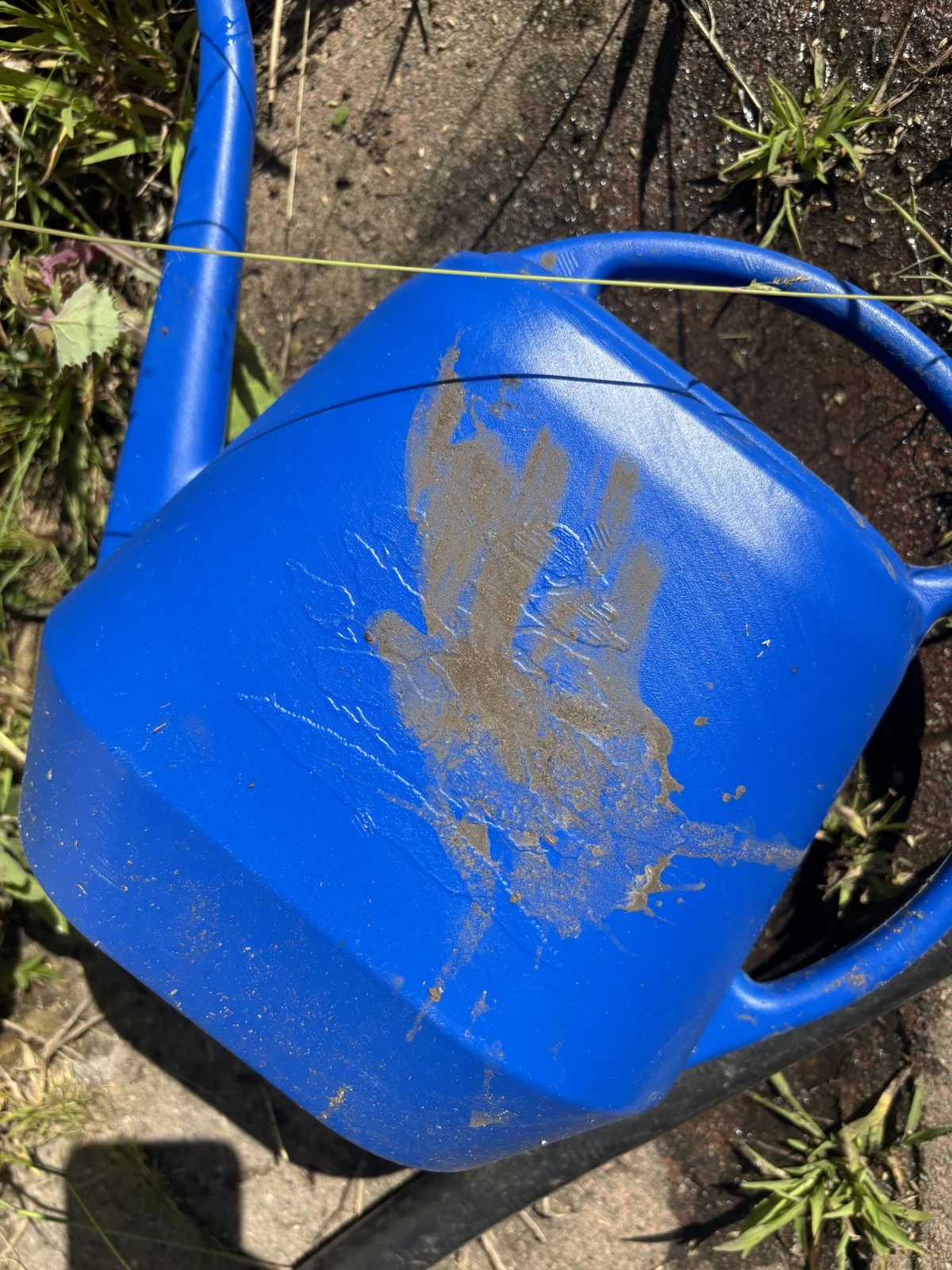
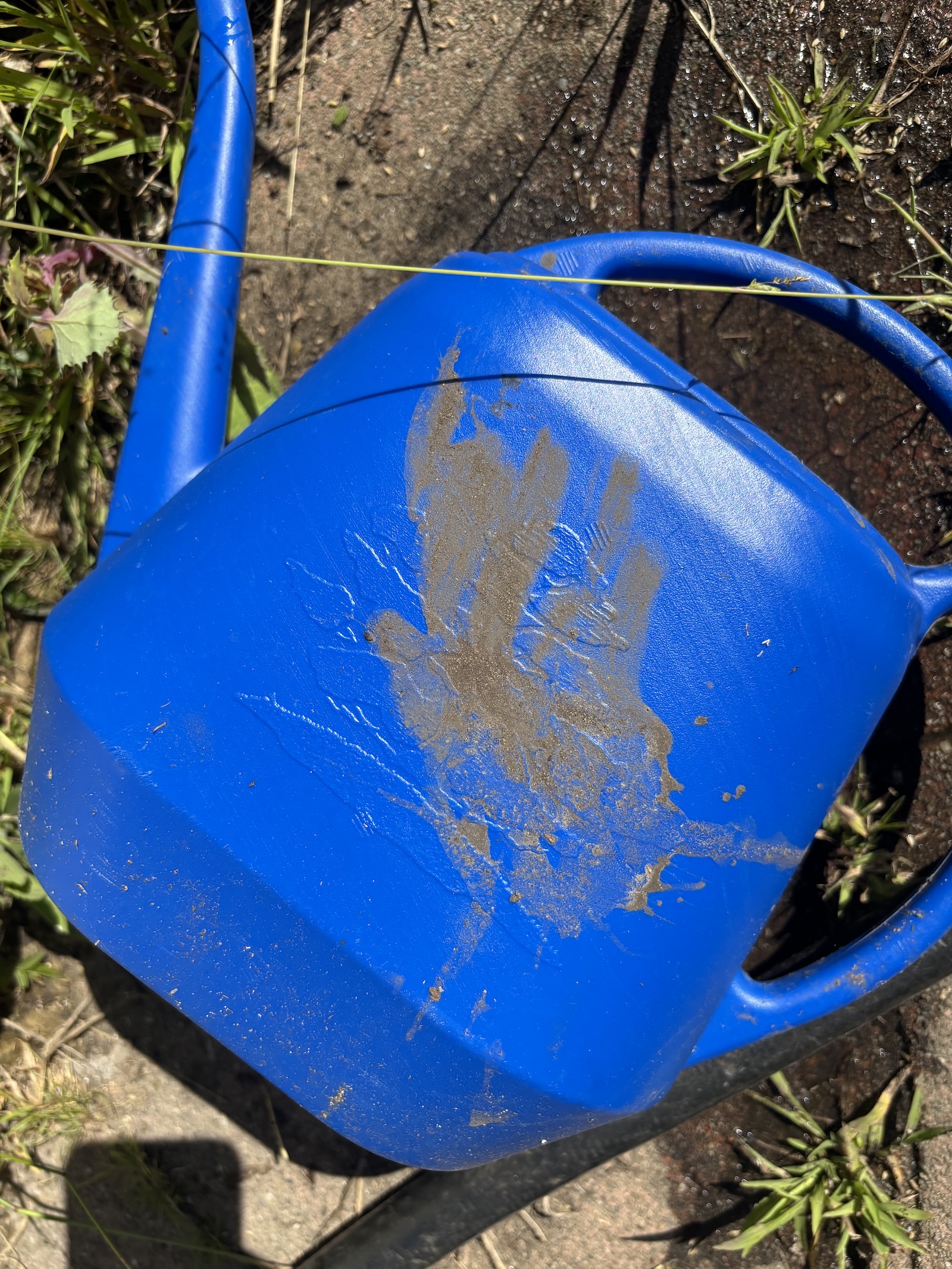
The late-night assault on a San Francisco garden, a scene familiar to many urban cultivators, recently provided a vivid, albeit frustrating, reminder of the constant battle between human endeavors and the persistent ingenuity of urban wildlife. This personal anecdote, detailing a gardener’s discovery of a raccoon’s nocturnal raid evidenced by muddy paw prints on an overturned watering can, serves as a fitting, if slightly exasperated, introduction to the broader themes explored in Zach Galifianakis’s new Netflix docuseries, This Is a Gardening Show. While the comedian is renowned for his sharp, often satirical wit, this series unveils a gentler, more contemplative side, delving into the profound rewards and inherent challenges of cultivating the land, a pursuit he champions as having an "agrarian" future for humanity.
Galifianakis’s Agrarian Vision: Beyond Hobby to Necessity
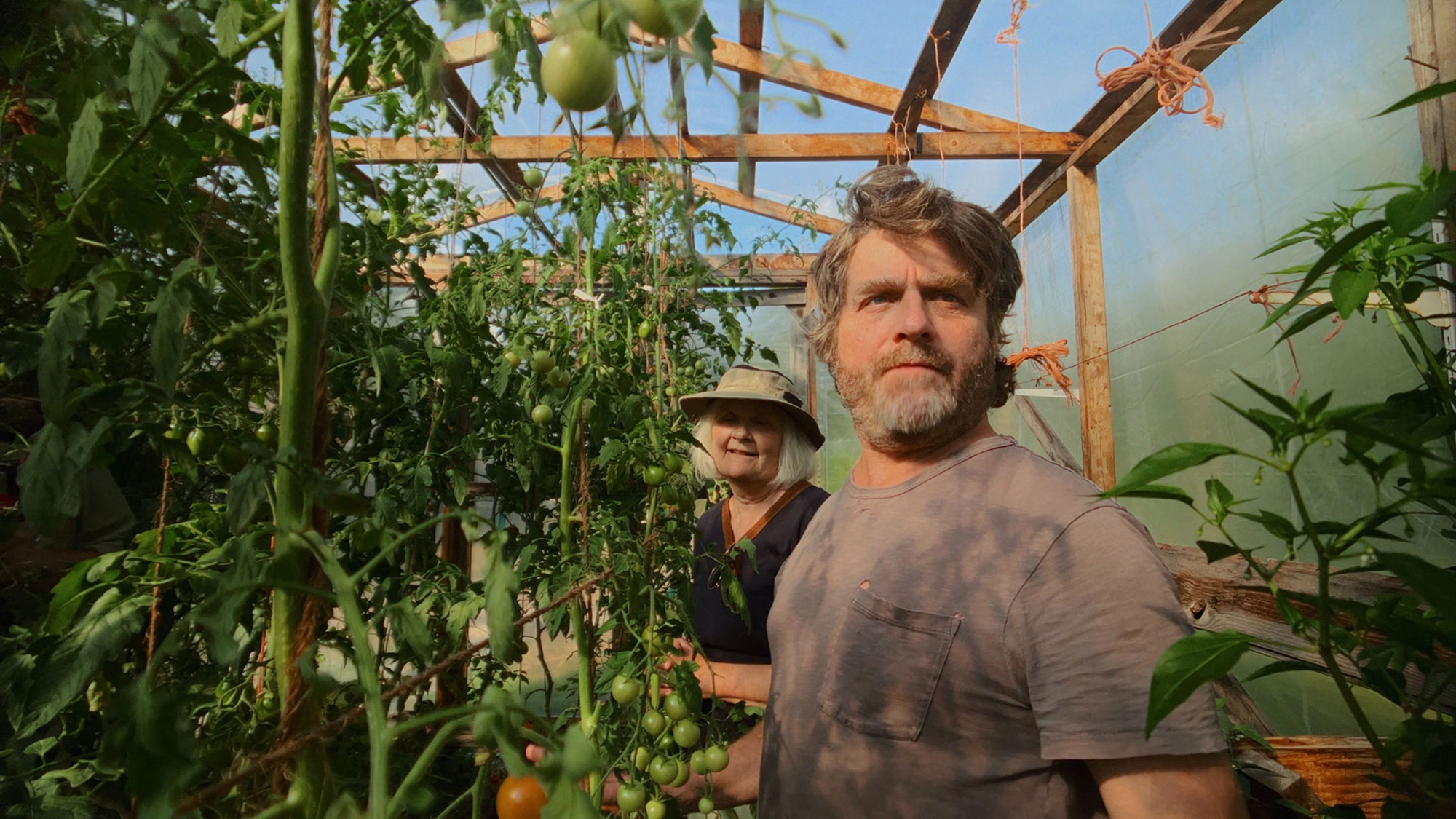
In an episode dedicated to the art of composting, Galifianakis articulates a vision where gardening transcends mere pastime, becoming an essential skill for individual well-being and global sustainability. "I honestly think for human beings and for the world itself, the only future is agrarian," he states. "We should all know how to garden. It’s a better hobby than jetskiing." This statement, delivered with a sincerity that contrasts with his more famously acerbic persona, highlights a growing sentiment that connects hands-on food production with a more resilient and grounded way of life. The docuseries, comprising six short episodes, traverses various farms and gardens, offering a window into the lives of individuals who have embraced this philosophy.
Galifianakis’s fascination with gardening, as depicted in the series, appears to stem from a genuine appreciation for the dedication and resilience it demands. He observes that gardeners, perhaps due to their constant connection with nature, balanced diets, or the simple joy of unearthing life, often exhibit a particular kind of happiness and humor. This observation, however, is playfully juxtaposed with the reality of the gardener’s plight, as evidenced by the very real threats posed by creatures like raccoons, whose nocturnal activities can undo weeks of meticulous effort.
The Paradox of Frustration and Fulfillment in Gardening
The very frustrations that plague gardeners, such as the unpredictable disruptions caused by wildlife or the seemingly arbitrary nature of plant growth, are, paradoxically, what imbue the practice with its profound joy. The docuseries, while acknowledging the inherent difficulties, largely focuses on the triumphs and the deeply satisfying outcomes of horticultural pursuits. Galifianakis, shedding the biting wit of his Between Two Ferns days, approaches his subjects with genuine awe, recognizing the immense skill and dedication required to coax life from the soil.
This sentiment resonates with the personal experiences of many gardeners, including the author of the original commentary. The daily ritual of tending to a garden—watering, assessing damage, harvesting—becomes a multifaceted experience. It’s not just about producing food; it’s about engaging with the natural world, observing the intricate dance of pollinators like bumblebees, and savoring the immediate rewards, such as the crisp, peppery taste of freshly picked asparagus spears eaten raw. While these small-scale gardens may not provide self-sufficiency on a grand scale, their value extends far beyond mere caloric output.
A Counterpoint to Industrial Agriculture in a World of Shifting Realities
The docuseries arrives at a critical juncture, offering a stark contrast to the increasingly precarious state of modern industrial agriculture. As global food prices surge due to geopolitical instability, such as disruptions in vital shipping lanes, and the agricultural sector grapples with the escalating costs of fuel and fertilizer, the vulnerability of large-scale food production becomes alarmingly apparent. Events like the closure of the Strait of Hormuz, a critical artery for oil transport, have direct implications for agricultural inputs and global food security. Furthermore, the growing public apprehension towards ultra-processed foods and the intensifying impacts of climate change—manifesting as prolonged droughts that deplete water resources and rising global temperatures that threaten crop yields—underscore the urgency for alternative and more resilient food systems.
In this context, humble gardens, whether in backyards or integrated into urban landscapes, emerge not as a panacea, but as a vital component of food security. The potential of urban agriculture, including innovative solutions like rooftop gardens that can simultaneously generate nutrition and clean electricity, is increasingly recognized. This localized approach offers a degree of self-sufficiency and resilience that large-scale monoculture systems often lack.
Biodiversity and Adaptation: Gardens as a Model for a Changing Planet
Unlike the vast monocultures characteristic of industrial farming, gardens embody diversity and adaptability, qualities crucial for navigating a changing planet. The docuseries highlights pioneering farmers who are developing crop varieties that can withstand extreme conditions. For instance, Royann Petrell and Sylvain Alie of Steller Raven Ecological Farm have cultivated a tomato variety specifically engineered to thrive in high temperatures, even improving in taste under such stress. This stands in stark contrast to the often-homogenized, flavor-deficient tomatoes found in supermarkets, which are bred for uniformity and shelf-life rather than taste and resilience.
The development of such climate-resilient crops represents a significant scientific and agricultural advancement. The ability of a tomato to improve its flavor in extreme heat suggests a potential pathway for maintaining agricultural productivity in regions increasingly affected by global warming. This focus on biodiversity and adaptive breeding is a key differentiator from industrial agriculture, which often relies on a narrow range of high-yield, genetically uniform crops that are more susceptible to pests, diseases, and environmental shocks.
A Glimpse of Hope Amidst Apocalyptic Forebodings
While This Is a Gardening Show was released around Earth Day, its focus is not solely on the immediate threat of climate change. Instead, Galifianakis often pivots to a more generalized, albeit jocular, prediction of civilizational collapse. He muses about a future where a select few might survive, a darkly humorous acknowledgment of the profound challenges facing humanity. However, the overarching tone of the series is one of optimism and a celebration of human ingenuity and connection to the earth.
The series emphasizes that a garden, by its very nature, is a place of humility. It is a space where arrogance is quickly dispelled by the persistent realities of nature: pests, weeds, and the occasional plant that simply refuses to thrive. The author’s personal experience with the infamous microclimates of San Francisco, where a plant’s success can be determined by mere blocks, further illustrates the nuanced and often localized knowledge required for successful gardening. This constant learning and adaptation, even when confronted by formidable adversaries like determined raccoons, is central to the gardening experience.
Forging Bonds and Finding Solace in Cultivation
Beyond the tangible outputs of food and flowers, gardening fosters unique human connections. The image of Petrell and Alie strolling hand-in-hand through their garden, a moment that elicits a heartfelt observation from Galifianakis about the power of shared purpose, encapsulates this aspect. The series suggests that shared gardening experiences can forge deep bonds, offering solace and a sense of collective accomplishment.
This sentiment is further amplified by the idea that gardens can be a "lifesaver," a phrase that speaks to the therapeutic and grounding effects of engaging with the natural world. In a world increasingly characterized by digital saturation and abstract problems, the tactile reality of soil, the scent of blooming flowers, and the satisfaction of nurturing life can provide a much-needed anchor.
The Enduring Challenge of Wildlife and the Ingenuity of Solutions
The persistent challenges of gardening, particularly the interactions with wildlife, are a recurring theme. The author’s ongoing battle with raccoons, who are known to dig for invertebrates and other subterranean delicacies, exemplifies this struggle. The innovative, albeit seemingly futile, approach of creating a physical barrier for sugar pea seedlings, only to acknowledge that raccoons might find the puzzle of escape equally rewarding, highlights the ongoing evolutionary arms race between humans and urban fauna. Research into raccoon intelligence, suggesting their propensity for solving puzzles for amusement, adds a layer of irony to these encounters. This dynamic underscores the need for creative, often low-tech, solutions in urban ecological management.
A Wellspring of Knowledge and a Call to Action
This Is a Gardening Show serves not only as an exploration of the gardening lifestyle but also as a repository of practical knowledge. Viewers can glean insights into the origins of familiar foods like apples, learn the art of grafting fruit trees, understand the intricacies of corn pollination, and receive essential composting advice. These lessons, delivered in an accessible and engaging manner, demystify aspects of food production and encourage a greater appreciation for the labor and knowledge involved.
While the series may not transform viewers into master gardeners overnight, its true value lies in fostering an appreciation for the process. The thrill of gardening, as Galifianakis and the author suggest, is deeply rooted in self-discovery through trial and error, in the persistent effort to overcome obstacles, whether they be pests, unpredictable weather, or the inscrutable behavior of raccoons. As Galifianakis wryly concludes, a garden, or perhaps "acid," could be a remedy to the human condition—a statement that, in its absurdity, underscores the profound impact and transformative potential of engaging with the earth. The invitation to Galifianakis to visit San Francisco for some hands-on raccoon deterrence, sans the latter, encapsulates the playful yet earnest spirit that permeates the series.