

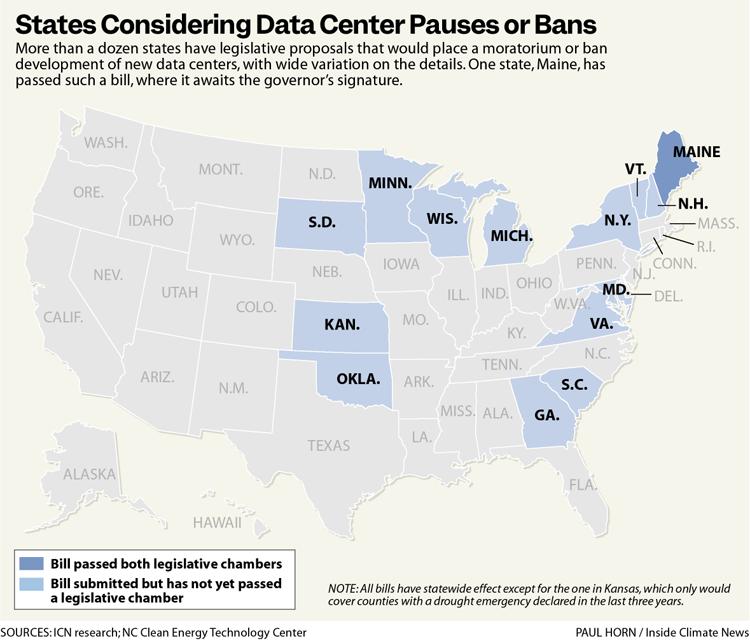
Maine has become the first state in the United States to enact a legislative moratorium on the development of large-scale data centers, a pioneering move that could signal a broader trend across the nation. The groundbreaking legislation, designated as LD 307, passed through both the Maine House and Senate this week and now awaits the signature of Governor Janet Mills. This proactive measure aims to temporarily halt the approval of new data centers with an electricity demand of 20 megawatts or more until at least October 2027. The bill’s passage arrives at a critical juncture, as communities nationwide grapple with the rapid expansion of these power-intensive facilities and the burgeoning demand driven by advancements in artificial intelligence.
The impetus behind LD 307 stems from a confluence of mounting concerns regarding the significant energy and water consumption of data centers, as well as anxieties about their potential impact on local communities and the broader economy. Maine’s legislative action mirrors a growing wave of similar proposals in approximately a dozen other states this year, all seeking to pause or outright ban new data center developments. These legislative efforts reflect a palpable tension between the promise of technological advancement and the tangible environmental and social costs associated with the infrastructure that powers it.
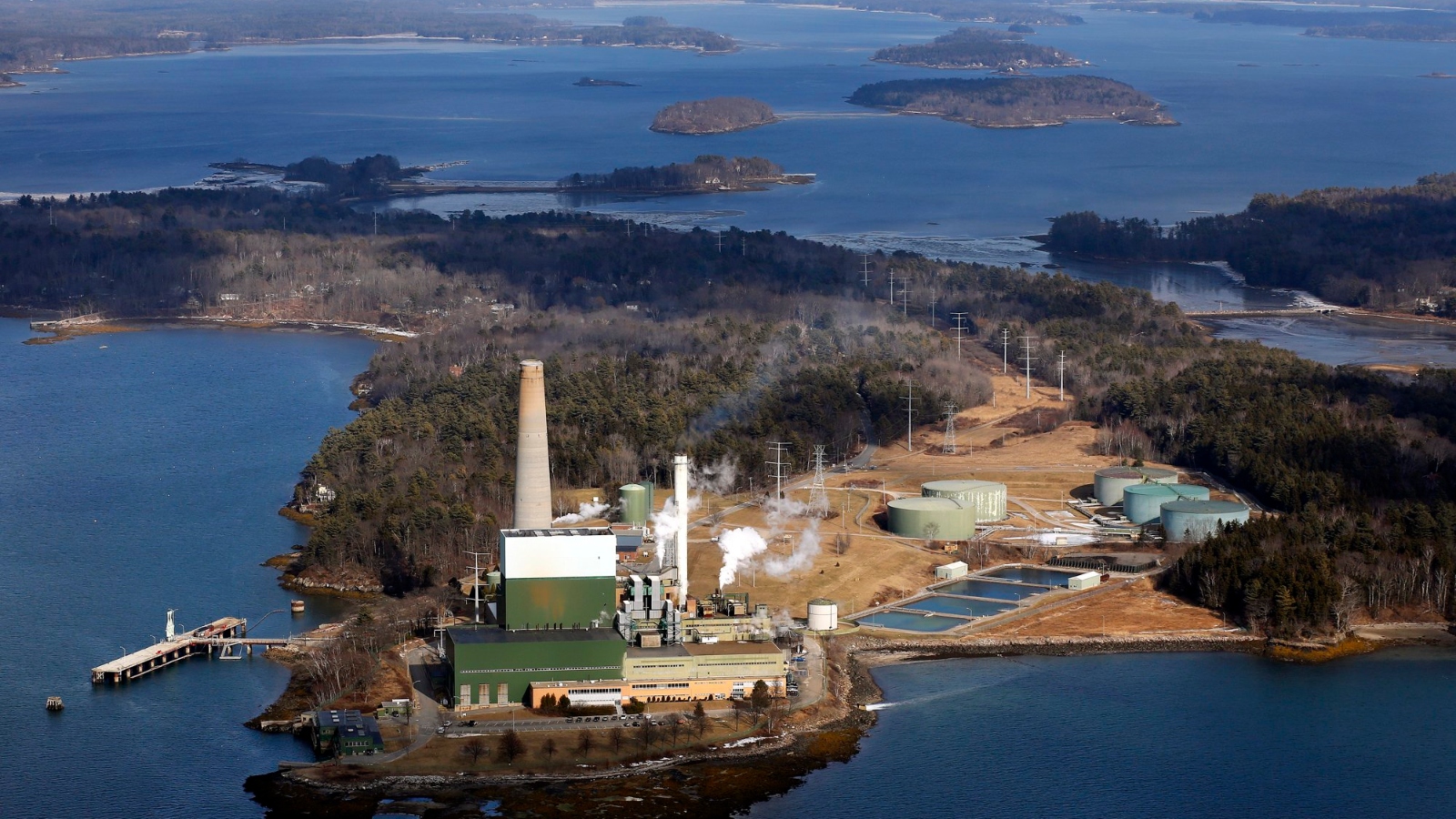
Data centers, the digital backbone of the internet and increasingly the engines of artificial intelligence, have seen exponential growth. As of the past year, U.S. data centers collectively demanded over 50 gigawatts of electricity. To put this into perspective, this figure is nearly double the peak electricity demand of the entire New England grid, a region encompassing six states, including Maine. This staggering consumption, which predates the full impact of upcoming, even larger data center projects, raises critical questions about the capacity of existing power grids to meet this escalating demand and how residential consumers will be shielded from potentially soaring electricity bills.
A Legislative Battleground: Balancing Economic Promises with Environmental Stewardship
The legislative journey of LD 307 in Maine provides a microcosm of the broader debate surrounding data center development. The bill’s passage through the House with a vote of 79-62 and the Senate with a tally of 21-13 indicates a clear partisan divide on the issue. Proponents, primarily Democrats who control both legislative chambers, framed the moratorium as a necessary period of reflection and regulatory development. They argue that it provides crucial breathing room for lawmakers and state agencies to establish robust frameworks for evaluating and managing the environmental and infrastructure impacts of these facilities.
Conversely, opponents, largely Republicans, voiced concerns that the moratorium would stifle economic growth and deter potential investment in the state. State Senator Matt Harrington, a Republican, was among those who argued against the bill, asserting that it could delay or scuttle significant projects, including those under consideration in communities like Sanford and Jay. He highlighted the substantial financial benefits that data centers can bring, estimating billions of dollars in potential investment for Maine. The debate underscores a fundamental ideological difference: whether to prioritize immediate economic opportunities or to adopt a more cautious, regulated approach to new industrial development, particularly when its long-term environmental consequences are still being fully understood.
A Precautionary Tale: Maine’s Proactive Stance
Maine’s current data center landscape is relatively modest, with around ten existing sites, none of which are the colossal "hyperscale" facilities that have drawn significant public opposition in states like Virginia and Texas. This smaller scale of existing development has provided Maine lawmakers with a unique opportunity to learn from the experiences of other regions. State Representative Melanie Sachs, a Democrat and the lead sponsor of LD 307, emphasized this point, describing the bill as a means to utilize the challenges faced elsewhere as a "cautionary tale that Maine could really learn from." Her statement, "Let’s just make sure our regulatory framework can meet the moment," encapsulates the bill’s intent: to proactively prepare for future growth rather than react to established problems.
The bill mandates the convening of a special council tasked with a comprehensive evaluation of data center-related concerns. This council will be responsible for gathering input from various stakeholders, analyzing the environmental, economic, and infrastructure implications, and ultimately recommending new policies to the legislature. This deliberative approach aims to ensure that any future data center development in Maine is undertaken with a clear understanding of its potential impacts and with appropriate safeguards in place.
The Governor’s Decision and Environmental Advocacy
The ultimate fate of LD 307 now rests with Governor Janet Mills. While she has not publicly commented on her intentions, the bill’s legislative success suggests a strong mandate from the state’s lawmakers. The governor has several options: she can sign the bill into law, veto it, or allow it to become law by taking no action within a ten-day period. Notably, Governor Mills had previously expressed a desire for an exemption within the bill for a proposed project in Jay, which aims to redevelop a former paper mill site. However, the final version of LD 307 does not include such an exemption, adding another layer of complexity to her decision.

Environmental advocates have largely lauded the bill as a progressive step and a potential model for other states. Sarah Woodbury, legislative director for Maine Conservation Voters, expressed pride in Maine’s potential leadership role. "Voters do not want these facilities in their backyard," Woodbury stated, noting that past attempts to site data centers in Maine communities have been met with local resistance. She believes the political sentiment surrounding data centers in Maine mirrors that found in other parts of the country, where public concern is growing.
A National Trend: Growing Opposition and Legislative Action
Maine’s legislative action is not an isolated incident but rather a prominent manifestation of a national trend. According to the North Carolina Clean Energy Technology Center, lawmakers in at least 13 other states have introduced bills or resolutions this year proposing some form of data center development pause or restriction. However, none of these have yet advanced beyond the legislative chamber. Beyond state-level actions, dozens of local governments across the United States have already enacted their own bans and moratoria on data centers, with many more considering similar measures.
This grassroots and state-level opposition has even reached the federal level. U.S. Senator Bernie Sanders and U.S. Representative Alexandria Ocasio-Cortez have jointly proposed a national moratorium specifically targeting AI data centers, highlighting the growing recognition of the immense power demands associated with artificial intelligence technologies.

Analyzing the Implications: Beyond Partisanship
While the debate in Maine has shown some partisan alignment, the issue of data center development is not strictly a partisan one, according to Anthony Elmo, a researcher at Good Jobs First, a nonprofit watchdog organization that monitors corporate subsidies. Elmo points out that opposition to data center projects has emerged from both Democratic and Republican communities, particularly when specific developments are proposed.
However, Elmo suggests that legislative restrictions on data centers are more likely to emerge in states where Democrats hold a majority in the legislature and control the governor’s office. This is partly due to a general tendency for Republicans to be more skeptical of regulatory measures. When asked about which states might follow Maine’s lead, Elmo indicated that there is no definitive answer but highlighted Illinois and Minnesota as states where a significant backlash against data centers is occurring, and where elected officials appear more receptive to these concerns.
The implications of Maine’s moratorium extend far beyond its state borders. As data centers continue to grow in size, proliferate geographically, and their proponents struggle to address fundamental questions from concerned residents about their impact, the backlash is expected to intensify. Maine’s bold legislative move sets a precedent, potentially empowering other states and local governments to critically assess the unchecked expansion of this critical, yet resource-intensive, digital infrastructure. The coming years will likely see a significant shift in how these vital technological hubs are regulated, with a greater emphasis placed on sustainability, community impact, and the long-term viability of energy and water resources. The debate in Maine serves as a crucial early chapter in this evolving national conversation.