The iconic image of America’s national forests often conjures visions of sprawling Western wilderness, from the rugged peaks of the Rockies to the dense evergreen expanses of the Pacific Northwest. However, millions of acres of vital federal woodlands also grace the eastern half of the country, forming crucial ecological havens in increasingly developed landscapes. For over two decades, these undeveloped national forest lands have been shielded from road construction and logging by the Roadless Area Conservation Rule, a policy established in the waning days of the Clinton administration. Now, a significant policy shift under the Trump administration threatens to dismantle these protections, opening nearly 60 million acres across 39 states to potential resource extraction, sparking widespread concern among conservationists, scientists, and former agency leaders.
The Roadless Area Conservation Rule, formally adopted in January 2001, emerged from a pragmatic assessment within the U.S. Forest Service. Agency officials recognized that the extensive network of roads, many of which were built for timber extraction and resource access, had become unsustainable to maintain. These crumbling infrastructures were not only a financial burden but also posed significant environmental risks, including stream degradation, habitat fragmentation, and compromised drinking water quality. The rule aimed to address these issues by prohibiting road building and timber harvesting in designated roadless areas, preserving these tracts as undeveloped natural landscapes.
The implications of repealing this rule are far-reaching, particularly for the eastern United States, where these roadless areas represent rare pockets of ecological resilience amidst dense human populations. These forests provide critical habitat for diverse wildlife, support recreational opportunities, safeguard vital drinking water sources for millions, and play a significant role in carbon sequestration, a crucial element in the fight against climate change.
The Case for Preservation: Scientific and Experiential Voices
Conservation organizations are vocal in their opposition to the proposed rollback. Garrett Rose of the Natural Resources Defense Council emphasizes the irreplaceable nature of these lands, stating, "Roadless areas are a finite resource. They are our last best stretches of national forest land." This sentiment is echoed by a distinguished group of former U.S. Forest Service chiefs. Drawing on a collective 150 years of experience, four former leaders have publicly urged the administration to uphold the rule, underscoring its importance for the long-term health of the nation’s forests. Vicki Christiansen, who served as agency chief from 2018 to 2021, described the potential removal of protections as an "irreparable tragedy," asserting that these lands belong to all citizens.
The Department of Agriculture, which oversees the Forest Service, has argued that the roadless rule impedes its ability to manage forests effectively. Secretary of Agriculture Brooke Rollins has characterized the policy as an "absurd obstruction" and "overly restrictive," contending that its repeal would grant the Forest Service greater flexibility to mitigate wildfire risks, improve forest health, and bolster rural economies through resource development. The administration’s position centers on the idea that increased timber production and access for fire management are paramount.
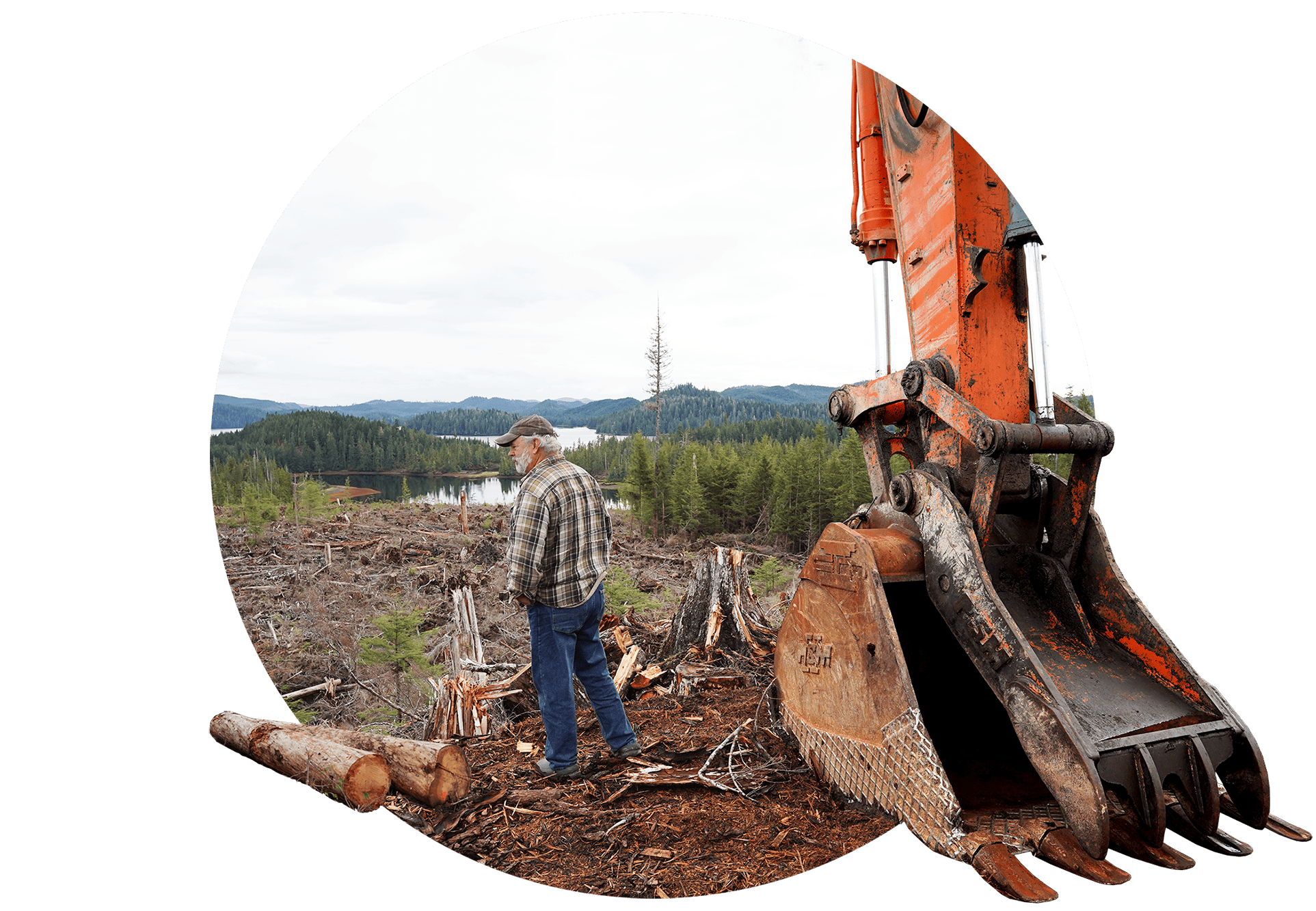
However, critics contend that this perspective is not grounded in scientific consensus and overlooks the multifaceted ecological services these pristine areas provide. Scientific studies consistently highlight the role of intact forest ecosystems in biodiversity preservation, water cycle regulation, and climate change mitigation.
The Distribution of Roadless Lands: A Western Dominance with Eastern Significance
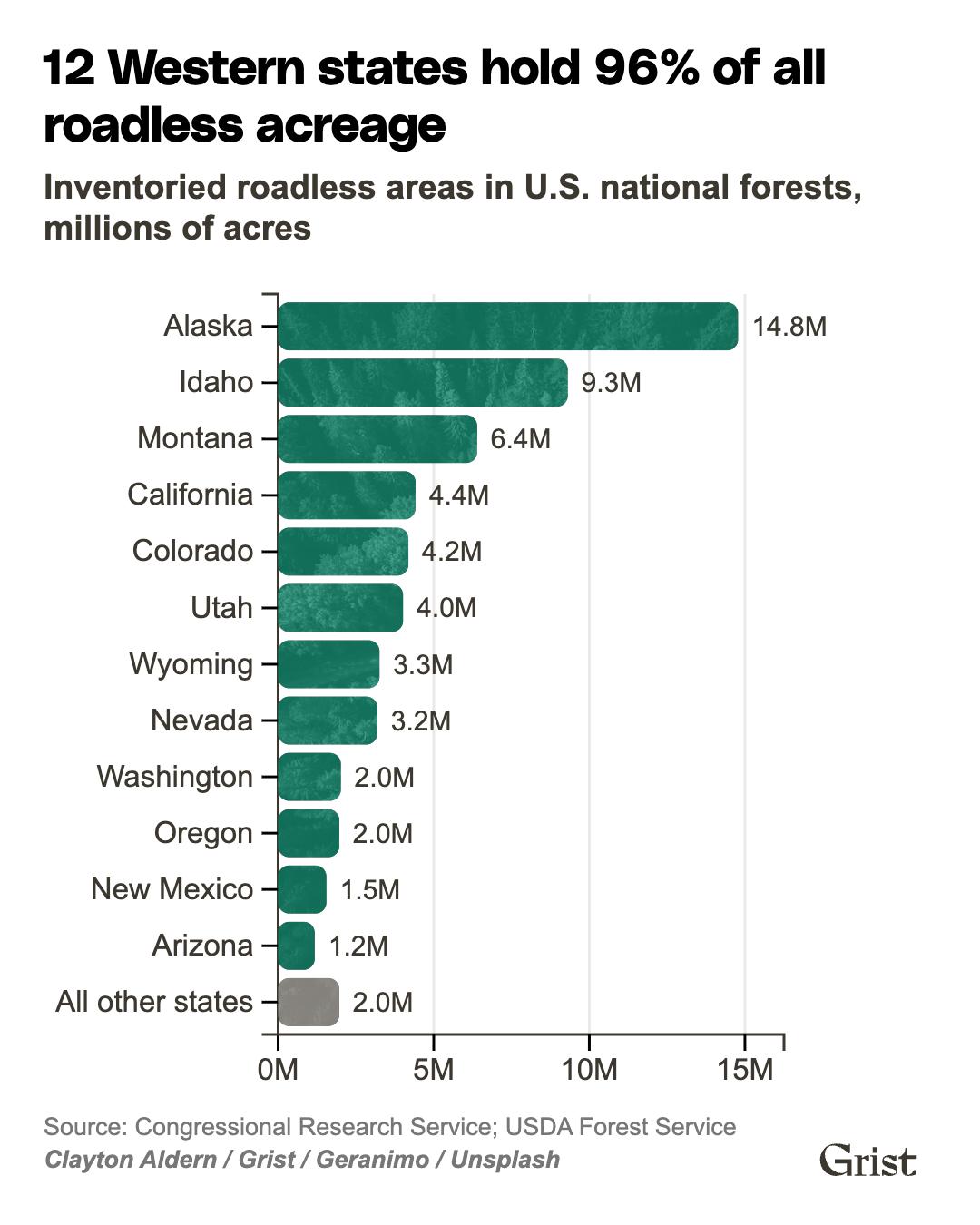
While the vast majority of inventoried roadless acreage—approximately 95%—lies within 10 Western states where contiguous forest landscapes are more prevalent, the protection of these areas in the East carries unique significance. East of the Mississippi River, roadless areas are often smaller and more fragmented, making them particularly vulnerable. For instance, in Illinois’ Shawnee National Forest, only about 4,000 acres are designated as road-free. Across the entire Southeast, the total roadless acreage amounts to roughly 416,000 acres, underscoring their scarcity and ecological importance in these densely populated regions.
A Swift and Contentious Policy Shift
The Trump administration initiated its effort to dismantle the roadless rule with a compressed public comment period, lasting only 21 days—a fraction of the typical 90-day window. Despite this brevity, the proposal generated an overwhelming response. An analysis by the advocacy organization Roadless Defense revealed that over 220,000 comments were submitted, with an estimated 99% expressing opposition to the repeal. The primary concerns raised by the public centered on the potential negative impacts on wildlife, tourism, and water quality.
This push to revise the roadless rule is part of a broader agenda to intensify timber production and reshape the U.S. Forest Service. In a significant move, the administration also closed 57 of the 77 Forest Service research stations nationwide, many of which were dedicated to studying the impacts of climate change, invasive species, and wildfires. Concurrently, plans were announced to relocate the agency’s headquarters from Washington, D.C., to Salt Lake City, Utah, and to close nine regional offices. These changes reflect a strategic shift in how the Forest Service operates and prioritizes its research and administrative functions.
Eastern Forests: Pockets of Resilience Under Threat
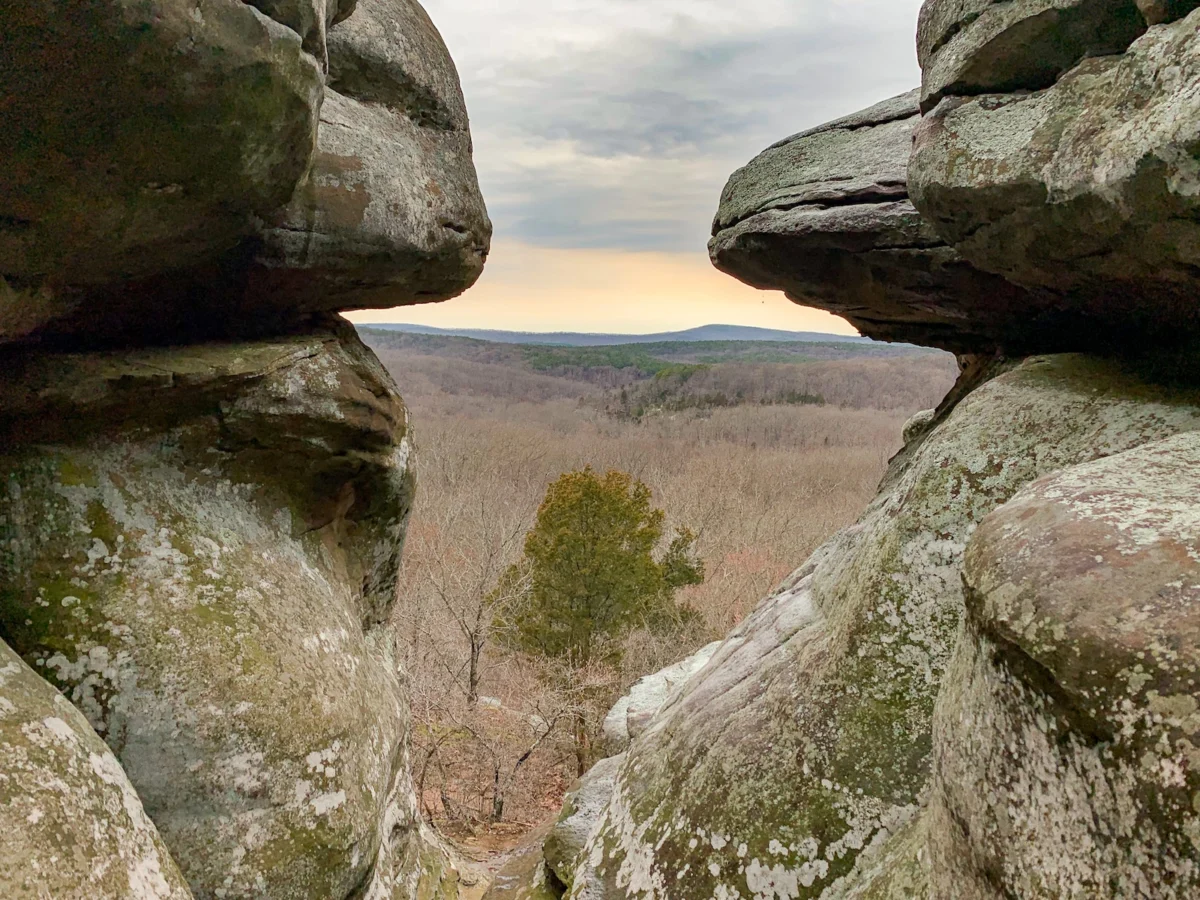
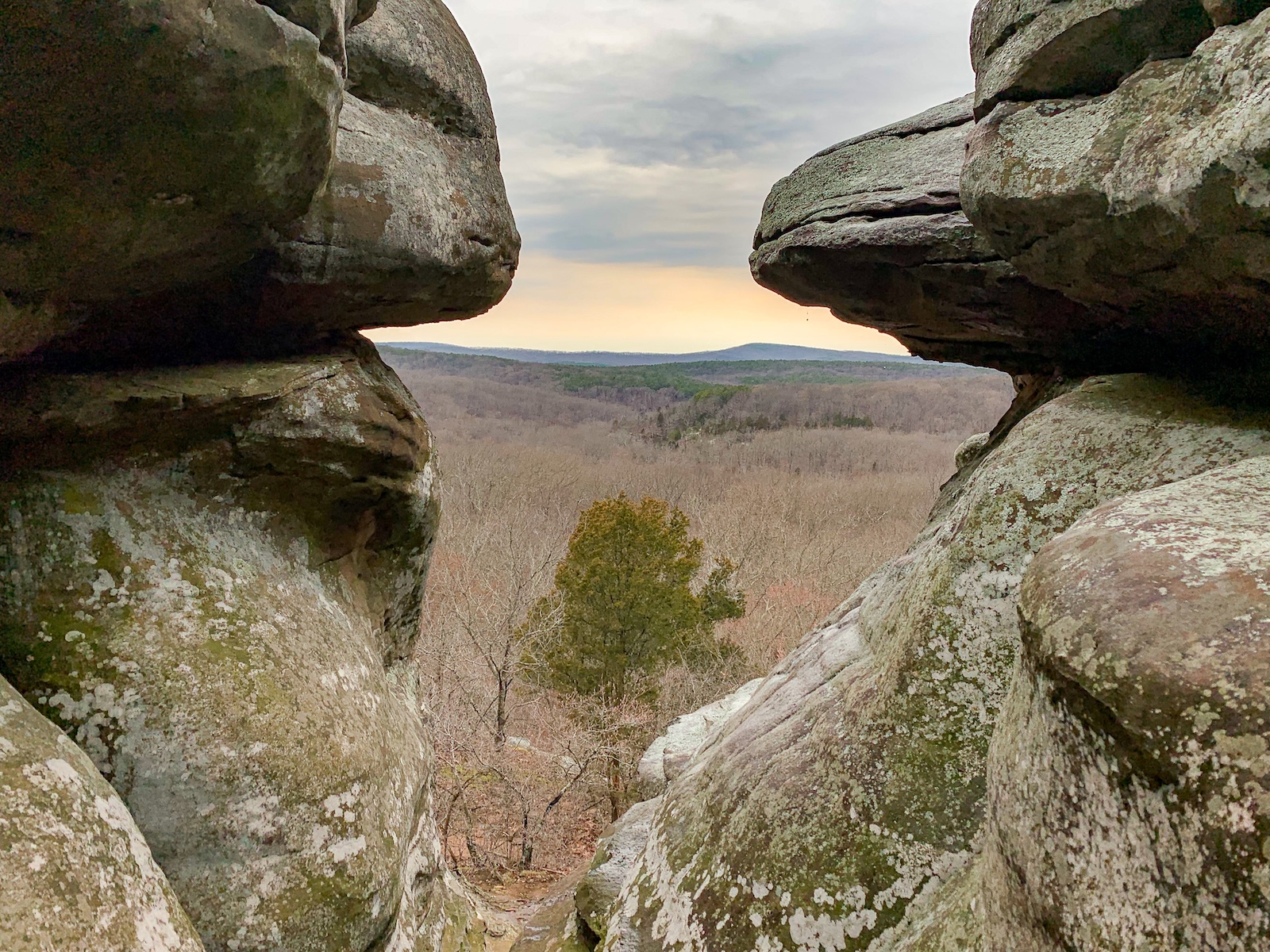
The impact of potential roadless rule repeal is keenly felt in areas like the Shawnee National Forest in Illinois, where long-standing activism has sought to protect these natural spaces. John Wallace, an environmental activist who participated in a 79-day occupation of Shawnee in 1990 to halt timber sales, worries about the future. While he acknowledges that the impact in Shawnee might be less extensive than in larger Western forests, he asserts, "make no mistake, the Trump administration is determined to open up our public land to industrial exploitation." Shawnee National Forest, covering nearly 289,000 acres, is characterized by steep hills, hardwood forests, and sandstone bluffs. It has a history of heavy logging, and its recovery has been constrained by surrounding agricultural lands and development. Only a few scattered pockets, totaling approximately 10,000 acres, are currently protected by the roadless rule.
These roadless areas within Shawnee are crucial for species such as the cerulean warbler, the bird-voiced tree frog, and the Indiana bat. Furthermore, these mature woodlands play a vital role in carbon sequestration. Richard Birdsey, a senior scientist at the Woodwell Climate Research Center and a former U.S. Forest Service researcher, explains that eastern forests, typically aged between 80 and 120 years, are at an optimal stage for removing carbon dioxide from the atmosphere. He notes that these forests offset over 11% of U.S. greenhouse gas emissions annually. The potential acceleration of timber harvests, as advocated by the administration, could lead to increased emissions, directly countering climate mitigation efforts.
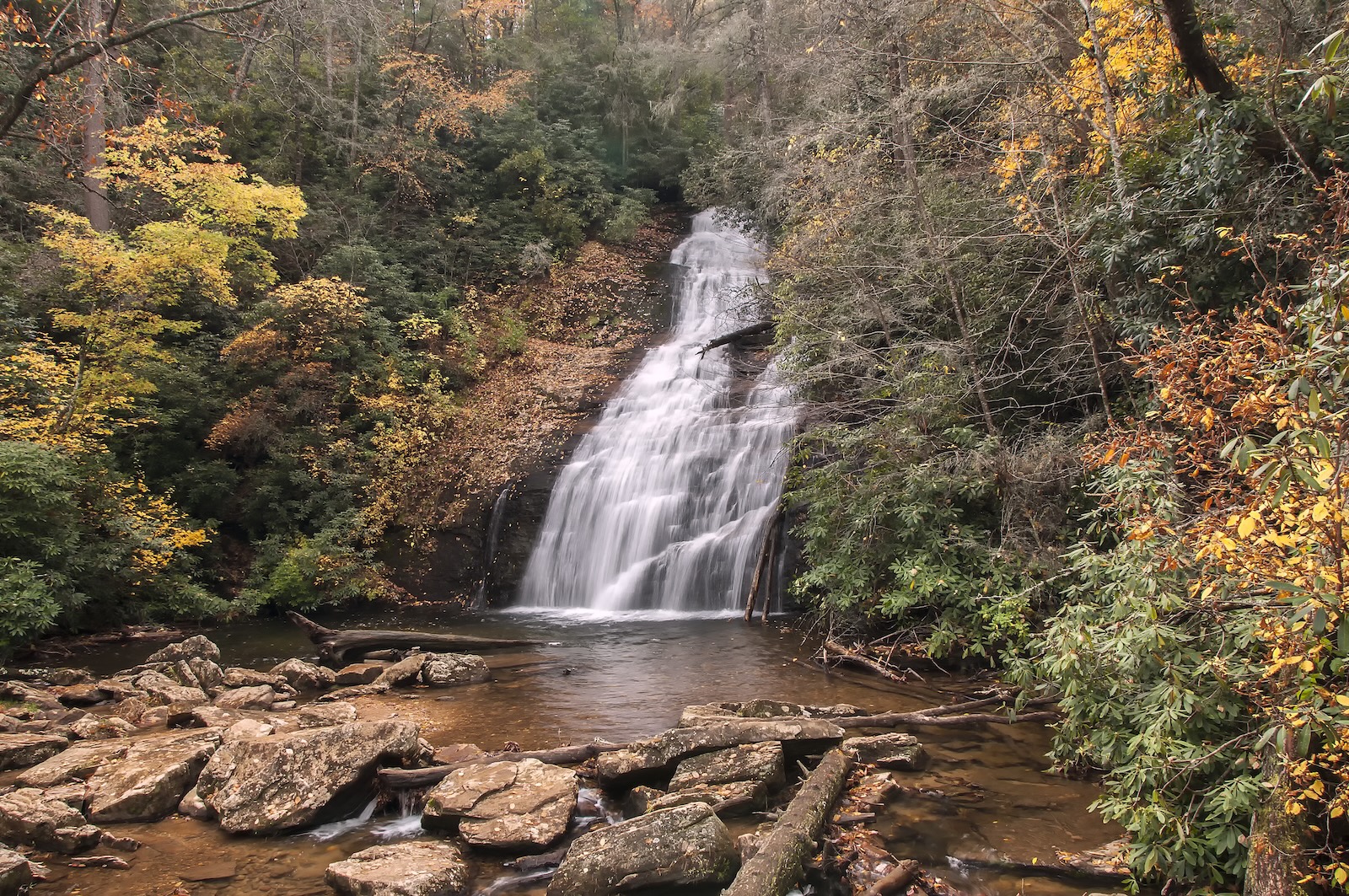
In the Chattahoochee National Forest in Georgia, the debate over access and wildfire risk highlights a complex interplay of ecological management and human safety. Approximately 7% of the Chattahoochee’s 751,000 acres remain road-free. JP Schmidt, an ecologist with Georgia Forest Watch, voices concern that the remoteness of these areas could hinder rapid response to lightning-induced fires. The U.S. Forest Service has cited the 2016 Rough Ridge fire, which consumed 28,000 acres, as an example of the challenges posed by limited access.
However, conservationists like James Sullivan of Georgia Forest Watch argue that allowing fires to burn under controlled conditions, when human safety and property are not at risk, can be a beneficial ecological process. This approach, often referred to as prescribed burning, mimics natural fire cycles that promote forest health by clearing underbrush and reducing fuel loads. The argument that repealing the roadless rule is necessary for wildfire management is contested by Sam Evans of the Southern Environmental Law Center, who calls it "malarkey" and suggests it’s a pretext for promoting timber production. Evans points out that human activity, not lightning, is the primary cause of wildfires, and roads often facilitate these human-caused ignitions through discarded cigarettes, vehicle sparks, or intentional arson.
A Glimpse of the Future: The Case of Green Mountain National Forest
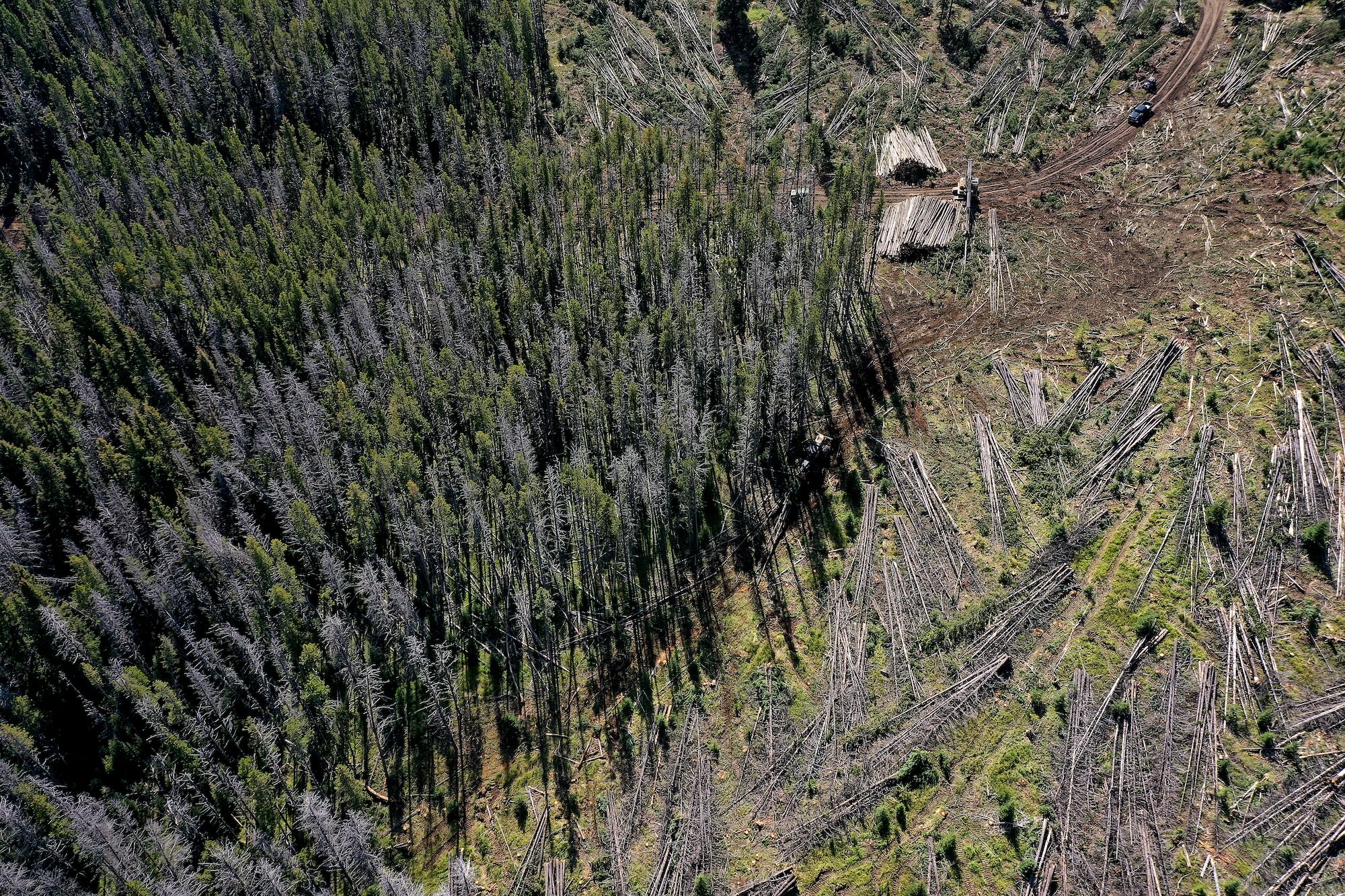
In Vermont’s Green Mountain National Forest, a recently logged area known as Homer Stone offers a stark preview of what could become widespread if the roadless rule is eliminated. Zack Porter, co-founder of Standing Trees, describes the logged area as a "moonscape." While the U.S. Forest Service labels certain areas for "early successional habitat creation"—a euphemism for logging—Porter argues this is a strategy to circumvent the spirit of the roadless rule.
The Green Mountain National Forest contains approximately 81,000 acres designated as roadless, but only about 25,000 acres are protected under the Clinton-era rule. The remaining 56,000 acres are not covered, and the Forest Service has already approved about 6,000 acres for logging. Porter contends that this situation serves as a harbinger of what could happen across the nation if the roadless rule is repealed. He asserts that the rule is one of the most effective tools for ensuring the ecological restoration of public lands.
While the Forest Service maintains that cutting mature trees can create young, fast-growing vegetation beneficial for certain wildlife, Porter argues that this approach leads to the loss of irreplaceable ecological benefits. The removal of old-growth forests diminishes habitat for endangered species like the American Marten and reduces the availability of fallen trees crucial for bats. Furthermore, increased runoff from denuded landscapes can exacerbate flooding issues. The logging in Homer Stone also proceeded with what Porter describes as a brief and superficial public comment period, leaving residents like Tracey Forest, who runs a silent retreat nearby, unaware of the impending operations.
The contrast between the logged Homer Stone area and the adjacent, protected roadless tracts is stark. On one side, stumps mark the absence of centuries-old trees; on the other, sturdy Vermont hardwoods stand, shielded by the 2001 rule. Porter emphasizes that the ease with which logging trucks could access these protected areas highlights the fragility of their current status and the critical importance of the roadless rule in safeguarding these invaluable natural resources for future generations. The debate over the future of these roadless areas underscores a fundamental conflict between resource extraction and conservation, with profound implications for America’s natural heritage and its role in combating climate change.