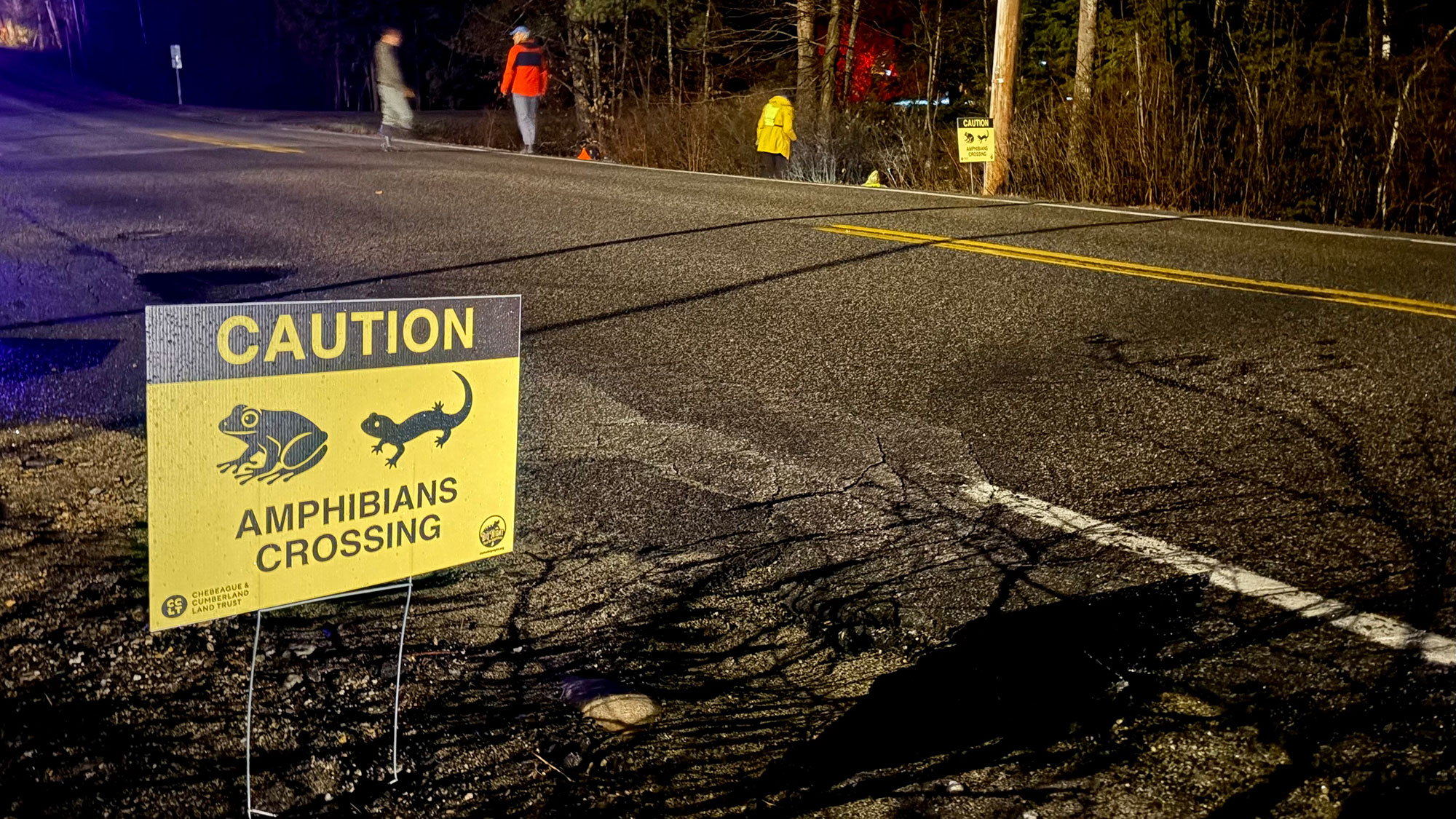
On a cool, damp Tuesday evening in April, under a sky threatening rain, a typically quiet stretch of road in Cumberland, Maine, became the stage for a remarkable natural phenomenon. What began as a subtle symphony of high-pitched chirps, reminiscent of newborn chicks, soon escalated into a chorus of hundreds of amphibians. As twilight deepened and the first raindrops began to patter on the asphalt, the sounds swelled to a resonant din. Vehicles pulled over to the shoulder, and a dedicated group of volunteers, clad in high-visibility vests and armed with powerful flashlights, fanned out across the road. Their voices, raised in a low murmur of excitement and coordination, created an atmosphere akin to a lively gathering, all focused on a singular, vital purpose: safeguarding the annual migration of frogs and salamanders.
Among the volunteers, a young girl in a bright yellow raincoat exclaimed, “I got a big one!” She carefully presented a yellow-spotted salamander, approximately nine inches in length, its slick body and tail resting gently on her gloved palm, for the admiring crowd of fellow participants to see. This scene, repeated in various forms across the state, is the essence of "Big Night," a crucial period in New England’s ecological calendar. Each year, on the first warm, wet night following the spring thaw, when the ground is sufficiently softened and temperatures are optimal, vast numbers of amphibians emerge from their woodland sanctuaries. They embark on a perilous journey, hopping and slithering along ancient pathways, drawn by an innate call to the vernal pools where they were born, their ancestral breeding grounds. The air fills with their collective vocalizations, a chorus that Penny Asherman, leader of the Chebeague and Cumberland Land Trust, interprets as a vital summons: “They’re calling to the ones that are still in the woods, telling them to come.”
For the past decade, "Big Night" has galvanized communities, drawing dozens of individuals who readily set aside their evening plans at a moment’s notice to assist these vulnerable creatures. However, the very predictability of this ancient migration is being disrupted by the escalating impacts of climate change. The timing of these amphibian awakenings is becoming increasingly erratic, the journeys themselves are growing more hazardous, and the essential vernal pools, their lifeblood, are under threat from altered precipitation patterns and rising temperatures. This environmental upheaval has transformed the role of these volunteers from mere crossing guards to citizen scientists, meticulously documenting amphibian emergence patterns and survival rates.
The Rise of Citizen Science in Amphibian Conservation
The initiative, coordinated by Maine Big Night, has evolved significantly. What began as a grassroots effort to ensure safe passage for migrating amphibians has matured into a sophisticated data-collection operation. This year, on April 14th, the effort saw an unprecedented level of participation, with over 1,200 observers cataloging observations at 650 migration sites across the state. This surge in volunteer engagement reflects a growing understanding of the critical role these data play in informing conservation strategies and influencing policy decisions.
Tim Kaijala, a veteran volunteer of seven years, participates annually with his children, Theo, 10, and Kai, 8. He notes the shift in focus: "The data side is pretty cool. When we first came, it was just bringing frogs and salamanders over, but the last couple years it’s been more about counting and keeping track.” This sentiment is echoed by many participants who have witnessed the program’s growth and its increasing scientific rigor. As Kaijala spoke, his children were engrossed in observing a wood frog they had helped across the road, its movements in the clear water a testament to their intervention. Kai, recalling a past event, nudged her brother, prompting him to share a poignant memory: “One time there was a car coming down, and I ran out and saved the peeper,” he recounted with solemnity. “I do not want any peepers to die. If I stepped on one, I would never forgive myself.” This personal commitment, shared by countless volunteers, fuels the collective effort.
Data-Driven Solutions Emerge from "Big Night" Observations
The data meticulously collected by Maine Big Night volunteers are not merely academic exercises; they are directly influencing tangible conservation actions. In Orono, identified as the state’s most ecologically diverse migration site, last year’s data revealed a stark reality: eight out of every ten amphibians attempting to cross the road were struck by vehicles. This alarming statistic prompted an immediate response. Maine Big Night collaborated with city officials, successfully securing a grant to implement innovative solutions. The project involved installing cameras to monitor amphibian traffic and constructing fencing designed to guide the animals towards an existing culvert beneath the road. This infrastructure upgrade represents a significant step forward in mitigating road mortality.
Furthermore, the volunteers’ observations have highlighted other environmental stressors. The increasing incidence of amphibians exhibiting edema, a symptom linked to road salt runoff, spurred advocacy for alternative deicing methods. Discussions have included the adoption of more environmentally friendly solutions, such as using brine solutions, often colloquially referred to as "pickle juice," to reduce the reliance on traditional road salts that leach into sensitive aquatic habitats.
Greg LeClair, the founder of Maine Big Night, recognized the critical need for empirical evidence to support amphibian conservation efforts. By day, LeClair serves as a municipal planning biologist for the Maine Department of Inland Fisheries and Wildlife. His personal passion for amphibians, nurtured since childhood, inspired him to establish the organization. He understood that robust data collection was paramount to enacting meaningful change, especially for species that often garner less public attention than more charismatic wildlife.
The Ecological Significance and Vulnerability of Amphibians
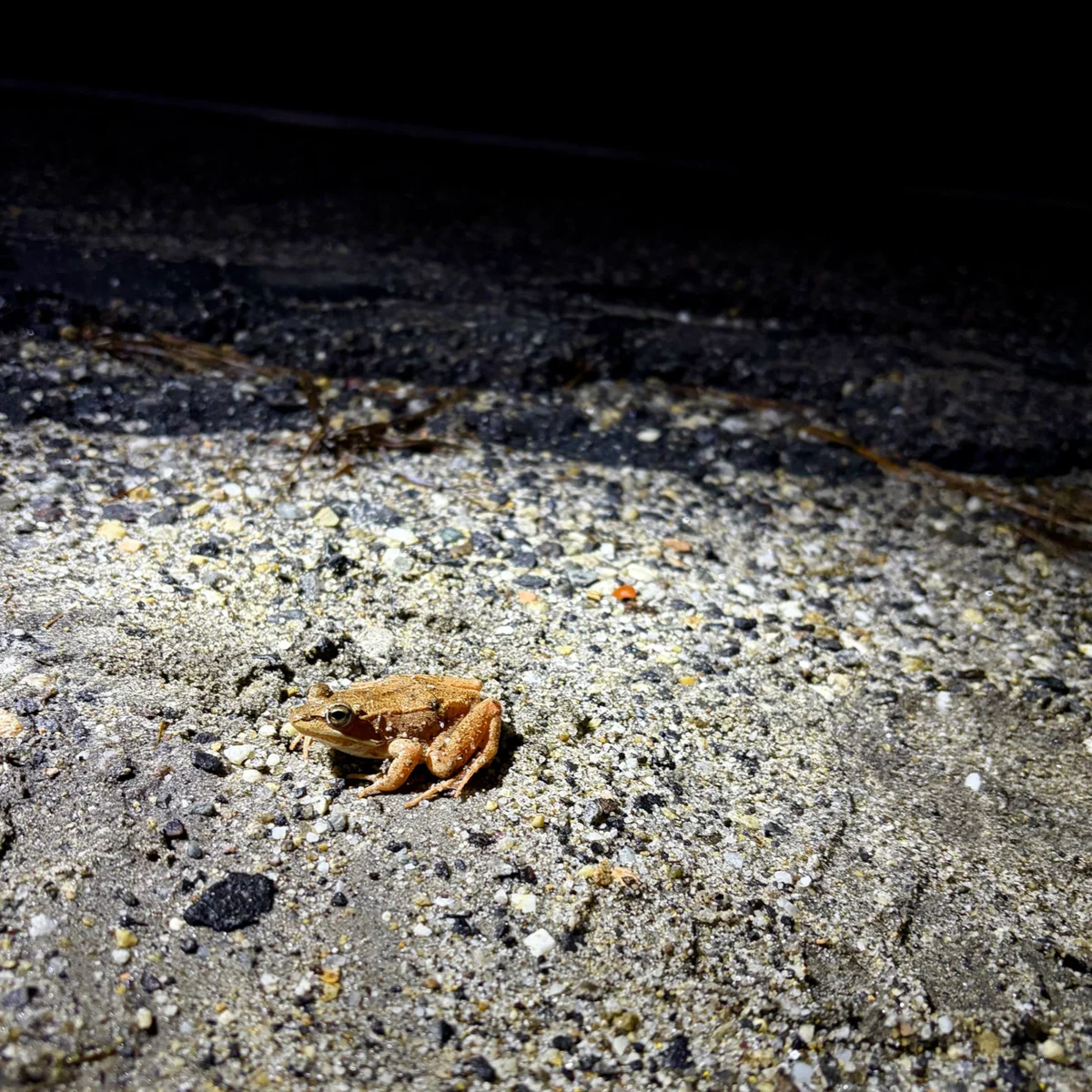
The amphibians that brave these nocturnal migrations are a vital component of New England’s intricate food web. Wood frogs, for instance, are palm-sized, with a distinctive dappled brown coloration and dark markings around their wide eyes. Spring peepers, though diminutive – no larger than a thumb – possess an extraordinary ability to camouflage themselves against the forest floor’s leaf litter, making them almost invisible until they unleash their surprisingly resonant calls. These calls, a vital part of their mating rituals, echo through the nocturnal landscape.
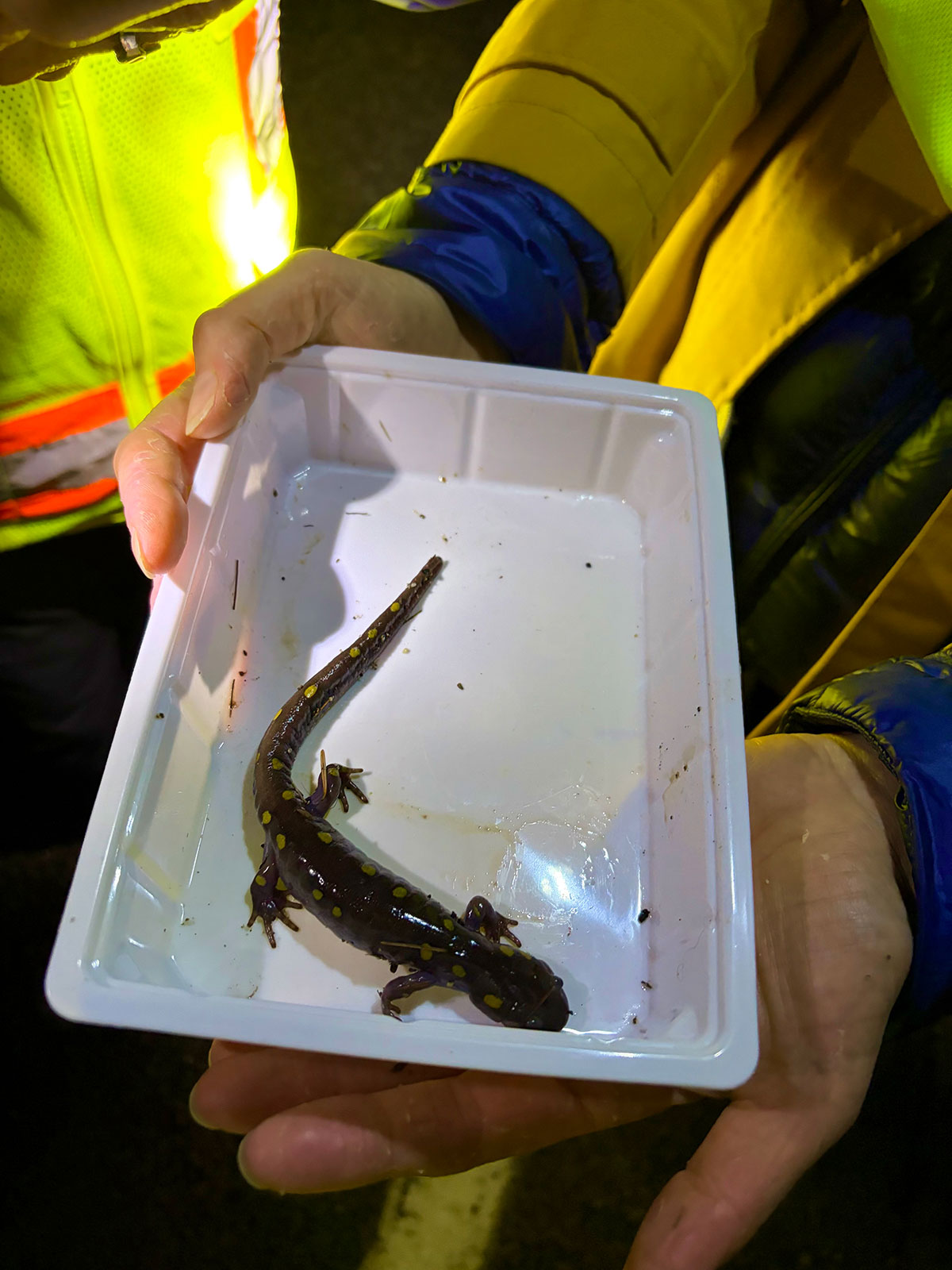
LeClair emphasizes the practical necessity of data in securing funding for conservation initiatives: "I knew that in order to make change, you needed data, especially when we’re talking about critters folks aren’t as keen on. Conserving land and installing culverts, two effective ways to protect the amphibians, aren’t cheap. Nobody will give you the money unless you have data. That money for infrastructure and conservation is not just floating around."
The challenge of collecting data on amphibian migration has historically been significant. These creatures spend most of the year concealed underground, and their small size and elusive nature make them difficult to track using conventional methods. Unlike collisions with larger animals like deer or moose, which often result in insurance claims and thus create data points, amphibian fatalities on roadways typically go unrecorded by official channels. This data gap has historically hindered conservation efforts, making it difficult to justify the allocation of resources for their protection.
Broader Implications: A Foundation for Ecosystem Health
The importance of amphibian conservation extends far beyond the fate of individual frogs and salamanders. These animals form a foundational element of the New England ecosystem, serving as a critical food source for a diverse array of predators, including owls, herons, foxes, and even moose. Sally Stockwell of Maine Audubon explains, “If you remove one piece of the puzzle or two, you don’t know which piece could kick the whole system out of whack. But there are huge trickle-down impacts when you lose the base of the food chain.” The disruption of this fundamental link in the food web can have cascading negative effects throughout the ecosystem.
Amphibians are also exceptionally vulnerable to the impacts of climate change. As ectotherms, they are unable to regulate their internal body temperature and depend on external moisture for movement and respiration. During winter, they burrow into the soil for insulation; however, dwindling snowpack due to warmer winters can leave them exposed and susceptible to freezing. Conversely, unseasonably warm winter days can tempt them out of hibernation, only for a subsequent freeze to prove fatal. Dry springs or sudden heatwaves can desiccate the vernal pools, imperiling entire generations before they can even hatch.
Adding to these climate-related challenges, fungi adapted to warmer, drier conditions are posing an increasing threat. The deadly chytrid fungus, which affixes to amphibians’ skin, impedes their respiratory functions, has been observed with greater frequency in recent years, further exacerbating their vulnerability.
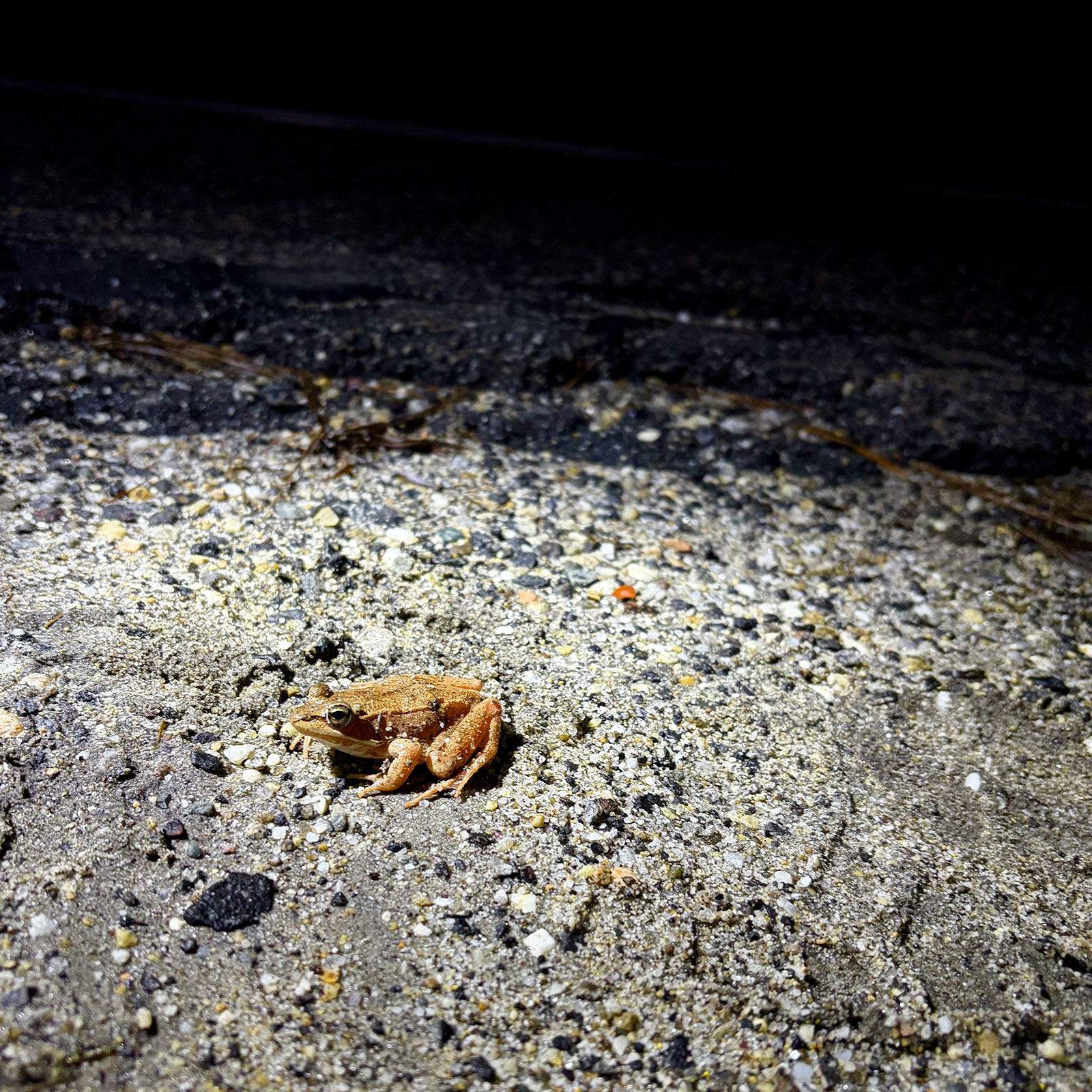
Despite these environmental pressures, human activities remain their most significant threat. Habitat destruction due to development and the ubiquitous presence of vehicles on roadways result in untold numbers of amphibian fatalities. This underscores the critical importance of the data being collected by citizen scientists. By illuminating these otherwise unseen losses, the data empowers conservationists to advocate for effective interventions. In Cumberland, for example, volunteers documented 10 species crossing the road this year, including over 100 spring peepers, 34 wood frogs, and 18 spotted salamanders, with only nine recorded fatalities. “Anything we can do to reduce mortality is a benefit,” emphasizes Stockwell.
A Night of Dedication and Hope
As the rainy April night unfolded, volunteers demonstrated unwavering dedication. Until nearly midnight, a diverse group – children and parents, college students, and retirees – patrolled the roads and adjacent woodlands. They meticulously recorded their observations on clipboards and carefully ferried amphibians to safety in containers. Moments of quiet observation punctuated their work, allowing them to witness the small, cold-blooded creatures stretch their limbs and navigate the terrain. Some paused at the surface of vernal pools, their calls – surprisingly loud and resonant – carrying into the night, a potent invitation to their kin still hidden within the forest depths. This collective endeavor, driven by a shared concern for these often-overlooked inhabitants of our natural world, represents a powerful fusion of community action and scientific inquiry, offering a beacon of hope for the future of amphibian populations in the face of mounting environmental challenges.