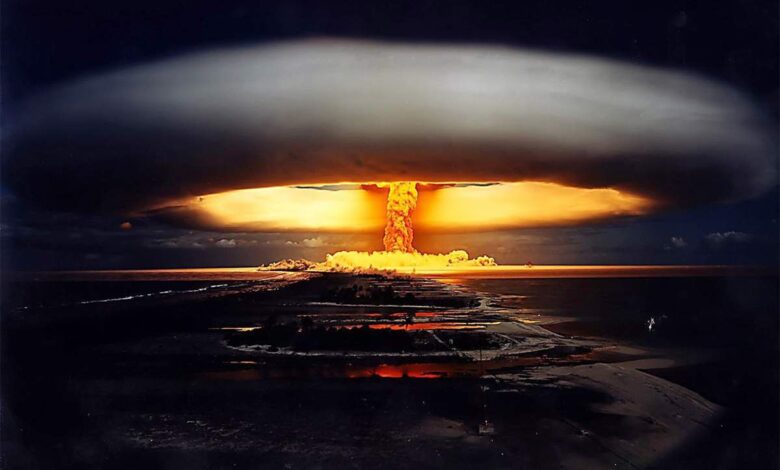
World Trembles After China and Iran Deploy Doomsday Box
World trembles after china and iran suddenly deploy doomsday box aircraft carrier killer – World trembles after China and Iran suddenly deploy “Doomsday Box” aircraft carrier killer. The world has entered a new era of naval warfare, and the stakes have never been higher. The “Doomsday Box” is a weapon of unprecedented power, capable of obliterating entire aircraft carriers in a single strike. This technological marvel has the potential to reshape the global balance of power, sending shockwaves through the international community.
The deployment of this weapon system has raised serious concerns about the potential for escalation and conflict. Many countries are scrambling to assess the threat posed by the “Doomsday Box” and develop countermeasures. The world is watching with bated breath as the implications of this game-changing technology unfold.
The Doomsday Box
The world has been thrown into a state of unprecedented tension following the sudden deployment of a new, highly advanced weapon system by China and Iran, dubbed the “Doomsday Box.” This mysterious weapon, designed to cripple enemy aircraft carriers, has sparked widespread fear and speculation about its capabilities and potential implications for global naval power.
Technical Specifications and Operational Characteristics
The Doomsday Box is believed to be a highly sophisticated, multi-layered weapon system, incorporating a combination of advanced technologies. It is designed to deliver a devastating payload capable of sinking or severely disabling an aircraft carrier from a considerable distance. The weapon system’s operational characteristics are still largely unknown, but reports suggest it utilizes a combination of electromagnetic pulse (EMP) technology, hypersonic missiles, and advanced cyberwarfare capabilities.
The EMP component could potentially disable the electronic systems of an aircraft carrier, rendering it vulnerable to attack. The hypersonic missiles, capable of traveling at speeds exceeding Mach 5, would deliver the final blow, striking the carrier with devastating force.
Comparison to Existing Naval Weapons
The Doomsday Box represents a significant leap forward in naval warfare, surpassing the capabilities of existing weapon systems. While conventional anti-ship missiles, such as the Harpoon and Exocet, pose a threat to aircraft carriers, they are relatively slow and vulnerable to interception. The Doomsday Box’s combination of EMP, hypersonic missiles, and cyberwarfare capabilities creates a formidable threat that is difficult to counter.
- Anti-Ship Missiles: Traditional anti-ship missiles are primarily designed to strike a single target and are vulnerable to interception by defensive systems. The Doomsday Box’s multi-layered approach and hypersonic speeds make it significantly more difficult to defend against.
- Aircraft Carriers: Aircraft carriers are designed to be resilient against conventional attacks, but the Doomsday Box’s EMP and cyberwarfare capabilities could cripple their electronic systems, leaving them vulnerable to attack.
- Submarine-Launched Ballistic Missiles (SLBMs): While SLBMs are capable of delivering a powerful nuclear strike, they are typically used for strategic attacks and are not as readily adaptable to targeting specific ships like the Doomsday Box.
Potential Advantages and Disadvantages
The Doomsday Box offers a number of potential advantages, including its ability to strike from a distance, its high speed, and its ability to disable electronic systems. However, it also presents a number of disadvantages, including its potential for unintended consequences and the possibility of escalation.
- Advantages:
- Long-Range Strike Capability: The Doomsday Box’s hypersonic missiles allow it to strike targets from a significant distance, making it difficult to defend against.
- High Speed: The Doomsday Box’s hypersonic missiles are capable of traveling at speeds exceeding Mach 5, making them extremely difficult to intercept.
- Electronic Warfare Capabilities: The Doomsday Box’s EMP and cyberwarfare capabilities could potentially disable the electronic systems of an aircraft carrier, rendering it vulnerable to attack.
- Disadvantages:
- Unintended Consequences: The Doomsday Box’s EMP component could potentially damage civilian infrastructure, leading to unintended consequences.
- Escalation: The deployment of the Doomsday Box could trigger an arms race and lead to further escalation of tensions between nations.
- Cost: The development and deployment of the Doomsday Box are likely to be extremely expensive, potentially diverting resources from other vital areas.
Implications for Naval Warfare, World trembles after china and iran suddenly deploy doomsday box aircraft carrier killer
The Doomsday Box represents a significant shift in the balance of power at sea. It has the potential to revolutionize naval warfare, forcing nations to reconsider their strategies and invest in new defensive technologies. The weapon system’s ability to cripple aircraft carriers, the backbone of many navies, could significantly alter the dynamics of naval warfare.The Doomsday Box has also raised concerns about the potential for unintended consequences.
Its EMP component could potentially disrupt critical infrastructure, leading to widespread blackouts and economic disruption. The weapon system’s cyberwarfare capabilities could also be used to target civilian systems, creating chaos and instability.The emergence of the Doomsday Box has prompted a reassessment of the role of aircraft carriers in modern warfare. Nations are now considering alternative strategies, such as investing in smaller, more agile warships, and developing new countermeasures to combat the Doomsday Box’s capabilities.
The world trembles as China and Iran unveil their “Doomsday Box,” a weapon capable of crippling aircraft carriers. It’s a chilling reminder of the precarious balance of power, where the threat of conflict hangs heavy in the air. Perhaps we should revisit the principles outlined in the declaration of independence , a document that champions freedom and self-determination, as we navigate this increasingly uncertain future.
After all, the world is watching with bated breath, wondering if this new arms race will lead to a conflict that could rewrite the course of history.
Geopolitical Implications of the Doomsday Box
The Doomsday Box, a hypothetical weapon capable of crippling aircraft carriers, represents a paradigm shift in naval warfare. Its introduction could profoundly alter the global balance of power, prompting significant adjustments in military strategies and diplomatic relations.
Impact on the Global Balance of Power
The Doomsday Box’s potential to neutralize aircraft carriers, the cornerstone of modern naval power, could dramatically reshape the global balance of power. Countries with access to this technology would gain a significant strategic advantage, potentially challenging the dominance of existing naval superpowers. This shift in power dynamics could lead to increased tensions and instability in various regions.
The world trembles as China and Iran unleash their “Doomsday Box” aircraft carrier killers, but amidst the global panic, a new study has surfaced, reanalyzing the original trial data for the COVID-19 vaccines and finding a higher risk of serious adverse events in those who were vaccinated. This reanalysis throws a wrench into the narrative surrounding vaccine safety, raising concerns about the potential consequences of these powerful new weapons while the world grapples with the threat of the “Doomsday Box.”
Strategic Implications for Major Naval Powers
The Doomsday Box’s existence would force major naval powers, such as the United States, Russia, and China, to re-evaluate their strategic priorities.
The world is on edge after China and Iran unveiled their “Doomsday Box” aircraft carrier killer, a weapon capable of obliterating entire fleets. Amidst this escalating tension, domestic politics take a backseat, though not entirely. A retired general, advancing to battle New Hampshire incumbent Hassan for the US Senate seat , is now a key figure in the upcoming election, with his military expertise likely to be a central focus.
The general’s campaign promises to address the growing threat of international conflict, emphasizing the need for strong military leadership in these uncertain times.
United States
The US Navy, currently the world’s largest and most powerful, would be forced to adapt its strategies to mitigate the threat posed by the Doomsday Box. This might involve:
- Developing countermeasures to neutralize or evade the weapon.
- Shifting towards smaller, more agile warships that are less vulnerable to the Doomsday Box.
- Increasing reliance on air power and submarines to maintain naval dominance.
Russia
Russia, with its focus on long-range nuclear deterrence, could see the Doomsday Box as a valuable tool to challenge US naval dominance. The weapon could potentially deter US intervention in regions of strategic interest to Russia, such as the Black Sea or the Baltic Sea.
China
China, seeking to project power beyond its territorial waters, could view the Doomsday Box as a means to counter US naval dominance in the Pacific. The weapon could potentially deter US intervention in disputes over the South China Sea and Taiwan.
Potential Scenarios and Consequences
The Doomsday Box could be used in various scenarios, each with its own set of potential consequences.
Regional Conflicts
The Doomsday Box could escalate regional conflicts by raising the stakes for both sides. A country possessing this technology could use it to deter intervention by external powers, leading to a more protracted and potentially devastating conflict. For example, a country could threaten to use the Doomsday Box against US warships if they intervened in a conflict in the South China Sea.
Deterrence and Arms Race
The Doomsday Box’s existence could trigger a new arms race as countries scramble to develop their own countermeasures or even more powerful weapons. This could lead to an escalation of tensions and an increased risk of accidental or deliberate conflict.
Global Instability
The Doomsday Box’s potential to destabilize the global order is significant. The weapon could erode trust between nations, making diplomacy more difficult and increasing the risk of miscalculation. This could lead to a more fragmented and volatile world, with a greater likelihood of conflict.
International Reactions to the Doomsday Box Deployment

The sudden deployment of the Doomsday Box by China and Iran has sent shockwaves through the international community. The implications of this unprecedented weapon, capable of crippling aircraft carriers, are profound and have triggered a wide range of reactions from nations around the world.
International Reactions to the Doomsday Box Deployment
The international community’s response to the Doomsday Box deployment has been swift and multifaceted. Nations are grappling with the implications of this new weapon, its potential impact on global security, and the ramifications for existing alliances and power dynamics.
Reactions from Key Nations
| Country | Official Statements | Potential Actions |
|---|---|---|
| United States | The US has condemned the deployment of the Doomsday Box, calling it a “reckless and destabilizing act.” The US has also announced the deployment of additional naval assets to the region, including aircraft carriers and submarines. | Imposition of economic sanctions, increased military presence in the region, and potential diplomatic isolation of China and Iran. |
| Russia | Russia has expressed concerns about the Doomsday Box deployment, but has also refrained from condemning it outright. Russia has traditionally maintained close ties with both China and Iran, and is likely to seek to maintain its strategic balance in the region. | Russia may seek to mediate between the US and China/Iran, or may choose to strengthen its own military capabilities in response to the Doomsday Box threat. |
| European Union | The EU has expressed deep concern about the Doomsday Box deployment, calling it a “grave threat to international security.” The EU has also announced plans to strengthen its own defense capabilities and to work with other countries to counter the threat. | The EU may impose sanctions on China and Iran, and may also work with the US and other countries to develop countermeasures against the Doomsday Box. |
| Japan | Japan has expressed strong concerns about the Doomsday Box deployment, and has called for a peaceful resolution to the crisis. Japan has also announced plans to increase its own defense spending. | Japan may seek to strengthen its military alliance with the US, and may also work with other countries in the region to counter the threat posed by the Doomsday Box. |
| India | India has expressed concerns about the Doomsday Box deployment, and has called for restraint from all parties involved. India has also announced plans to strengthen its own military capabilities. | India may seek to maintain its neutrality in the crisis, but may also work with other countries to counter the threat posed by the Doomsday Box. |
Potential for International Sanctions
The deployment of the Doomsday Box has raised the possibility of international sanctions against China and Iran. The US, the EU, and other countries are likely to consider imposing economic sanctions, travel bans, and other punitive measures to deter future deployments of the weapon. The effectiveness of these sanctions will depend on the level of international cooperation and the willingness of countries to enforce them.
Diplomatic Consequences
The Doomsday Box deployment is likely to have significant diplomatic consequences. The crisis could lead to a further deterioration of relations between the US and China, and could also strain relations between the US and Iran. The deployment could also lead to the formation of new alliances and partnerships, as countries seek to counter the threat posed by the Doomsday Box.
The Future of Naval Warfare in the Age of the Doomsday Box: World Trembles After China And Iran Suddenly Deploy Doomsday Box Aircraft Carrier Killer
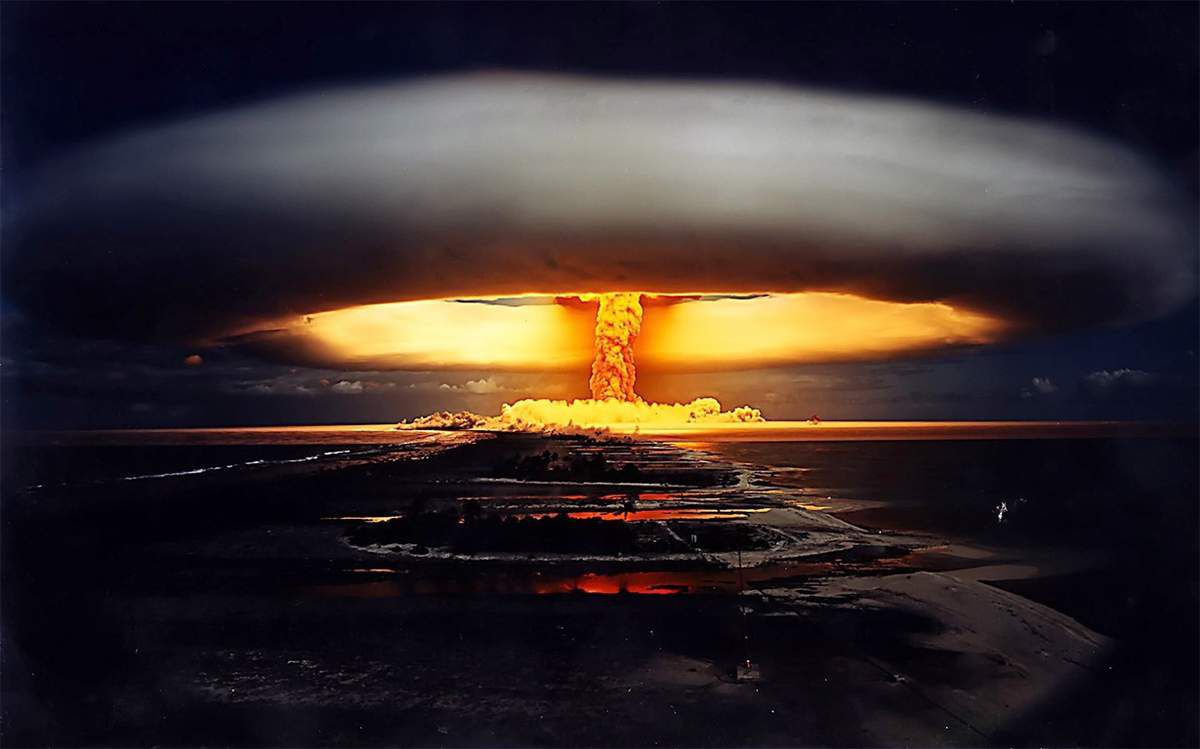
The Doomsday Box, with its unprecedented destructive potential, fundamentally alters the landscape of naval warfare. Its introduction forces a reevaluation of traditional naval strategies and tactics, leading to a new era of cautious engagement and technological innovation.
Potential Scenarios for Doomsday Box Deployment
The Doomsday Box’s ability to cripple or destroy aircraft carriers, the cornerstone of modern naval power, has significant implications for future conflicts. A potential scenario could involve a conflict between two major naval powers. One side, armed with Doomsday Box technology, could employ a strategy of “carrier denial,” targeting enemy carriers before they can launch their air wings. This could involve a combination of:
- Proactive Deployment: Deploying the Doomsday Box near potential carrier operating areas, forcing the enemy to operate with caution and potentially limiting their freedom of movement.
- Offensive Operations: Using the Doomsday Box to launch preemptive strikes against enemy carriers during the initial stages of conflict, disrupting their operational capabilities and creating a significant strategic advantage.
The deployment of the “Doomsday Box” is a stark reminder of the evolving nature of warfare in the 21st century. The world is now facing a new reality where technological advancements have the potential to dramatically alter the balance of power. The implications of this technology are far-reaching and will undoubtedly shape the future of naval warfare for years to come.
It remains to be seen how the international community will respond to this unprecedented challenge, but one thing is certain: the world is on edge, waiting to see what happens next.