US Sanctions Irans Space Program for First Time Over Missile Work
Us sanctions irans space program for first time over ballistic missile work – US sanctions Iran’s space program for the first time over ballistic missile work, marking a significant escalation in tensions between the two nations. This move comes amidst ongoing concerns about Iran’s nuclear program and its potential to weaponize space technology. The sanctions target Iran’s space agency, targeting its research, development, and launch capabilities. This action underscores the international community’s growing anxieties over Iran’s space program and its potential dual-use applications.
The sanctions are a direct response to Iran’s recent ballistic missile tests, which are seen as a violation of UN Security Council resolutions. The US and its allies argue that these tests are a clear indication of Iran’s intent to develop long-range missiles capable of striking targets in the region and beyond. The sanctions aim to pressure Iran to abandon its ballistic missile program and comply with international norms.
Ballistic Missile Technology and its Connection to Space Programs
The recent sanctions imposed on Iran’s space program highlight the complex relationship between ballistic missile technology and space launch vehicles. While these technologies are often viewed as distinct, there are significant technical overlaps and potential for dual-use applications. This raises concerns about the proliferation of ballistic missile technology and its implications for international security.
The US has imposed sanctions on Iran’s space program for the first time, citing concerns over its ballistic missile work. This move comes amid heightened tensions between the two nations, and it’s a clear signal that the US is taking a hard line against Iran’s activities. Meanwhile, back in the US, a retired general is retired general advances to battle new hampshire incumbent hassan for us senate seat , adding another layer of complexity to the already volatile political landscape.
It remains to be seen how these sanctions will impact Iran’s space program, but one thing is clear: the US is determined to prevent Iran from developing weapons of mass destruction.
Technical Relationship between Ballistic Missile Technology and Space Launch Vehicles, Us sanctions irans space program for first time over ballistic missile work
Ballistic missiles and space launch vehicles share fundamental technological similarities. Both utilize rocket propulsion systems to launch payloads into the atmosphere. The primary difference lies in their intended trajectories and payloads. Ballistic missiles are designed to follow a ballistic trajectory, reaching a high altitude before descending towards a target on Earth. In contrast, space launch vehicles are designed to place payloads into orbit around Earth or beyond.The key technologies shared by both systems include:
- Rocket engines: Both ballistic missiles and space launch vehicles rely on powerful rocket engines to generate thrust. These engines typically use solid or liquid propellants to produce combustion and generate thrust.
- Guidance systems: Accurate guidance systems are essential for both ballistic missiles and space launch vehicles. These systems use inertial navigation, GPS, or other technologies to ensure the vehicle follows its intended trajectory.
- Payload design: Both systems require sophisticated payload design to ensure the safe and reliable delivery of their respective payloads. For ballistic missiles, the payload typically consists of a warhead, while space launch vehicles carry satellites, probes, or other scientific instruments.
Dual-Use Technologies
The technological overlap between ballistic missile technology and space launch vehicles raises concerns about the potential for dual-use technologies. This refers to technologies that can be used for both civilian and military purposes. For example, a rocket engine developed for a space launch vehicle could potentially be adapted for use in a ballistic missile.The dual-use nature of these technologies makes it difficult to distinguish between legitimate space programs and those that could be used to develop weapons of mass destruction.
This ambiguity can create challenges for international arms control efforts and increase the risk of proliferation.
The US has imposed sanctions on Iran’s space program for the first time, citing its work on ballistic missiles. This move comes amidst a flurry of political activity, with an appeals court allowing congressional candidates to challenge California’s election laws. While these two events might seem unrelated, they both highlight the ongoing tension between international relations and domestic political landscapes.
Examples of Countries Using Ballistic Missile Technology for Space Exploration
Several countries have successfully used ballistic missile technology as a foundation for their space programs. Notably, North Korea has been accused of using its ballistic missile program to develop its space launch capabilities. The country’s long-range ballistic missiles share significant technological similarities with its space launch vehicles, highlighting the potential for dual-use applications.Another example is China, which has used its ballistic missile technology to develop its space launch capabilities.
China’s Long March series of launch vehicles, which are used to launch satellites and other payloads into orbit, are based on technologies developed for its ballistic missile program.
International Concerns and Responses
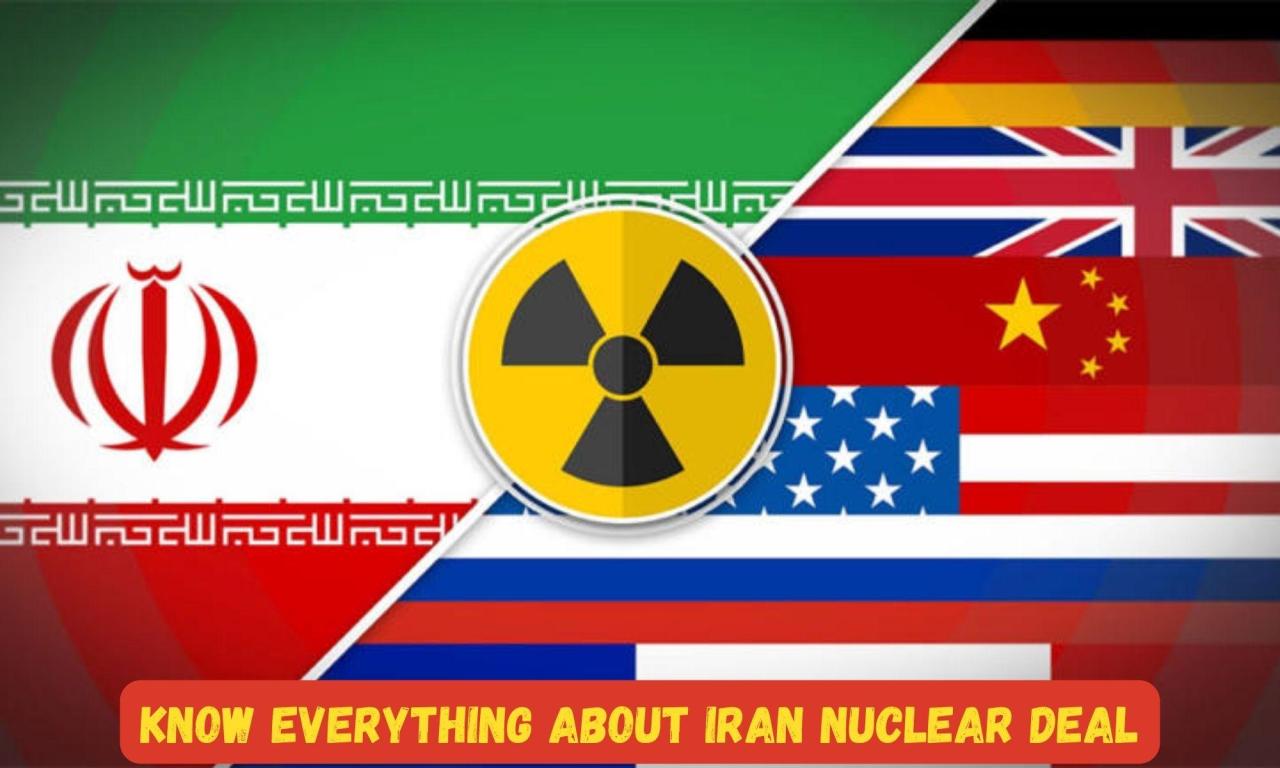
The international community has expressed deep concern over Iran’s ballistic missile program, viewing it as a threat to regional and global security. This concern stems from the potential for these missiles to be used to deliver weapons of mass destruction, as well as the program’s destabilizing impact on the Middle East.
The US sanctions on Iran’s space program for its ballistic missile work are a reminder that international tensions can flare up unexpectedly. While the world grapples with this news, a completely different kind of drama unfolded at Mar-a-Lago, where police responded to a trespassing call, leading to a security sweep by the Secret Service. police respond to trespassing call at trumps mar a lago secret service performs sweep It’s a stark contrast to the global implications of Iran’s space program, yet both events highlight the ever-present need for security and vigilance in a complex world.
Potential for Weaponization of Space Technology
The international community is particularly concerned about the potential for Iran to weaponize its space technology. While Iran claims its space program is purely for peaceful purposes, there are significant concerns that its development of long-range ballistic missiles, which are essential for launching satellites, could be adapted for military purposes.
- Dual-Use Technology: The technology used for launching satellites can be easily adapted for military purposes. For example, the same engines used to propel rockets into space can be used to develop long-range ballistic missiles capable of carrying nuclear warheads.
- Military Applications: The development of advanced space technology, such as reconnaissance satellites and space-based communication systems, could enhance Iran’s military capabilities and provide it with a significant strategic advantage.
- Threat to Regional Security: Iran’s ballistic missile program is seen as a threat to regional security, as it gives Iran the ability to strike targets across the Middle East. This has led to concerns about a potential arms race in the region.
Past International Sanctions
The international community has imposed a number of sanctions on Iran in response to its ballistic missile program. These sanctions have targeted individuals and entities involved in the program, as well as the supply of technology and materials used in missile development. Some examples of past sanctions include:
- UN Security Council Resolutions: The UN Security Council has passed a number of resolutions calling for Iran to halt its ballistic missile program. These resolutions have imposed sanctions on Iran, including limitations on its access to certain technologies and materials.
- US Sanctions: The United States has imposed a number of sanctions on Iran, including those targeting individuals and entities involved in the ballistic missile program. These sanctions have also restricted Iran’s access to financial markets and technology.
- EU Sanctions: The European Union has also imposed sanctions on Iran, targeting individuals and entities involved in the ballistic missile program. These sanctions have included travel bans and asset freezes.
The Impact of Sanctions on Iran’s Space Program
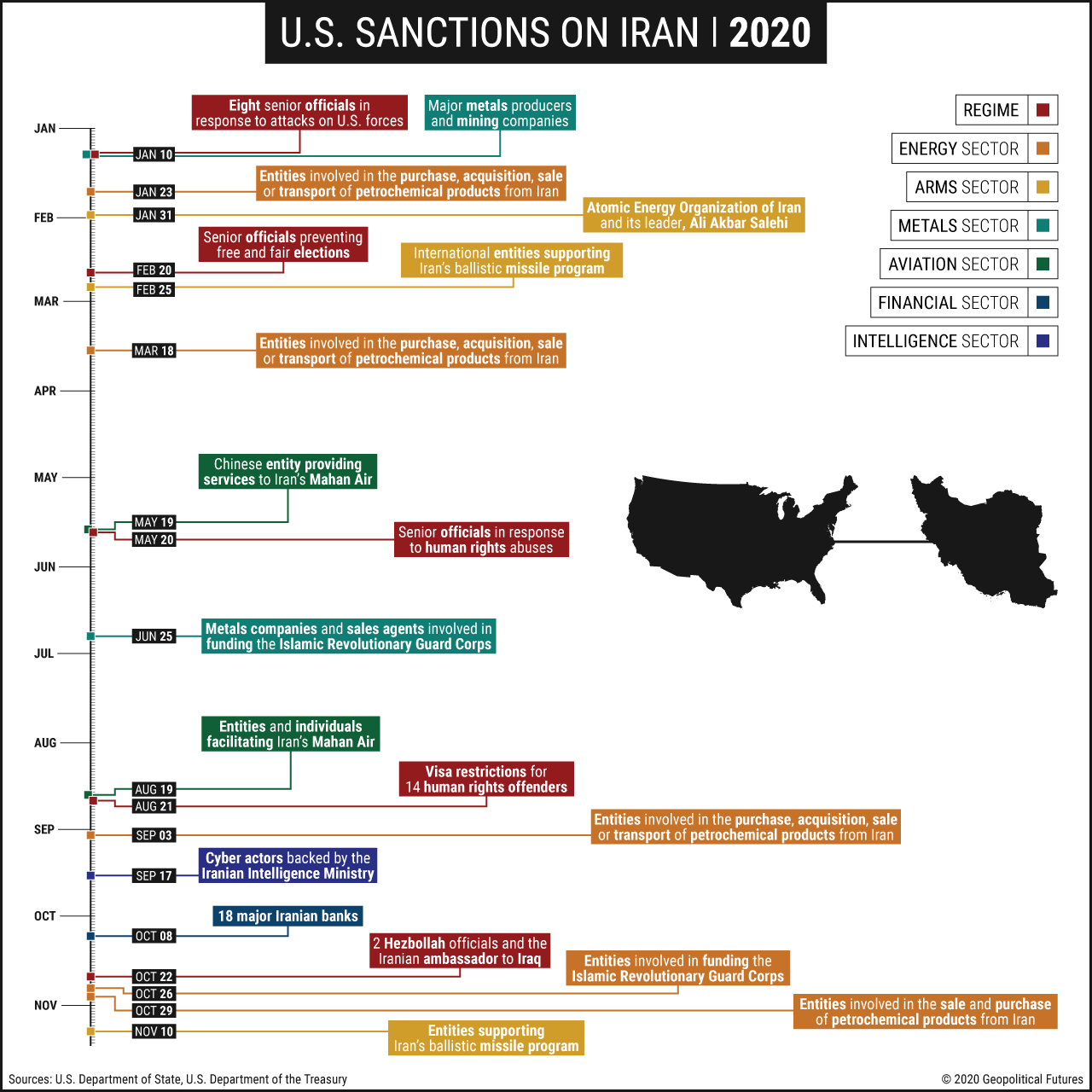
The imposition of sanctions on Iran’s space program, specifically targeting its ballistic missile work, carries significant implications for the nation’s ambitions in space exploration. These sanctions aim to hinder Iran’s ability to develop and launch rockets, potentially impacting its research, development, and overall space program capabilities.
Economic and Technological Consequences
The sanctions are expected to have a considerable impact on Iran’s space program by restricting its access to crucial technologies, materials, and financial resources. These restrictions could significantly hamper Iran’s ability to:
- Acquire advanced components: Sanctions may restrict Iran’s access to high-tech components like engines, guidance systems, and sensors, which are essential for building powerful and reliable rockets. This could force Iran to rely on less advanced or domestically produced alternatives, potentially impacting the performance and reliability of its space vehicles.
- Secure funding: Sanctions can limit Iran’s access to international financial markets, making it challenging to secure funding for its space program. This could force Iran to divert resources from other sectors, potentially hindering its overall economic development.
- Collaborate with international partners: Sanctions could restrict Iran’s ability to engage in international collaborations in space research and development. This could isolate Iran’s space program and hinder its access to valuable knowledge and expertise.
These economic and technological constraints could ultimately slow down Iran’s space program, impacting its ability to launch satellites, conduct scientific experiments, and explore the cosmos.
Potential Circumvention Strategies
Despite the sanctions, Iran may attempt to circumvent them by:
- Developing domestic capabilities: Iran could prioritize the development of its own domestic space industry, focusing on producing components and technologies locally. However, this approach could be time-consuming and resource-intensive, potentially delaying its space program progress.
- Seeking alternative sources: Iran might seek to acquire necessary technologies and materials from other countries that are not subject to sanctions. However, this could prove challenging due to international pressure and potential legal ramifications.
- Utilizing black markets: Iran could resort to using black markets to acquire prohibited technologies and components. This approach is risky and could expose Iran to legal repercussions and potentially compromise the security and reliability of its space program.
The effectiveness of these strategies remains to be seen. The sanctions are likely to impose significant challenges on Iran’s space program, potentially delaying its progress and ambitions in space exploration.
Future Implications and Potential Outcomes: Us Sanctions Irans Space Program For First Time Over Ballistic Missile Work
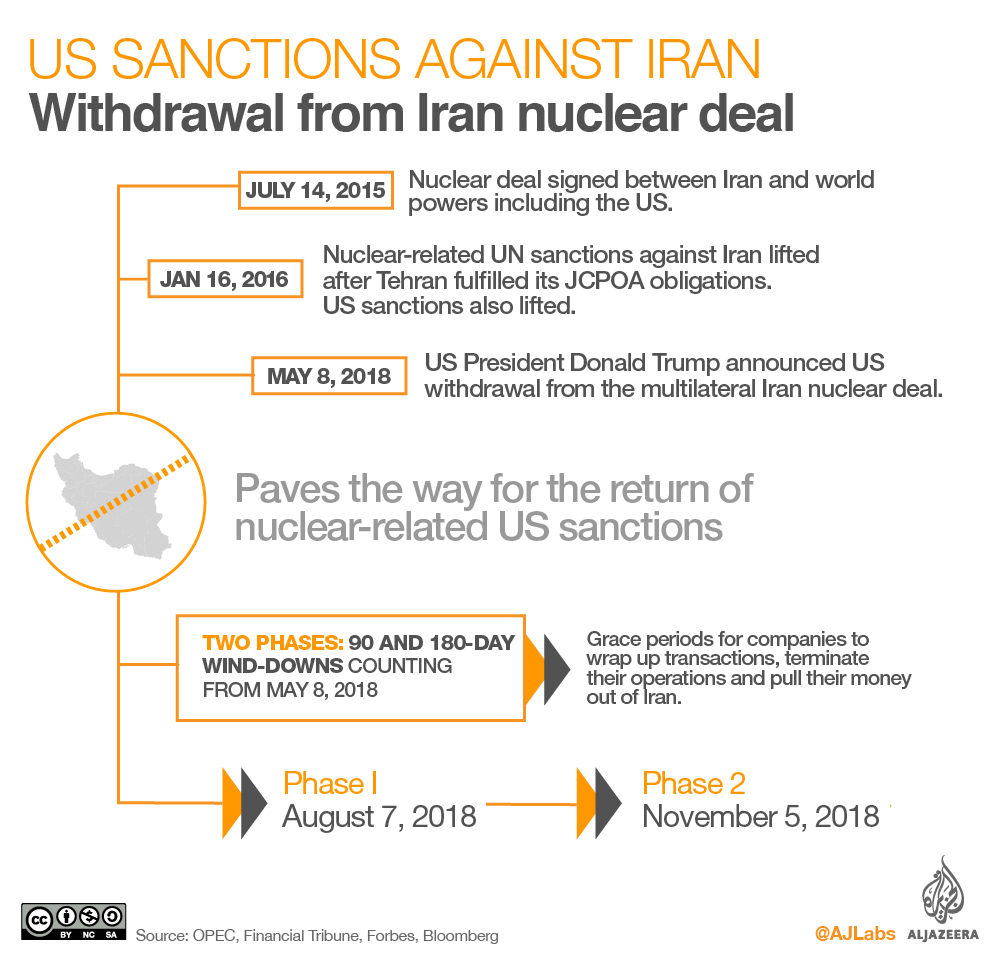
The sanctions imposed on Iran’s space program are a significant development with potential implications for the future of the country’s space ambitions and its broader relationship with the international community. The impact of these sanctions will depend on a complex interplay of factors, including Iran’s response, the effectiveness of the sanctions, and the broader geopolitical context.
Potential Impact on Iran’s Space Program
The sanctions are likely to have a significant impact on Iran’s space program, which relies heavily on foreign technology and components. The sanctions could:
- Hinder Iran’s ability to acquire advanced technologies and components necessary for its space program.
- Restrict Iran’s access to international collaboration and partnerships, potentially slowing down the pace of its space program development.
- Force Iran to focus on developing its own indigenous technologies, which could take time and resources.
Potential Influence on Iran’s Nuclear Program
The sanctions on Iran’s space program could have indirect implications for its nuclear program. The sanctions could:
- Signal a hardening of the international stance against Iran’s activities, potentially strengthening the pressure on Iran to comply with international nuclear agreements.
- Restrict Iran’s access to certain technologies and materials that could be used in both its space and nuclear programs.
- Encourage Iran to prioritize its nuclear program over its space program, given the greater potential for sanctions and international scrutiny in the nuclear realm.
Potential for Diplomatic Resolution
While the sanctions represent a significant escalation of tensions, there remains a possibility for a diplomatic resolution. The sanctions could:
- Serve as a catalyst for negotiations, with Iran potentially agreeing to curtail its ballistic missile program in exchange for the lifting of sanctions.
- Provide a platform for international dialogue and engagement, potentially leading to a broader understanding of Iran’s concerns and motivations.
- Encourage Iran to re-engage with the international community and seek a more constructive relationship.
The implications of these sanctions on Iran’s space program remain to be seen. While the sanctions could significantly hamper Iran’s space ambitions, the country may seek to circumvent them through various means. This event highlights the complex and multifaceted nature of the relationship between space exploration and national security. As the world watches, the future of Iran’s space program hangs in the balance, with potential consequences for regional stability and global security.