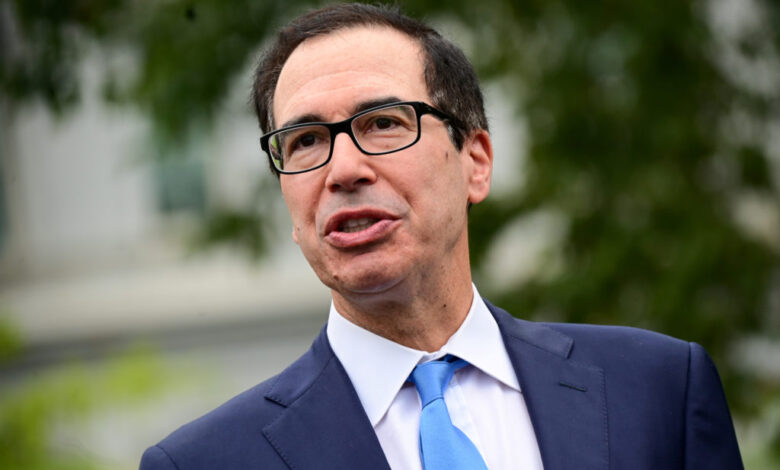
Trump Administration Seeks Fannie Mae, Freddie Mac Overhaul
Trump administration seeks to overhaul fannie mae freddie mac – Trump administration seeks to overhaul Fannie Mae and Freddie Mac – a bold move that sent ripples through the housing market. This wasn’t just another policy tweak; it was a potential game-changer impacting everything from mortgage rates to homeownership dreams. The proposed changes aimed to reshape the role of these government-sponsored enterprises (GSEs), sparking intense debate among policymakers, industry experts, and everyday homeowners.
What were these proposals, and how might they have altered the landscape of the American housing market? Let’s dive in.
The Trump administration’s plan involved a significant shift away from the GSEs’ existing structure. Specific proposals included reducing their role in the mortgage market, potentially leading to less government involvement in the housing sector. This move was argued to increase efficiency and reduce risk, but critics worried about the potential negative impact on affordability and access to credit for certain groups.
The debate highlighted a fundamental tension between the desire for a more efficient housing market and the need to ensure affordable housing for all.
The Trump Administration’s Proposed Changes: Trump Administration Seeks To Overhaul Fannie Mae Freddie Mac
The Trump administration’s approach to Fannie Mae and Freddie Mac aimed at significantly altering their role in the US housing market. These government-sponsored enterprises (GSEs) had been under conservatorship since 2008 following the financial crisis, and the administration sought to return them to private ownership while mitigating future risks. The proposals were met with considerable debate and ultimately did not fully materialize during the Trump presidency.
Specific Proposals for Fannie Mae and Freddie Mac
The Trump administration’s proposals centered on reducing the government’s role in the housing market and limiting the GSEs’ implicit guarantee. Specific plans included reducing the GSEs’ market share, potentially through increased competition from private lenders. Another key aspect was exploring different capital requirements, potentially increasing them to reduce systemic risk. The administration also considered restructuring the GSEs’ business models to limit their exposure to potential losses.
Remember the Trump administration’s attempts to overhaul Fannie Mae and Freddie Mac? It was a huge deal, impacting the housing market significantly. The sheer scale of government intervention made me think about the massive fraud uncovered later, as reported in this shocking article: criminals spent covid 19 unemployment benefits on drugs weapons department of labor oig.
The mismanagement of Covid relief funds highlights how easily large sums of money can be misused, making the proposed Fannie Mae and Freddie Mac changes even more concerning in hindsight.
These proposals aimed to foster a more market-driven housing finance system. Official statements from Treasury Secretary Steven Mnuchin emphasized the need for a more sustainable and less risky housing finance system, advocating for a gradual reduction of the government’s role in guaranteeing mortgages. Reports from the Treasury Department Artikeld the potential risks associated with the current system and proposed various methods to mitigate them, including the aforementioned changes to capital requirements and market share.
Remember the Trump administration’s attempts to overhaul Fannie Mae and Freddie Mac? It was a huge deal, and while that drama unfolded, completely unrelated but equally captivating news broke: senators shared documents with prosecutors investigating Hunter Biden, as reported here: senators share documents with prosecutors probing hunter biden. The sheer volume of political maneuvering surrounding both events makes you wonder what else is happening behind closed doors.
The proposed Fannie Mae and Freddie Mac changes definitely had their own set of controversies.
Rationale Behind the Proposed Changes
The rationale for the Trump administration’s proposed changes stemmed from concerns about the systemic risk posed by the GSEs’ implicit government guarantee. This guarantee, although not explicitly stated, encouraged lenders to take on more risk, leading to concerns about a potential future bailout. The administration argued that the current system created moral hazard and distorted market signals. The goal was to create a more competitive and stable housing finance system that was less reliant on government support.
This would, in theory, reduce taxpayer risk and encourage greater private sector involvement in mortgage lending. Furthermore, the administration believed that a reduced government role would lead to greater efficiency and innovation in the housing market.
Comparison with Previous Reform Attempts
The Trump administration’s proposals differed from previous reform attempts in their emphasis on a quicker and more significant reduction of the government’s role. Previous administrations had explored various options, including outright privatization, but had faced significant challenges due to the complexity of the GSEs’ operations and the potential disruption to the housing market. The Trump administration’s approach was more aggressive, aiming for a more rapid transition to a private-sector-dominated housing finance system.
This contrasted with previous, more incremental approaches that focused on gradual reform and risk mitigation.
Remember the Trump administration’s attempts to overhaul Fannie Mae and Freddie Mac? It was a pretty wild ride, and the political climate surrounding it was intense. The whole thing felt even more charged considering Senator Graham’s warning, as reported here: lindsey graham warns there will be riots if trump is prosecuted , which made the already turbulent housing policy debates even more unpredictable.
Ultimately, the proposed changes to Fannie and Freddie never fully materialized, leaving a lingering question mark on the future of the housing market.
Summary of Proposed Changes
| Proposed Change | Rationale | Potential Impact | Status |
|---|---|---|---|
| Reduce GSE market share | Increase competition, reduce systemic risk | Increased mortgage rates for some borrowers, greater private sector involvement | Failed |
| Increase capital requirements | Reduce systemic risk, improve financial stability | Higher mortgage rates, potentially reduced lending | Pending/Partially Implemented (through regulatory changes) |
| Restructure GSE business models | Limit exposure to losses, improve efficiency | Improved financial stability, potentially reduced lending | Pending |
| Explore alternative housing finance models | Reduce reliance on GSEs, increase competition | Increased diversity in the mortgage market, potential for innovation | Ongoing |
Impact on the Housing Market
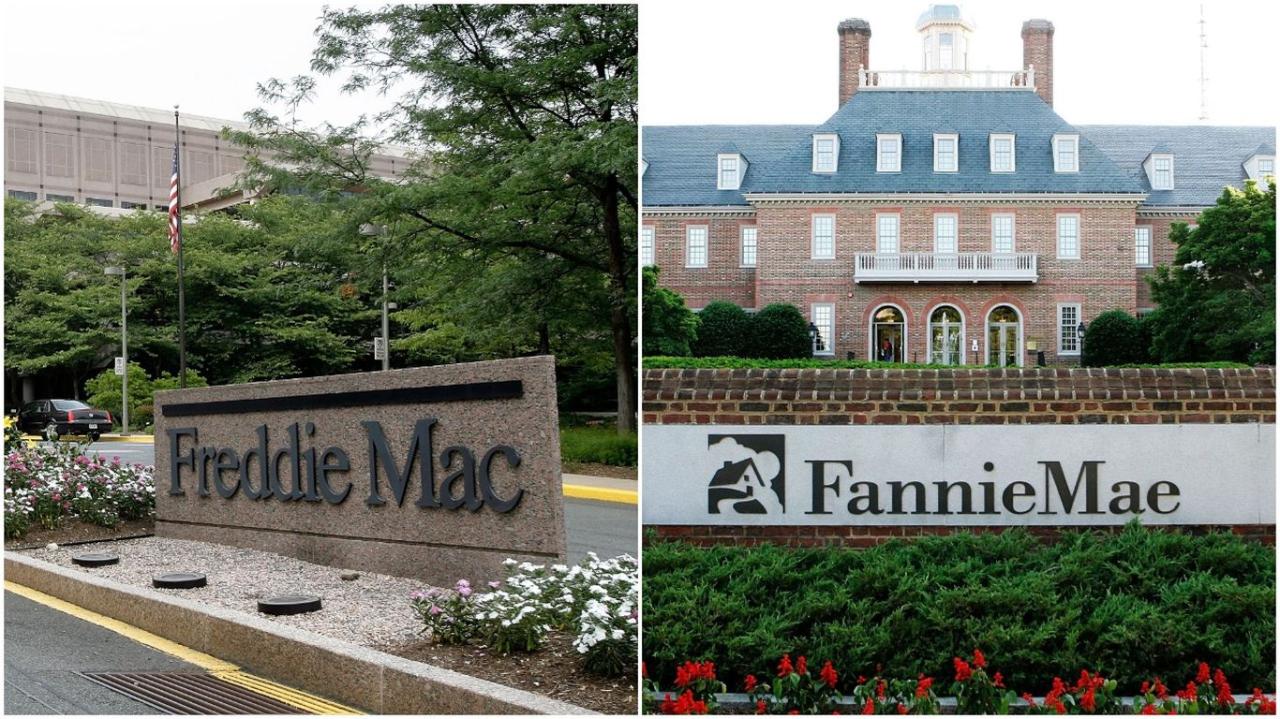
The Trump administration’s proposed changes to Fannie Mae and Freddie Mac, the government-sponsored enterprises (GSEs) that underwrite most US mortgages, had the potential to significantly reshape the housing market. While the proposals ultimately didn’t fully materialize in the way initially envisioned, analyzing their potential impact provides valuable insight into the complexities of the housing finance system. The core of the proposed changes revolved around reducing the GSEs’ role and potentially increasing risk in the private sector.
This had profound implications for home prices, mortgage rates, and accessibility for various segments of the population.The potential short-term effects of these proposals were largely uncertain and depended heavily on how smoothly the transition to a less government-backed system would occur. A rapid shift could have led to increased volatility in home prices, potentially causing a decline in some areas as lenders became more risk-averse and tightened lending standards.
Conversely, a more gradual transition might have resulted in a less dramatic impact. Long-term, the impact hinged on whether the private sector could effectively fill the void left by a reduced GSE presence. If private lenders proved unwilling or unable to provide the same level of mortgage support, particularly to lower-income borrowers, home prices could have stagnated or even declined.
Potential Impact on Mortgage Rates and Availability
Reduced government backing for mortgages could have increased the risk for lenders. To compensate for this increased risk, lenders might have raised mortgage interest rates, making homeownership less affordable for many. This effect would have been particularly pronounced for borrowers with less-than-perfect credit scores or smaller down payments. Moreover, the availability of mortgages could have decreased, as lenders become more selective in who they lend to.
This could have resulted in a tighter housing market, potentially slowing down the rate of home sales. For example, imagine a scenario where a major lender, concerned about potential losses under a less regulated system, reduces its lending capacity by 15%. This reduction alone could significantly impact the number of mortgages available in a given market.
Consequences for Different Segments of the Housing Market
First-time homebuyers, often relying on government-backed loans, would have been among the hardest hit. Higher interest rates and stricter lending standards would have made it even more difficult for them to afford a home. Similarly, low-income borrowers, already facing challenges accessing affordable housing, would have faced even greater hurdles. The reduced availability of mortgages could have exacerbated existing inequalities in homeownership.
High-income borrowers, on the other hand, might have experienced less of a direct impact, as they generally have more financial resources to navigate a potentially more challenging mortgage market.
Hypothetical Scenario: A Low-Income Family, Trump administration seeks to overhaul fannie mae freddie mac
Consider the Johnson family, a low-income family in rural America, seeking a mortgage for their first home. Under the existing system, they might have qualified for a government-backed loan with a relatively low interest rate. However, under the proposed changes, increased risk aversion from lenders could lead to a denial of their mortgage application or a significantly higher interest rate.
Let’s say their monthly mortgage payment increases by $200 due to a higher interest rate. This seemingly small increase could be the difference between affording the home and being priced out of the market, leaving them with few viable housing options. This scenario highlights the disproportionate impact of these changes on vulnerable populations.
Political and Economic Context
The Trump administration’s proposed overhaul of Fannie Mae and Freddie Mac occurred within a complex interplay of political priorities and prevailing economic conditions. Understanding this context is crucial to grasping the motivations behind the proposals and the subsequent reactions they elicited. The administration’s actions were shaped by a desire to reduce government involvement in the housing market, coupled with a broader agenda of deregulation and fiscal conservatism.
Simultaneously, the proposals were influenced by the lingering effects of the 2008 financial crisis and the ongoing debate about affordable housing.The administration’s proposals were driven by several key political factors. A core tenet of the Trump administration’s economic policy was deregulation, aiming to reduce the perceived burden of government intervention on businesses. This philosophy extended to the housing market, with the administration viewing Fannie Mae and Freddie Mac as overly large and inefficient government entities.
Furthermore, the administration sought to reduce the perceived risk to taxpayers associated with the government’s continued backing of these mortgage giants. The political climate also favored a shift towards greater private sector involvement in the housing market, reflecting a broader ideological stance on limited government intervention.
Prevailing Economic Conditions
The proposals were put forth during a period of relative economic growth, following the recovery from the Great Recession. However, this growth was not evenly distributed, and concerns about income inequality and access to affordable housing remained prominent. Interest rates were historically low, which fueled a strong housing market, but also raised concerns about the potential for a future housing bubble.
The overall economic climate presented a mixed bag: while growth was positive, underlying vulnerabilities and disparities persisted, influencing the debate surrounding the role of Fannie Mae and Freddie Mac in maintaining market stability and promoting affordable housing. This backdrop of uneven growth and persistent economic anxieties provided fertile ground for diverse opinions on the proposed reforms.
Role of Lobbying Groups and Stakeholders
The debate surrounding the administration’s proposals was heavily influenced by a diverse range of lobbying groups and stakeholders. The real estate industry, including builders and developers, largely favored reforms that would reduce regulatory burdens and increase liquidity in the mortgage market. However, consumer advocacy groups and organizations focused on affordable housing expressed concerns that the proposed changes could negatively impact access to mortgages for low- and moderate-income borrowers.
Financial institutions also played a significant role, with some supporting the proposals and others expressing reservations about the potential risks to market stability. The interplay of these competing interests shaped the public discourse and influenced the ultimate trajectory of the proposed reforms.
Timeline of Key Events
- Early 2017: The Trump administration begins reviewing the role of Fannie Mae and Freddie Mac, signaling a potential shift in policy.
- Mid-2017: Treasury Secretary Steven Mnuchin publicly expresses the administration’s intention to reform or potentially privatize Fannie Mae and Freddie Mac.
- Late 2017 – 2018: Various proposals are floated, including options for partial privatization, increased private capital requirements, and changes to the government’s guarantee of mortgages.
- 2018-2019: Intense lobbying efforts from various stakeholders influence the debate, resulting in modifications and refinements of the proposed reforms.
- 2019: The administration’s proposals face increasing criticism from industry experts and consumer advocates concerned about potential negative impacts on affordability and market stability. No significant legislative action is taken.
The Trump administration’s attempt to overhaul Fannie Mae and Freddie Mac remains a significant event in recent housing history. While the full impact of the proposed changes may still unfold, the debate itself exposed crucial questions about the role of government in housing finance, the balance between market efficiency and social responsibility, and the long-term sustainability of the American housing market.
The legacy of these proposals continues to shape discussions about housing policy, reminding us of the complex interplay between politics, economics, and the dream of homeownership.