Dem Rep Tom Malinowski We Need Illegal Immigrants to Mow Our Lawns
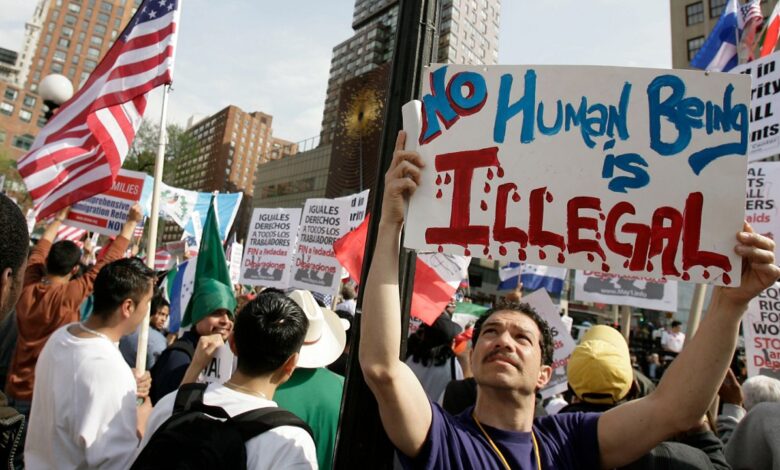
Dem rep tom malinowski we need illegal immigrants to mow our beautiful lawns – Dem Rep Tom Malinowski: We Need Illegal Immigrants to Mow Our Lawns. This statement, made during a recent town hall meeting, has sparked outrage and controversy, highlighting a deep divide in American society regarding immigration and labor. Malinowski’s words, seemingly flippant and dismissive, have ignited a firestorm of debate, forcing us to confront the complex relationship between immigration, labor, and the economic realities of our nation.
The statement has been widely interpreted as a callous disregard for the plight of undocumented immigrants, painting them as nothing more than cheap labor for the privileged. Critics argue that it perpetuates harmful stereotypes and dehumanizes a vulnerable population. Supporters, however, maintain that Malinowski was simply addressing a real-world problem, pointing to the shortage of skilled labor in certain industries and the economic benefits of a flexible workforce.
Immigration and Labor
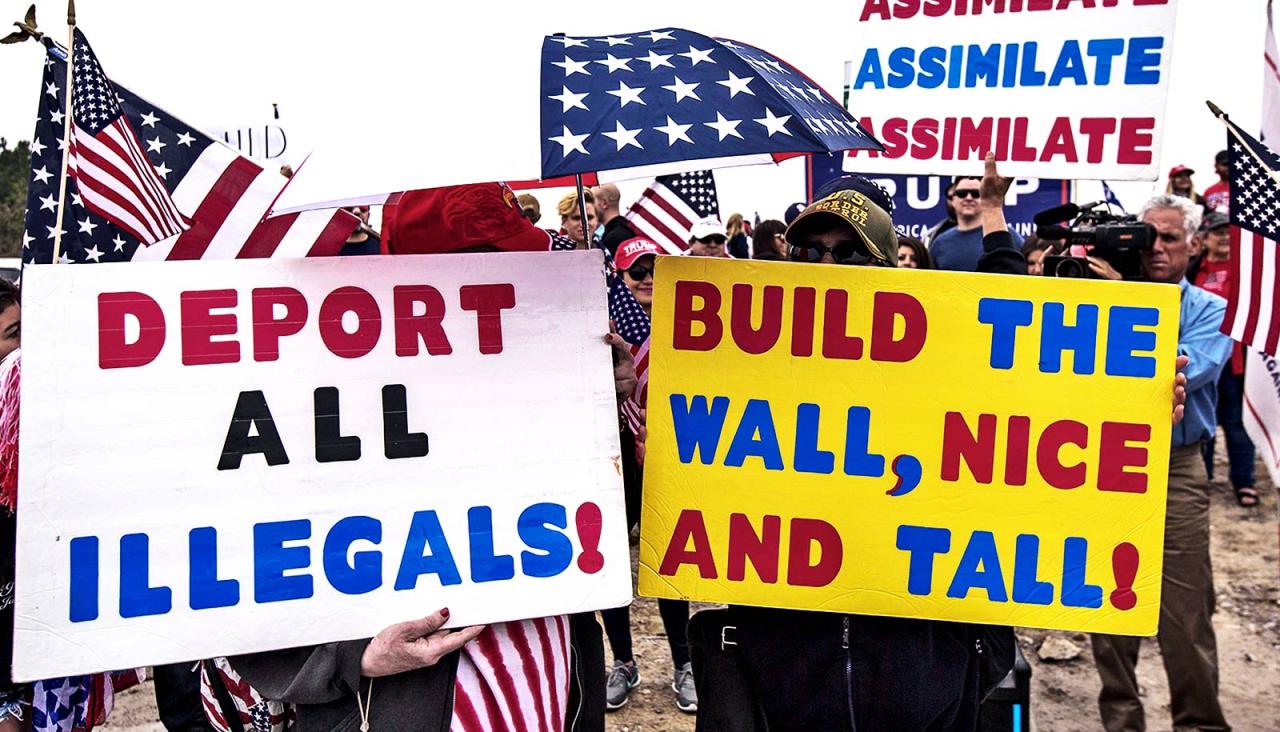
The statement “we need illegal immigrants to mow our beautiful lawns” simplifies a complex issue. It reduces the conversation about immigration to a single, narrow purpose, ignoring the broader economic and social implications of undocumented labor. This perspective, while reflecting a specific need, fails to acknowledge the multifaceted nature of immigration and its impact on both the individuals involved and the wider society.
The Statement’s View on Immigration Compared to Current Policies and Regulations
Current immigration policies and regulations are designed to manage the flow of individuals into a country, considering factors like national security, economic impact, and humanitarian concerns. The statement’s view, however, focuses solely on a perceived need for cheap labor, disregarding the legal and ethical implications of employing undocumented workers.
- The US immigration system includes various pathways for legal immigration, including work visas, family reunification, and refugee programs. These pathways are intended to ensure that immigrants contribute to the economy and society while respecting legal processes.
- Employing undocumented workers is illegal in the US. Employers who knowingly hire undocumented workers face penalties, including fines and potential imprisonment.
- The statement’s focus on undocumented labor as a solution for lawn maintenance overlooks the broader consequences of illegal immigration, such as exploitation, lack of worker rights, and potential security risks.
Economic and Social Implications of Relying on Undocumented Labor
Relying on undocumented labor can have both economic and social implications, often creating a complex and challenging situation for both employers and workers.
- Economic Implications: While undocumented workers can provide a cheap source of labor, their employment can also contribute to wage suppression for legal workers in similar fields. Additionally, the lack of legal protections for undocumented workers can lead to exploitation and unfair working conditions.
- Social Implications: The presence of a large undocumented workforce can strain social services, such as healthcare and education. It can also create social divisions and tension between documented and undocumented residents.
Potential Benefits and Drawbacks of Different Immigration Policies
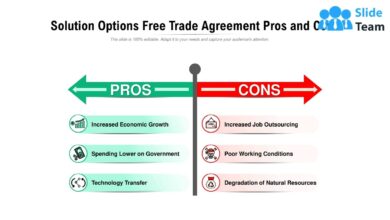
Different immigration policies can have varying benefits and drawbacks, depending on their goals and implementation. Here is a table outlining some potential benefits and drawbacks of different immigration policies:
| Immigration Policy | Potential Benefits | Potential Drawbacks |
|---|---|---|
| Increased Legal Immigration for Skilled Workers | Increased economic growth, filling skills gaps in the workforce | Potential displacement of native workers, potential strain on social services |
| Path to Citizenship for Undocumented Immigrants | Increased tax revenue, improved labor market participation, reduced exploitation | Potential backlash from some citizens, potential increase in immigration |
| Enhanced Border Security and Enforcement | Reduced illegal immigration, increased national security | Increased costs, potential human rights violations, potential separation of families |
The Role of Representation: Dem Rep Tom Malinowski We Need Illegal Immigrants To Mow Our Beautiful Lawns
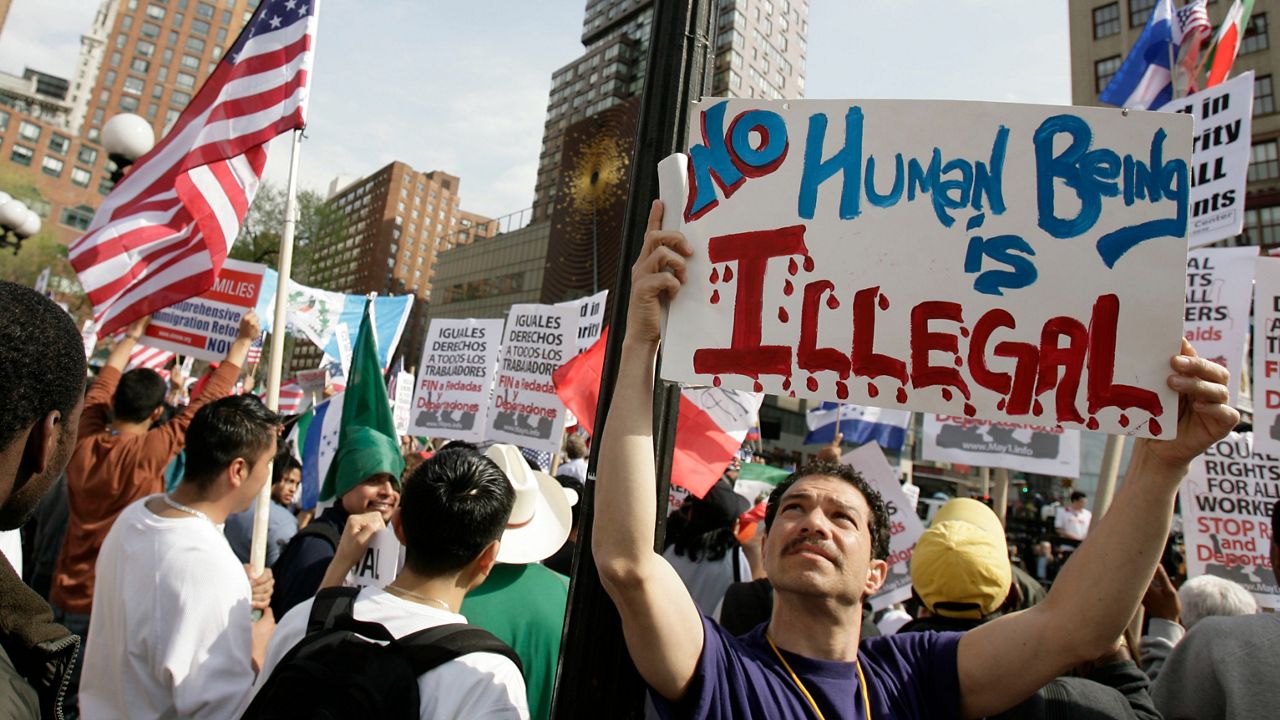
Rep. Tom Malinowski’s statement, suggesting that illegal immigrants are needed to mow lawns, is a prime example of how rhetoric can contribute to the marginalization and misrepresentation of immigrant communities. While seemingly innocuous, the statement reduces immigrants to a single, narrow role, ignoring the vast diversity and contributions of this population.
The Statement’s Implications for Immigrant Representation, Dem rep tom malinowski we need illegal immigrants to mow our beautiful lawns
The statement reinforces the idea that immigrants are only valuable to the extent they perform low-skilled labor. It perpetuates the notion that they are not capable of, or deserving of, higher-level contributions to American society. This narrow view overlooks the immense talent, expertise, and entrepreneurial spirit that immigrants bring to the country. It also ignores the struggles and challenges faced by many immigrants, such as language barriers, cultural differences, and systemic discrimination, which often hinder their ability to fully integrate and achieve their potential.
The Statement’s Potential to Contribute to Negative Stereotypes
By focusing solely on the need for immigrants to mow lawns, the statement contributes to negative stereotypes that often surround immigrant communities. It reinforces the idea that immigrants are a burden on society, requiring assistance rather than offering valuable contributions. This harmful stereotype can lead to prejudice, discrimination, and a lack of understanding about the complexities of immigration.
Counter-arguments to the Statement
The statement ignores the significant contributions of immigrants to the US economy and society. Here are some counter-arguments:
- Economic Contributions: Immigrants contribute significantly to the US economy, starting businesses, creating jobs, and boosting innovation. They often fill critical roles in various industries, contributing to the growth and competitiveness of the American economy.
- Diversity and Innovation: Immigrants bring diverse perspectives, cultural experiences, and skills to the United States. This diversity fosters innovation, creativity, and a richer cultural landscape.
- Taxpayers and Consumers: Many immigrants are taxpayers who contribute to the social safety net. They also contribute to the US economy as consumers, supporting local businesses and contributing to economic growth.
Malinowski’s statement, regardless of its intended meaning, has exposed the raw nerves of our national conversation on immigration. It has forced us to grapple with the uncomfortable truths about the exploitation of undocumented workers, the economic realities of labor shortages, and the political complexities of immigration reform. The debate, however, must move beyond simplistic pronouncements and delve into the nuanced complexities of the issue.
We must strive for solutions that are both compassionate and pragmatic, recognizing the humanity of those who seek a better life while acknowledging the need for a sustainable and secure workforce.
It’s interesting to hear Rep. Malinowski’s take on immigration, especially in light of the current economic climate. While he’s focused on the need for immigrants to maintain our lawns, President Trump is reportedly considering cutting payroll taxes to address recession fears, as reported in this article. It’s clear that both sides are grappling with complex issues, and it’s important to have a nuanced discussion about immigration’s role in our economy and society, including its impact on our beautiful lawns.
It’s interesting to see how the political landscape is changing, with statements like “we need illegal immigrants to mow our beautiful lawns” from Rep. Tom Malinowski. This kind of rhetoric, though divisive, is a stark contrast to the motivations behind Elon Musk’s Twitter takeover, as revealed in private text messages with Jack Dorsey, which highlight Musk’s desire to create a platform for free speech.
It’s clear that the conversation surrounding immigration is evolving, and it will be fascinating to see how these contrasting viewpoints play out in the future.
It’s frustrating to see politicians like Rep. Malinowski downplaying the impact of illegal immigration on our communities. While he may argue that we “need” undocumented workers to mow our lawns, it’s important to remember that this issue goes far beyond lawn care. The recent reports of potential violence from Antifa groups like the one discussed in this article gabriel nadales antifa violence feared in portland saturday group must be condemned and exposed highlight the real dangers of unchecked immigration.
We need to address the root causes of this problem and focus on securing our borders, not simply ignoring the consequences for the sake of convenience.