Irans Nuke Deal Breached 30+ New Centrifuges Found, IAEA Says
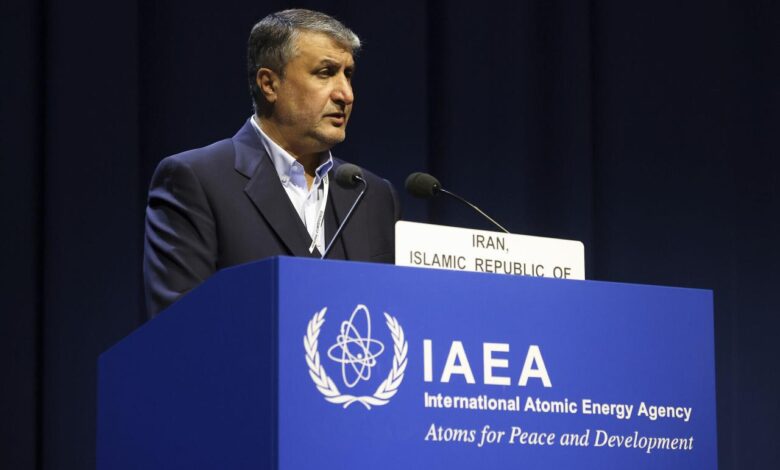
Irans latest nuke deal breach is installation of more than 30 new centrifuges iaea says – Iran’s latest nuke deal breach is installation of more than 30 new centrifuges iaea says, a move that has raised serious concerns among the international community. The International Atomic Energy Agency (IAEA) has confirmed that Iran has installed more than 30 advanced centrifuges, a violation of the 2015 Joint Comprehensive Plan of Action (JCPOA). This development has reignited tensions surrounding Iran’s nuclear program and its potential to develop nuclear weapons.
The JCPOA, which was negotiated by the Obama administration, aimed to curb Iran’s nuclear program in exchange for the lifting of international sanctions. However, the Trump administration withdrew from the agreement in 2018 and reimposed sanctions, prompting Iran to gradually reduce its commitments under the deal. The installation of new centrifuges represents a significant escalation of this trend, raising questions about the future of the JCPOA and the potential for a nuclear arms race in the Middle East.
International Reactions: Irans Latest Nuke Deal Breach Is Installation Of More Than 30 New Centrifuges Iaea Says
The IAEA’s report on Iran’s installation of new centrifuges has sparked a wave of international reactions, with major powers expressing varying degrees of concern and calling for Iran to comply with its nuclear commitments. The report’s findings have raised questions about Iran’s adherence to the JCPOA and the future of nuclear negotiations.
Reactions of Major Powers
The report has been met with a mix of condemnation and calls for diplomacy. The United States, a staunch critic of Iran’s nuclear program, has condemned the installation of new centrifuges as a violation of the JCPOA and a sign of Iran’s continued defiance. The US has also called for a stronger response from the international community, including the imposition of new sanctions.The European Union, a signatory to the JCPOA, has expressed serious concerns about the IAEA’s findings and has urged Iran to return to full compliance with the agreement.
The EU has also called for a diplomatic solution to the situation, emphasizing the importance of preserving the JCPOA.Russia, a key player in the JCPOA negotiations, has taken a more cautious approach, urging both Iran and the US to exercise restraint and avoid escalating tensions. Russia has also called for a return to full implementation of the JCPOA, arguing that it is the best way to ensure Iran’s nuclear program remains peaceful.
Potential Consequences for the JCPOA and Future Negotiations
The IAEA’s report has significantly increased the pressure on Iran to comply with its nuclear commitments. The report has also raised questions about the future of the JCPOA, which has been under strain since the US withdrew from the agreement in 2018.The report could lead to further sanctions against Iran, potentially undermining the already fragile Iranian economy. It could also further complicate the JCPOA’s future, making it more difficult to revive the agreement or negotiate a new one.
Different Perspectives on Iran’s Nuclear Program and the IAEA’s Report, Irans latest nuke deal breach is installation of more than 30 new centrifuges iaea says
There are different perspectives on Iran’s nuclear program and the IAEA’s report. Some countries, like the US, view Iran’s nuclear program as a threat to regional and global security and believe that Iran is seeking to develop nuclear weapons. These countries are skeptical of Iran’s claims that its nuclear program is solely for peaceful purposes.Other countries, like Russia and China, are more cautious in their assessment of Iran’s nuclear program.
They argue that Iran has a right to a peaceful nuclear program and that the IAEA’s report should not be interpreted as evidence of Iran’s intent to develop nuclear weapons. These countries believe that dialogue and diplomacy are the best ways to address concerns about Iran’s nuclear program.
Implications for Regional Security
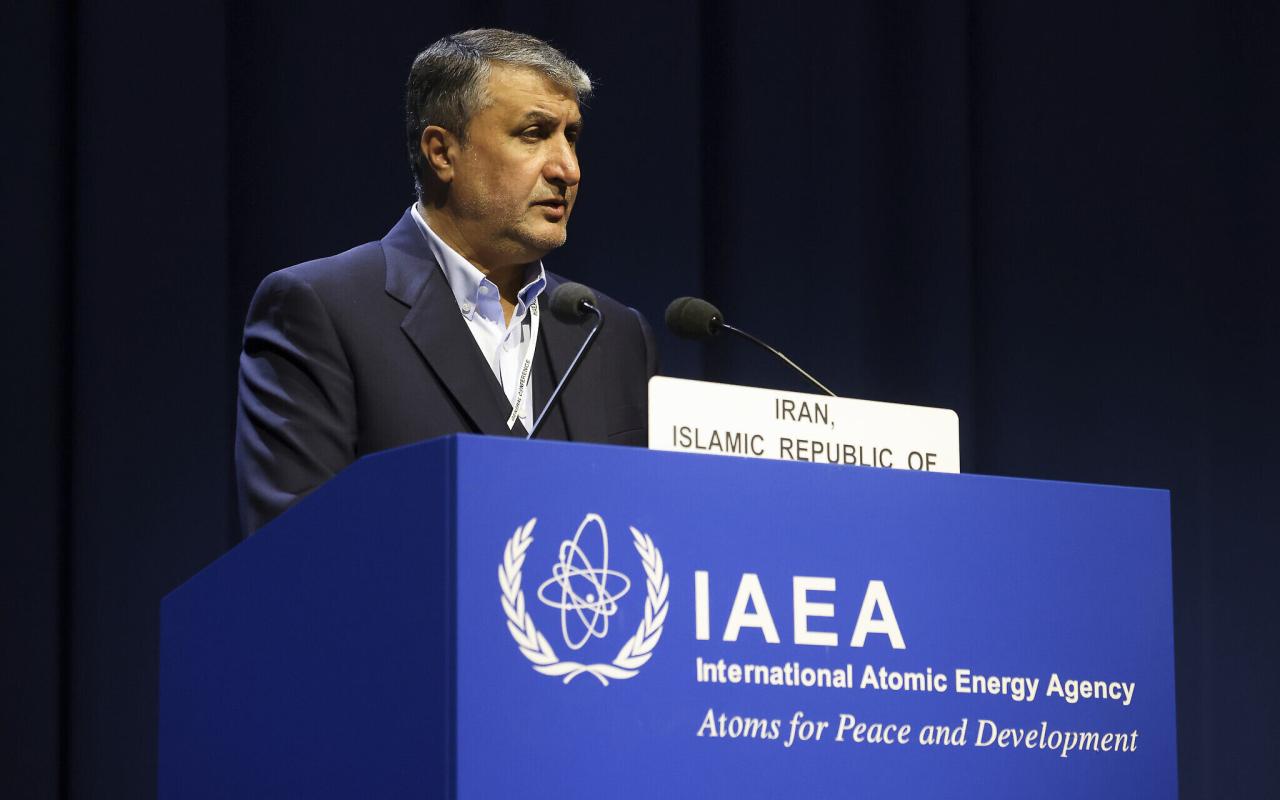
Iran’s nuclear program has significant implications for regional security in the Middle East, particularly in the context of the country’s recent breaches of the nuclear deal. The potential development of nuclear weapons by Iran could drastically alter the balance of power in the region, leading to heightened tensions and a potential arms race.
Concerns of Neighboring Countries
The potential for Iran to develop nuclear weapons has sparked significant concerns among its neighbors, particularly Israel and Saudi Arabia. These countries view Iran’s nuclear program as a direct threat to their security and have expressed strong opposition to its development.Israel, which has a long-standing policy of preventing Iran from acquiring nuclear weapons, sees the program as an existential threat.
The country has repeatedly stated that it will not allow Iran to develop nuclear weapons and has even conducted military strikes against Iranian nuclear facilities in the past.Saudi Arabia, which is engaged in a regional rivalry with Iran, also views the country’s nuclear program with alarm. The country fears that Iran’s nuclear ambitions could destabilize the region and lead to a nuclear arms race.
Potential Risks and Implications of Iran’s Nuclear Program
The potential risks and implications of Iran’s nuclear program for the region are significant and multifaceted. The following table summarizes some of the key concerns:
| Risk | Implications |
|---|---|
| Development of nuclear weapons | – Increased regional tensions and potential for conflict.
|
| Use of nuclear weapons | – Catastrophic humanitarian consequences.
|
| Nuclear blackmail | – Iran could use its nuclear capabilities to pressure other countries into making concessions.
|
| Economic sanctions | – Further economic hardship for Iran.
|
| Military intervention | – Increased risk of conflict and escalation.
|
The installation of new centrifuges in Iran marks a significant turning point in the long-running saga of the country’s nuclear program. While the IAEA’s report has triggered international condemnation and raised concerns about regional security, it remains to be seen how this development will impact the future of the JCPOA and the broader geopolitical landscape. The world watches with bated breath as Iran and the international community grapple with the implications of this latest breach.
Iran’s latest breach of the nuclear deal, the installation of over 30 new centrifuges as reported by the IAEA, is a concerning development. It’s important to remember that the future of our planet is at stake, and we need to be aware of the consequences of such actions. It’s also important to engage in thoughtful dialogue about these issues, like the one sparked by Justin Haskins’ article, justin haskins sleep well ocasio cortez and consider having a family heres the truth about our planet.
This situation highlights the need for continued diplomatic efforts and a commitment to finding peaceful solutions to ensure a secure future for all.
Iran’s latest breach of the nuclear deal, involving the installation of over 30 new centrifuges as reported by the IAEA, is a serious escalation. This move comes amidst a flurry of global events, including the unfolding complexities of the “Spygate” saga, the lingering questions surrounding Jeffrey Epstein, and the potential for a Chinese financial collapse. To gain a broader understanding of these interconnected issues, I highly recommend checking out this comprehensive analysis: analysis buffet 25 urgent things you need to know about spygate epstein china financial collapse mass shootings and civil war.
Iran’s actions raise serious concerns about their commitment to the deal and could have significant implications for regional stability and global security.
Iran’s latest nuclear deal breach, the installation of more than 30 new centrifuges as reported by the IAEA, raises serious concerns about their commitment to international agreements. This comes at a time when domestic political turmoil is escalating, as evidenced by the FBI’s purge of conservative agents and retaliation against whistleblowers, a move that has drawn significant criticism from GOP lawmakers fbi singles out conservative agents in purge retaliates against whistleblowers gop lawmakers.
With such instability at home, it’s difficult to trust Iran’s commitment to upholding their international obligations, particularly regarding their nuclear program.