These Small Businesses Found Ways to Thrive Despite Inflation
These small businesses found ways to thrive despite inflation sets the stage for this enthralling narrative, offering readers a glimpse into a story that is rich in detail and brimming with originality from the outset. In an era marked by economic uncertainty, small businesses have faced unprecedented challenges due to rising inflation.
From skyrocketing costs of raw materials to escalating labor expenses, the impact of inflation has been felt across every sector. Yet, amidst these turbulent times, a remarkable number of small businesses have not only survived but thrived, demonstrating incredible resilience and adaptability.
This blog post delves into the inspiring stories of these entrepreneurs, exploring the innovative strategies they employed to navigate the storm and emerge stronger than ever.
This journey takes us through the heart of the challenges faced by small businesses during inflationary periods, highlighting the specific hurdles they encountered and the potential consequences for their survival and growth. We will then dive into the strategies these businesses adopted to overcome these obstacles, examining real-world examples of successful adaptations, cost-cutting measures, price adjustments, and product diversification.
Furthermore, we will explore how these businesses have adapted to changing consumer behavior, leveraging technology and innovation to streamline operations, enhance efficiency, and reach new customer segments. Finally, we will examine the importance of building a culture of resilience and adaptability within small businesses, highlighting the role of proactive planning, financial management, and strategic partnerships in navigating economic uncertainty.
Adapting to Changing Consumer Behavior: These Small Businesses Found Ways To Thrive Despite Inflation
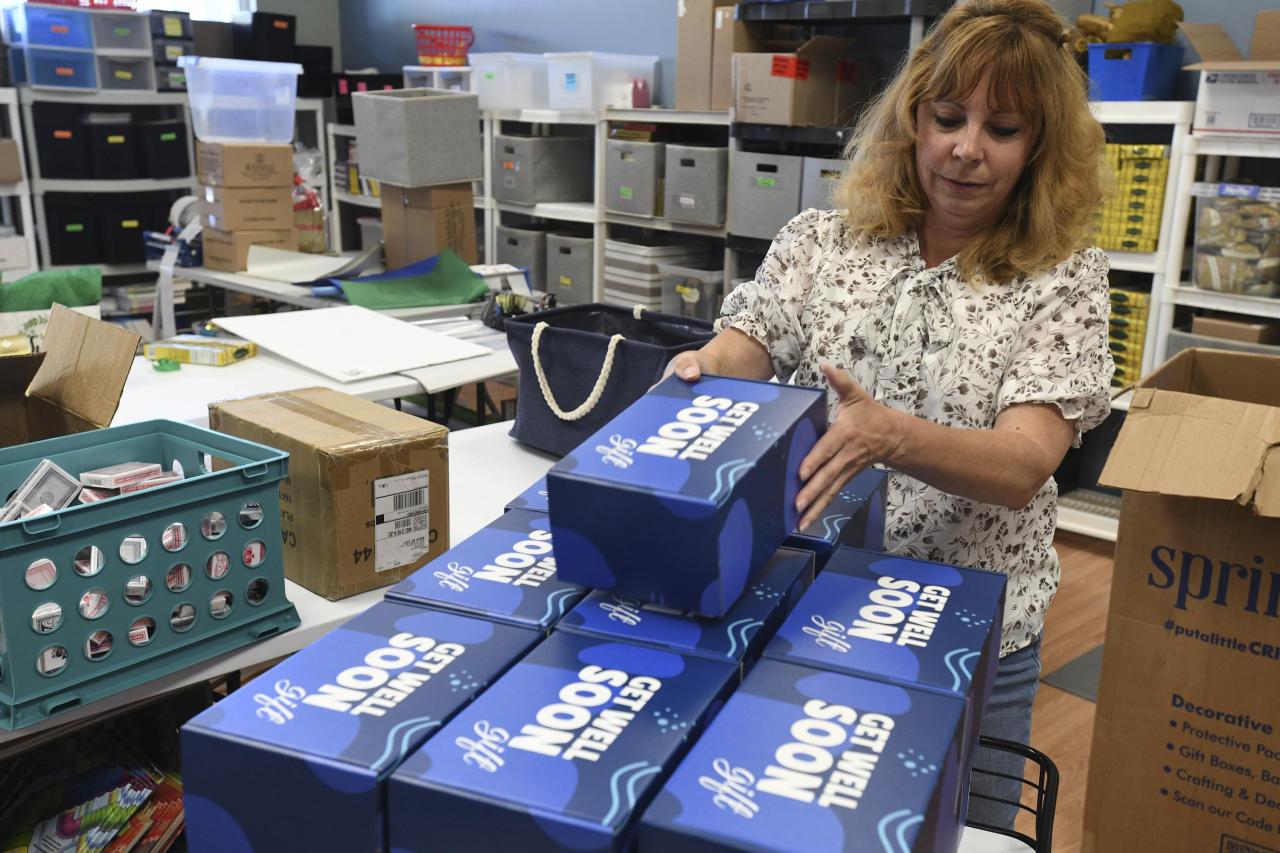
Inflation has significantly impacted consumer spending patterns and preferences, forcing small businesses to adapt their offerings and marketing strategies to remain competitive. This shift in consumer behavior presents both challenges and opportunities for small businesses, requiring them to understand the evolving landscape and implement strategies that resonate with the new realities.
It’s amazing to see how small businesses are adapting and thriving despite inflation, showing incredible resilience and innovation. This reminds me of the story I read about grief-stricken pet owners who are turning to cloning to keep their beloved companions alive, a trend that’s creating a whole new wave of influencers on Instagram and TikTok.
grief stricken pet owners usher in instagram and tiktoks new influencers their cloned cats and dogs While this might seem strange, it speaks to the deep emotional bonds we have with our pets and the lengths we’ll go to keep those memories alive.
Just like those businesses finding success in tough times, these pet owners are finding new ways to cope with loss, and that’s a powerful reminder of our human capacity for adaptation and connection.
Impact of Inflation on Consumer Spending
Inflation has forced consumers to prioritize essential goods and services, leading to a decline in discretionary spending. This shift has manifested in several ways:
- Increased Price Sensitivity:Consumers are more conscious of prices and are actively seeking value for their money. They are comparing prices across different brands and retailers, often opting for cheaper alternatives.
- Shifting Spending Priorities:Consumers are allocating their budgets towards essential needs like groceries, utilities, and healthcare, while reducing spending on non-essentials such as entertainment, travel, and dining out.
- Delayed Purchases:Many consumers are postponing large purchases, such as new cars, appliances, or home renovations, due to rising costs and economic uncertainty.
Strategies for Small Businesses to Adapt
Small businesses have implemented several strategies to navigate the changing consumer landscape and maintain their profitability:
- Value-Oriented Pricing:Offering competitive pricing, discounts, and promotions to attract price-sensitive customers. This can involve adjusting pricing strategies, offering bundled deals, or introducing budget-friendly options.
- Focus on Essential Products and Services:Shifting their focus to products and services that cater to essential needs and high-demand categories. This might involve expanding product lines or introducing new offerings that align with changing consumer priorities.
- Emphasis on Customer Experience:Providing exceptional customer service and personalized experiences to build loyalty and encourage repeat business. This can involve offering personalized recommendations, enhancing online shopping experiences, or providing convenient delivery options.
- Leveraging Digital Marketing:Utilizing digital marketing channels to reach a wider audience and target specific demographics. This includes optimizing online presence, utilizing social media platforms, and implementing targeted advertising campaigns.
Examples of Business Adaptations
| Consumer Behavior | Business Adaptation | Example | Outcome |
|---|---|---|---|
| Increased price sensitivity | Offering discounts and promotions | A local bakery introduced a “Weekday Special” offering a 15% discount on pastries from Monday to Friday. | Increased customer traffic and sales during weekdays, demonstrating the effectiveness of value-oriented pricing strategies. |
| Shifting spending priorities | Expanding essential product lines | A grocery store added a wider selection of budget-friendly pantry staples, such as rice, beans, and pasta, to cater to consumers prioritizing essential needs. | Increased sales of essential items, reflecting a shift in consumer spending patterns towards necessities. |
| Delayed purchases | Offering financing options | An appliance store introduced a “0% interest financing” program for large purchases, making them more accessible to consumers facing financial constraints. | Increased sales of high-ticket items, demonstrating the effectiveness of flexible payment options in encouraging larger purchases. |
Leveraging Technology and Innovation
In today’s dynamic business environment, small businesses are increasingly turning to technology and innovation as vital tools to navigate the challenges of inflation and remain competitive. By embracing these advancements, they can streamline operations, enhance efficiency, and reach new customer segments.
Streamlining Operations and Enhancing Efficiency
Technology has revolutionized how small businesses operate, offering a range of tools to optimize processes and reduce costs.
- Cloud-based Software:Cloud-based accounting, inventory management, and customer relationship management (CRM) systems enable businesses to access real-time data, automate tasks, and collaborate seamlessly. This reduces the need for expensive hardware and software installations, allowing for cost savings and increased efficiency.
- E-commerce Platforms:Online marketplaces and e-commerce platforms provide small businesses with a cost-effective way to reach a wider audience and expand their market reach. They can sell products and services directly to customers, eliminating the need for physical storefronts and reducing overhead costs.
- Automation:Businesses are leveraging automation tools to streamline repetitive tasks such as data entry, email marketing, and social media scheduling. This frees up employees to focus on more strategic initiatives, leading to improved productivity and reduced labor costs.
Reaching New Customer Segments and Adapting to Changing Consumer Behavior, These small businesses found ways to thrive despite inflation
Technology has empowered small businesses to reach new customer segments and adapt to evolving consumer preferences.
- Social Media Marketing:Social media platforms have become powerful channels for small businesses to connect with potential customers, build brand awareness, and promote products and services. Targeted advertising allows businesses to reach specific demographics and interests, maximizing marketing ROI.
- Mobile Apps and Digital Payment Solutions:Mobile apps and digital payment solutions have made it easier for customers to engage with businesses and make purchases. Businesses can leverage these technologies to offer convenient services, such as online ordering, delivery tracking, and mobile payments, enhancing customer satisfaction and driving sales.
- Data Analytics:Data analytics tools provide businesses with valuable insights into customer behavior, market trends, and operational efficiency. This data can be used to personalize marketing campaigns, optimize pricing strategies, and identify areas for improvement, helping businesses stay ahead of the competition.
Developing Innovative Products and Services
Small businesses are demonstrating remarkable creativity in developing innovative products and services to address market demands during inflationary periods.
- Value-Driven Products:Many businesses are focusing on developing products and services that offer exceptional value for money, appealing to cost-conscious consumers. This could involve offering affordable alternatives to existing products, providing bundled packages, or introducing subscription models.
- Sustainable Solutions:Consumers are increasingly interested in sustainable and eco-friendly products and services. Small businesses are capitalizing on this trend by developing innovative solutions that minimize environmental impact, such as using recycled materials, reducing waste, and offering eco-friendly packaging.
- Personalized Experiences:Small businesses are using technology to personalize customer experiences, offering tailored recommendations, customized products, and personalized services. This helps build customer loyalty and strengthens brand relationships.
Outcome Summary

The stories of these small businesses are a testament to the power of human ingenuity and the unwavering spirit of entrepreneurship. They demonstrate that even in the face of adversity, businesses can thrive by embracing innovation, adapting to changing market conditions, and fostering a culture of resilience.
As we navigate the challenges of a rapidly evolving economic landscape, the lessons learned from these small businesses offer valuable insights for entrepreneurs and businesses of all sizes. By embracing the principles of adaptability, innovation, and resilience, we can all find ways to thrive, regardless of the economic climate.
It’s inspiring to see these small businesses found ways to thrive despite inflation, especially when you consider the larger political landscape. The upcoming Ohio Senate primary, as reported in inside the final days of ohios maga senate primary , has the potential to significantly impact economic policy.
These small businesses are a testament to resilience and adaptability, and their success may serve as a model for others facing similar challenges.
It’s inspiring to see how small businesses are finding their footing in these challenging times. From adapting their offerings to embracing creative marketing strategies, they’re proving their resilience. And while we’re on the topic of resilience, I recently discovered apple cider vinegar a recipe for winter wellness and a multitude of health benefits , which is a natural remedy for boosting immunity and overall well-being.
Just like these small businesses, we too can find ways to thrive, even amidst economic uncertainty.