Chicago Mayor Clashes with Cruz Over Gun Violence Keep Our Name Out of Your Mouth
Chicago mayor clashes with cruz over gun violence keep our name out of your mouth – Chicago Mayor Clashes with Cruz Over Gun Violence: “Keep Our Name Out of Your Mouth”
-a heated exchange between the Chicago mayor and Senator Ted Cruz has brought the city’s ongoing gun violence crisis to the forefront of national attention. The mayor, known for their tough stance on gun control, has been vocal in their criticism of Cruz’s approach to the issue, leading to a public back-and-forth that has ignited a fierce debate on the best path forward.
The clash stems from the mayor’s frustration with Cruz’s recent statements on gun violence in Chicago, which the mayor believes are unhelpful and insensitive. The mayor has accused Cruz of politicizing the issue and using it as a platform to promote their own agenda. In response, Cruz has defended his position, arguing that the mayor’s policies are ineffective and that the focus should be on enforcing existing laws rather than enacting new ones.
The Clash
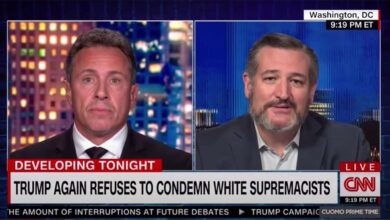
The recent clash between Chicago Mayor Brandon Johnson and Texas Senator Ted Cruz over gun violence in the city highlights the stark differences in their approaches to tackling this complex issue. The disagreement erupted during a heated exchange on a national television program, where both figures presented their contrasting perspectives on the root causes and potential solutions to the persistent problem of gun violence in Chicago.
The Mayor’s Stance
Mayor Johnson, a staunch advocate for stricter gun control measures, argues that the prevalence of gun violence in Chicago is directly linked to the easy availability of firearms. He has consistently championed policies aimed at reducing gun access, such as increased background checks, bans on assault weapons, and limitations on high-capacity magazines. He believes that these measures are essential to curbing the flow of illegal firearms into the city and preventing them from falling into the wrong hands.
Senator Cruz’s Perspective, Chicago mayor clashes with cruz over gun violence keep our name out of your mouth
In stark contrast, Senator Cruz attributes the problem to a lack of law enforcement and a breakdown in social order. He contends that Chicago’s lenient criminal justice system and a culture of lawlessness have emboldened criminals and created an environment where gun violence thrives. He advocates for a more robust police presence, stricter enforcement of existing laws, and a greater emphasis on personal responsibility and community involvement as key elements in combating gun violence.
Key Differences
The key differences in their approaches lie in their fundamental understanding of the root causes of gun violence. Mayor Johnson focuses on the role of guns themselves, emphasizing the need for stricter regulations and limitations on access. Senator Cruz, on the other hand, emphasizes the role of law enforcement and societal factors, arguing that a more robust law enforcement presence and a shift in cultural attitudes are crucial to addressing the problem.
The Gun Violence Crisis in Chicago
Chicago, a city known for its vibrant culture and rich history, faces a stark reality: a persistent and devastating gun violence crisis. The city’s struggle with gun violence has become a complex social and political issue, demanding urgent attention and effective solutions.
The heated exchange between Chicago’s mayor and Senator Cruz over gun violence highlights the deep political divide on this issue. While politicians battle it out, it’s important to remember that the real impact is felt by communities struggling with the daily reality of gun violence. Meanwhile, a recent appeals court ruling allowing congressional candidates to challenge California’s election laws could have significant implications for future elections.
This ruling underscores the ongoing battle over voting rights and access to the ballot, a struggle that often intersects with issues like gun control and public safety.
Statistical Overview of Gun Violence
The prevalence of gun violence in Chicago is a significant concern, impacting the lives of residents and straining city resources. To understand the scope of the problem, it’s essential to analyze the statistics.
- According to the Chicago Police Department, the city experienced a total of 797 homicides in 2022, with a significant portion attributed to gun violence.
- The Chicago Tribune reported that in 2022, there were over 4,000 shootings in Chicago, resulting in thousands of injuries.
- The city’s gun violence rate has fluctuated over the years, with peaks and troughs, but remains consistently higher than the national average.
Factors Contributing to Gun Violence
Understanding the root causes of gun violence is crucial for developing effective prevention and intervention strategies. While the issue is multifaceted, several key factors contribute to the problem in Chicago.
The Chicago mayor’s heated exchange with Cruz over gun violence, urging him to “keep our name out of your mouth,” reminds me of the recent revelations about Twitter’s censorship practices. Elon Musk’s expose, elon musk exposes twitters censorship of former president donald trump , raises questions about the transparency of social media platforms and their role in shaping public discourse.
Perhaps the mayor’s frustration stems from a sense of powerlessness in the face of a national issue, amplified by the perception of a platform like Twitter actively silencing voices that challenge the status quo.
- Poverty and Socioeconomic Disparities: High poverty rates, limited economic opportunities, and lack of access to quality education and healthcare create fertile ground for violence. Neighborhoods with high concentrations of poverty often lack adequate resources, leading to social and economic instability.
- Gang Activity: Gangs play a significant role in the perpetuation of gun violence. Territorial disputes, drug trafficking, and vendettas often escalate into violent confrontations. The presence of gangs can create a climate of fear and intimidation, making it difficult for residents to report criminal activity.
- Easy Access to Firearms: The illegal flow of guns from other states into Chicago is a major contributing factor to gun violence. The city’s proximity to states with more lenient gun laws makes it relatively easy for individuals to obtain firearms illegally.
- Lack of Opportunity: Limited access to job training, employment opportunities, and educational resources for young people can create a sense of hopelessness and despair, driving some individuals towards criminal activity.
Existing Measures to Address Gun Violence
The city of Chicago has implemented various measures to address gun violence, but the problem persists.
- Community Policing Initiatives: The Chicago Police Department has focused on building stronger relationships with communities, fostering trust, and encouraging residents to share information about criminal activity. Community policing programs aim to reduce crime by addressing the root causes of violence and improving communication between law enforcement and residents.
- Violence Prevention Programs: Various community organizations and government agencies offer programs aimed at preventing gun violence, such as youth outreach, job training, and conflict resolution workshops. These programs aim to provide opportunities and support to at-risk individuals, diverting them from a path of violence.
- Gun Control Measures: The city has implemented gun control measures, including restrictions on the sale and possession of firearms. These measures aim to reduce the availability of guns and prevent them from falling into the wrong hands. However, the effectiveness of these measures has been debated, as illegal gun trafficking remains a significant challenge.
Effectiveness of Existing Measures and Potential Improvements
While the city’s efforts to address gun violence are commendable, the problem remains a pressing concern. The effectiveness of existing measures can be debated, and there is a need for continuous evaluation and improvement.
The Chicago mayor’s fiery retort to Ted Cruz, demanding he “keep our name out of your mouth,” highlights the complex and deeply personal nature of the gun violence debate. It’s a stark reminder that this issue transcends political rhetoric and resonates with real lives and communities. Meanwhile, the political landscape continues to shift, with news of Trump’s response to Elon Musk’s Twitter revelations adding another layer of complexity.
This recent revelation further underscores the interconnectedness of political and social issues, reminding us that the fight against gun violence is not isolated, but rather woven into the fabric of our nation’s discourse.
- Strengthening Community Policing: Building stronger relationships between law enforcement and communities is crucial. Effective community policing requires a long-term commitment to building trust and addressing the concerns of residents. This involves engaging with residents, listening to their concerns, and working collaboratively to find solutions.
- Investing in Violence Prevention Programs: Expanding and strengthening existing violence prevention programs is essential. These programs can provide opportunities, support, and guidance to at-risk individuals, diverting them from a path of violence. Investing in youth outreach, job training, and mentoring programs can have a significant impact on reducing crime.
- Addressing the Root Causes of Violence: Focusing on addressing the underlying social and economic factors that contribute to violence is critical. Investing in education, job training, affordable housing, and healthcare can create a more equitable and just society, reducing the factors that drive individuals towards violence.
- Combating Illegal Gun Trafficking: Addressing the illegal flow of guns into Chicago is essential. This requires strong collaboration between law enforcement agencies at all levels, including federal, state, and local. Strengthening gun control laws and increasing penalties for gun trafficking can help reduce the availability of illegal firearms.
Political Responses to Gun Violence
The issue of gun violence in Chicago, as in many other major cities across the United States, has been a persistent and complex challenge. Political responses to this crisis have varied significantly, reflecting different ideologies, priorities, and approaches to tackling this multifaceted problem.
Comparing Political Responses
The political landscape surrounding gun violence in Chicago, and in other major cities, often exhibits a stark contrast between different political ideologies. While some advocate for stricter gun control measures, emphasizing the need to limit access to firearms, others prioritize community-based initiatives and social programs, arguing that poverty, lack of opportunity, and systemic issues contribute significantly to violence.
- Stricter Gun Control: Advocates for stricter gun control measures argue that limiting access to firearms is a crucial step in reducing gun violence. They often support policies like universal background checks, bans on assault weapons and high-capacity magazines, and red flag laws that allow authorities to temporarily remove firearms from individuals deemed a danger to themselves or others.
Chicago, with its strict gun laws, has been a focal point for this debate, with proponents highlighting the city’s relatively low gun ownership rates compared to other major cities. However, critics argue that strict gun control measures are ineffective and often disproportionately impact law-abiding citizens while criminals find ways to obtain firearms illegally.
- Community-Based Initiatives: This approach emphasizes addressing the root causes of gun violence, focusing on social and economic factors that contribute to crime. Proponents advocate for investing in poverty reduction programs, job training, education, and mental health services. They believe that by tackling these underlying issues, communities can create a more positive environment and reduce the likelihood of violence.
Examples include the Chicago CRED (Creating Real Economic Destiny) program, which offers job training, mentorship, and support to individuals at risk of involvement in violence. Critics argue that these initiatives are slow to yield results and that a more direct approach to gun control is necessary to address the immediate threat of violence.
Effectiveness of Political Approaches
Evaluating the effectiveness of different political approaches to gun violence is a complex task. While some measures, like stricter gun control, may have a direct impact on reducing access to firearms, they may not address the underlying social and economic factors that contribute to violence. Community-based initiatives, while potentially addressing root causes, may take years to show tangible results.
- Gun Control Measures: Studies have shown that stricter gun control measures, such as background checks and bans on assault weapons, can have a positive impact on reducing gun violence. However, the effectiveness of these measures can vary depending on the specific policy and the context in which it is implemented. For example, a 2016 study by the RAND Corporation found that “universal background checks, which are required in most states, are associated with a modest reduction in gun homicides.” However, the study also noted that “the evidence on the effectiveness of other gun control policies, such as bans on assault weapons, is more mixed.”
- Community-Based Initiatives: While the effectiveness of community-based initiatives in reducing gun violence is often difficult to measure, there is growing evidence that these programs can play a significant role in addressing the root causes of violence. For example, a 2018 study by the National Institute of Justice found that “community-based violence prevention programs can be effective in reducing violence, but the effectiveness of these programs varies widely.” The study also noted that “programs that focus on building relationships with young people, providing them with opportunities, and addressing their needs are more likely to be effective.”
A Hypothetical Policy Proposal
A comprehensive approach to addressing gun violence in Chicago would likely involve a combination of stricter gun control measures and community-based initiatives.
- Stricter Gun Control: A policy proposal could include a comprehensive background check system, bans on assault weapons and high-capacity magazines, and red flag laws. These measures would aim to reduce access to firearms for individuals who are likely to use them for violent purposes.
- Community-Based Initiatives: The proposal could also include investments in programs that address the root causes of gun violence, such as poverty reduction, job training, education, and mental health services. These programs would aim to create a more positive environment in communities that are disproportionately affected by gun violence.
Public Opinion and Gun Violence: Chicago Mayor Clashes With Cruz Over Gun Violence Keep Our Name Out Of Your Mouth
The issue of gun violence in Chicago has been a subject of intense public debate and scrutiny. Public opinion polls, media coverage, and community perspectives offer valuable insights into the complexities surrounding this issue.
Public Opinion Polls on Gun Violence in Chicago
Public opinion polls provide a snapshot of how residents of Chicago view gun violence. These polls reveal a range of concerns and perspectives. For example, a 2023 poll conducted by the Chicago Council on Global Affairs found that 70% of Chicagoans believe gun violence is a serious problem in the city, and 60% believe that the city is doing a poor job of addressing the issue.
The poll also found that a majority of Chicagoans support stricter gun control laws and increased funding for community violence prevention programs.
Perspectives of Different Communities in Chicago
Gun violence impacts different communities in Chicago in distinct ways. A 2022 study by the University of Chicago Crime Lab found that neighborhoods with higher poverty rates and lower levels of social cohesion experience higher rates of gun violence. This suggests that socioeconomic factors play a significant role in shaping the prevalence of gun violence in Chicago. Furthermore, community-based organizations and residents in these neighborhoods often express a sense of frustration with the lack of resources and support available to address the root causes of gun violence.
The Role of Media in Shaping Public Opinion on Gun Violence
The media plays a crucial role in shaping public opinion on gun violence. Media coverage of gun violence in Chicago often focuses on sensationalized accounts of shootings, which can contribute to a perception of widespread lawlessness and fear. However, some media outlets are also actively working to provide more nuanced and comprehensive coverage of gun violence, exploring the underlying social and economic factors that contribute to the problem.
Strategies for Fostering Dialogue and Understanding
Fostering dialogue and understanding around gun violence is essential for developing effective solutions. Strategies for promoting dialogue include:
- Creating safe spaces for community members to share their experiences and perspectives on gun violence.
- Encouraging media outlets to provide balanced and informative coverage of gun violence.
- Supporting community-based organizations that are working to address the root causes of gun violence.
The “Keep Our Name Out of Your Mouth” statement, while controversial, has served as a powerful reminder of the deep divide that exists on gun violence in America. It has also highlighted the complex challenges facing cities like Chicago, where gun violence is a daily reality for many residents. The debate is likely to continue, with both sides seeking to find solutions to this deeply entrenched problem.
Only time will tell if this heated exchange will lead to meaningful action or further entrenchment of opposing viewpoints.