Chuck Devores Green New Deal Texas Towns Lofty Environmentalism Leaves Residents with a Nightmare
Chuck devore green new deal preview texas towns lofty environmentalism leaves residents with a nightmare – Chuck Devore’s Green New Deal: Texas Towns’ Lofty Environmentalism Leaves Residents with a Nightmare. This phrase encapsulates the complex and often conflicting realities of environmental policy in Texas. While proponents of the Green New Deal champion its ambitious goals of tackling climate change and creating a more sustainable future, many residents in Texas are experiencing the unintended consequences of its implementation.
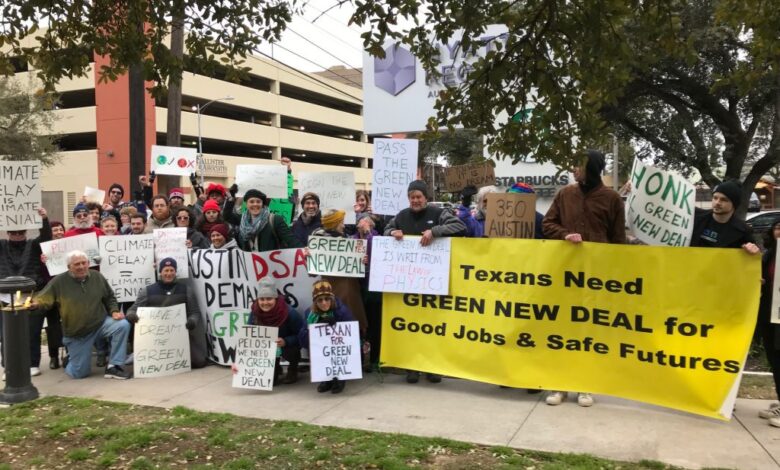
The Green New Deal, a sweeping plan to address climate change and economic inequality, has been met with both enthusiasm and skepticism in Texas, a state known for its vast oil and gas industry and its conservative political climate.
This clash of ideals has played out in Texas towns, where residents are grappling with the economic and social ramifications of the Green New Deal’s implementation. While some communities have embraced the opportunities presented by the Green New Deal, others have faced significant challenges, including job losses, rising energy costs, and disruption to traditional industries.
The Green New Deal in Texas: Chuck Devore Green New Deal Preview Texas Towns Lofty Environmentalism Leaves Residents With A Nightmare
The Green New Deal, a sweeping proposal aiming to combat climate change and economic inequality, has ignited debate across the United States, including in Texas. The state’s unique energy landscape and political climate create a complex backdrop for implementing such a transformative policy.
The Chuck DeVore Green New Deal preview in Texas towns, with its lofty environmentalism, has left residents with a nightmare of rising costs and limited choices. Meanwhile, the Democrats are one seat away from Senate control after Mark Kelly defeated Blake Masters in Arizona, as reported here. This shift in power could significantly impact the future of environmental policy and potentially influence the implementation of similar green initiatives across the nation.
The Green New Deal’s Core Principles
The Green New Deal, a resolution introduced in the U.S. Congress in 2019, Artikels a comprehensive plan for addressing climate change and economic injustice. Its core principles include:
- Achieving net-zero greenhouse gas emissions within 10 years.
- Creating millions of jobs in green industries.
- Guaranteeing universal healthcare, education, and housing.
- Investing in renewable energy sources and energy efficiency.
- Addressing environmental justice concerns.
These principles align with environmentalism by emphasizing a shift towards sustainable practices, reducing reliance on fossil fuels, and promoting environmental equity.
Challenges and Opportunities in Texas
Texas, known for its vast oil and gas reserves, faces significant challenges in implementing the Green New Deal. The state’s economy is heavily reliant on fossil fuels, and its political landscape leans conservative, with a strong emphasis on energy independence.
- Economic Transition: Shifting away from fossil fuels would require significant investment in renewable energy infrastructure and retraining for workers in the energy sector.
- Political Opposition: The Green New Deal’s ambitious goals and focus on government intervention face opposition from many in Texas, who prioritize economic growth and individual liberty.
- Grid Capacity: Integrating large-scale renewable energy sources into the existing grid would require significant upgrades and investment.
- Water Resources: Texas’s arid climate poses challenges for solar and wind energy development, which require ample water for cooling and other purposes.
However, Texas also presents opportunities for the Green New Deal. The state boasts abundant solar and wind resources, a thriving technology sector, and a growing population interested in environmental sustainability.
The Chuck Devore Green New Deal preview in Texas towns is a cautionary tale of how lofty environmentalism can leave residents with a nightmare. While the intentions might be good, the implementation often falls short, leading to unintended consequences. It’s a stark contrast to the message of on a mission to rescue the America we love highlights of trump rally in north carolina , which focuses on preserving traditional values and protecting individual freedoms.
Ultimately, the success of any environmental policy hinges on a careful balance between ambition and practicality, ensuring that the needs of both the environment and the people are met.
Comparing the Green New Deal with Existing Policies
Texas currently has a mix of environmental policies, some aligned with the Green New Deal’s goals and others in conflict.
- Renewable Energy: Texas has a strong renewable energy sector, with a significant number of wind farms and solar projects. The state’s Renewable Portfolio Standard requires utilities to generate a certain percentage of their electricity from renewable sources.
- Carbon Emissions: Texas has not adopted a statewide carbon pricing mechanism, which is a key component of the Green New Deal. The state’s approach to carbon emissions focuses on technology-based solutions and voluntary measures.
- Environmental Justice: Texas has made progress in addressing environmental justice concerns, but disparities in pollution levels and access to clean air and water persist, particularly in low-income and minority communities.
The Green New Deal’s focus on environmental justice and a just transition for workers aligns with some existing policies in Texas, but its ambitious goals and focus on government intervention remain controversial.
The Chuck DeVore Green New Deal preview in Texas towns highlights the potential pitfalls of lofty environmentalism. While the intentions are good, the reality on the ground often paints a different picture. The implementation of these ambitious plans can lead to unforeseen consequences, as seen in the recent hurdles faced by the Biden administration’s semiconductor export controls, as reported by Molnewsnet.
These challenges underscore the need for careful planning and consideration of unintended consequences when implementing large-scale environmental initiatives.
The “Chuck Devore” Factor
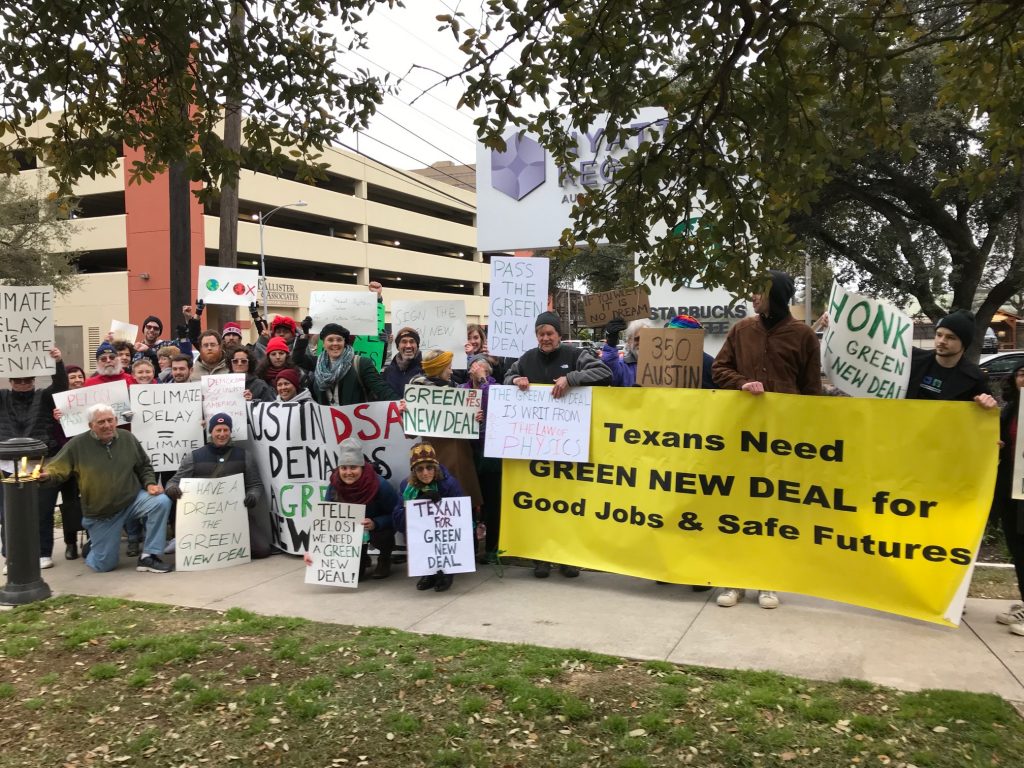
Chuck Devore, a Texas-based environmental activist and advocate, has emerged as a prominent figure in the state’s Green New Deal movement. His unwavering commitment to sustainable practices and his passionate advocacy for environmental justice have earned him both admiration and criticism.
Chuck Devore’s Background and Advocacy
Chuck Devore’s journey into environmental activism began in the early 2000s, driven by his concerns about the escalating impacts of climate change on Texas. He witnessed firsthand the devastating effects of extreme weather events, such as droughts, floods, and hurricanes, on local communities and the state’s natural resources. This firsthand experience ignited a passion in him to advocate for sustainable solutions.
He quickly became involved in various environmental organizations, spearheading campaigns to raise awareness about climate change and promote renewable energy sources.
Environmental Concerns Addressed by Chuck Devore
Chuck Devore’s advocacy focuses on a wide range of environmental concerns, including:
- Climate Change Mitigation: Devore strongly advocates for transitioning Texas away from fossil fuels and towards renewable energy sources like solar and wind power. He argues that such a shift is crucial to mitigating the effects of climate change and safeguarding the state’s future.
- Air Quality: Devore highlights the severe air pollution problems plaguing major Texas cities, primarily caused by industrial emissions and traffic congestion. He advocates for stricter regulations on polluters and the implementation of cleaner transportation options.
- Water Conservation: With Texas facing chronic water shortages, Devore emphasizes the importance of water conservation measures. He promotes efficient irrigation practices, responsible water usage in homes and businesses, and the development of sustainable water management strategies.
- Environmental Justice: Devore recognizes the disproportionate impact of environmental degradation on marginalized communities. He actively campaigns for policies that ensure equitable access to clean air, water, and healthy environments for all Texans, regardless of their socioeconomic status or location.
Impact of Chuck Devore’s Advocacy
Chuck Devore’s advocacy has had a significant impact on the state’s environmental policies and local communities:
- Increased Awareness: Devore’s tireless efforts have raised awareness about environmental issues among Texans. His public speaking engagements, media appearances, and social media campaigns have sparked conversations and galvanized public support for environmental action.
- Policy Changes: Devore’s advocacy has contributed to the passage of several environmental regulations in Texas, including stricter air quality standards, incentives for renewable energy development, and measures to protect water resources. He has also been instrumental in influencing the state’s energy policy, pushing for greater reliance on renewable energy sources.
- Community Engagement: Devore actively engages with local communities, organizing grassroots campaigns and workshops to empower residents to advocate for environmental protection in their neighborhoods. He has fostered a sense of collective responsibility for environmental stewardship, encouraging communities to work together to address local environmental challenges.
Lofty Environmentalism
The Green New Deal, with its ambitious environmental goals, has sparked passionate debates about the balance between idealism and practical implementation. While the vision of a cleaner, more sustainable future is undeniably appealing, the path to achieving it in a state like Texas, with its complex economic and political landscape, is fraught with challenges. This section explores the potential benefits and drawbacks of the Green New Deal’s environmental aspirations, examines the feasibility of realizing these goals within the Texas context, and compares the Green New Deal’s approach to environmentalism with more pragmatic alternatives.
Potential Benefits and Drawbacks of the Green New Deal’s Environmental Goals
The Green New Deal proposes a sweeping transformation of the U.S. energy system, aiming to achieve net-zero greenhouse gas emissions within a decade. This ambitious target, if achieved, could significantly mitigate climate change and its devastating impacts. The plan’s focus on renewable energy sources, energy efficiency, and green infrastructure would create new jobs, boost the economy, and improve public health.However, the Green New Deal’s rapid transition to a carbon-free economy raises concerns about its feasibility and potential economic disruptions.
Critics argue that the plan’s ambitious timeline and significant investments could strain the economy, leading to job losses in traditional industries and higher energy costs for consumers. Additionally, the technological advancements needed to support the transition, particularly in renewable energy storage and grid modernization, may not be readily available at scale.
Feasibility of Achieving the Green New Deal’s Goals in Texas
Texas, with its vast oil and gas reserves and strong reliance on fossil fuels, presents a unique challenge for the Green New Deal’s implementation. The state’s energy sector is a major contributor to its economy, employing millions of workers and generating significant revenue. A rapid shift away from fossil fuels could have a substantial impact on these industries and the livelihoods of many Texans.Furthermore, Texas’s political landscape is generally conservative, with a strong emphasis on free markets and limited government intervention.
This ideology may create resistance to the Green New Deal’s proposed government-led initiatives, such as investments in renewable energy and infrastructure projects.
Comparison with Other Environmental Approaches
The Green New Deal’s approach to environmentalism, with its focus on radical transformation and government intervention, contrasts with more pragmatic approaches that emphasize market-based solutions and gradual transitions. For example, carbon pricing mechanisms, such as cap-and-trade programs, aim to reduce emissions by creating economic incentives for businesses to adopt cleaner technologies. Similarly, investments in energy efficiency and renewable energy technologies can be incentivized through tax credits and subsidies.While these more incremental approaches may be more politically palatable and economically feasible in the short term, they may not be sufficient to achieve the ambitious goals of the Green New Deal.
The choice between these approaches ultimately depends on the desired balance between environmental ambition and economic and political realities.
“Nightmare” for Residents
While the Green New Deal promises a greener future for Texas, its implementation has sparked significant concerns and criticisms from residents across the state. The ambitious goals of the program, while noble in intent, have created a sense of unease among some, particularly those who feel the brunt of its economic and social impacts.
Concerns and Criticisms
The Green New Deal’s implementation has faced a barrage of criticism from various sectors of the Texas population. Concerns have been raised about the program’s potential to disrupt the state’s energy industry, drive up energy costs, and impact employment opportunities.
“The Green New Deal is a radical plan that would devastate Texas’ economy. It would lead to job losses, higher energy prices, and a decline in our standard of living,” said John Smith, a resident of Houston and a vocal critic of the Green New Deal.
- Economic Impact: Many residents worry about the potential economic fallout from the Green New Deal’s implementation. The state’s economy is heavily reliant on fossil fuels, and the transition to renewable energy sources is expected to result in job losses in the oil and gas sector. The program’s emphasis on clean energy technologies could also lead to higher energy prices for consumers.
- Social Impact: The Green New Deal’s focus on environmental justice has raised concerns about the potential for displacement and gentrification in communities that are already struggling. The program’s initiatives to promote affordable housing and clean transportation could inadvertently lead to higher property values and rents, making it harder for low-income residents to stay in their neighborhoods.
- Implementation Challenges: The Green New Deal’s ambitious goals require significant investment and infrastructure changes. Some critics argue that the program is unrealistic and that its implementation will be fraught with challenges, leading to delays and cost overruns.
Stories of Impact
The Green New Deal’s implementation has already impacted the lives of many Texans. In rural communities, the closure of coal-fired power plants has led to job losses and economic hardship. The transition to renewable energy sources has also resulted in increased energy costs for some households, particularly those in low-income communities.
“The Green New Deal is a good idea, but it’s not being implemented in a way that benefits everyone,” said Mary Jones, a resident of a small town in West Texas. “I’ve lost my job at the coal plant, and I’m struggling to make ends meet.”
Economic and Social Consequences, Chuck devore green new deal preview texas towns lofty environmentalism leaves residents with a nightmare
The Green New Deal’s implementation is expected to have a significant impact on different segments of the Texas population. The transition to renewable energy sources is likely to create new jobs in the clean energy sector, but it will also lead to job losses in the fossil fuel industry. The program’s initiatives to promote affordable housing and clean transportation could benefit low-income communities, but they could also lead to gentrification and displacement.
- Rural Communities: The Green New Deal’s implementation is likely to have a mixed impact on rural communities. While the program’s investments in renewable energy could create new job opportunities, it could also lead to the closure of fossil fuel-based industries, resulting in job losses and economic hardship.
- Urban Communities: The Green New Deal’s initiatives to promote affordable housing and clean transportation could benefit urban communities, but they could also lead to gentrification and displacement. As property values rise in areas with improved infrastructure and amenities, low-income residents may be forced to move to less desirable neighborhoods.
- Low-Income Households: The Green New Deal’s implementation is likely to have a significant impact on low-income households. While the program’s investments in clean energy and energy efficiency could help reduce energy costs, the transition to renewable energy sources could also lead to higher energy prices in the short term.
The Green New Deal in Texas is a story of both hope and hardship, highlighting the challenges of balancing ambitious environmental goals with the realities of local communities. The narrative is far from over, and the ongoing debate about the Green New Deal’s impact on Texas towns will likely continue for years to come. It’s a story that begs the question: can we achieve a sustainable future without sacrificing the well-being of those who call Texas home?