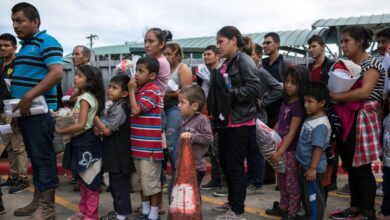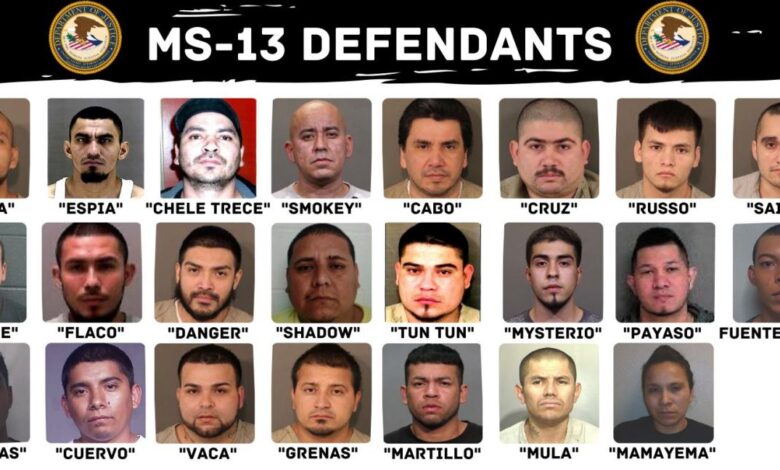
Media Fails to Note 6 Murder Suspects Are Illegal Immigrants MS-13 Gangbangers
Media fails to note 6 murder suspects are illegal immigrants ms 13 gangbangers – Media fails to note 6 murder suspects are illegal immigrants MS-13 gangbangers – a shocking headline that reveals a disturbing trend. This isn’t just about a single crime; it’s about how the media chooses to frame narratives surrounding immigration and crime, often omitting crucial details that could offer a more complete picture. We’ll delve into how selective reporting shapes public perception, potentially fueling biases and influencing policy discussions.
The question isn’t just
-what* happened, but
-how* it’s being reported and the implications of that.
This post explores the complexities of media coverage when dealing with crimes involving undocumented immigrants and gang affiliations. We’ll examine specific examples, comparing headlines and narratives from different news outlets to highlight discrepancies in emphasis on immigration status. We’ll also discuss the ethical considerations of reporting on such sensitive topics and explore alternative ways to present these stories without perpetuating harmful stereotypes.
Impact of Selective Reporting on Public Opinion
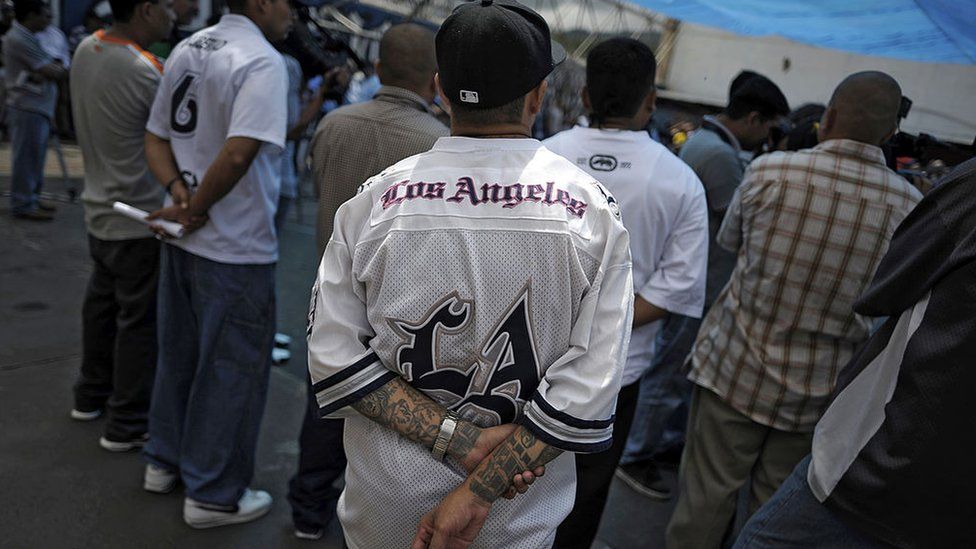
Selective reporting of crime statistics, particularly those involving immigration status, significantly influences public perception and fuels harmful narratives. The deliberate omission or highlighting of specific details can create a distorted reality, shaping opinions and influencing policy decisions based on incomplete or biased information. This manipulation of information erodes public trust in both the media and governmental institutions.The way crime statistics are presented can profoundly impact public opinion on immigration.
For instance, focusing solely on crimes committed by individuals who are undocumented immigrants, while ignoring crimes committed by citizens or legal residents, creates a skewed perception of the overall crime rate among immigrant populations. This selective focus reinforces pre-existing biases and anxieties, leading to a disproportionate fear of immigrants and a demand for stricter immigration policies. Conversely, failing to mention the number of suspects who are
not* immigrants, in cases like the one mentioned in the introduction, allows for the creation of a false narrative that links a specific crime to an entire demographic.
It’s infuriating how the media ignores the fact that six murder suspects in this case are illegal immigrants and MS-13 gang members. This selective reporting makes me wonder about the priorities of some news outlets. It’s a stark contrast to the intense coverage given to the Hunter Biden situation, as evidenced by reports like this one: whistleblowers reveal fbi has voluminous evidence of potential hunter biden criminal conduct senator.
The double standard is glaring; why the silence on the MS-13 gang members implicated in these murders?
Omission of Contextual Details Skews Public Understanding
The omission of crucial details, such as the overall crime rate, the demographics of the broader population, and the number of crimes committed by individuals with different immigration statuses, drastically alters public understanding. For example, if a news report highlights that six murder suspects are undocumented immigrants, without mentioning that thousands of other crimes were committed by citizens or legal residents, the public is left with a distorted view of the reality.
This selective reporting can foster a climate of fear and distrust towards immigrant communities, regardless of their actual contribution to crime statistics. A balanced report would provide a comprehensive picture, including the total number of crimes committed, the immigration status of all suspects, and comparative statistics to contextualize the reported incidents.
It’s infuriating how the media downplays the fact that six murder suspects were illegal immigrants and MS-13 gang members. This selective reporting makes it harder to address the real issues. And it’s even more disturbing considering the recent report, us government transported dozens of unaccompanied minor illegal immigrants to NY , highlighting the ongoing challenges with border security.
The lack of transparency surrounding these situations only fuels public distrust and hinders effective solutions to the underlying problems related to crime and immigration.
Consequences of Biased Reporting on Immigration Policies and Public Trust
Biased reporting on crime and immigration fuels divisive rhetoric and can directly influence policy decisions. The public, exposed to consistently negative portrayals of immigrants as criminals, may demand stricter immigration enforcement, border security measures, and anti-immigrant policies. This can lead to the erosion of public trust in media outlets perceived as biased, and damage relationships between immigrant communities and law enforcement.
It’s infuriating how the media’s silent on the fact that six murder suspects are illegal immigrants and MS-13 gang members. Seriously, where’s the outrage? Meanwhile, California’s facing a power crunch, so much so that they’ve extended a flex alert and are urging people not to charge their electric vehicles, as you can read here: california extends flex alert warns drivers not to charge electric cars.
It’s almost like some stories are deemed more important than others, and the silence around this murder case is deafening.
Furthermore, the resulting policies can have detrimental effects on immigrant communities, leading to discrimination, fear, and limited access to essential services.
Potential Effects of Biased Crime Reporting on Different Demographics
The effects of biased crime reporting are not uniform across different demographic groups.
- Immigrant Communities: Biased reporting fosters a climate of fear, discrimination, and mistrust towards law enforcement and society at large. It can lead to self-segregation, reluctance to report crimes, and limited access to social services.
- Native-Born Citizens: Exposure to biased reporting can reinforce pre-existing prejudices and anxieties, fueling anti-immigrant sentiment and supporting policies that restrict immigration.
- Law Enforcement: Biased reporting can create an environment where law enforcement agencies are pressured to focus disproportionately on immigrant communities, potentially leading to racial profiling and biased policing practices.
- Policy Makers: Exposure to skewed crime statistics can influence policy decisions towards stricter immigration laws, potentially overlooking the contributions of immigrants to society and the potential negative consequences of such policies.
Alternative Framing of the Narrative: Media Fails To Note 6 Murder Suspects Are Illegal Immigrants Ms 13 Gangbangers
The recent media coverage of the six murder suspects, all allegedly members of the MS-13 gang, has understandably sparked public outrage. However, the overwhelming emphasis on their immigration status obscures other crucial aspects of the story and risks fueling harmful stereotypes. A more nuanced approach is necessary, one that prioritizes a factual account of the crime itself while avoiding inflammatory language and generalizations about entire groups of people.The current framing, heavily reliant on the suspects’ immigration status, fosters a narrative that links illegal immigration directly to violent crime.
This oversimplification ignores the complexities of both immigration and gang violence. Focusing solely on immigration status distracts from the deeper issues at play, such as the underlying causes of gang activity, the effectiveness of law enforcement strategies, and the need for comprehensive solutions to violent crime.
Alternative Headlines and Opening Paragraphs
Several alternative headlines and opening paragraphs could shift the focus away from immigration status and onto other relevant aspects of the case. Consider these examples:* Headline 1 (Focus on the Crime): “Six Arrested in Brutal Multiple Homicide; Investigation Ongoing”
Opening Paragraph 1
“Six individuals have been arrested in connection with the brutal murders of [victims’ names]. The investigation is ongoing, and authorities are working to determine the full extent of the suspects’ involvement and motives.”* Headline 2 (Focus on Gang Activity): “MS-13 Gang Members Indicted in Series of Murders”
Opening Paragraph 2
“Members of the MS-13 gang have been indicted on multiple counts of murder following a lengthy investigation. Authorities believe the suspects are responsible for a series of violent crimes in the [location] area.”* Headline 3 (Focus on Law Enforcement): “Major Breakthrough in Series of Unsolved Murders”
Opening Paragraph 3
“A significant breakthrough has been achieved in the investigation into a series of unsolved murders. Six suspects have been apprehended, and law enforcement officials are confident that this will lead to justice for the victims and their families.”
Ethical Implications of Emphasizing Immigration Status
The ethical implications of emphasizing the immigration status of the suspects are significant. Such reporting can easily contribute to the spread of misinformation and xenophobia. By highlighting immigration status, news outlets risk reinforcing harmful stereotypes that link all immigrants, particularly those who are undocumented, to violence and crime. This type of reporting is not only inaccurate but also fuels prejudice and discrimination.
Responsible journalism demands a focus on factual reporting, avoiding generalizations and inflammatory language that could incite hatred or fear. A balanced approach considers the complexities of the situation, acknowledging the role of gang activity and the need for comprehensive crime prevention strategies.
Comparison of Framing Approaches
| Framing Approach | Headline Example | Focus | Potential Impact on Public Perception |
|---|---|---|---|
| Immigration-focused | “Illegal Immigrant MS-13 Gang Members Charged with Murder” | Immigration status, gang affiliation | Increased fear and anti-immigrant sentiment; distraction from other relevant issues. |
| Crime-focused | “Six Arrested in Brutal Multiple Homicide” | Details of the crime, investigation | Focus on the crime itself, less likely to fuel prejudice. |
| Gang-focused | “MS-13 Gang Members Indicted in Series of Murders” | Gang activity, law enforcement response | Focus on organized crime, potentially leading to discussions about gang prevention. |
| Law Enforcement-focused | “Major Breakthrough in Series of Unsolved Murders” | Success of law enforcement, investigation | Positive portrayal of law enforcement, potentially increasing public trust. |
Legal and Ethical Considerations in Crime Reporting
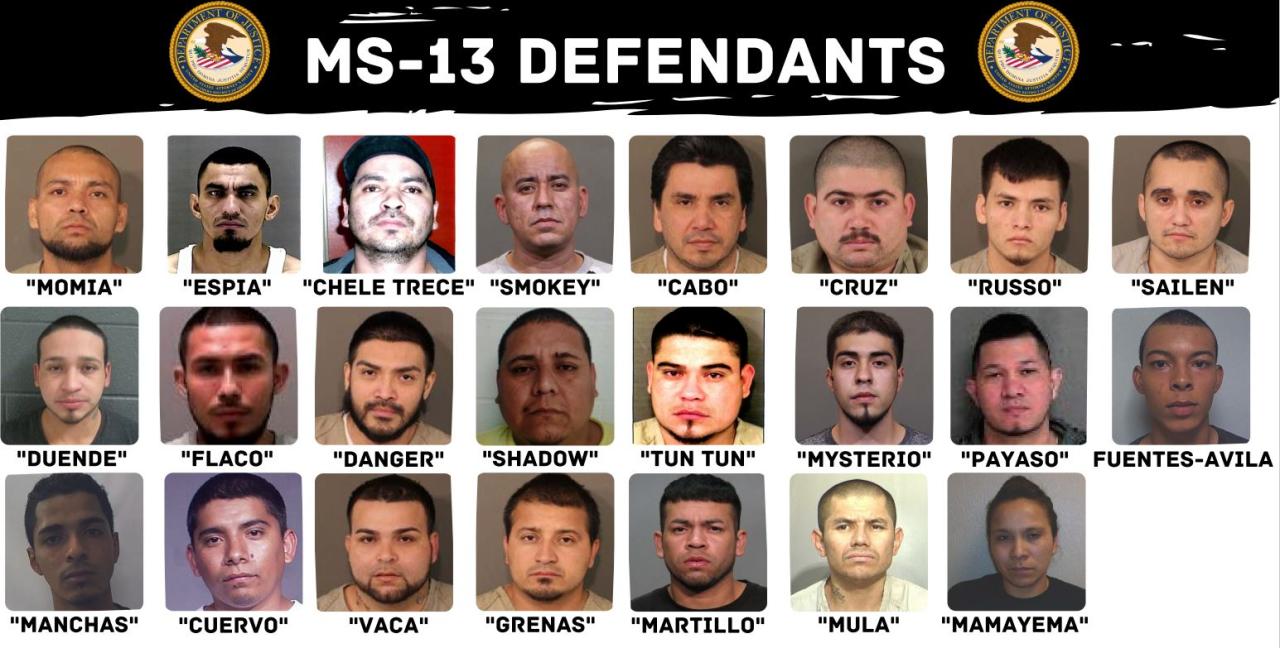
The reporting of crimes involving undocumented immigrants presents a complex ethical and legal landscape. The inherent tension between informing the public and avoiding the spread of misinformation and harmful stereotypes requires careful consideration of journalistic practices and legal responsibilities. The potential for bias and the impact on public perception necessitate a rigorous approach to accuracy and fairness.The legal implications often revolve around defamation and the potential for inciting hatred or violence.
While the First Amendment protects freedom of the press, it does not shield reporters from liability for publishing false or misleading information that harms an individual’s reputation or incites unlawful action. Accurately reporting the immigration status of a suspect, while legally permissible, can easily become problematic if it’s presented in a way that suggests a causal link between immigration status and criminal behavior.
This is particularly crucial given the potential for such reporting to fuel xenophobia and prejudice.
Potential for Bias and Misinformation in Crime Reporting Concerning Immigration, Media fails to note 6 murder suspects are illegal immigrants ms 13 gangbangers
Bias in crime reporting concerning immigration manifests in several ways. Overrepresentation of immigrants in crime stories, even if statistically accurate in a specific context, can create a distorted perception of immigrants as inherently more criminal than the general population. Conversely, underreporting crimes committed by citizens might create an opposite, equally skewed perception. The use of inflammatory language or the selection of specific details can further exacerbate this bias.
For example, repeatedly referring to suspects as “illegal aliens” instead of using more neutral terms like “undocumented immigrants” contributes to a negative portrayal. Furthermore, focusing solely on the immigration status of a suspect while ignoring other relevant details of the crime or the suspect’s background presents an incomplete and potentially misleading picture. Misinformation can spread rapidly, particularly through social media, leading to the reinforcement of harmful stereotypes and the escalation of anti-immigrant sentiment.
Responsible Reporting Practices When Dealing with Sensitive Issues Like Immigration and Crime
Responsible reporting requires a commitment to accuracy, fairness, and context. This begins with verifying information from multiple reliable sources and avoiding generalizations. Reporters should strive to present a balanced picture by including relevant data on crime rates among different populations, and by avoiding language that perpetuates stereotypes or biases. Critically important is the contextualization of the crime within a broader understanding of immigration and its impact on society.
Highlighting the complexities of the issue, including the contributions of immigrants to their communities, helps to counter the potentially harmful effects of focusing solely on crime. The use of neutral language, avoiding inflammatory terms and focusing on facts rather than opinions, is also crucial. Finally, responsible reporting necessitates a commitment to transparency, acknowledging any limitations or uncertainties in the information presented.
Examples of Responsible and Irresponsible Reporting
An example of irresponsible reporting would be a news story that highlights the immigration status of a suspect in a crime while neglecting to mention that the crime rate among this specific immigrant group is statistically lower than the national average. Such a report would create a misleading impression, reinforcing negative stereotypes. In contrast, responsible reporting might focus on the facts of the crime itself, mentioning the suspect’s immigration status only if it is directly relevant to the investigation or the legal proceedings.
A responsible report might also include data on crime rates among different demographics, contextualizing the incident within a broader societal picture. For example, a story might mention that while the suspect was undocumented, studies show that undocumented immigrants are less likely to commit violent crimes than native-born citizens. This provides a balanced perspective, avoiding the creation of false correlations.
The selective reporting of crimes involving undocumented immigrants and gang members paints an incomplete and potentially misleading picture for the public. By focusing solely on immigration status, crucial context is lost, leading to skewed perceptions and potentially fueling harmful biases. Responsible journalism demands a balanced approach, presenting all relevant facts without sensationalizing or omitting critical details. Ultimately, understanding the nuances of media representation is crucial for fostering informed public discourse and promoting fair and accurate reporting on all crimes, regardless of the suspects’ backgrounds.