Over 6 Million Americans Have Dropped Off Food Stamps Since Trump Took Office
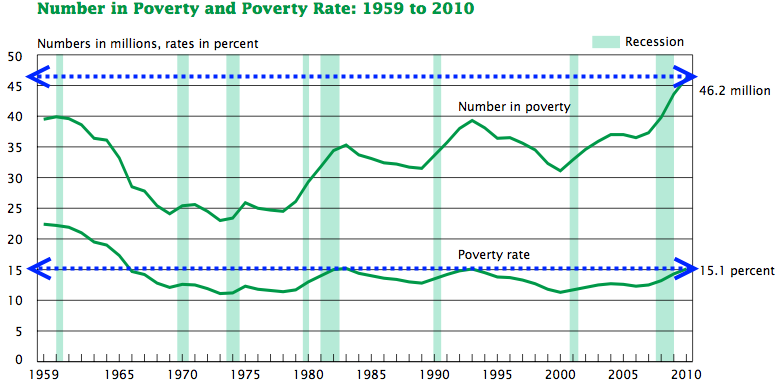
Over 6 million Americans have dropped off food stamps since Trump took office, a staggering statistic that raises questions about the state of food security in the United States. This decline in SNAP (Supplemental Nutrition Assistance Program) participation has been attributed to a complex interplay of factors, including policy changes, economic trends, and demographic shifts. The Trump administration implemented several changes to SNAP, including stricter work requirements and eligibility restrictions, which have been argued to have a significant impact on access to food assistance.
This shift has sparked debate about the effectiveness of these policies in promoting self-sufficiency and the potential consequences for individuals and families struggling with food insecurity.
Examining the reasons behind this decline is crucial to understanding the broader implications for food security in the United States. This analysis delves into the specific policy changes implemented during Trump’s presidency, exploring their intended and unintended consequences. It also investigates the correlation between SNAP participation and economic factors like employment rates and wages, highlighting the potential role of economic policies in influencing food security.
Furthermore, the analysis examines demographic trends in SNAP participation, considering potential shifts in eligibility criteria and program access. Finally, it explores the role of alternative food assistance programs in supporting those who may have lost access to SNAP benefits, discussing their effectiveness and limitations.
Demographic Trends and Eligibility
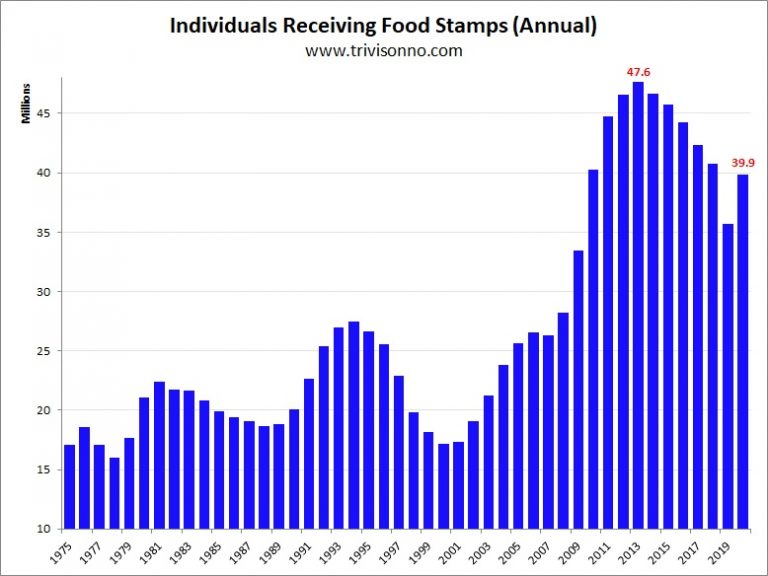
The decline in SNAP participation since the Trump administration took office has been accompanied by significant shifts in the demographics of those receiving benefits. Understanding these trends is crucial for evaluating the effectiveness of the program and assessing the overall need for food assistance. This section explores demographic changes in SNAP participation, focusing on age, race, and geographic location, and examines potential shifts in eligibility criteria or program access that may have contributed to the decline.
It’s alarming that over 6 million Americans have dropped off food stamps since Trump took office, highlighting the struggles many face in accessing basic necessities. While this paints a picture of economic hardship, it’s crucial to consider the broader context, including the potential consequences of a rapid energy transition. A recent report, energy transition a dangerous delusion report , warns about the dangers of neglecting reliable energy sources, which could exacerbate economic challenges and further impact food security.
The report emphasizes the need for a balanced approach that considers both environmental sustainability and economic stability, ultimately impacting the lives of those struggling to afford basic needs like food.
Age Distribution
The age distribution of SNAP recipients has undergone notable changes. While older adults have historically constituted a significant portion of SNAP recipients, their participation has declined in recent years. This trend is likely due to several factors, including:
- Increased Social Security benefits: Rising Social Security payments may have pushed some seniors above the income threshold for SNAP eligibility.
- Improved health and economic security: Some older adults may have experienced improvements in their health and economic circumstances, leading to a decrease in their need for food assistance.
- Changes in eligibility rules: The Trump administration implemented stricter work requirements for able-bodied adults without dependents, which may have disproportionately impacted older adults seeking to supplement their income.
Conversely, the number of younger adults, particularly those aged 18-34, participating in SNAP has increased. This trend could be attributed to factors such as:
- Rising costs of living: The increasing cost of housing, healthcare, and education may be pushing more young adults into poverty and reliance on food assistance programs.
- Stagnant wages: The lack of significant wage growth for many young workers, coupled with rising costs of living, may be contributing to their need for SNAP benefits.
- Economic instability: The prevalence of gig economy work and the increasing vulnerability to job loss may be making younger adults more reliant on SNAP during periods of unemployment or underemployment.
Alternative Food Assistance Programs
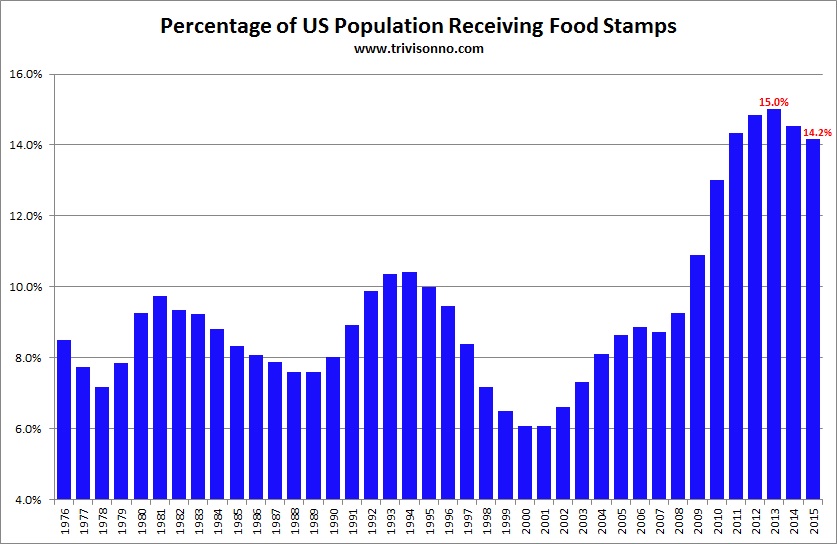
While SNAP provides a crucial lifeline for many low-income Americans, the loss of access to these benefits has led to a heightened reliance on alternative food assistance programs. These programs, often run by non-profit organizations and community groups, play a vital role in filling the gap left by SNAP cuts.
Role of Food Banks and Community Kitchens, Over 6 million americans have dropped off food stamps since trump took office
Food banks and community kitchens offer a range of services to address food insecurity, providing a safety net for those who have lost access to SNAP benefits.
- Food Banks: These organizations collect and distribute food donations to individuals and families in need. They often operate through a network of food pantries and soup kitchens, providing a readily accessible source of food assistance.
- Community Kitchens: These programs prepare and serve meals to low-income individuals and families, particularly those who may lack the resources or skills to cook for themselves. They often provide a social setting where individuals can connect with others and access a nutritious meal.
Effectiveness of Alternative Programs Compared to SNAP
While alternative food assistance programs provide valuable support, they face limitations compared to SNAP in terms of meeting the needs of low-income individuals and families.
- Scope and Reach: SNAP provides consistent financial assistance to eligible households, allowing them to purchase a wide range of food items from grocery stores. In contrast, food banks and community kitchens often operate with limited resources and may not be able to provide the same level of support.
- Choice and Dignity: SNAP allows individuals to choose the food they need and want, promoting autonomy and dignity. Food banks and community kitchens may have limited options and may not always offer the same level of choice.
- Sustainability: SNAP provides a regular source of income, helping to address food insecurity in the long term. Alternative programs often rely on donations and funding, which can fluctuate and create uncertainty for those relying on their services.
Challenges and Limitations of Relying on Alternative Programs
While alternative food assistance programs provide a crucial safety net, their reliance on donations and funding can pose significant challenges.
- Limited Resources: Food banks and community kitchens often operate with limited resources, struggling to meet the growing demand for food assistance.
- Funding Fluctuations: These programs rely heavily on donations and grants, which can fluctuate depending on economic conditions and public support.
- Accessibility: Food banks and community kitchens may be geographically limited, making it difficult for individuals in remote areas to access their services.
- Stigma: Seeking assistance from food banks and community kitchens can be stigmatizing, potentially discouraging individuals from accessing the support they need.
Long-Term Implications for Food Security: Over 6 Million Americans Have Dropped Off Food Stamps Since Trump Took Office
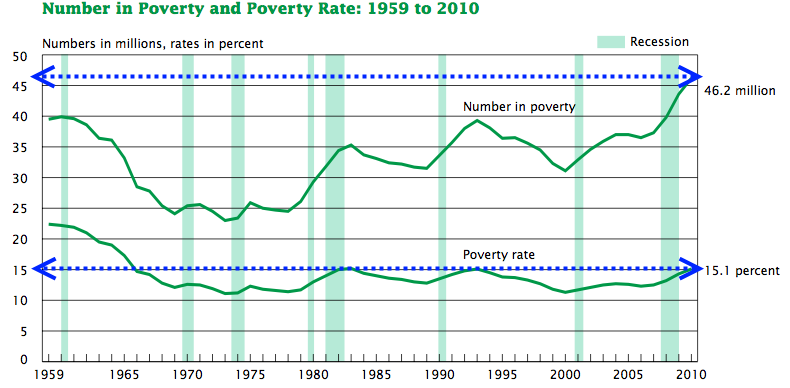
The decline in SNAP participation, particularly since 2017, raises significant concerns about the long-term implications for food security in the United States. While some individuals may have found alternative sources of income or food assistance, the reduction in SNAP benefits could have lasting consequences for vulnerable populations, impacting hunger rates, child nutrition, and overall health outcomes.
Potential Impact on Hunger Rates
The decline in SNAP participation could lead to an increase in hunger rates, particularly among low-income households. Studies have shown a strong correlation between SNAP participation and reduced food insecurity. For example, a 2018 study by the Center on Budget and Policy Priorities found that SNAP participation significantly reduced the risk of hunger, with the greatest benefits observed among children and families.
A decrease in SNAP benefits could reverse these gains, potentially pushing more individuals and families into food insecurity.
The decline in SNAP participation since Trump took office underscores the complex and interconnected nature of food security in the United States. It highlights the need for a nuanced understanding of the factors influencing access to food assistance, including policy changes, economic conditions, and demographic trends. This analysis has shed light on the potential impact of policy changes on SNAP participation and the importance of considering both intended and unintended consequences.
It has also emphasized the role of economic factors in shaping food security and the need for robust safety nets to support individuals and families struggling with food insecurity. Ultimately, addressing food insecurity requires a multifaceted approach that considers the interconnectedness of social, economic, and policy factors.
It’s hard to ignore the stark reality that over 6 million Americans have dropped off food stamps since Trump took office. This isn’t just a statistic, it’s a reflection of the struggles many face in a system that often feels rigged against them. And while the US government tries to control the flow of technology through measures like the new chip ban, China is moving aggressively to secure its own supply chain, as seen in their recent move to buy a German semiconductor factory china moves to buy german semiconductor factory after new us chip ban.
It makes you wonder, are we really prioritizing the right things when millions of our own citizens are struggling to put food on the table?
It’s hard to ignore the stark contrast between the news that over 6 million Americans have dropped off food stamps since Trump took office and the recent release of drone footage showing a new wall system being built. While the wall is a highly visible symbol of the administration’s policies, the decrease in food stamp participation speaks volumes about the struggles many Americans are facing.
It begs the question: are these two events connected, and if so, how?