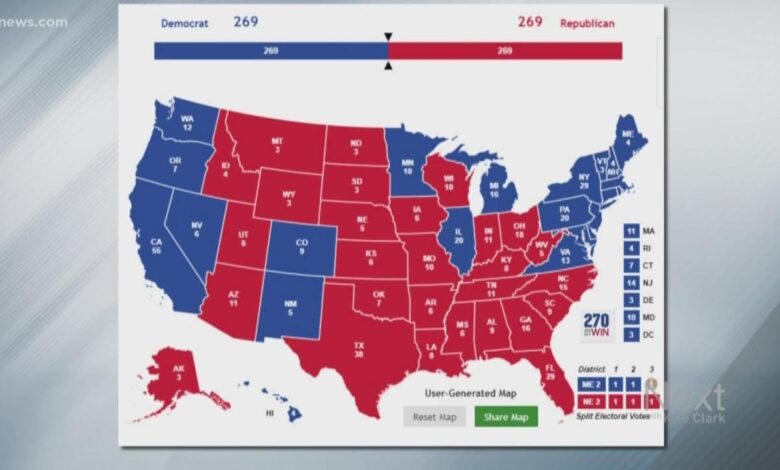
Maine Set to Become First State for Ranked Voting in Presidential Elections
Maine set to become first state to allow ranked voting in presidential election – Maine is poised to become the first state to allow ranked-choice voting in presidential elections, a move that could significantly impact the national political landscape. Ranked-choice voting, also known as instant-runoff voting, allows voters to rank candidates in order of preference. If no candidate receives a majority of first-place votes, the candidate with the fewest votes is eliminated, and their votes are redistributed according to the voters’ second choices.
This process continues until one candidate secures a majority, potentially leading to more moderate and inclusive outcomes.
The implications of Maine’s decision extend beyond its borders. Proponents of ranked-choice voting argue that it could increase voter turnout, reduce negative campaigning, and encourage more diverse candidates to run for office. Opponents, however, raise concerns about the system’s complexity and the potential for strategic voting. As Maine prepares to implement this innovative election system, the national conversation on electoral reform is sure to intensify.
Maine’s Ranked-Choice Voting System
Maine’s adoption of ranked-choice voting (RCV) for its presidential elections marks a significant step in electoral reform. The system, also known as instant runoff voting, aims to ensure that the winner of an election is the candidate who receives the most support from voters, not just a plurality.
How Ranked-Choice Voting Works in Maine
Maine’s RCV system allows voters to rank candidates in order of preference. If no candidate receives a majority of first-choice votes, the candidate with the fewest votes is eliminated. The votes cast for the eliminated candidate are then redistributed based on the voters’ second choices. This process continues until one candidate receives a majority of the votes.
The Process of Ranking Candidates and Determining a Winner, Maine set to become first state to allow ranked voting in presidential election
- Ranking Candidates: Voters mark their ballot by ranking the candidates from their first choice to their last choice. They can choose to rank as many or as few candidates as they like.
- Initial Vote Count: After the polls close, the votes are counted. If any candidate receives more than 50% of the first-choice votes, they are declared the winner.
- Elimination and Redistribution: If no candidate receives a majority, the candidate with the fewest first-choice votes is eliminated. The votes cast for the eliminated candidate are then redistributed based on the voters’ second choices.
- Continuing the Process: The redistribution of votes continues until one candidate receives a majority of the votes. This may involve multiple rounds of elimination and redistribution.
The History of Ranked-Choice Voting in Maine
Maine’s journey to adopting ranked-choice voting has been a long one. The state first adopted RCV for its congressional elections in 2018. The decision followed years of debate and advocacy by proponents of electoral reform. In 2016, Maine voters approved a ballot measure to implement RCV for presidential elections, with the system taking effect in 2020.
Maine’s move to become the first state to allow ranked voting in the presidential election is a significant step towards electoral reform. It’s a reminder that the way we choose our leaders is constantly evolving, and the public is increasingly demanding a system that reflects their values. This shift towards ranked voting is particularly interesting in light of recent events, such as the revelation that the US government’s filter team disclosed potentially privileged Trump records to case agents, as reported by MolNewsNet.
These developments highlight the need for transparency and accountability in our political processes, which ranked voting can potentially contribute to by providing voters with more agency and ensuring that every vote counts.
Potential Impacts of Ranked-Choice Voting
Maine’s decision to become the first state to allow ranked-choice voting in presidential elections has sparked debate about the potential impacts of this system. While the system aims to improve the electoral process, it’s crucial to analyze its potential advantages and drawbacks.
Advantages of Ranked-Choice Voting
Ranked-choice voting (RCV) has the potential to improve the electoral process in several ways. This system, where voters rank candidates in order of preference, could lead to more representative outcomes and encourage candidates to appeal to a broader range of voters.
- Increased Voter Engagement: RCV could potentially increase voter turnout, as voters might feel more motivated to participate knowing their vote can still contribute to the outcome even if their first-choice candidate is eliminated. This could be particularly beneficial for voters who feel their preferred candidate has little chance of winning under a traditional first-past-the-post system.
- Reduced Negativity: RCV could potentially reduce the level of negativity and personal attacks in campaigns. Candidates might be less inclined to engage in mudslinging if they know they need to appeal to a broader spectrum of voters to secure a win. Instead of focusing on attacking opponents, they might prioritize presenting their own vision and policies to attract voters who ranked them second or third.
Maine is set to become the first state to allow ranked-choice voting in the presidential election, a system that could potentially shift the political landscape. It’s a fascinating development, especially considering the news that the US debt has topped $31 trillion for the first time ever, a result attributed to the Biden administration’s spending spree. With these changes, it’s clear that the American political system is in a state of flux, and Maine’s pioneering move towards ranked-choice voting might be a sign of things to come.
- More Representative Outcomes: RCV could potentially lead to more representative outcomes, as it allows for the preferences of a wider range of voters to be considered. In a traditional first-past-the-post system, a candidate can win even if they don’t have the majority of the votes. RCV, on the other hand, requires a candidate to secure a majority of the votes to win, potentially leading to more consensus-based outcomes.
Drawbacks of Ranked-Choice Voting
While RCV presents potential benefits, it’s essential to acknowledge potential drawbacks that could arise from its implementation.
- Complexity: RCV might be perceived as complex by some voters, particularly those unfamiliar with the system. This could lead to confusion and potentially discourage voter participation, especially among older voters or those with lower levels of political engagement.
- Strategic Voting: RCV could encourage strategic voting, where voters might not rank their true preferences to influence the outcome. For instance, a voter might rank a candidate they dislike higher than their actual preference to prevent a more undesirable candidate from winning. This could potentially lead to outcomes that don’t accurately reflect the true preferences of the electorate.
Comparison with Other Election Systems
RCV differs from other election systems used in the United States, such as the traditional first-past-the-post system and the primary system.
- First-Past-the-Post: The traditional first-past-the-post system, used in most US elections, simply awards the win to the candidate who receives the most votes, regardless of whether they have a majority. This system can lead to situations where a candidate wins with a minority of the votes, potentially neglecting the preferences of a significant portion of the electorate. RCV, on the other hand, requires a candidate to secure a majority of the votes, ensuring that the winner has broader support.
- Primary System: The primary system is used to select candidates for a political party’s nomination for an election. In this system, voters choose between candidates within the same party. RCV, however, is used in general elections where candidates from different parties compete. While the primary system can be seen as a way to narrow down the field of candidates, it can also lead to a situation where the candidate who wins the nomination is not necessarily the most popular choice within the party.
RCV, by requiring a majority vote, could potentially lead to a more representative candidate being selected for the general election.
National Implications of Maine’s Decision: Maine Set To Become First State To Allow Ranked Voting In Presidential Election
Maine’s decision to become the first state to allow ranked-choice voting in presidential elections could have significant implications for other states considering adopting this system. The move could potentially influence national politics and trigger a broader shift towards ranked-choice voting across the country.
Potential Impact on Other States
The success of ranked-choice voting in Maine could serve as a powerful case study for other states considering implementing this system. Seeing the system in action and observing its potential benefits could encourage other states to follow suit. The success of Maine’s implementation could also increase public awareness and support for ranked-choice voting, making it a more attractive option for policymakers in other states.
Potential for a Broader Shift
Maine’s decision could be a catalyst for a national shift towards ranked-choice voting. The potential for a broader shift is significant, as ranked-choice voting has been gaining traction in recent years, with several cities and states exploring its implementation.
Maine’s move to become the first state to allow ranked voting in the presidential election is definitely a step towards a more democratic system. While we’re on the topic of democracy, federal judge unseals more portions of trump search warrant affidavit is a reminder of the importance of transparency in our government. It’s a complex situation, but I believe that Maine’s decision on ranked voting is a positive step towards a fairer election process.
“Maine’s decision could be a tipping point for ranked-choice voting in the United States,” said [Name], [Position] at [Organization].
Political and Social Implications of National Adoption
The national adoption of ranked-choice voting could have profound political and social implications. It could potentially lead to:
Political Implications
- Increased voter participation: Ranked-choice voting could potentially increase voter participation by making elections more competitive and reducing the likelihood of a candidate winning with a plurality of the vote.
- Reduced polarization: Ranked-choice voting could potentially reduce political polarization by encouraging candidates to appeal to a broader range of voters. This could lead to more moderate candidates being elected and less extreme positions being taken on issues.
- More representative outcomes: Ranked-choice voting could lead to more representative outcomes by ensuring that the candidate who receives the most votes, not just a plurality, wins the election. This could potentially result in a more diverse range of candidates being elected.
Social Implications
- Increased civility: Ranked-choice voting could encourage candidates to engage in more civil discourse and focus on issues rather than attacking their opponents. This could potentially lead to a more respectful and productive political climate.
- Greater trust in the electoral system: Ranked-choice voting could potentially increase public trust in the electoral system by making it more fair and transparent. This could potentially lead to a more engaged and informed citizenry.
Public Opinion and Reactions
Maine’s decision to adopt ranked-choice voting for presidential elections has sparked a range of reactions, with supporters praising its potential to improve the electoral process and opponents expressing concerns about its complexity and potential unintended consequences.The public’s response to ranked-choice voting in Maine has been mixed, reflecting a variety of perspectives on the system’s merits and drawbacks.
Public Opinion on Ranked-Choice Voting
Public opinion on ranked-choice voting is a complex issue, with a diverse range of viewpoints emerging.
Arguments for and Against Ranked-Choice Voting
The debate surrounding ranked-choice voting has centered around a number of key arguments. Supporters argue that it promotes more moderate candidates, reduces the influence of negative campaigning, and increases voter participation. Opponents argue that it is too complex for voters to understand, could lead to unintended consequences, and could undermine the legitimacy of elections.
| Argument | For Ranked-Choice Voting | Against Ranked-Choice Voting |
|---|---|---|
| Candidate Moderation | Ranked-choice voting encourages candidates to appeal to a broader range of voters, potentially leading to more moderate candidates.
|
Ranked-choice voting could lead to candidates focusing on niche groups or appealing to a narrow base of voters.
|
| Negative Campaigning | Ranked-choice voting discourages negative campaigning, as candidates need to appeal to a wider range of voters to win.
|
Ranked-choice voting could lead to more strategic voting and encourage negative campaigning, as voters seek to eliminate candidates they dislike.
|
| Voter Participation | Ranked-choice voting could increase voter participation, as voters feel their vote has more impact.
|
Ranked-choice voting could lead to voter confusion and disenfranchisement, as voters struggle to understand the system.
|
Visual Representation of Public Opinion
Public opinion polls have shown that a majority of Americans support ranked-choice voting, with the level of support varying across different demographics and regions. [A bar graph could be used to represent this data, with the x-axis representing different demographics (e.g., age, gender, political affiliation) and the y-axis representing the percentage of support for ranked-choice voting. The graph could show that support for ranked-choice voting is highest among younger voters, women, and independents.]
Future of Ranked-Choice Voting in Maine
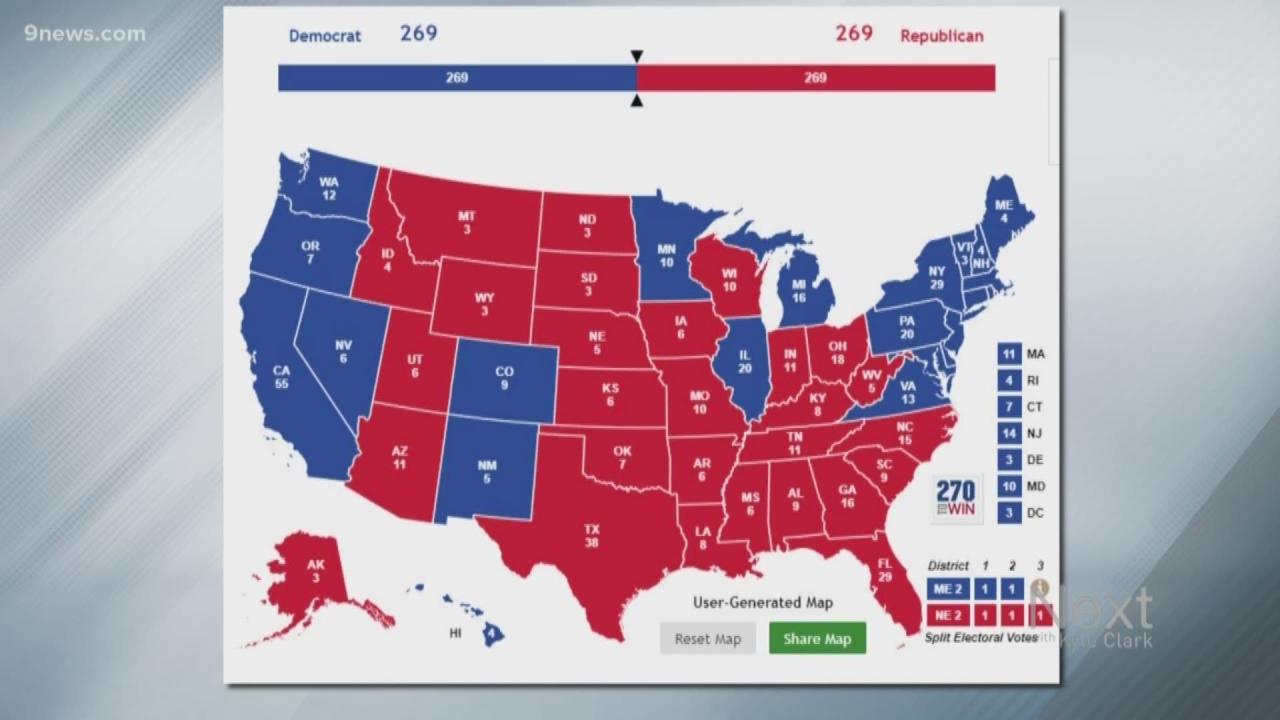
Maine’s adoption of ranked-choice voting (RCV) for presidential elections marks a significant step in the evolution of electoral systems in the United States. As the first state to implement this system at the national level, Maine is paving the way for potential nationwide reform. The success and future of RCV in Maine will be closely watched by other states and political observers, offering valuable insights into its potential impact on American democracy.
Implementation and Challenges
The implementation of RCV in Maine has been a gradual process, with the system first used for state and local elections in 2018. For presidential elections, Maine’s implementation is expected to proceed smoothly, building upon the experience gained from previous elections. However, there are potential challenges that need to be addressed. One concern is the need to educate voters about the system and how to cast their ballots.
RCV requires voters to rank their choices, which can be unfamiliar to those accustomed to traditional first-past-the-post systems. To mitigate this challenge, Maine has undertaken extensive public outreach efforts to inform voters about RCV, including educational materials and online resources.
Maine’s pioneering move towards ranked-choice voting in presidential elections signals a growing national interest in alternative election systems. The debate surrounding ranked-choice voting is likely to continue, with proponents and opponents weighing the potential benefits and drawbacks. As the nation watches Maine’s experience unfold, the future of ranked-choice voting in the United States remains uncertain but full of possibilities.