Federal Judge Blocks Visa, Mastercard Swipe Fee Settlement
Federal judge blocks massive swipe fee settlement between visa and mastercard – Federal Judge Blocks Visa, Mastercard Swipe Fee Settlement: A landmark ruling throws a wrench into a massive settlement agreement between Visa and Mastercard and a group of merchants, raising questions about the future of swipe fees and their impact on businesses.
The judge’s decision to block the settlement, which would have reduced swipe fees charged to merchants for credit card transactions, stems from concerns that it would not provide sufficient relief for merchants. The Department of Justice and the Federal Trade Commission also raised concerns about the settlement, arguing that it would not adequately address anti-competitive practices by Visa and Mastercard.
Background of the Case
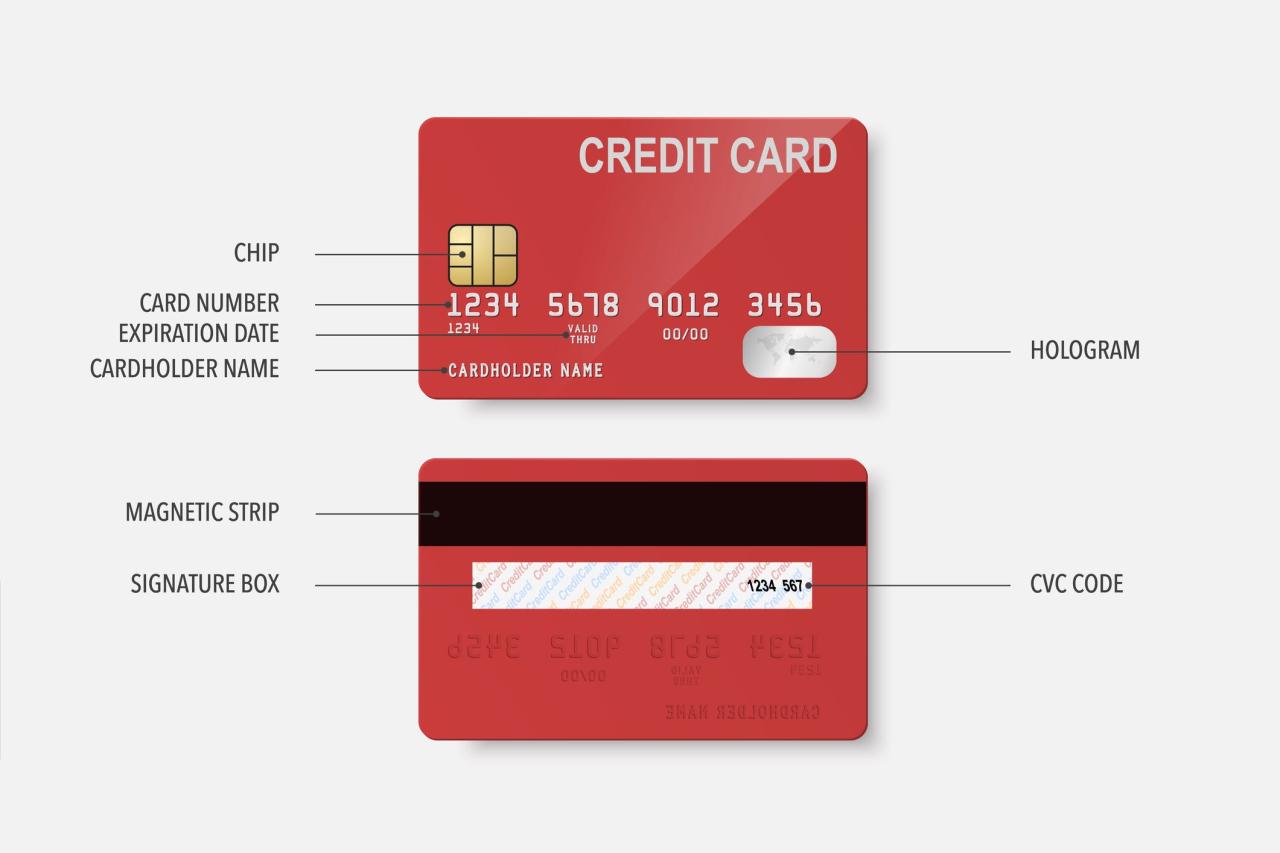
The recent decision by a federal judge to block a massive settlement agreement between Visa and Mastercard and a group of merchants has brought renewed attention to the ongoing debate over swipe fees, also known as interchange fees. These fees, charged by card networks to merchants for processing credit and debit card transactions, have been a source of contention for decades.
History of Swipe Fees and their Impact on Merchants
Swipe fees, a significant cost for merchants, are a percentage of each transaction, typically ranging from 1% to 3% for credit cards and 0.15% to 0.3% for debit cards. These fees, which are passed on to consumers through higher prices, have been a point of contention for merchants, who argue that they are excessive and stifle competition.
The federal judge’s decision to block the massive swipe fee settlement between Visa and Mastercard has major implications for the financial industry. It’s a reminder that even in the digital age, there are still challenges to overcome. Speaking of challenges, have you ever thought about how to use those plastic Easter eggs after the holiday?
There are actually 45 cool ways to use plastic easter eggs for learning ! Just like the swipe fee settlement, finding creative solutions is key to progress.
“Swipe fees, which are a percentage of each transaction, are typically ranging from 1% to 3% for credit cards and 0.15% to 0.3% for debit cards.”
The news cycle is spinning faster than a credit card swiped through a reader these days! A federal judge just blocked a massive swipe fee settlement between Visa and Mastercard, which is sure to impact everyone’s wallets. Meanwhile, the investigation into Hunter Biden is widening, with his art dealer now being subpoenaed, as reported in this article.
It seems like the legal landscape is constantly shifting, and it’s hard to keep up with all the developments. Back to those swipe fees though, I wonder how this ruling will impact the future of online payments?
Merchants have long argued that swipe fees, which are set by card networks, are too high and that they lack the bargaining power to negotiate lower rates. They argue that these fees make it difficult for them to compete with larger retailers, who can negotiate better terms with card networks.
This disparity in bargaining power has led to calls for increased regulation of the credit card industry.
Initial Settlement Agreement
In 2022, Visa and Mastercard reached a settlement agreement with a group of merchants, which included a significant reduction in swipe fees. This settlement, which was intended to resolve a long-standing antitrust lawsuit, was met with mixed reactions. While some merchants welcomed the reduction in fees, others argued that it did not go far enough.
Concerns Raised by the Department of Justice and the Federal Trade Commission, Federal judge blocks massive swipe fee settlement between visa and mastercard
The Department of Justice (DOJ) and the Federal Trade Commission (FTC) expressed concerns about the settlement, arguing that it would not adequately address the competitive concerns raised by the lawsuit. Both agencies argued that the settlement would allow Visa and Mastercard to continue to exercise undue influence over the market, potentially hindering competition and innovation.The DOJ and the FTC also argued that the settlement did not provide sufficient protection for consumers, who would ultimately bear the burden of higher prices if the settlement were to be approved.
The Judge’s Ruling

The judge, in a scathing decision, blocked the proposed settlement between Visa and Mastercard and the merchants, citing concerns about the deal’s fairness and transparency. The ruling, which could have significant implications for future swipe fee litigation, highlighted the judge’s skepticism towards the settlement’s ability to adequately address the merchants’ concerns.
The Judge’s Key Arguments
The judge’s decision was based on several key arguments, emphasizing the need for greater scrutiny and transparency in the settlement process.
- Lack of Transparency:The judge expressed concern about the lack of transparency in the settlement negotiations, stating that the process was shrouded in secrecy, making it difficult to assess the fairness of the agreement. The judge highlighted the fact that the merchants’ lawyers had not been given access to all the relevant information needed to properly evaluate the settlement, including data on the impact of swipe fees on their businesses.
- Insufficient Evidence:The judge also questioned the adequacy of the evidence presented to support the settlement’s terms. The judge argued that the settlement relied on assumptions and projections rather than concrete data, making it difficult to determine whether the proposed changes would actually benefit merchants.
This lack of solid evidence raised doubts about the settlement’s ability to achieve its stated objectives.
- Potential for Future Litigation:The judge further expressed concerns about the potential for future litigation if the settlement were to be approved. The judge argued that the settlement’s ambiguous language could lead to further disputes and legal challenges down the road, undermining its intended purpose of resolving the issue of swipe fees.
It’s a wild week for legal news! A federal judge just blocked a massive swipe fee settlement between Visa and Mastercard, throwing a wrench into the works for merchants who were hoping for relief. Meanwhile, the Supreme Court ruled that Congress can deny federal disability benefits to Puerto Rico residents, a decision that raises serious concerns about fairness and equity.
Back to the swipe fees, it’s unclear what this decision means for the future of the settlement, but it’s definitely a setback for merchants who were hoping to see some relief from these fees.
The judge highlighted the potential for ongoing legal battles, which could further delay any meaningful change for merchants.
The Legal Reasoning
The judge’s decision was based on established legal principles, particularly those governing class action settlements. The judge applied the “fairness” standard, which requires that settlements be demonstrably fair to all parties involved. The judge concluded that the proposed settlement did not meet this standard, as it lacked transparency, sufficient evidence, and clarity in its terms.
The judge’s decision underscored the importance of ensuring that settlements are not merely negotiated in secret but are subject to rigorous scrutiny to ensure their fairness and effectiveness.
Impact on Future Swipe Fee Litigation
The judge’s ruling has significant implications for future swipe fee litigation. It sets a precedent for greater scrutiny of settlements in this area, emphasizing the need for transparency, robust evidence, and clear language in settlement agreements. This heightened scrutiny could lead to more robust negotiations and potentially more favorable outcomes for merchants.
The ruling also signals the court’s willingness to challenge settlements that are perceived as unfair or inadequate, potentially leading to more litigation and a more thorough examination of the issue of swipe fees.
Impact on Merchants: Federal Judge Blocks Massive Swipe Fee Settlement Between Visa And Mastercard
The judge’s decision to block the settlement could have significant implications for merchants, potentially impacting their bottom line and their ability to negotiate lower swipe fees. The settlement, if approved, would have lowered swipe fees, which are the fees charged by Visa and Mastercard to process credit and debit card transactions.
This decision, however, leaves merchants in a state of uncertainty regarding their future costs.
Potential Cost Savings
The blocked settlement represents a missed opportunity for merchants to potentially save millions of dollars annually in swipe fees. If the settlement had been approved, it would have resulted in lower swipe fees, translating to direct cost savings for merchants.
For example, a small business processing $1 million in credit card transactions annually could have saved tens of thousands of dollars if the settlement had been implemented.
Future of Swipe Fee Regulation
The judge’s decision to block the massive swipe fee settlement between Visa and Mastercard has significant implications for the future of swipe fee regulation. This ruling sets a precedent and could influence future regulatory actions, potentially leading to more stringent oversight of swipe fees.
Increased Regulatory Scrutiny
The judge’s decision highlights the potential for increased regulatory scrutiny of swipe fees. The ruling suggests that regulators may be more inclined to challenge agreements that they deem unfair or anti-competitive. The Federal Trade Commission (FTC) and the Department of Justice (DOJ) may be more likely to investigate and potentially intervene in future swipe fee arrangements.
Last Point
This ruling could have significant implications for both merchants and the credit card industry. Merchants are hopeful that the decision will lead to lower swipe fees, while Visa and Mastercard are facing potential legal challenges and a need to reconsider their approach to swipe fee regulation.
The future of swipe fees remains uncertain, but this case has brought the issue to the forefront of public attention and sparked a renewed debate about the fairness and transparency of credit card transaction costs.