Kay Coles James Our Colleges Need Critical Thinking, Not Conformity
Kay coles james our colleges need to cultivate critical thinking scrap radical left conformity – Kay Coles James’s call to action, “our colleges need to cultivate critical thinking scrap radical left conformity,” echoes a growing concern among many about the state of higher education. While academic freedom is a cornerstone of higher learning, a disturbing trend towards conformity has emerged, potentially stifling the very intellectual curiosity and critical thinking that should flourish within university walls.
This essay will explore the historical context of critical thinking in education, analyze the current state of critical thinking in colleges, and identify the potential dangers of conformity on academic freedom. We will also discuss strategies for cultivating critical thinking through diverse perspectives and explore ways to evaluate the effectiveness of critical thinking development programs.
The Importance of Critical Thinking in Higher Education
Critical thinking is a vital skill that is essential for success in all aspects of life, particularly in higher education. It is the ability to analyze information, evaluate arguments, and form independent judgments. While the concept of critical thinking has been around for centuries, its importance in education has become increasingly recognized in recent decades.
Kay Coles James’s call for critical thinking in our colleges is more important than ever. The radical left’s push for conformity, often seen in the debate over gender identity, is a threat to open discussion. It’s encouraging to see that a majority of Americans, including a majority of Democrats, are skeptical of the practice of prescribing puberty blockers to minors, as reported in a recent poll nearly 80 percent of americans including most democrats oppose puberty blockers for minors.
Our universities should be places where challenging ideas are welcomed, not stifled, and that starts with fostering critical thinking and rejecting blind conformity.
The Historical Context of Critical Thinking in Education
The roots of critical thinking in education can be traced back to the ancient Greek philosophers, who emphasized the importance of reason and logic. Throughout history, educators have recognized the value of developing students’ critical thinking skills. In the 20th century, the rise of technology and the increasing complexity of information led to a renewed focus on critical thinking in education.
This emphasis has continued into the 21st century, as the world becomes increasingly interconnected and information is readily available from a multitude of sources.
The Role of Colleges in Fostering Critical Thinking
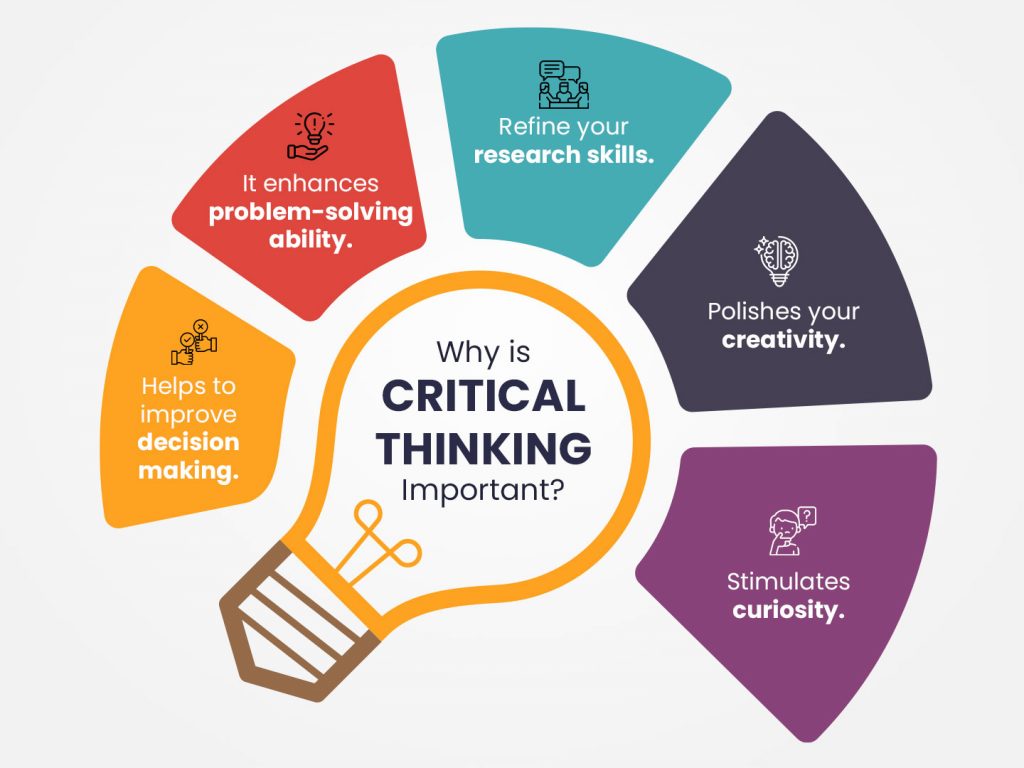
Colleges and universities have a crucial responsibility to cultivate critical thinking skills in their students. These skills are essential for navigating a complex and ever-changing world, enabling individuals to analyze information, solve problems, and make informed decisions. However, the current state of critical thinking in higher education raises concerns.
The Current State of Critical Thinking in Colleges
While many colleges and universities emphasize critical thinking in their mission statements, the reality on the ground is often different. A 2020 study by the National Center for Education Statistics found that only 30% of college graduates demonstrated strong critical thinking skills. This suggests a significant gap between stated goals and actual outcomes. Several factors contribute to this situation:
- Focus on Content Delivery: Traditional lecture-based teaching methods often prioritize the transmission of information over the development of critical thinking skills. Students may be expected to passively absorb facts and figures without engaging in deep analysis or evaluation.
- Emphasis on Standardized Tests: The pressure to achieve high scores on standardized tests, such as the SAT and ACT, can incentivize rote memorization and superficial understanding at the expense of critical thinking.
- Lack of Faculty Training: Many faculty members have not received adequate training in teaching critical thinking skills. This can lead to a lack of structured opportunities for students to develop these skills in their courses.
Designing a Curriculum Framework that Prioritizes Critical Thinking Development, Kay coles james our colleges need to cultivate critical thinking scrap radical left conformity
To address these challenges, colleges and universities need to adopt a more intentional approach to fostering critical thinking. A comprehensive curriculum framework can provide a roadmap for integrating critical thinking across all disciplines. Key elements of such a framework include:
- Explicitly Define Critical Thinking Skills: Colleges should clearly define the specific critical thinking skills they aim to develop in their students. This can include skills such as analysis, synthesis, evaluation, problem-solving, and decision-making.
- Integrate Critical Thinking Across Disciplines: Critical thinking should not be treated as an isolated subject but rather infused into all academic disciplines. This requires faculty to actively design and implement assignments and activities that promote critical thinking within their specific fields of study.
- Develop Assessment Tools: Colleges need to develop and utilize assessment tools that effectively measure students’ critical thinking skills. These tools should go beyond traditional multiple-choice exams and include assignments that require students to apply critical thinking skills to real-world problems.
Strategies for Integrating Critical Thinking into Diverse Academic Disciplines
Integrating critical thinking into diverse academic disciplines requires creativity and adaptability. Here are some strategies that can be employed:
- Case Studies and Simulations: Case studies and simulations provide students with real-world scenarios that require them to apply critical thinking skills to analyze complex problems and make informed decisions. For example, a business course might use a case study of a company facing a ethical dilemma, while a history course could simulate a historical event, requiring students to analyze primary sources and make informed interpretations.
- Debate and Discussion: Engaging in debates and discussions encourages students to critically evaluate different perspectives, formulate arguments, and defend their positions. This can be facilitated through classroom discussions, online forums, or formal debates.
- Project-Based Learning: Project-based learning tasks require students to work collaboratively to solve real-world problems, applying critical thinking skills to research, design, and implement solutions. For example, a science course could involve students designing and conducting an experiment to test a hypothesis, while an engineering course might involve students building a prototype for a new product.
Identifying and Addressing Barriers to Critical Thinking: Kay Coles James Our Colleges Need To Cultivate Critical Thinking Scrap Radical Left Conformity
Cultivating critical thinking in higher education is a complex endeavor, often hindered by various barriers that can impede students’ ability to engage in independent and reasoned thought. Understanding and addressing these barriers is crucial for creating an environment that encourages intellectual curiosity, analytical skills, and the ability to challenge assumptions.
Potential Biases that Hinder Critical Thinking
Biases are inherent to human cognition and can significantly affect our ability to think critically. They can lead to distorted perceptions, flawed judgments, and an unwillingness to consider alternative perspectives.
- Confirmation Bias: This bias refers to the tendency to favor information that confirms pre-existing beliefs while dismissing or downplaying contradictory evidence. It can make individuals resistant to new ideas and limit their ability to evaluate information objectively.
- Availability Heuristic: This bias occurs when individuals rely on readily available information or examples, often from personal experiences, to make judgments. It can lead to overestimating the frequency or importance of certain events or ideas, while underestimating others.
- Anchoring Bias: This bias refers to the tendency to rely heavily on the first piece of information received, even if it is irrelevant or inaccurate. It can make individuals resistant to changing their initial assumptions, even when presented with contradictory evidence.
- Framing Effect: This bias occurs when the way information is presented influences how individuals perceive and interpret it. For example, a choice presented as a gain is more likely to be favored than the same choice presented as a loss, even if the underlying outcomes are identical.
Influence of Social and Cultural Factors on Critical Thinking
Social and cultural factors can exert a powerful influence on critical thinking. These factors shape our values, beliefs, and perceptions, influencing how we process information and engage in critical analysis.
- Groupthink: This phenomenon occurs when individuals within a group prioritize conformity and consensus over critical thinking. It can lead to suppression of dissenting opinions and a reluctance to challenge group norms, hindering independent thought.
- Social Desirability Bias: This bias influences individuals to express opinions or beliefs that they perceive as socially acceptable, even if they do not genuinely hold those views. It can discourage open and honest discussion and inhibit the expression of dissenting opinions.
- Cultural Norms and Values: Different cultures have distinct norms and values that shape how individuals perceive the world and approach problem-solving. These cultural influences can impact critical thinking by influencing the types of evidence considered, the preferred modes of reasoning, and the acceptance of different perspectives.
The call for critical thinking in our colleges is not just about fostering intellectual curiosity; it’s about safeguarding the very foundation of our democracy. By encouraging students to think critically, challenge assumptions, and embrace diverse perspectives, we can equip them to become engaged citizens who contribute to a vibrant and informed society. This is a journey that requires the active participation of educators, administrators, and students alike, and it’s a journey worth taking.
Kay Coles James is right – our colleges need to cultivate critical thinking and scrap the radical left conformity that’s taking root. We need students who can analyze information, not just parrot talking points. The recent news that Trump said he wouldn’t stop Powell from resigning highlights this issue. If students are unable to critically assess the motivations and implications of such a statement, how can they effectively participate in a democratic society?
Kay Coles James is right – our colleges need to cultivate critical thinking, not radical left conformity. This is exactly why we need to be skeptical of the latest move by GOP lawmakers, who are introducing a resolution to audit Ukraine aid funds citing ties with a Democrat donor. This resolution , while potentially uncovering important information, also reeks of partisan maneuvering.
It’s crucial that we demand transparency from all sides, and that our institutions encourage critical thinking, not blind allegiance to any political ideology.