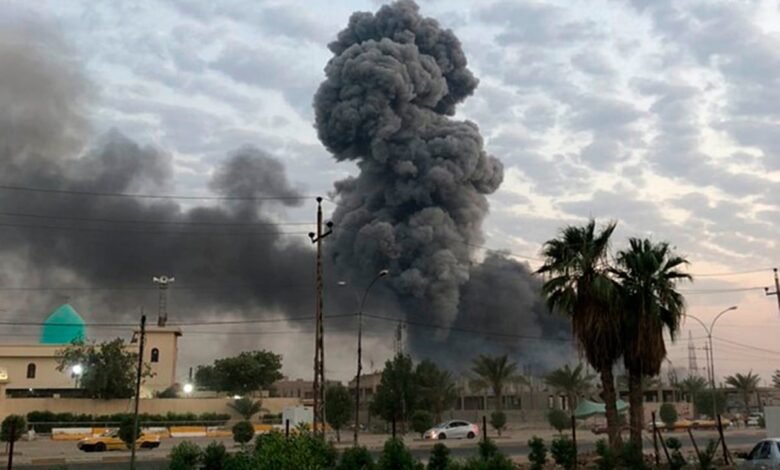
Israel Strikes Iran-Backed Militia Depot in Iraq
Israel bombs iran backed militia depot in iraq us officials confirm – the news sent shockwaves through the region, raising tensions and prompting a flurry of questions about the implications for regional security. This bold move by Israel, targeting an alleged Iranian-backed militia depot in Iraq, has once again brought the volatile US-Iran relationship to the forefront. The attack, which occurred on [date], has raised concerns about potential retaliation and escalation, leaving many wondering about the future trajectory of the conflict in the Middle East.
The strike, which targeted a facility reportedly used by Kata’ib Hezbollah, a powerful Iranian-backed militia operating in Iraq, has been condemned by Iran and its allies. However, Israel has defended its actions, claiming that the targeted facility was used to store weapons destined for attacks against Israeli forces. The incident has also sparked a heated debate about the role of Iran in Iraq, with some accusing Tehran of destabilizing the country by supporting armed groups.
The strike has also highlighted the complexities of the US-Iran relationship, as the US has been largely silent on the issue, leaving many to speculate about its stance on the matter.
The Israeli Strike: Israel Bombs Iran Backed Militia Depot In Iraq Us Officials Confirm
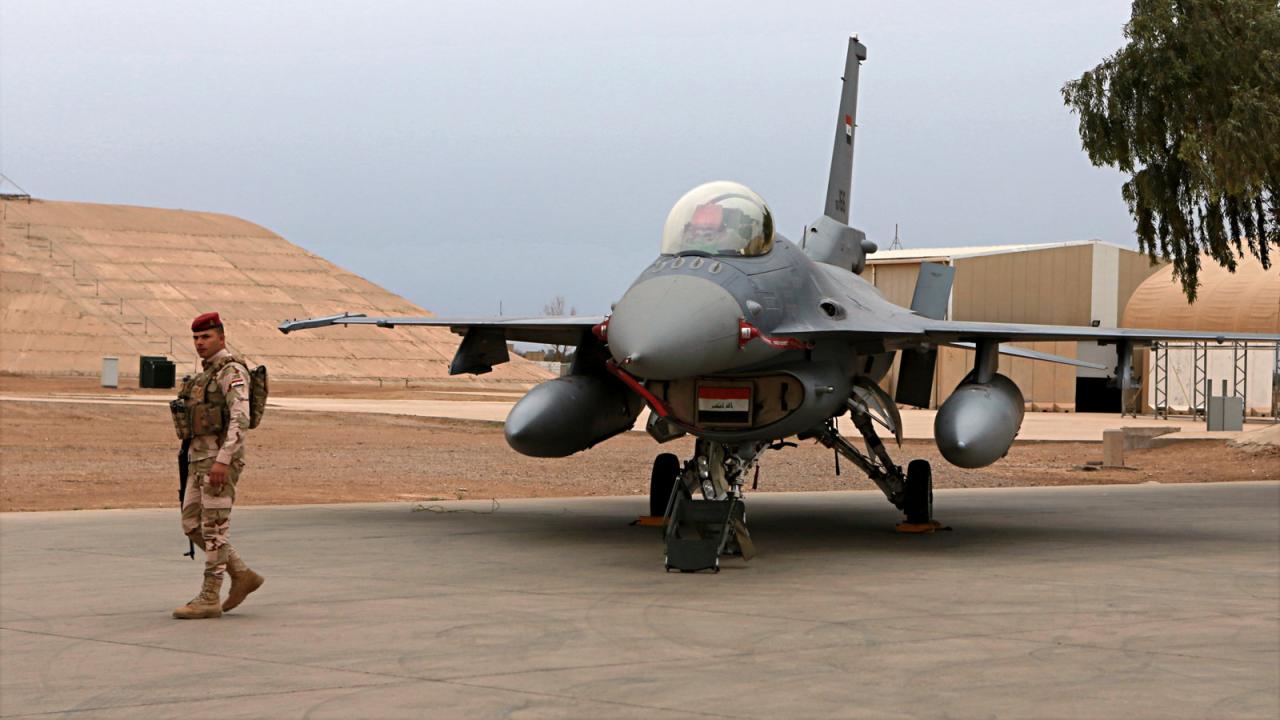
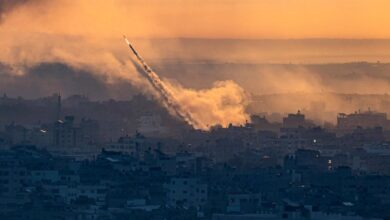
In a significant escalation of tensions in the Middle East, Israel launched an airstrike targeting a facility in eastern Syria, reportedly linked to Iran-backed militias. The strike, which occurred on July 17, 2023, has drawn international attention and raised concerns about the potential for further regional instability.
Details of the Strike
The Israeli airstrike targeted a facility in the eastern Syrian city of Deir ez-Zor, close to the Iraqi border. Reports suggest that the facility was a weapons depot used by Iran-backed militias, including the Kata’ib Hezbollah, a group that has been accused of carrying out attacks against US forces in Iraq.
Israeli Statements
Following the strike, Israeli officials confirmed the attack, stating that it was a preemptive measure to prevent Iran from establishing a military presence in Syria. They claimed that the facility housed weapons intended to be used against Israel and that the strike was necessary to protect Israeli security.
The news cycle is a whirlwind these days, from international conflicts like the Israeli airstrike on an Iran-backed militia depot in Iraq, to domestic debates like the growing concern over card companies labeling gun sales. The latter, an assault on the 2nd amendment over 100 republicans express concern over card companies labeling gun sales , is a hot topic that could have far-reaching implications.
It seems like every day there’s a new international crisis or domestic issue to grapple with, making it hard to keep up with everything.
Reactions to the Strike
The Israeli strike has been met with mixed reactions from the international community. While some countries, including the United States, have expressed support for Israel’s right to defend itself, others have condemned the attack as a violation of Syrian sovereignty. Iran has condemned the strike as an act of aggression and has vowed to retaliate.
The news cycle is a whirlwind these days, from the escalating tensions in the Middle East with Israel’s airstrikes targeting Iranian-backed militia depots in Iraq, to the soaring costs of groceries, which are rising at the fastest pace in 43 years, as reported in this recent article. It’s a stark reminder of the complex challenges we face on both a global and personal level, with geopolitical conflicts and economic anxieties intertwined in our daily lives.
Potential Implications
The Israeli airstrike highlights the ongoing tensions between Israel and Iran, as well as the complex geopolitical landscape in the Middle East. The strike has raised concerns about the potential for further escalation, particularly in light of Iran’s threats of retaliation. It remains to be seen how the international community will respond to this latest development and what impact it will have on regional stability.
Iranian Involvement
The Israeli strike on an Iranian-backed militia depot in Iraq has once again brought to light the complex relationship between Iran and Iraq, and the role that Iran plays in supporting armed groups in the region. While Iran has denied any involvement in the attack, evidence suggests that Iran has been providing support to various militias operating in Iraq, including those that were targeted in the recent strike.
The news cycle is certainly a whirlwind these days. Just when we’re trying to process the implications of Israel’s airstrike on an Iranian-backed militia depot in Iraq, we’re hit with another major development: warnock defeats walker in hard fought georgia senate runoff election. This victory will likely have a significant impact on the balance of power in the Senate, and could have far-reaching consequences for the ongoing conflict in the Middle East.
It’s hard to know where to focus our attention first, but it’s clear that both events will have major implications for the future.
Evidence of Iranian Support
The extent of Iranian support for these militias has been a subject of ongoing debate. However, various sources have provided evidence suggesting that Iran has been providing financial, logistical, and military support to these groups.
- Financial Support: Reports indicate that Iran has been providing financial assistance to these militias, which has been used to acquire weapons, equipment, and training.
- Logistical Support: Iran has also been providing logistical support, including the transportation of weapons and personnel.
- Military Training: Several reports have highlighted the role of Iranian military advisors in providing training to these militias, enhancing their combat capabilities.
Motivations for Iranian Support
Iran’s support for these militias can be attributed to several factors, including:
- Maintaining Influence: Iran seeks to maintain its influence in Iraq, which is strategically important due to its proximity to Iran and its shared border.
- Counteracting US Influence: By supporting militias, Iran aims to counter US influence in Iraq, which has been a key factor in the region’s political landscape.
- Protecting its Interests: Iran’s support for these militias is also seen as a way to protect its interests in Iraq, particularly in the face of US sanctions and pressure.
Comparison with Past Instances, Israel bombs iran backed militia depot in iraq us officials confirm
The current situation mirrors past instances of Iranian involvement in Iraq, where Iran has been actively supporting various militias, particularly after the US invasion in 2003. These past instances demonstrate a consistent pattern of Iranian involvement in Iraq, aimed at expanding its influence and countering US interests.
Regional Security Implications
The Israeli strike on an Iranian-backed militia depot in Iraq has far-reaching implications for regional security, particularly in its potential to exacerbate tensions between the US and Iran. This incident underscores the complexities of the ongoing proxy conflict in the Middle East and raises concerns about the potential for further escalation.
Potential for Escalation and Retaliation
The strike could trigger a chain reaction of retaliatory actions, potentially escalating the conflict. Iran, with its history of supporting militias in Iraq and its broader regional influence, may be compelled to respond to the attack. Possible responses could include:
- Increased Support for Proxies: Iran could provide greater financial, military, or logistical support to its allies in Iraq and the region, intensifying their activities against US interests. This could involve increased attacks on US bases or personnel in Iraq or the region.
- Cyberattacks: Iran has a history of using cyberattacks against its adversaries. It could target Israeli or US infrastructure, seeking to inflict economic or political damage.
- Direct Military Action: While a direct military confrontation with Israel or the US is unlikely, Iran could resort to limited strikes against targets in the region, such as maritime shipping lanes or military bases, as a means of retaliation.
This scenario underscores the delicate balance of power in the region and the potential for a sudden shift in dynamics.
Implications for Stabilizing Iraq
The strike further complicates the already fragile security situation in Iraq. The presence of Iranian-backed militias and their potential for retaliation poses a significant challenge to the Iraqi government’s efforts to maintain stability.
- Increased Violence: The strike could lead to a resurgence of violence in Iraq, as Iranian-backed militias seek to avenge the attack. This could result in increased attacks on Iraqi security forces, civilian targets, or US interests.
- Weakening of the Iraqi Government: The strike could further erode the Iraqi government’s authority, as it struggles to balance its relationships with both Iran and the US. This could lead to a further fragmentation of power and instability in the country.
- Political Tensions: The incident could deepen political divisions in Iraq, with pro-Iranian factions seeking to exploit the situation for political gain. This could lead to further instability and undermine efforts to form a unified and stable government.
The strike’s impact on Iraq’s stability is multifaceted, potentially hindering progress towards a peaceful and secure environment.
Historical Context
The Israeli-Iranian conflict is a complex and long-standing issue with roots in the 1979 Iranian Revolution and the subsequent establishment of the Islamic Republic. This event marked a turning point in the relationship between the two countries, escalating tensions and leading to a series of confrontations and proxy wars.
The Role of Iran-Backed Militias in Iraq
The presence of Iran-backed militias in Iraq is a direct consequence of the 2003 US-led invasion that toppled Saddam Hussein’s regime. These militias, often referred to as “Popular Mobilization Forces” (PMF), emerged as a powerful force in the aftermath of the invasion, playing a significant role in the fight against the Islamic State of Iraq and Syria (ISIS). However, their activities have also been linked to sectarian violence and attacks on US forces, raising concerns about their influence and potential for destabilization in the region.
- The PMF’s Origins: The PMF was formed in 2014 as an umbrella organization for various Shia militias, many of which had close ties to Iran. They received training, funding, and weapons from Iran, allowing them to expand their influence and military capabilities.
- Regional Activities: The PMF has been involved in various conflicts across the region, including in Syria, where they fought alongside the Syrian government against rebel groups. Their activities have been linked to attacks on US forces and facilities in Iraq, further exacerbating tensions between the US and Iran.
- Concerns About Influence: The PMF’s growing influence and close ties to Iran have raised concerns about their potential to undermine the Iraqi government and destabilize the region. Their actions have been criticized by some as a threat to regional security and stability.
US Involvement in Iraq and its Relationship with Israel and Iran
The US has been deeply involved in Iraq since the 2003 invasion, initially aiming to establish a democratic government and counter the influence of Iran. However, the US withdrawal in 2011 created a vacuum that allowed Iran to strengthen its influence in Iraq, particularly through its support for the PMF.
- Shifting Priorities: The US re-entered Iraq in 2014 to combat ISIS, but its priorities have shifted over time. While initially focused on defeating ISIS, the US has also been concerned about Iranian influence in the region and the potential for Iran-backed militias to target US forces.
- Strained Relationship: The US has a complex relationship with both Israel and Iran. It maintains a strong alliance with Israel but has also been engaged in a diplomatic process with Iran to address concerns about its nuclear program. These competing interests have created challenges for US policy in the region.
- Regional Security Implications: The US involvement in Iraq, coupled with its relationship with both Israel and Iran, has significant implications for regional security. The presence of US forces and the ongoing struggle against Iranian influence have contributed to a volatile and unpredictable environment in the region.
The Israeli strike on the Iranian-backed militia depot in Iraq is a significant event that has far-reaching implications for regional security. The incident has heightened tensions between Israel and Iran, raising concerns about the potential for escalation. The US, caught in the middle of this complex geopolitical chess game, will have to carefully navigate its relationship with both Israel and Iran to prevent the situation from spiraling out of control.
The strike also serves as a reminder of the ongoing instability in Iraq and the challenges facing the country as it attempts to rebuild and stabilize itself. Only time will tell how this latest development will unfold, but one thing is clear: the Middle East remains a volatile and unpredictable region, and the Israeli strike is a stark reminder of the fragility of peace in the region.