Iran Building New Classified Syrian Military Base
Iran building new classified military base in Syria intelligence sources: Whoa, that headline alone throws a serious wrench into regional stability, doesn’t it? Suddenly, the already tense Middle East feels even more charged. This isn’t just about a new building; it’s about shifting power dynamics, potential conflicts, and the ripple effects across international relations. We’re diving deep into the whispers and confirmed reports, exploring the possible locations, the potential capabilities of this secret base, and the international fallout that’s sure to follow.
Get ready for a rollercoaster of geopolitical intrigue!
The sheer secrecy surrounding this alleged base is unnerving. Intelligence sources, though varied in their specifics, paint a picture of a significant undertaking, potentially altering the balance of power in the region. We’ll examine the credibility of these sources, the methods used to verify their claims, and the gaps in our understanding. This isn’t just about military hardware; it’s about the human cost, the potential displacement of civilians, and the broader impact on regional infrastructure.
Prepare to have your geopolitical senses sharpened!
Geographic Location and Strategic Implications
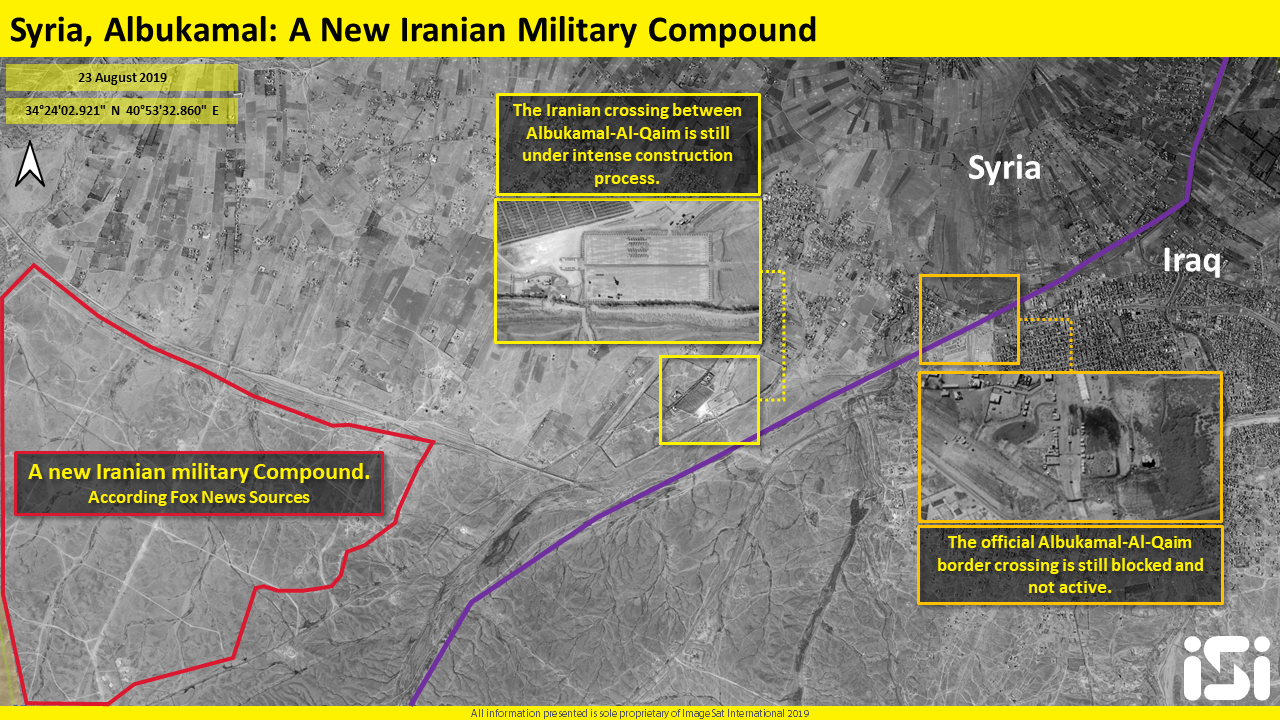
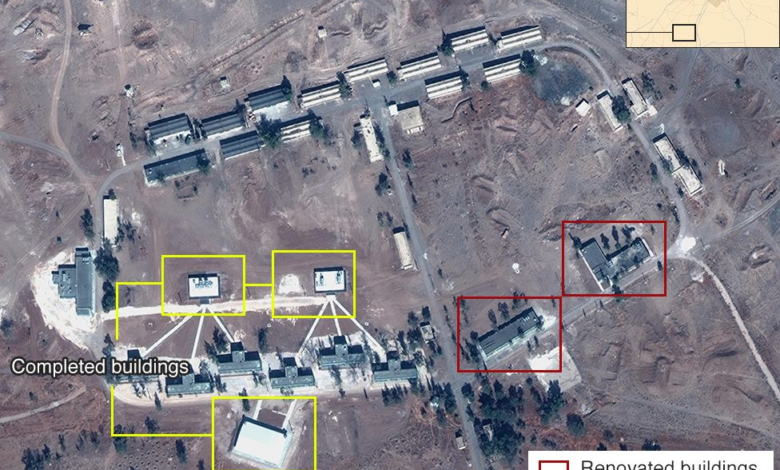
The recent intelligence reports regarding a new Iranian classified military base in Syria raise significant concerns about regional stability and the escalating proxy conflict. Pinpointing the exact location remains challenging due to the clandestine nature of the operation, but analyzing potential sites based on existing Iranian infrastructure and strategic objectives provides valuable insight.The potential location of this base is likely to be situated in an area offering proximity to key transportation routes, existing Iranian military assets, and crucial supply lines.
Areas in central and southern Syria, near the border with Iraq or the Mediterranean coast, are plausible candidates, depending on the base’s intended purpose. Proximity to existing Iranian-backed militias and Hezbollah strongholds would enhance operational capabilities and logistical support. Furthermore, access to existing infrastructure, such as roads and airports, would be a critical factor in the base’s selection.
Reports of Iran constructing a new, classified military base in Syria are seriously worrying, especially considering the secrecy surrounding the whole operation. This makes me think about the level of transparency in other sensitive cases, like the Seth Rich situation where, incredibly, the FBI is asking a court for a staggering 66 years to delay releasing information from his computer, fbi asks court for 66 years to release information from seth richs computer.
The lack of openness in both situations raises serious questions about accountability and what information the public has a right to know. Ultimately, the Iranian base in Syria could have far-reaching geopolitical consequences.
Potential Geographic Locations and Their Strategic Significance
A hypothetical map illustrating potential locations would show several key areas. One possibility is a location near the Syrian-Iraqi border, facilitating the transfer of personnel and equipment along established smuggling routes. This location would also provide a strategic advantage for influencing events in Iraq and potentially disrupting US operations in the region. Another potential location is near the Mediterranean coast, providing access to sea lanes and potentially supporting naval operations.
Reports of Iran constructing a new, clandestine military base in Syria are unsettling, especially given the region’s instability. It makes you think about the scale of global issues, contrasting sharply with seemingly smaller, yet still significant, news like this official study showing that covid 19 mortality in England was extremely rare among under 20s. The contrast highlights how diverse global threats are, and the Iran-Syria situation remains a major point of concern.
This coastal location would also allow for easier access to Iranian naval assets already operating in the region. Finally, a location in central Syria, potentially near Palmyra or Homs, could serve as a strategic hub for controlling internal Syrian politics and projecting power throughout the country. Each of these locations presents unique advantages and disadvantages based on factors like terrain, infrastructure, and proximity to both allies and adversaries.
Reports of Iran constructing a new, classified military base in Syria are seriously worrying. It highlights the escalating tensions in the region, and makes you wonder about the priorities of global leaders. I mean, seriously, check out this unearthed clip of Joe Biden advocating for a 40-story-high border fence – hypocrite joe biden calls for border fence 40 stories high in unearthed clip – while a potential major conflict brews elsewhere.
The hypocrisy is stunning, especially considering the implications of Iran’s actions in Syria.
Strategic Implications of a New Iranian Military Base in Syria
The establishment of a new Iranian military base in Syria significantly alters the regional power dynamic. It would solidify Iran’s military presence, enhancing its ability to project power and influence events in Syria and neighboring countries. This increased presence could potentially lead to increased tensions with Israel and other regional actors who oppose Iran’s influence. The base could also serve as a platform for supporting Iranian-backed militias, further destabilizing the region and escalating existing conflicts.
This escalation could manifest in various ways, including increased cross-border attacks, heightened military readiness among regional actors, and potential for direct confrontation. The potential for the base to become a target for airstrikes or other forms of military action also needs to be considered.
Comparison to Other Iranian Military Installations
Comparing this potential base to existing Iranian installations reveals its strategic importance. While Iran already maintains a significant presence in Syria, including advisory roles with the Syrian army and support for various militias, a dedicated military base represents a major escalation. This would differ from existing deployments by providing a more permanent and readily deployable military force, increasing Iran’s capabilities for both offensive and defensive operations.
Unlike the more dispersed and less formally established Iranian military presence in Syria, a dedicated base would signify a more solidified commitment and provide better logistical support, command, and control. The strategic value would thus surpass that of existing, less formalized deployments, creating a more significant challenge to regional stability.
International Response and Diplomatic Implications: Iran Building New Classified Military Base In Syria Intelligence Sources
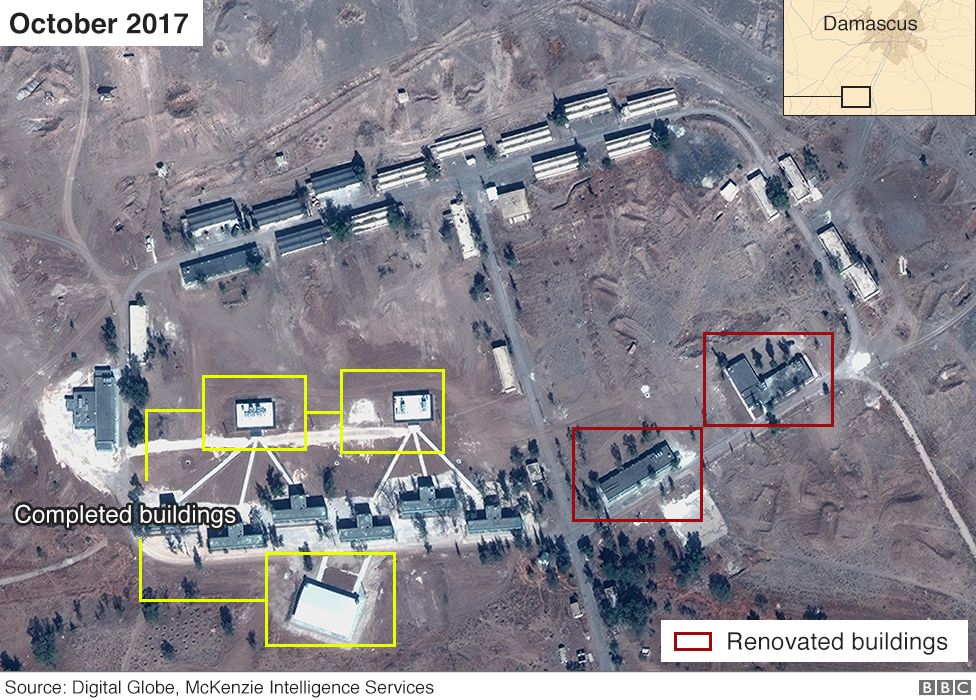
The revelation of a new Iranian military base in Syria will undoubtedly trigger a complex and multifaceted international response, significantly impacting regional stability and global diplomatic relations. The potential for escalation is high, given the existing tensions in the region and the various geopolitical interests at play. The international community’s reaction will be shaped by pre-existing alliances, national interests, and the perceived threat posed by this development.The establishment of this base will likely exacerbate existing tensions between Iran and its regional rivals, particularly Israel and Saudi Arabia.
We can expect strong condemnations from countries aligned with these nations, citing concerns about increased regional instability and the potential for further escalation of the conflict in Syria. The international community will be closely watching for any signs of military activity emanating from the base and assessing its potential impact on the fragile peace efforts currently underway.
Reactions of Regional and International Actors
The construction of the Iranian military base is likely to be met with a range of responses from regional and international actors. Israel, a key regional player with a history of conflict with Iran, is expected to strongly oppose the base’s construction, potentially escalating its military preparedness or even considering preemptive strikes. Saudi Arabia, another key regional power and a long-standing rival of Iran, will likely voice its concerns through diplomatic channels and may increase its military spending and cooperation with regional allies.
The United States, a significant player in the region, will likely react with sanctions, diplomatic pressure, or potentially even military action depending on the perceived threat. European countries, meanwhile, may adopt a more cautious approach, balancing their concerns about regional stability with their diplomatic relations with both Iran and other regional actors. Russia, a close ally of Syria and Iran, is likely to remain supportive of the base’s existence, viewing it as a legitimate response to the ongoing conflicts and threats in the region.
This divergence of opinions will make achieving a unified international response challenging.
Potential Diplomatic Consequences
The diplomatic consequences of this development are significant and far-reaching. Existing regional alliances will likely be strengthened, with countries aligning themselves based on their geopolitical interests. The situation could lead to a further deterioration of relations between Iran and the West, potentially impacting ongoing nuclear negotiations and other diplomatic initiatives. International efforts to resolve the Syrian conflict could be hampered, as the presence of the new base introduces a new layer of complexity and potential conflict.
The potential for miscalculation and unintended escalation is high, necessitating careful diplomatic engagement from all stakeholders. For instance, the renewed focus on Iran’s military activities in Syria could derail any efforts to revive the 2015 Iran nuclear deal (JCPOA), as mistrust deepens between Iran and the West.
Comparison of International Responses to Similar Situations
The international response to the Iranian base will likely mirror past responses to similar situations. For example, the establishment of Russian military bases in Syria in 2015 triggered international concern, resulting in diplomatic pressure and sanctions from some Western countries, while others maintained a more neutral stance. Similarly, the presence of Iranian-backed militias in Iraq and other parts of the Middle East has prompted condemnation and calls for action from various international bodies, with the level of response varying depending on the political climate and the specific actors involved.
The UN Security Council, often divided on such matters, is unlikely to reach a unified resolution due to the veto power held by Russia and China. The EU, while expressing concerns, may focus on diplomatic solutions and economic sanctions, while the US response may be more assertive, potentially involving military options.
Potential Diplomatic Response Scenario: The United States
A potential diplomatic response from the United States could involve a combination of strategies. The US could impose further sanctions targeting individuals and entities involved in the base’s construction and operation. Simultaneously, the US might engage in diplomatic efforts with regional allies, coordinating a joint response to deter further Iranian expansion. The US could also strengthen its military presence in the region to deter potential aggression, while simultaneously engaging in back-channel communications with Iran to manage the situation and avoid unintended escalation.
However, such actions could lead to further regional instability, potentially triggering a wider conflict and harming ongoing efforts to address other regional challenges. The consequences would depend on Iran’s response and the actions of other regional and international actors. A strong and coordinated international response, however, may deter Iran from further military expansion.
Impact on Civilian Population and Infrastructure
The construction of a new classified military base in Syria, particularly in a region already burdened by conflict and instability, carries significant risks for the civilian population and existing infrastructure. The potential for negative impacts extends beyond immediate physical damage and encompasses long-term social and economic consequences. Understanding these potential effects is crucial for planning humanitarian aid and mitigating the human cost of this development.
Displacement of Civilian Populations
The establishment of a large military base often necessitates the acquisition of land, potentially leading to the displacement of local communities. This displacement can be forced, resulting in the destruction of homes and livelihoods, or it can be incentivized through offers of compensation, which may not always be adequate or fairly distributed. The displacement process itself can be traumatic, leading to family separation, loss of social networks, and psychological distress.
Similar situations have been observed in other regions where military bases have been constructed, particularly in areas with pre-existing conflicts, leading to large-scale population movements and refugee crises. For example, the construction of military bases in the past has often resulted in the displacement of thousands of people, forcing them to relocate to overcrowded camps or urban areas, straining resources and increasing social tensions.
Economic Disruption and Loss of Livelihoods, Iran building new classified military base in syria intelligence sources
The presence of a military base can significantly disrupt local economies. The acquisition of land for the base removes productive agricultural land or areas used for other economic activities. Furthermore, the increased military presence might deter tourism and investment, further impacting the local economy. Restrictions on movement and access to resources due to heightened security measures can also limit economic opportunities for local residents.
The economic hardship caused by displacement and the disruption of traditional livelihoods can exacerbate existing inequalities and lead to increased poverty and vulnerability. This can be seen in examples where military operations have severely impacted local farmers’ access to their fields, causing crop failures and economic ruin.
Potential Casualties and Injuries
The construction and operation of a military base inherently increase the risk of accidental or intentional casualties and injuries among the civilian population. Construction accidents, explosions, or stray munitions can cause significant harm. Furthermore, the heightened security measures and potential for conflict associated with a military base increase the risk of civilian harm in the event of fighting or attacks.
The potential for collateral damage from military operations in the vicinity of the base is another major concern. This is a well-documented problem in many conflict zones, with civilians often bearing the brunt of the violence. Reliable statistics on civilian casualties are often difficult to obtain due to the complexities of conflict and reporting biases, but independent organizations frequently document such events.
Damage to and Disruption of Infrastructure
The construction and operation of a military base can cause damage or disruption to existing infrastructure. Roads may be closed or diverted, impacting access to essential services like healthcare and education. Utility lines, including water, electricity, and communication networks, might be damaged during construction or military operations. The disruption of essential services can have severe consequences for the civilian population, particularly in areas with already limited infrastructure.
For instance, the destruction of water pipelines or power grids can lead to shortages of essential resources, disease outbreaks, and increased vulnerability to extreme weather events.
So, what have we learned? The potential construction of a new Iranian military base in Syria is a serious development with far-reaching consequences. The lack of complete transparency and the conflicting reports highlight the complexity of the situation. While the exact nature and capabilities of the base remain shrouded in secrecy, the very possibility sends shockwaves through the region and the international community.
This situation demands close monitoring and a careful consideration of the potential ramifications for regional stability and international relations. The story is far from over, and we’ll be keeping a close eye on any further developments.