IMF Warns Chinas Savings Rate Shrinking Fast
Imf warns that chinas savings rate is shrinking fast – IMF warns that China’s savings rate is shrinking fast, a trend that has significant implications for the world’s second-largest economy. This shift, driven by factors like demographic changes, government policies, and economic realities, raises concerns about China’s future growth and stability.
For decades, China has been known for its high savings rate, fueled by a combination of cultural values, economic policies, and a desire for financial security. However, this trend is now reversing, with the IMF citing a range of factors contributing to the decline.
China’s Savings Rate: Imf Warns That Chinas Savings Rate Is Shrinking Fast
China’s savings rate, a crucial indicator of its economic health, has been a subject of intense scrutiny and debate. The rate, defined as the proportion of national income saved, has witnessed significant fluctuations over the years, reflecting the country’s dynamic economic development and policy shifts.
Historical Trends of China’s Savings Rate
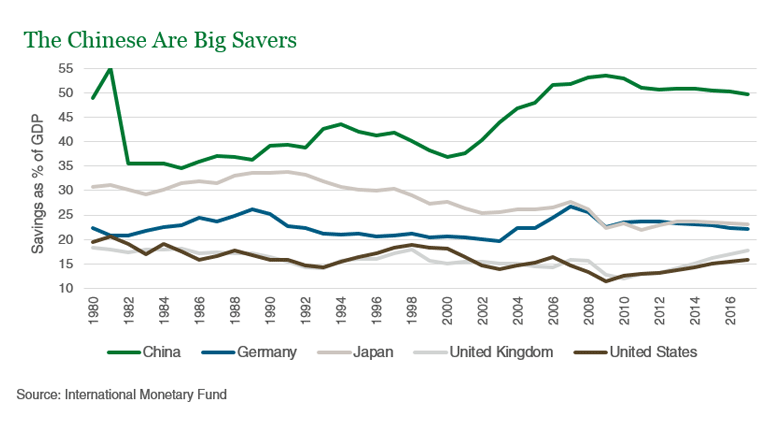
China’s savings rate has exhibited a remarkable upward trend since the late 1970s, coinciding with the implementation of economic reforms that ushered in a period of rapid growth. The rate climbed steadily from around 20% in the late 1970s to over 50% in the early 2000s, driven by a combination of factors.
The IMF’s warning about China’s shrinking savings rate is a serious issue, especially considering the global economic uncertainty. With the federal government keeping the COVID-19 health emergency intact until next year , there’s a real possibility that China’s economic outlook could become even more volatile, putting further pressure on its already declining savings rate.
- Rapid Economic Growth: China’s remarkable economic growth, fueled by export-oriented industries and infrastructure development, led to a surge in disposable income. This, in turn, boosted household savings as people sought to secure their financial future amidst rapid societal changes.
- Cultural Factors: Traditional Chinese values emphasize thrift and financial prudence, fostering a culture of saving for future needs, such as education, healthcare, and retirement.
- Limited Social Safety Nets: China’s social safety nets, particularly for healthcare and retirement, were relatively underdeveloped compared to developed economies. This prompted individuals to save more to cover potential future expenses.
- Government Policies: China’s government played a crucial role in promoting savings, encouraging households to prioritize savings through policies that favored deposit accounts over other financial instruments.
Comparison with Other Major Economies
China’s savings rate has consistently outpaced that of most major economies. For instance, the U.S. savings rate has typically hovered around 10%, while Japan’s savings rate has been around 20%. This stark difference reflects several factors, including:
- Economic Development Stage: China, as an emerging economy, is characterized by high investment needs, requiring significant savings to fuel infrastructure development and industrial expansion.
- Social Safety Nets: Developed economies like the U.S. and Japan have more comprehensive social safety nets, reducing the need for individuals to save as much for retirement and healthcare.
- Cultural Norms: Savings habits vary across cultures, with Chinese culture emphasizing thrift and long-term financial planning, leading to higher savings rates.
The IMF’s Warning
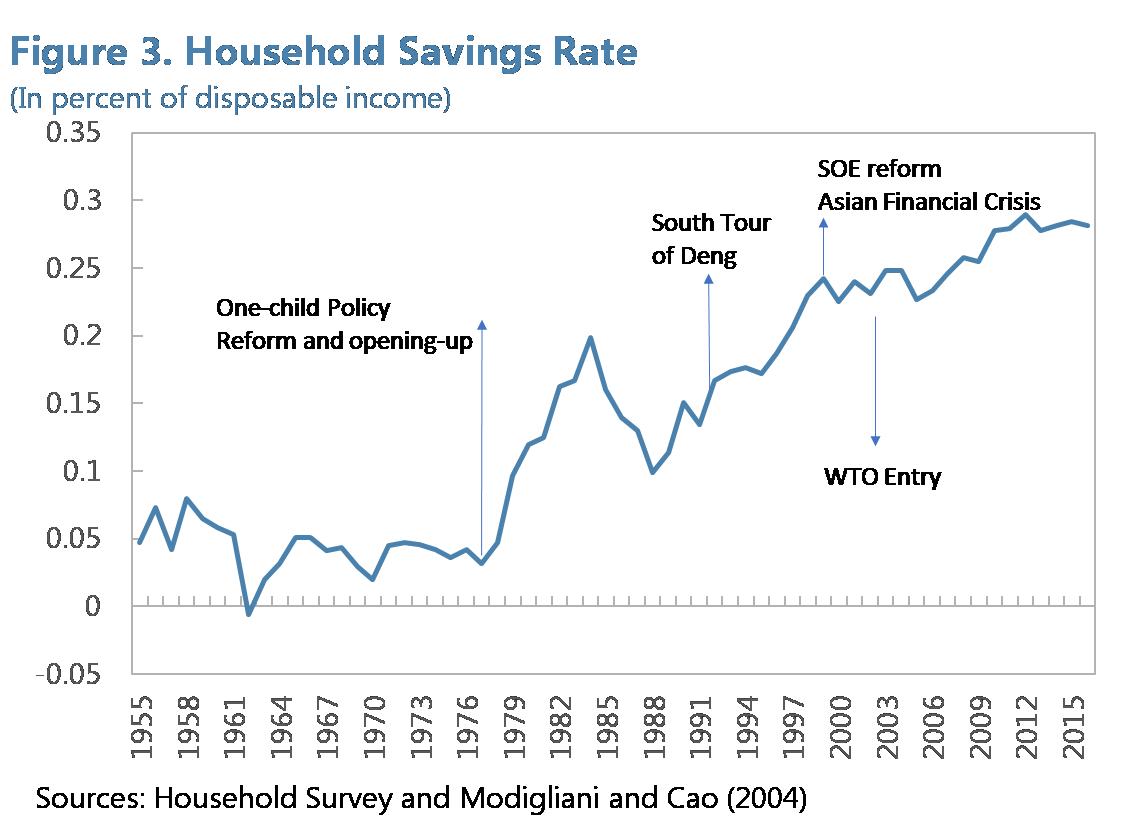
The International Monetary Fund (IMF) has issued a stark warning about China’s shrinking savings rate, highlighting the potential implications for the country’s economic growth and financial stability. This trend, characterized by a decline in household savings, is attributed to a confluence of factors, including demographic shifts, government policies, and economic conditions.
The IMF’s warning about China’s shrinking savings rate is a serious concern, especially as the country navigates economic challenges. It’s a stark reminder of the interconnectedness of global economies, and how events like Hurricane Dorian, which is threatening Florida with potential Category 4 strength , can ripple through markets and impact global financial stability. It’s important to monitor these trends closely and consider their potential impact on China’s economic trajectory.
Demographic Changes and Savings Behavior
China’s rapidly aging population, coupled with rising healthcare costs, is a significant driver of the shrinking savings rate. As people live longer, they require greater financial resources to cover their healthcare expenses in their later years. This has led to a shift in spending priorities, with individuals prioritizing current consumption over long-term savings. Moreover, the shrinking size of the working-age population, relative to the growing number of retirees, is placing pressure on social security systems, further incentivizing individuals to save more for their retirement.
The IMF’s warning about China’s shrinking savings rate is a serious concern, especially considering the global economic landscape. While this is a major issue, it seems political squabbles are taking center stage. It’s interesting to see how Trump criticizes Ohio Democrats for misrepresenting his visit at Dayton Hospital , while China’s economic future hangs in the balance.
The world needs to focus on finding solutions to these pressing economic issues, and that includes understanding the implications of China’s declining savings rate.
Government Policies and Savings Rates
Government policies, particularly changes in social security and pension systems, can have a profound impact on savings behavior. China’s social security system, while undergoing reforms, is still considered inadequate in providing adequate retirement income for many individuals. This has prompted households to increase their personal savings to ensure financial security in their later years. Additionally, government policies aimed at stimulating consumption, such as tax breaks for home purchases, can lead to a decrease in savings as individuals allocate more resources towards consumption.
Economic Factors and Saving Patterns, Imf warns that chinas savings rate is shrinking fast
Economic factors, including income inequality, wealth distribution, and consumer confidence, also play a role in shaping saving patterns. In a context of rising income inequality, households with lower incomes may find it difficult to save, as they prioritize meeting basic needs. Conversely, households with higher incomes may have greater disposable income, leading to higher savings rates. Consumer confidence, influenced by factors such as economic growth prospects and job security, can also affect saving behavior.
During periods of economic uncertainty, individuals may tend to save more, while periods of strong economic growth may encourage higher levels of consumption.
Economic Implications of Shrinking Savings
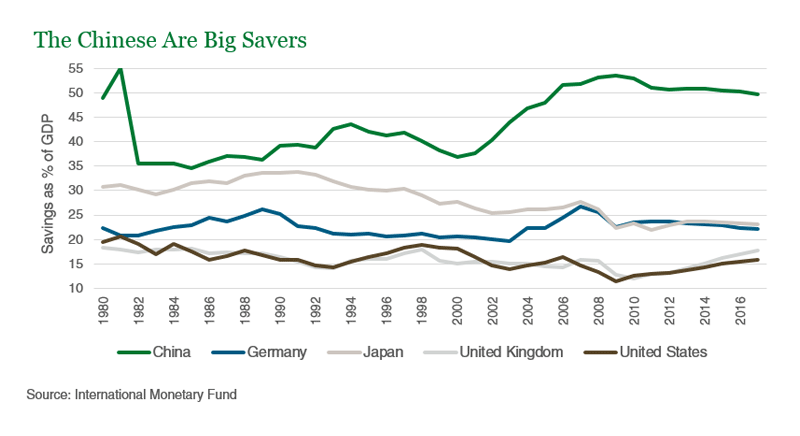
A declining savings rate in China could have significant implications for its economic growth, stability, and overall financial landscape. As the world’s second-largest economy, China’s savings rate has historically been a key driver of its impressive economic growth. However, with a rapidly aging population, rising consumer spending, and a shift towards a more consumption-driven economy, the savings rate is showing signs of decline.
This trend raises concerns about the potential impact on various aspects of China’s economic performance.
Impact on Economic Growth and Stability
A shrinking savings rate can impact economic growth and stability in several ways. First, a decline in savings can lead to a decrease in investment, as businesses have less access to capital for expansion and innovation. This can hinder productivity growth and potentially slow down economic expansion. Second, a lower savings rate can increase the reliance on external financing, making the economy more vulnerable to global economic shocks.
This can also lead to higher borrowing costs and potentially increase the risk of financial instability. Third, a decline in savings can lead to a decline in household wealth, which can impact consumer confidence and spending. This can create a vicious cycle of lower growth and lower savings.
Implications for Investment
A shrinking savings rate can have significant implications for both domestic and foreign investment in China.
- Domestic Investment: Domestic investment, which has been a key driver of China’s economic growth, could be negatively affected by a declining savings rate. Businesses may find it more challenging to access capital for expansion and innovation, leading to slower growth in investment.
- Foreign Investment: A shrinking savings rate could also make China less attractive to foreign investors. If domestic savings are declining, foreign investors may be less willing to invest in the country, as they may perceive higher risks or lower returns. This could further limit the availability of capital for economic development.
Consequences for Household Consumption and Demand
A shrinking savings rate can also have consequences for household consumption and overall demand in the Chinese economy.
- Increased Consumption: A decline in savings could lead to an increase in household consumption, as individuals have less money saved and are more likely to spend their income. This could provide a boost to short-term economic growth, but it could also lead to higher levels of debt and financial vulnerability.
- Potential for Overstimulation: While increased consumption can be positive, there is a risk of overstimulation. If consumption grows too quickly, it could lead to inflation and asset bubbles, which could destabilize the economy.
Challenges for China’s Financial System
A lower savings rate poses challenges for China’s financial system and its ability to manage risk.
- Increased Risk Appetite: With a declining savings rate, banks and other financial institutions may be forced to take on more risk to maintain profitability. This could lead to increased lending to risky borrowers, potentially contributing to financial instability.
- Potential for Asset Bubbles: A decline in savings can also lead to increased speculation in asset markets, as investors seek higher returns in a low-yield environment. This can contribute to asset bubbles and potentially create systemic risk.
Policy Responses and Future Outlook
The shrinking savings rate in China presents a significant challenge for policymakers. The government needs to implement strategies that encourage saving while also addressing the underlying factors driving the decline. These policies must aim to ensure continued economic growth and stability in the long term.
Potential Policy Responses
The Chinese government has several policy options at its disposal to address the shrinking savings rate. These include:
- Tax Policy Adjustments: The government could consider tax incentives for savings, such as tax deductions for contributions to retirement accounts or other savings vehicles. This would make saving more attractive and potentially encourage individuals to allocate a larger portion of their income towards savings.
- Strengthening Social Safety Nets: Expanding social safety nets, such as unemployment insurance and healthcare, could provide individuals with a greater sense of security and reduce their need to save for unforeseen circumstances. This would free up disposable income for other purposes, including saving.
- Retirement Plan Reforms: Reforms to the retirement system, such as increasing contribution rates or raising the retirement age, could encourage individuals to save more for their later years. These reforms could also help to address the growing burden on the social security system.
Effectiveness of Policy Interventions
The effectiveness of these policy interventions will depend on a variety of factors, including the specific design of the policies, the economic environment, and individual preferences.
- Tax Incentives: Tax incentives for savings can be effective in boosting savings rates, particularly if they are targeted at specific demographics or savings vehicles. However, the effectiveness of these incentives can be limited by factors such as the overall tax burden and the availability of alternative investment options.
- Social Safety Nets: Expanding social safety nets can have a positive impact on savings by reducing uncertainty and risk aversion. However, these programs can be costly to implement and may not be effective in addressing all the factors driving the decline in savings.
- Retirement Plan Reforms: Retirement plan reforms can encourage long-term savings, but they can also have unintended consequences, such as reducing consumption or increasing inequality. The effectiveness of these reforms will depend on the specific design and implementation.
Expert Insights and Long-Term Outlook
Experts and economists have varying perspectives on the long-term outlook for China’s savings rate.
“While the shrinking savings rate presents challenges, China’s economic growth is still expected to remain robust in the long term. The government’s focus on innovation and technological advancements will continue to drive investment and economic growth, even with lower savings rates.”Dr. Li, Chief Economist at a leading financial institution
“The declining savings rate is a significant concern for China’s economic future. It could lead to a slowdown in investment and economic growth, and potentially increase financial vulnerabilities. The government needs to implement comprehensive policies to address this issue.”
Professor Zhang, a renowned economist at a prestigious university.
Policy Options and Their Impact
The following table summarizes the potential impact of different policy options on savings, investment, and economic growth:
| Policy Option | Impact on Savings | Impact on Investment | Impact on Economic Growth |
|---|---|---|---|
| Tax Incentives for Savings | Positive | Positive | Positive |
| Strengthening Social Safety Nets | Mixed | Neutral | Mixed |
| Retirement Plan Reforms | Positive | Mixed | Mixed |
The shrinking savings rate in China presents a complex challenge with far-reaching implications. While the government is exploring policy options to address the issue, the long-term impact remains uncertain. The ability of China to navigate this shift will have a profound impact on its economic trajectory and its role in the global economy.