Hurricane Dorian Death Toll Rises to 20 in Bahamas as US Monitors Storms Path
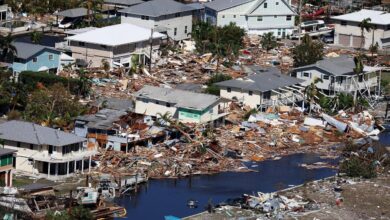
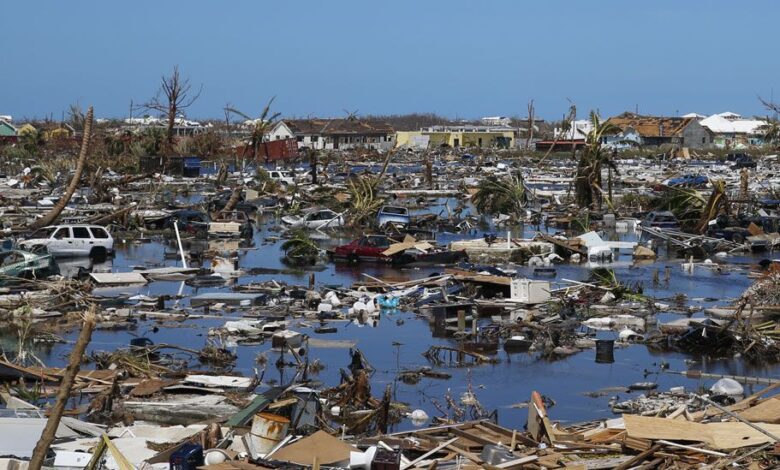
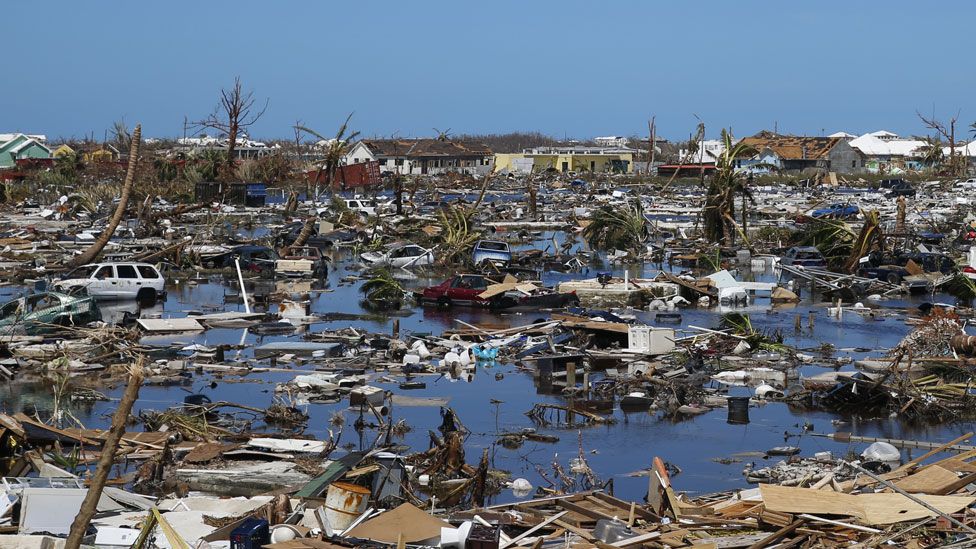
Hurricane dorian death toll rises to 20 in bahamas as us monitors storms path – Hurricane Dorian Death Toll Rises to 20 in Bahamas as US Monitors Storm’s Path. The Bahamas is still reeling from the devastating impact of Hurricane Dorian, a Category 5 storm that ripped through the islands in early September. The official death toll has risen to 20, with many more people still missing. The storm’s powerful winds and heavy rains caused widespread destruction, leaving thousands of homes and businesses in ruins.
As the Bahamas struggles to recover, the United States is closely monitoring the storm’s path, which is now heading towards the US East Coast.
The storm’s impact on the Bahamas has been catastrophic. Dorian made landfall in the Abaco Islands on September 1st, bringing with it winds of up to 185 miles per hour. The storm then moved slowly across the islands, causing widespread flooding and damage. The Abaco Islands and Grand Bahama were particularly hard hit, with entire communities left in ruins.
The destruction is so widespread that it will take years to rebuild.
The United States’ Monitoring of the Storm: Hurricane Dorian Death Toll Rises To 20 In Bahamas As Us Monitors Storms Path
The United States government, through its various agencies, closely monitored Hurricane Dorian’s path and potential impact on the US mainland. This proactive approach involved leveraging advanced technology, communication strategies, and preparedness measures to ensure the safety of its citizens.
Communication Channels Used to Inform the Public, Hurricane dorian death toll rises to 20 in bahamas as us monitors storms path
To keep the public informed about Hurricane Dorian’s trajectory and potential threats, the US government employed a multi-faceted communication strategy. This involved leveraging various channels, including:
- National Weather Service (NWS): The NWS, a primary source of weather information, issued regular updates on Dorian’s path, intensity, and potential impact. They utilized their website, social media platforms, and traditional media outlets to disseminate warnings, advisories, and forecasts.
- National Hurricane Center (NHC): The NHC provided detailed hurricane tracks, intensity forecasts, and storm surge predictions. Their website and social media platforms served as crucial resources for the public and emergency responders.
- Emergency Alert System (EAS): This system allowed for the broadcast of emergency alerts through television and radio stations, ensuring widespread dissemination of critical information during the hurricane’s approach.
- Wireless Emergency Alerts (WEA): The WEA system enabled the delivery of urgent warnings and alerts directly to mobile devices, reaching a vast audience with timely updates.
- State and Local Governments: State and local governments utilized their own communication channels, such as websites, social media, and local news outlets, to provide specific information relevant to their respective regions.
The Bahamas is facing a long and difficult road to recovery. The international community has pledged millions of dollars in aid, but the rebuilding process will be slow and challenging. The storm has also highlighted the need for improved disaster preparedness and mitigation strategies in the Caribbean region. As the US monitors the storm’s path, we can only hope that it will spare the mainland from the devastation it has already inflicted on the Bahamas.
The devastating impact of Hurricane Dorian on the Bahamas continues to unfold, with the death toll rising to 20 as the US closely monitors the storm’s path. While the world focuses on the humanitarian crisis, a separate geopolitical storm is brewing. China’s move to buy a German semiconductor factory after the US imposed new chip export restrictions, as reported here , highlights the growing tensions in the global tech landscape.
This development could have significant implications for the semiconductor industry and global supply chains, adding another layer of complexity to the already challenging situation in the Bahamas.
The devastation caused by Hurricane Dorian in the Bahamas is a stark reminder of the fragility of life and the importance of preparedness. While the world watches with heavy hearts, it’s also important to remember the ongoing challenges we face closer to home. An interesting perspective on tackling gun violence comes from a former police officer who sheds light on Tony Perkins’ approach to the issue, a solution that might surprise you.
Read more about Tony Perkins’ solution to gun violence and how it differs from conventional thinking. As we grapple with the aftermath of Dorian, it’s crucial to address these complex issues head-on and find ways to create a safer, more resilient future for everyone.
The tragic news of Hurricane Dorian’s devastation in the Bahamas, with the death toll reaching 20, serves as a stark reminder of the power of nature. It’s a stark contrast to the political climate, where some seem to prioritize their own agendas over human suffering. As the US monitors the storm’s path, I find myself reflecting on Charles Hurt’s take on Rep.
Tlaib’s use of her grandmother as a political pawn, as he argues there’s something fundamentally wrong with using family for political gain. It’s a reminder that amidst tragedy and political turmoil, compassion and empathy should always be our guiding principles.