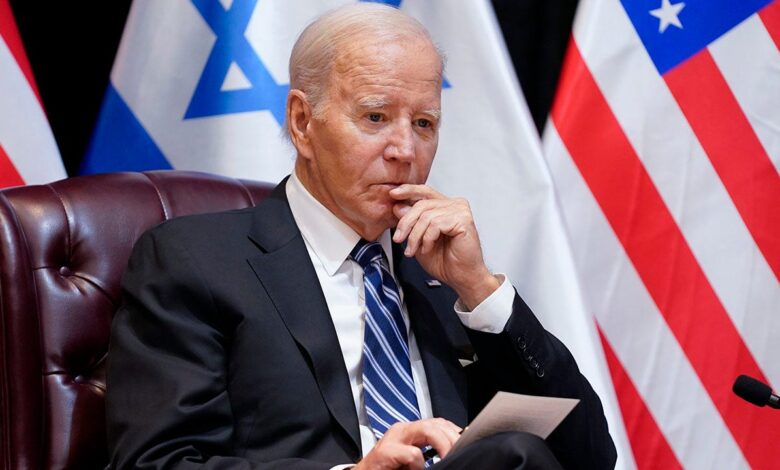
Biden Administration Cant Locate Over 177,000 Migrants
Biden administration cant locate over 177000 illegal immigrants – Biden Administration Can’t Locate Over 177,000 Migrants, a staggering number that highlights the ongoing challenges faced by the administration in managing the influx of migrants at the southern border. This situation raises concerns about the safety and well-being of these individuals, the effectiveness of current border security measures, and the broader implications for immigration policy.
The missing migrants come from a variety of countries, with many seeking a better life in the United States. Their journeys are often perilous, marked by danger and uncertainty. The reasons behind their disappearance are complex, involving factors such as human trafficking, smuggling, and the inherent risks of traveling through unfamiliar and potentially hostile territories.
The administration’s inability to account for these individuals underscores the need for a comprehensive approach to address the root causes of migration, improve border security, and protect the rights of migrants.
The Missing Migrants
The Biden administration is facing scrutiny over the reported disappearance of over 177,000 migrants who entered the United States illegally. This situation has raised concerns about the administration’s handling of border security and immigration policy, highlighting the complex challenges faced by the government in managing the influx of migrants.
The Biden administration’s inability to locate over 177,000 illegal immigrants is a serious issue, and it seems like every day we hear about another crisis. It’s hard to ignore the mounting evidence suggesting that the COVID-19 vaccines may be causing more harm than good, as highlighted in this recent article from MIT.
It’s a complex situation, and we need to be paying attention to all the facts, not just the ones that are convenient. The Biden administration’s focus should be on securing our borders and protecting our citizens, and that includes addressing these serious concerns about the vaccines.
Circumstances Surrounding the Missing Migrants
The reported disappearances span a period of several years, with the majority of the missing migrants entering the United States between 2021 and 2023. While the exact circumstances surrounding their disappearance remain unclear, several factors contribute to the situation.
- Countries of Origin:The missing migrants come from a wide range of countries, including Central American nations like Guatemala, Honduras, and El Salvador, as well as South American countries such as Venezuela and Colombia. They often flee their home countries due to poverty, violence, and political instability, seeking a better life in the United States.
- Intended Destinations:Many migrants intend to reach specific cities and towns across the United States, often driven by the presence of family members or the perception of greater economic opportunities. These destinations can be located in various states, with some migrants aiming to reach major cities like New York, Los Angeles, or Houston.
- Journey Details:The journeys of the missing migrants often involve perilous routes, with many crossing the US-Mexico border illegally and relying on smugglers for transportation. These journeys are fraught with danger, exposing migrants to exploitation, human trafficking, and other risks. The lack of proper documentation and the dangers they face during their travels contribute to the difficulty in tracking their whereabouts.
Implications for Immigration Policy and Border Security, Biden administration cant locate over 177000 illegal immigrants
The situation of the missing migrants has significant implications for the ongoing debate regarding immigration policy and border security.
- Increased Scrutiny:The reported disappearances have intensified scrutiny of the Biden administration’s immigration policies, with critics questioning the effectiveness of current measures and calling for more robust border security measures. The situation highlights the need for a comprehensive approach to address the complex challenges associated with illegal immigration, including addressing the root causes of migration, improving border security, and ensuring the safety and well-being of migrants.
The Biden administration’s inability to locate over 177,000 illegal immigrants is a serious issue, but it’s just one symptom of a larger problem: a complete lack of fiscal responsibility. The recent $1.7 trillion omnibus spending bill, which was passed with little to no public input, is a prime example of this.
It’s no wonder voters are overwhelmingly concerned about the national debt, as highlighted in this article voters overwhelmingly concerned about national debt 1 7 trillion omnibus is disaster for our country. With such reckless spending, it’s hard to imagine how the administration will ever get a handle on the immigration crisis, or any other issue for that matter.
- Humanitarian Concerns:The missing migrants represent a vulnerable population facing significant risks and uncertainties. The situation raises concerns about their safety and well-being, with potential risks of exploitation, trafficking, and even death. The government’s response to the situation must prioritize the protection of human rights and the safety of migrants.
- Policy Debate:The missing migrants underscore the need for a balanced approach to immigration policy that addresses both security concerns and humanitarian considerations. The situation highlights the complexities of immigration and the need for comprehensive solutions that address the underlying factors driving migration, provide safe and legal pathways for migrants, and ensure effective border security.
The Biden Administration’s Response: Biden Administration Cant Locate Over 177000 Illegal Immigrants
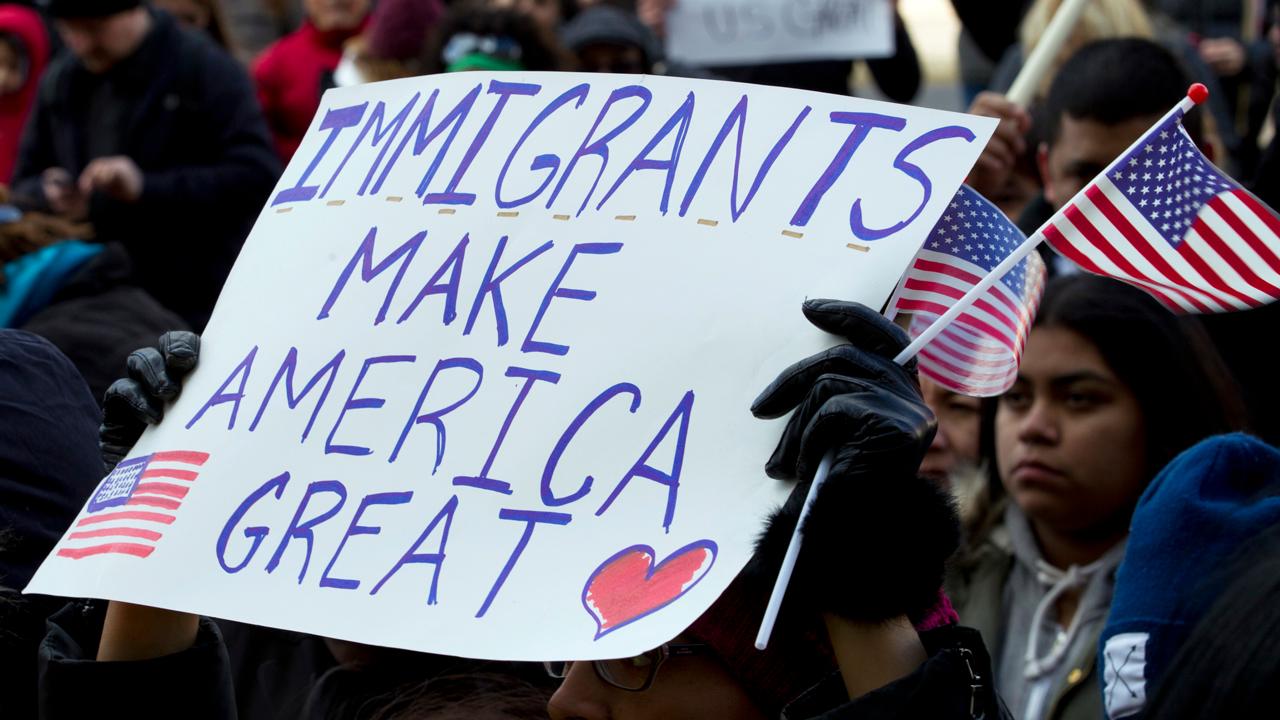
The Biden administration has faced significant scrutiny over its handling of the ongoing crisis of missing migrants at the U.S.-Mexico border. The administration has been criticized for its perceived lack of transparency and its failure to adequately address the issue.
Official Statements and Actions
The Biden administration has acknowledged the issue of missing migrants and has stated its commitment to addressing it. In a statement released in February 2023, the administration said that it was “working to ensure that all migrants who are apprehended at the border are treated humanely and with dignity.” The administration has also taken steps to improve the tracking of migrants, including the creation of a new task force dedicated to addressing the issue.
The Biden administration’s inability to locate over 177,000 illegal immigrants is a serious issue, and while we’re on the topic of health concerns, a new study has revealed the best beverage choice for hypertension patients, should hypertension patients drink coffee or tea new study reveals best beverage choice.
It’s crucial to address these concerns, and the lack of accountability for the missing immigrants only adds to the frustration.
Comparison with Previous Administrations
The Biden administration’s approach to the issue of missing migrants can be compared and contrasted with previous administrations. The Trump administration, for example, implemented a policy of separating migrant children from their parents at the border, which was widely criticized as being inhumane.
The Obama administration, on the other hand, was criticized for its lack of transparency and its failure to adequately address the issue of missing migrants.
Challenges Faced by the Administration
The Biden administration faces several challenges in addressing the issue of missing migrants. These challenges include:
- Logistical Challenges:The sheer number of migrants crossing the border makes it difficult to track them all. The administration also faces challenges in providing adequate resources and support to migrants who are apprehended at the border.
- Legal Challenges:The administration faces legal challenges in balancing its commitment to human rights with its obligation to enforce immigration laws.
- Political Challenges:The issue of missing migrants is a politically sensitive one, and the administration faces pressure from both sides of the aisle.
Potential Causes and Contributing Factors
The disappearance of over 177,000 migrants is a complex issue with multiple contributing factors. Understanding these factors is crucial to addressing the situation and ensuring the safety and well-being of migrants.
Human Trafficking and Smuggling
Human trafficking and smuggling are significant factors contributing to the disappearance of migrants. Traffickers often exploit vulnerable migrants, promising them better lives but subjecting them to forced labor, sexual exploitation, or other forms of abuse. Smugglers, on the other hand, operate illegally, often transporting migrants in dangerous and overcrowded conditions, increasing the risk of accidents, exploitation, and disappearances.
Political Instability and Economic Hardship
Political instability and economic hardship in many countries are major drivers of migration. Conflicts, persecution, and lack of economic opportunities force individuals to leave their homes in search of a better life. However, these factors can also contribute to the vulnerability of migrants, making them more susceptible to exploitation by traffickers and smugglers.
Climate Change
Climate change is increasingly contributing to migration, particularly in regions experiencing extreme weather events, droughts, and rising sea levels. These events can displace communities and disrupt livelihoods, forcing people to seek refuge in other areas. Climate change can also exacerbate existing political and economic vulnerabilities, leading to increased migration and potential exploitation.
Examples of Successful Initiatives
Several countries and organizations have implemented successful initiatives to address the issue of missing migrants. For example, the International Organization for Migration (IOM) provides assistance to missing migrants and their families, including search and rescue operations, identification, and repatriation. The United Nations High Commissioner for Refugees (UNHCR) works to protect refugees and asylum seekers, providing them with legal assistance and access to essential services.
“Addressing the issue of missing migrants requires a multi-pronged approach that involves tackling the root causes of migration, strengthening border management, and protecting the rights of migrants.”
Final Conclusion
The situation of the missing migrants serves as a stark reminder of the human cost of migration and the need for effective policies that balance border security with the protection of human rights. The Biden administration faces a formidable challenge in addressing this complex issue, and it is imperative that they prioritize transparency, accountability, and a humane approach in their efforts to locate the missing migrants and ensure their safety.