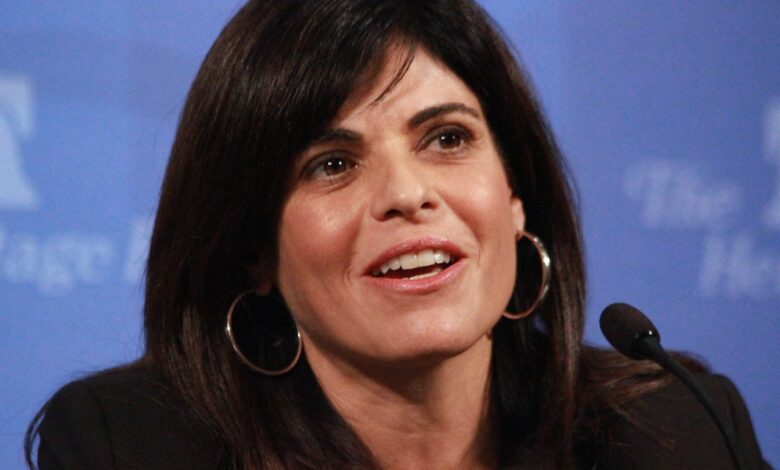
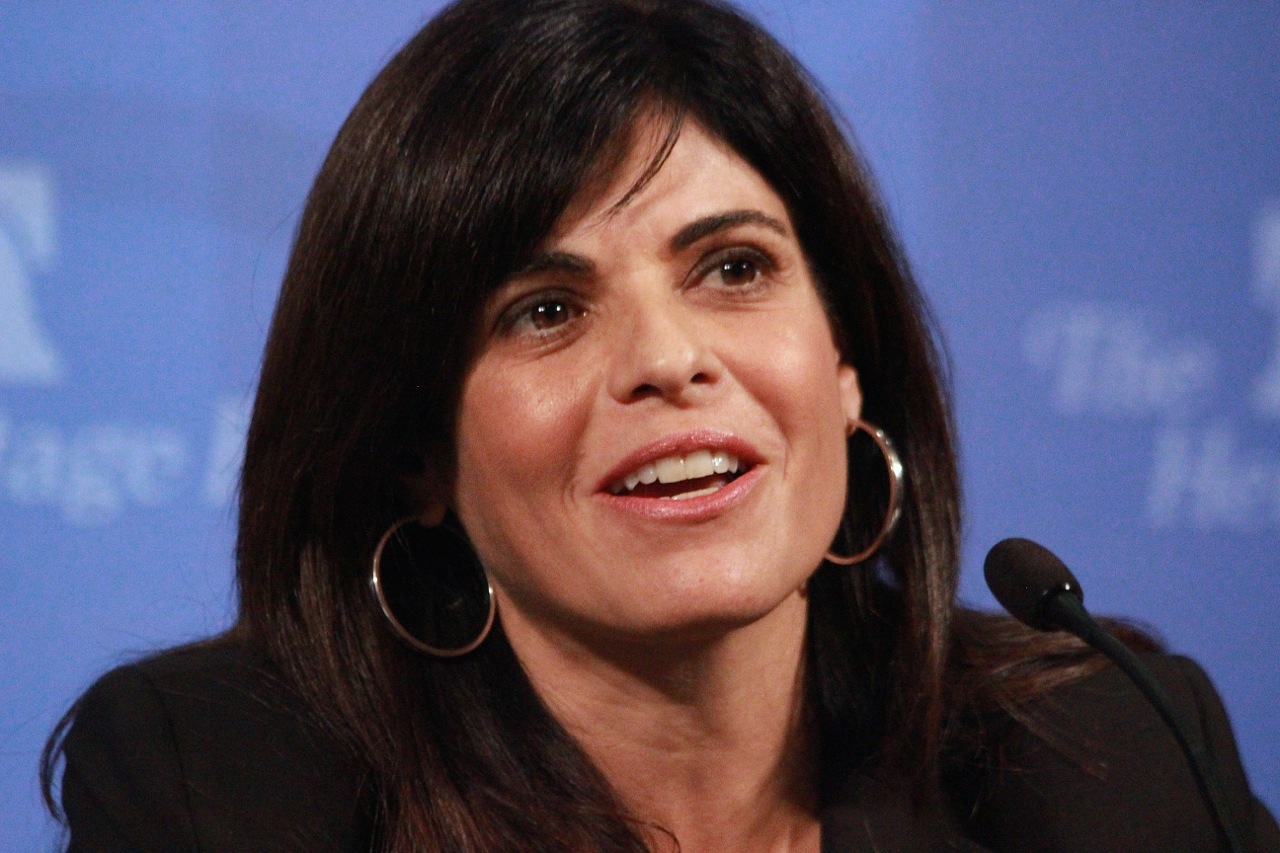
Dr. Grazie Pozo Christie What Sanders Said About Abortion Should Shock Us All
Dr grazie pozo christie what sanders said about abortion should shock us all – Dr. Grazie Pozo Christie: What Sanders Said About Abortion Should Shock Us All. The recent statements made by Bernie Sanders on abortion have sparked a firestorm of controversy, with many, including Dr. Christie, expressing shock and disbelief at his views. Dr.
Christie, a prominent physician and bioethicist, has been a vocal critic of Sanders’ stance, highlighting what she sees as a dangerous disregard for the sanctity of human life. This debate has thrust the issue of abortion back into the spotlight, forcing us to confront the complex moral and ethical questions surrounding this sensitive topic.
The controversy surrounding Sanders’ position on abortion underscores the deep divisions that exist within American society. It forces us to confront the stark realities of the abortion debate, the differing perspectives on the value of human life, and the role of government in regulating reproductive healthcare. This debate is not merely about politics; it is about fundamental values, beliefs, and the very definition of what it means to be human.
The Debate on Abortion in the United States
The debate on abortion in the United States is a complex and deeply divisive issue with a long and contentious history. It involves fundamental questions about morality, religion, women’s rights, and the role of government. This debate has been a defining feature of American politics and society for decades, leading to numerous legal challenges, political battles, and cultural clashes.
Dr. Grazie Pozo Christie’s response to what Sanders said about abortion is truly eye-opening, highlighting the deeply personal and often overlooked human element in this debate. It’s a stark contrast to the devastation unfolding in the Bahamas, where Hurricane Dorian has left a trail of destruction. Fox News reporter Steve Harrigan describes the situation as “nothing left,” a stark reminder of the fragility of life and the need for compassion in the face of tragedy.
This stark juxtaposition makes Dr. Pozo Christie’s words even more powerful, urging us to consider the complexities of the abortion debate with empathy and understanding.
Historical Context, Dr grazie pozo christie what sanders said about abortion should shock us all
The history of the abortion debate in the US is intertwined with evolving societal norms, medical advancements, and legal interpretations. Prior to the late 19th century, abortion was generally legal in the United States. However, as medical practices advanced and concerns about women’s health and morality grew, states began to restrict access to abortion. By the early 20th century, most states had criminalized abortion except when necessary to save the mother’s life.
Arguments for and Against Abortion
The abortion debate centers around two opposing viewpoints: those who believe abortion should be legal and accessible and those who believe it should be illegal or severely restricted.
Dr. Grazie Pozo Christie’s comments about abortion are truly shocking, especially in light of Bernie Sanders’ recent statements. It seems like the political landscape is shifting rapidly, and the news about the New York AG filing a civil lawsuit against Trump, as reported in this article , only adds to the sense of uncertainty. I’m left wondering if this legal battle will have any impact on the larger conversation about abortion rights, or if we’re headed for an even more polarized future.
Arguments in Favor of Legal Abortion
- Women’s Rights and Bodily Autonomy: Pro-choice advocates argue that women have the right to make decisions about their own bodies, including whether or not to terminate a pregnancy. They believe that forcing a woman to carry an unwanted pregnancy to term violates her fundamental rights and autonomy.
- Reproductive Health and Safety: Pro-choice advocates emphasize the importance of safe and legal access to abortion, arguing that criminalizing abortion drives women to seek unsafe and potentially life-threatening procedures. They believe that legal abortion reduces maternal mortality and improves women’s overall health.
- Economic and Social Implications: Pro-choice advocates argue that restricting access to abortion can have negative economic and social consequences. They point to the fact that unplanned pregnancies can lead to poverty, limited educational opportunities, and increased dependence on government assistance.
Arguments Against Abortion
- The Right to Life: Anti-abortion advocates believe that life begins at conception and that abortion is the taking of an innocent human life. They argue that all human beings, regardless of their stage of development, deserve protection from harm.
- Moral and Religious Beliefs: Many anti-abortion advocates base their opposition on religious beliefs that view abortion as a sin or a violation of God’s will. They argue that abortion is morally wrong and should be prohibited.
- Adoption as an Alternative: Anti-abortion advocates often promote adoption as an alternative to abortion, arguing that unwanted children can find loving homes. They believe that adoption provides a solution for women who are unable or unwilling to raise a child themselves.
Current Legal and Political Landscape
The legal and political landscape surrounding abortion in the United States is constantly evolving.
Landmark Supreme Court Decisions
The most significant legal development in the abortion debate was the Supreme Court’s decision in Roe v. Wade (1973). In this landmark case, the Court ruled that the Constitution protects a woman’s right to an abortion during the first two trimesters of pregnancy. The Court also established a framework for regulating abortion in the third trimester, allowing states to restrict abortion in the interest of maternal health.
Dr. Grazie Pozo Christie’s powerful statement about what Bernie Sanders said on abortion truly resonated with me. It’s a reminder that while we’re grappling with complex issues like the homeless crisis in California, as highlighted in this article about Governor Gavin Newsom’s alleged responsibility , we must never lose sight of the fundamental right to life. The fight for human dignity and the right to choose, as Dr.
Christie emphasizes, is a crucial part of this larger conversation.
The Rise of Anti-Abortion Legislation
Following Roe v. Wade, anti-abortion groups and politicians intensified their efforts to restrict abortion access. States passed numerous laws aimed at limiting access to abortion, such as parental notification requirements, mandatory waiting periods, and restrictions on public funding for abortion.
The Dobbs v. Jackson Women’s Health Organization Decision (2022)
In 2022, the Supreme Court overturned Roe v. Wade in the case of Dobbs v. Jackson Women’s Health Organization. This decision effectively returned the authority to regulate abortion to individual states, allowing them to ban or severely restrict abortion access.
The Impact of Dobbs on Abortion Access
The Dobbs decision has had a profound impact on abortion access in the United States. Many states have already enacted or are considering enacting laws banning or severely restricting abortion. These laws have created a patchwork of abortion access across the country, with some states offering limited or no access to abortion while others continue to protect abortion rights.
The Role of Faith and Morality in the Abortion Debate: Dr Grazie Pozo Christie What Sanders Said About Abortion Should Shock Us All

The abortion debate in the United States is often framed as a clash between competing viewpoints on the moral status of the fetus. Religious beliefs and ethical principles play a significant role in shaping these perspectives, influencing public opinion and contributing to the complexity of the issue.
Perspectives of Different Religious Groups
Religious groups hold diverse views on abortion, with some advocating for its complete prohibition while others support exceptions in cases of rape, incest, or threat to the mother’s life. The Catholic Church, for instance, strongly opposes abortion, considering it morally wrong and a violation of the sanctity of life. The Church teaches that life begins at conception and that abortion is equivalent to murder.
“The Church’s teaching on abortion is based on the conviction that human life is sacred and inviolable from the moment of conception.”
Catechism of the Catholic Church
Other Christian denominations, such as some Protestant groups, hold varying views on abortion. Some believe that abortion is always morally wrong, while others accept it in certain circumstances.
- Some evangelical Christians believe that abortion is a sin and that the fetus is a person from the moment of conception.
- Other Protestant denominations, such as the United Church of Christ, support a woman’s right to choose abortion.
Judaism, like Christianity, holds diverse perspectives on abortion. While some Jewish traditions consider abortion permissible in certain cases, such as when the mother’s life is in danger, others oppose it under any circumstances.
“The Jewish tradition teaches that the fetus is not considered a person until it is born. However, abortion is generally discouraged, and it is only permitted in cases where the mother’s life is in danger.”
Rabbi David Wolpe
Islam also holds a range of views on abortion. Some Islamic scholars consider abortion permissible in the early stages of pregnancy, while others oppose it under any circumstances.
“In Islam, the fetus is considered a human being from the moment of conception. However, there are exceptions to the prohibition on abortion, such as when the mother’s life is in danger.”
Sheikh Yusuf al-Qaradawi
Ethical and Moral Arguments Surrounding Abortion
The ethical and moral arguments surrounding abortion center on the question of when life begins and the rights of the fetus versus the rights of the mother. Pro-life advocates argue that the fetus is a human being from the moment of conception and that abortion is therefore morally wrong. They often cite religious beliefs and the sanctity of life as reasons for their stance.
“The unborn child has the right to life, just like any other human being.”
Pro-Life Advocate
Pro-choice advocates, on the other hand, argue that a woman has the right to control her own body and make decisions about her reproductive health. They contend that the fetus is not a person until later in pregnancy, and that a woman’s right to privacy should be respected.
“A woman’s right to choose abortion is essential to her autonomy and self-determination.”
Pro-Choice Advocate
Influence of Faith and Morality on Public Opinion
Faith and morality have a significant influence on public opinion about abortion. Studies have shown that people who are more religious are more likely to oppose abortion. This is likely due to the fact that many religions teach that life begins at conception and that abortion is morally wrong.
“Religious beliefs are a powerful factor in shaping attitudes toward abortion.”
Gallup Poll
However, it is important to note that not all religious people oppose abortion. Some religious groups, such as the United Church of Christ, support a woman’s right to choose abortion. Additionally, some people who are not religious may also oppose abortion on moral grounds.
The Impact of Abortion on Women and Families
The decision to have an abortion is a complex one, with profound implications for women and their families. It is crucial to approach this topic with sensitivity and understanding, acknowledging the multifaceted nature of the issue. This section will delve into the physical and emotional health consequences for women, the social and economic factors influencing their choices, and the impact of abortion on family dynamics and relationships.
Physical and Emotional Health Implications
Abortion can have both physical and emotional effects on women. While the physical risks associated with abortion are generally low, they can vary depending on the method used and the individual’s health status. Some potential physical risks include infection, bleeding, and complications related to anesthesia.Emotionally, women may experience a range of feelings after an abortion, including sadness, guilt, grief, relief, or anger.
The emotional response is highly personal and can be influenced by factors such as the woman’s personal beliefs, support systems, and the circumstances surrounding the pregnancy. It is important to provide women with access to comprehensive post-abortion care, including counseling and support services, to address their emotional well-being.
Social and Economic Factors Influencing Women’s Choices
Women’s decisions about abortion are often influenced by a complex interplay of social and economic factors. These factors can include:
- Financial constraints: Women may face financial hardship due to the cost of raising a child, potentially leading them to consider abortion.
- Lack of access to quality childcare: The availability and affordability of childcare can significantly impact a woman’s ability to work and provide for her family.
- Social stigma: Women who choose abortion may face social stigma and judgment, which can further complicate their decision-making process.
- Educational opportunities: Women may prioritize their education or career goals, leading them to choose abortion to avoid delaying or interrupting their pursuits.
Impact on Families and Relationships
The impact of abortion on families and relationships can be significant and multifaceted. Some families may experience increased stress and conflict, while others may find their bonds strengthened through shared experiences and support. The decision to have an abortion can be a source of tension and disagreement within families, particularly if there are differing opinions on the morality of abortion.
It is essential for families to communicate openly and respectfully, acknowledging the complexity of the issue and the emotional toll it can take on individuals.
“Abortion is a deeply personal and often difficult decision, and it is essential to approach it with compassion and understanding.”
The debate surrounding Bernie Sanders’ stance on abortion is a stark reminder of the deeply personal and complex nature of this issue. Dr. Grazie Pozo Christie’s powerful statement, along with the many voices echoing her concerns, highlight the importance of engaging in respectful and thoughtful dialogue. As we navigate the complexities of this issue, it is crucial to remember that every individual deserves to be heard, and that every life has intrinsic value.
Only through understanding and empathy can we hope to bridge the divides and find common ground on this sensitive and important topic.