Iran Tanker Heads to Greece, Iran Warns US Against Seizure Bid
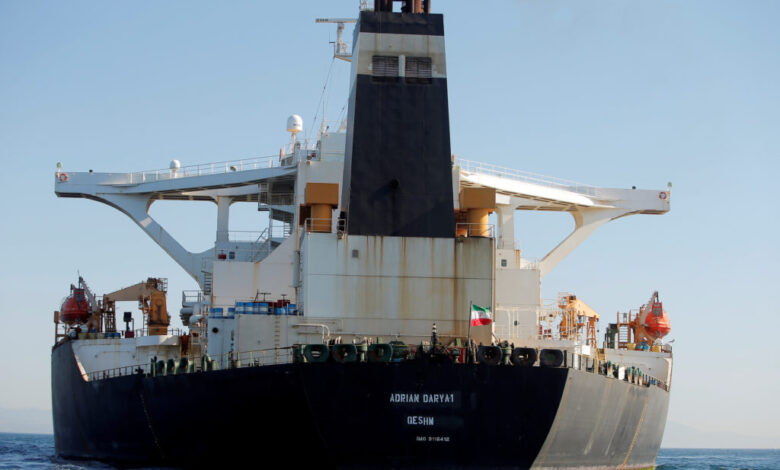
Iran tanker heads to greece iran warns u s against seizure bid – Iran Tanker Heads to Greece, Iran Warns US Against Seizure Bid – Tensions are rising in the Eastern Mediterranean as a Iranian tanker, laden with oil, makes its way to Greece. Iran has issued a stark warning to the United States, threatening retaliation if the US attempts to seize the vessel. The situation has the potential to escalate into a major international incident, with implications for global oil markets and regional stability.
The tanker, identified as the “Iranian Oil Tanker,” departed from Iran’s Bandar Abbas port and is currently navigating through international waters. Its intended destination is a Greek port, where it is scheduled to offload its cargo. However, the US has been monitoring the tanker’s movements closely, citing concerns about potential sanctions violations.
Iran’s Warning to the US
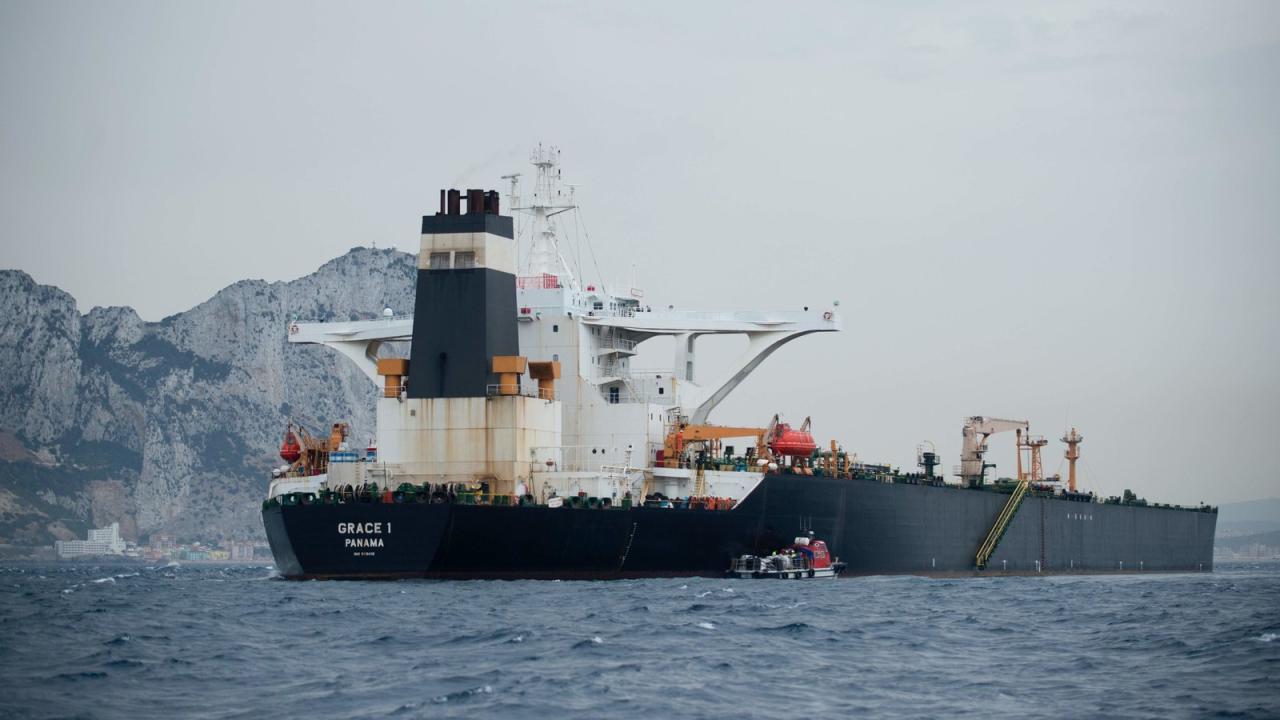
Following the seizure of an Iranian tanker by Greek authorities, Iran issued a stern warning to the United States, threatening retaliatory action if the tanker was not released. This warning highlights the escalating tensions between the two nations and underscores the delicate situation surrounding the ongoing dispute over Iran’s nuclear program.
Iran’s Warning
Iran’s warning to the US was delivered through a statement issued by the Iranian Foreign Ministry. The statement condemned the seizure of the tanker, calling it an act of “piracy” and “illegal” under international law. The Iranian government accused the US of being behind the seizure, alleging that Washington had pressured Greece to take action.
Potential Actions
Iran has not explicitly stated what actions it might take in response to the tanker seizure. However, the statement hinted at the possibility of retaliatory measures, warning that the US would face “consequences” if the tanker was not released. This could potentially include:
- Diplomatic Sanctions: Iran could recall its ambassador from Greece or downgrade diplomatic relations.
- Economic Measures: Iran could impose economic sanctions on Greece or other US allies involved in the seizure.
- Military Action: While less likely, Iran could resort to military action, such as targeting US interests in the region or disrupting shipping lanes in the Persian Gulf.
Motivations
Iran’s warning is likely motivated by several factors:
- Protecting National Interests: The seizure of the tanker represents a direct challenge to Iran’s national interests, as it restricts the country’s ability to transport oil and generate revenue.
- Deterring Further US Action: Iran aims to deter the US from taking further action against its interests, particularly in the maritime domain.
- Gaining Leverage: Iran might be seeking to use the situation to gain leverage in its negotiations with the US over the nuclear deal.
International Implications
The seizure of an Iranian tanker by Greece, following a US request, has the potential to significantly impact international relations, particularly between Iran and the US, and could escalate tensions in the region. This incident raises concerns about the potential for further conflict and could have far-reaching consequences for the global oil market and energy security.
Impact on International Relations
The incident has already triggered strong reactions from both Iran and the US, with Iran warning of consequences if the tanker is not released. This incident further strains the already tense relationship between the two countries, which has been fraught with challenges since the US withdrawal from the Iran nuclear deal in 2018. The incident could lead to further diplomatic tensions and potentially escalate into a larger conflict.
Impact on Global Oil Market and Energy Security
The incident has raised concerns about the stability of the global oil market, as any disruption to Iranian oil exports could lead to price increases and supply shortages. Iran is a major oil producer, and any disruption to its exports could have a significant impact on global energy markets. This incident could further exacerbate the already volatile energy market, leading to higher prices and potential energy security concerns for countries heavily reliant on oil imports.
The news of the Iranian tanker heading to Greece and the US warning against a seizure bid brings to mind another recent international event, greenland says its open for business not for sale after trump purchase report. Both situations highlight the complexities of international relations and the potential for conflict. While Greenland’s stance is clear, the situation with the Iranian tanker remains volatile, and the US’s involvement could further escalate tensions.
Potential Responses from Other Countries Involved, Iran tanker heads to greece iran warns u s against seizure bid
Several countries are involved in this incident, including Greece, the US, and Iran. Other countries may choose to respond to the incident in different ways. Some countries may express concern and call for de-escalation, while others may take sides and support either Iran or the US. The European Union, for example, could face pressure to take a stance on the incident, given its strong ties with both Greece and Iran.
The incident could also lead to increased tensions between the US and its allies in Europe, particularly those with strong economic ties to Iran.
Legal and Diplomatic Considerations: Iran Tanker Heads To Greece Iran Warns U S Against Seizure Bid
The potential seizure of an Iranian tanker by the United States raises significant legal and diplomatic questions. Understanding the international legal framework governing maritime seizures and the diplomatic channels available for resolving such disputes is crucial to assessing the situation.
The tension between Iran and the US is heating up again with the recent incident of an Iranian tanker heading towards Greece. Iran has warned the US against any attempt to seize the vessel, and the situation is being closely watched by global powers. It’s a stark reminder of the complexities of international relations, and the potential for conflict to erupt at any moment.
Meanwhile, on a different front, the US is facing criticism for its handling of immigration, with the news that ICE has issued smartphones to 255,602 illegal border crossers at a cost of $89.5 million per year raising eyebrows. The US is clearly navigating a difficult balancing act, trying to address security concerns while also managing humanitarian issues. Whether the current situation in Greece will escalate further remains to be seen, but it’s a clear indication that the world is far from a peaceful and stable place.
International Law Governing Seizure of Vessels
The legal framework surrounding the seizure of vessels on the high seas is complex and governed by international law, primarily the United Nations Convention on the Law of the Sea (UNCLOS). UNCLOS Artikels the rights and obligations of states regarding maritime activities, including the right of hot pursuit and the use of force in certain circumstances.
The ongoing saga of the Iranian tanker heading to Greece, with Iran warning the U.S. against any seizure attempts, reminds me of the recent court ruling against social media companies in a free speech censorship fight. Both situations highlight the tension between national interests and the potential for international conflict. Just as the court case seeks to balance freedom of expression with the need for accountability, the tanker situation requires careful consideration of the consequences of any actions taken.
- Right of Hot Pursuit: UNCLOS allows states to pursue a vessel that has violated their laws into international waters, but only if the pursuit is continuous and uninterrupted. The pursuing state must have reasonable grounds to believe that the vessel has committed an offense within its jurisdiction. This right is limited and subject to strict conditions, including the need for clear evidence of a violation and the obligation to minimize the use of force.
- Use of Force: UNCLOS permits the use of force against a vessel on the high seas in specific situations, such as self-defense or to prevent the vessel from engaging in piracy or armed robbery. However, the use of force must be proportionate to the threat posed and must be a last resort.
- Flag State Jurisdiction: A vessel sailing on the high seas is generally subject to the jurisdiction of the flag state, the state whose flag the vessel is flying. The flag state has primary responsibility for enforcing its laws and regulations on its vessels.
Diplomatic Channels for Resolution
Diplomatic channels offer a crucial means of resolving disputes involving maritime seizures. States involved in such disputes typically engage in bilateral consultations, seeking to reach a negotiated settlement.
- Bilateral Consultations: The United States and Iran could engage in direct talks to resolve the issue. This would involve exchanging information, clarifying their respective positions, and exploring potential compromises.
- Third-Party Mediation: If bilateral negotiations fail, a third-party mediator could be involved. This could be a friendly state, an international organization, or a group of experts. The mediator would facilitate communication and help the parties find common ground.
Role of International Organizations
International organizations play a significant role in maritime disputes. They can provide a forum for dialogue, facilitate negotiations, and offer legal expertise.
- International Maritime Organization (IMO): The IMO is a specialized agency of the United Nations responsible for maritime safety and security. It can provide technical advice and assistance to states involved in disputes and can contribute to the development of international standards and best practices.
- International Court of Justice (ICJ): The ICJ is the principal judicial organ of the United Nations. States can bring disputes before the ICJ, including those involving maritime law. The ICJ can issue binding judgments, but states are not obligated to accept its decisions.
Historical Context
The current standoff between Iran and the US over the potential seizure of an Iranian tanker in Greek waters is a stark reminder of the long and often turbulent history of relations between the two countries. This episode echoes past tensions, showcasing a pattern of conflict and cooperation that has characterized their interactions for decades. The historical context of this situation provides valuable insights into the motivations and potential consequences of the current dispute.
Understanding the historical precedents and the evolution of the relationship between Iran and the US is crucial to navigating the complexities of the present situation.
Previous Instances of Tensions
The current situation is reminiscent of several past instances of tensions between Iran and the US. Some notable examples include:
- The 1979 Iran hostage crisis: This event, which saw 52 American diplomats held captive for 444 days, significantly strained relations between the two countries. The crisis stemmed from the Iranian Revolution and the overthrow of the US-backed Shah. This incident led to a complete breakdown in diplomatic relations, which lasted for several years.
- The Iran-Contra affair: This scandal, which involved the Reagan administration’s secret sale of arms to Iran in exchange for the release of American hostages, further eroded trust between the two countries. This incident highlighted the complex and often covert nature of US-Iran relations.
- The US-led invasion of Iraq in 2003: While Iran was not directly involved in the invasion, the US’s presence in the region and its support for Iraqi opposition groups contributed to increased tensions with Iran. The US viewed Iran as a destabilizing force in the region and sought to limit its influence.
- The nuclear deal: The Joint Comprehensive Plan of Action (JCPOA), signed in 2015, aimed to curb Iran’s nuclear program in exchange for the lifting of economic sanctions. However, the US withdrew from the deal in 2018 under President Trump, reimposing sanctions and escalating tensions. This move led to a period of heightened military posturing and a series of incidents, including the downing of a US drone by Iran in 2019.
Historical Precedents for the Seizure of Iranian Vessels
While the current situation is unique, there are historical precedents for the seizure of Iranian vessels by other countries. Some notable examples include:
- The seizure of the Iranian tanker “MV Saviz” by Israel in 2021: This incident occurred in the Red Sea and was widely seen as an act of retaliation for attacks on Israeli ships by Iranian-backed groups. The seizure was condemned by Iran as an act of piracy.
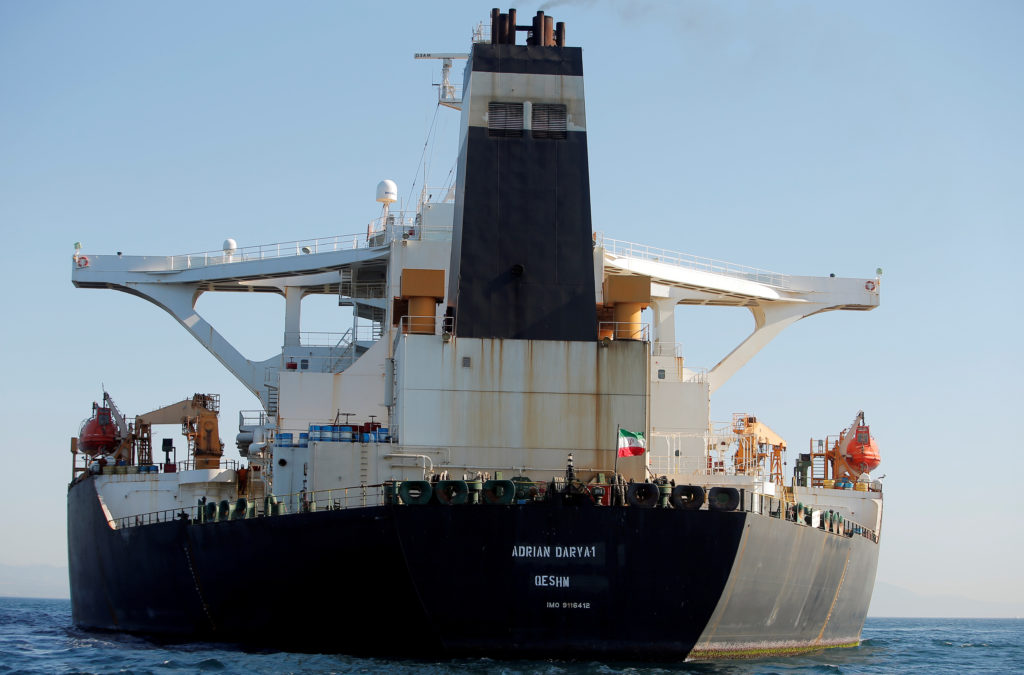
- The seizure of the Iranian tanker “Adrian Darya 1” by British Royal Marines in 2019: This incident occurred in Gibraltar and was linked to allegations that the tanker was carrying oil to Syria in violation of EU sanctions. The seizure sparked a diplomatic row between Iran and the UK.
Potential Outcomes
The seizure of the Iranian tanker by Greece, followed by Iran’s warning to the US, has set the stage for a potential escalation of tensions between the two countries. The situation is fraught with uncertainty, and several possible outcomes could unfold, each with its own set of implications for the involved parties. This section will explore the potential scenarios that could arise from this incident, analyzing the potential impact of each outcome on Iran, the US, Greece, and the broader international community.
Possible Outcomes and Their Implications
The following table Artikels the potential outcomes of the Iranian tanker incident and their implications for the involved parties:
| Outcome | Iran | US | Greece | International Community |
|---|---|---|---|---|
| De-escalation and Diplomatic Resolution | Avoids escalation and potential military conflict. Maintains economic ties with Greece and other European countries. | Avoids potential military conflict and maintains regional stability. May face criticism for its role in the incident. | Avoids potential conflict with Iran and maintains its position as a neutral player. May face economic repercussions from Iran. | Promotes stability and de-escalation in the region. May face challenges in maintaining neutrality. |
| Continued Escalation and Military Conflict | Potential for military retaliation against US interests. Risks further economic isolation and sanctions. | Potential for military engagement with Iran, risking casualties and further regional instability. May face international condemnation. | Risks being drawn into a conflict between Iran and the US. May face economic and political repercussions. | Significant risk of regional instability and potential for wider conflict. May face challenges in mediating a resolution. |
| Sanctions and Economic Pressure | Increased economic pressure and isolation. May face difficulty accessing global markets. | May achieve short-term objectives but risks long-term instability and potential for escalation. | May face economic repercussions from Iran and the US. May lose access to Iranian markets. | May exacerbate existing tensions and lead to further economic instability. |
| International Mediation and Negotiation | Potential for a negotiated settlement and resolution of the dispute. May face pressure to comply with international law. | May achieve a diplomatic resolution and avoid military conflict. May face pressure to de-escalate the situation. | May play a role in mediating a resolution. May face pressure from both Iran and the US. | Promotes stability and de-escalation in the region. May face challenges in finding a mutually acceptable solution. |
“The potential outcomes of the Iranian tanker incident are complex and interconnected, with implications for all parties involved. The international community will play a crucial role in shaping the outcome of this situation, and the potential for escalation or de-escalation will depend on the actions of all stakeholders.”
The current standoff between Iran and the US over the Iranian tanker is a reminder of the complex and often volatile relationship between the two countries. The situation highlights the ongoing tensions surrounding Iran’s nuclear program, sanctions, and regional influence. With both sides flexing their muscles, the international community is watching closely, hoping to prevent the situation from spiraling out of control.
The outcome of this incident will likely have significant implications for the future of US-Iran relations and the broader geopolitical landscape.